OSHA Regulations Critical For Healthcare Worker Safety
Secure Waste emphasizes that ensuring worker safety is a fundamental obligation for employers across all sectors, particularly in healthcare environments. In these settings, employees are routinely exposed to a range of physical, chemical, and biological hazards, including sharp instruments, infectious materials, and hazardous pharmaceuticals. To address these risks, the Occupational Safety and Health Administration (OSHA) has established comprehensive regulations to establish consistent safety standards that protect workers from preventable injuries, illnesses, and fatalities.
These regulations provide a crucial framework for organizations to systematically identify potential workplace risks. They guide employers in implementing adequate safeguards, such as appropriate personal protective equipment (PPE), safety training programs, and emergency preparedness measures. Moreover, OSHA’s guidelines encourage workplaces to foster a culture of safety, empowering employees to report hazards and participate in safety planning. Overall, adherence to these regulations not only enhances workers’ well-being but also improves organizational efficiency and morale.

Why OSHA Regulations Are Essential for Worker Safety?
Since OSHA was established in the early 1970s, workplace safety outcomes have improved dramatically. Fatalities, injuries, and occupational illnesses have declined significantly as safety standards have become more widely adopted and enforced. OSHA’s impact extends beyond enforcement by shaping best practices, encouraging proactive risk management, and promoting a culture where worker safety is treated as a core operational priority.
Welcome to Secure Waste, your trusted local waste management company specializing in regulated healthcare management and safe final disposal. Proudly serving Virginia, Maryland, and Washington, D.C., we have been dedicated to delivering exceptional waste management solutions for over 30 years.
Our expertise extends beyond mere waste disposal; we also offer comprehensive OSHA training to ensure healthcare facilities comply with essential safety regulations. We expertly manage hazardous waste, including exposure to Other Potentially Infectious Materials (OPIM), and provide critical waste-handling products, such as sharps containers and red biohazard bins.
Join us as we explore the critical importance of OSHA regulations in maintaining safety standards within the healthcare industry. These regulations are vital not only for protecting healthcare workers but also for ensuring the well-being of patients and the community at large.
The Purpose of OSHA in the Modern Workplace
OSHA’s primary mission is to ensure safe and healthful working conditions by setting and enforcing standards while providing education and assistance to employers and employees. These standards establish minimum expectations for safety practices, equipment, training, and reporting. For healthcare organizations, OSHA regulations are significant due to the complex risks associated with patient care, hazardous materials, and medical waste handling.
OSHA regulations help organizations move from reactive responses to proactive safety planning. By identifying hazards before incidents occur, employers can reduce injuries, lower workers’ compensation costs, and improve staff morale. Compliance also supports organizational stability by reducing legal exposure and operational disruptions.
Key OSHA Standards That Protect Healthcare Workers
Several OSHA standards have played a pivotal role in improving safety outcomes within healthcare settings. Each addresses a specific category of risk that workers may encounter during routine operations.
Hazard Communication Standards
The Hazard Communication Standard ensures that workers have the right to know about hazardous chemicals they may encounter in the workplace. Employers are required to maintain accurate labeling, provide safety data sheets, and train employees on proper handling and protective measures. This standard empowers workers to recognize risks and take appropriate precautions.
Standardized labeling and classification systems improve consistency and reduce confusion, especially in healthcare environments where numerous chemicals are used for cleaning, disinfection, and treatment. Clear communication helps prevent exposure-related injuries and long-term health effects.
Bloodborne Pathogen Protections
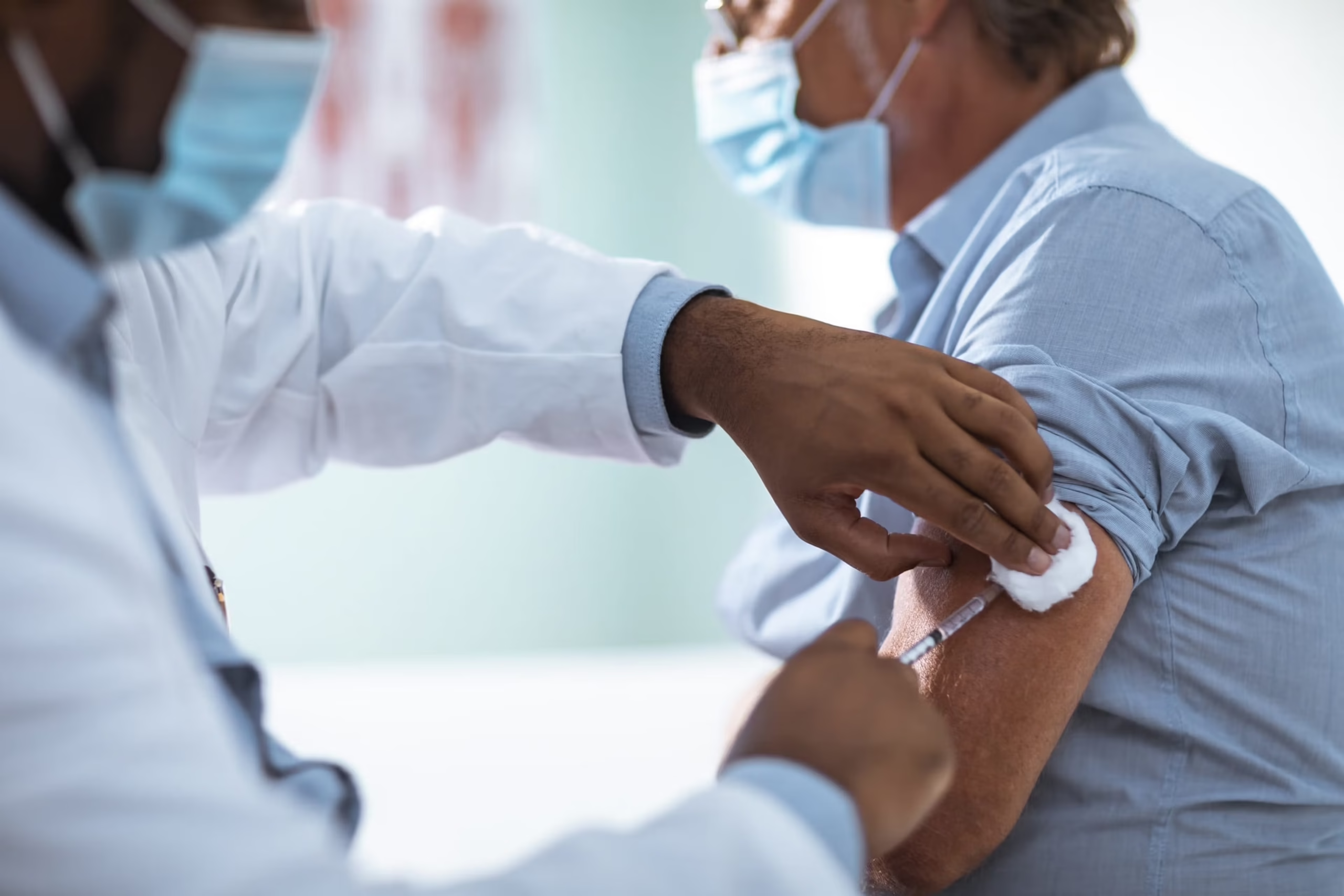
Healthcare workers face a heightened risk of exposure to bloodborne pathogens due to the nature of their work. OSHA’s bloodborne pathogen standards establish requirements for training, protective equipment, exposure control plans, and post-exposure procedures. These protections significantly reduce the risk of infectious disease transmission and support safer clinical environments.
Engineering controls, such as sharps safety devices and proper disposal systems, play a critical role in minimizing exposure. When combined with training and clear procedures, these standards help protect workers from potentially life-altering injuries.
Preventing Needlestick Injuries
Needlestick injuries represent a serious hazard for healthcare workers. OSHA strengthened protections by emphasizing safer medical devices, improved training, and updated exposure control plans. These measures encourage the use of engineering controls that reduce reliance on manual handling of sharps.
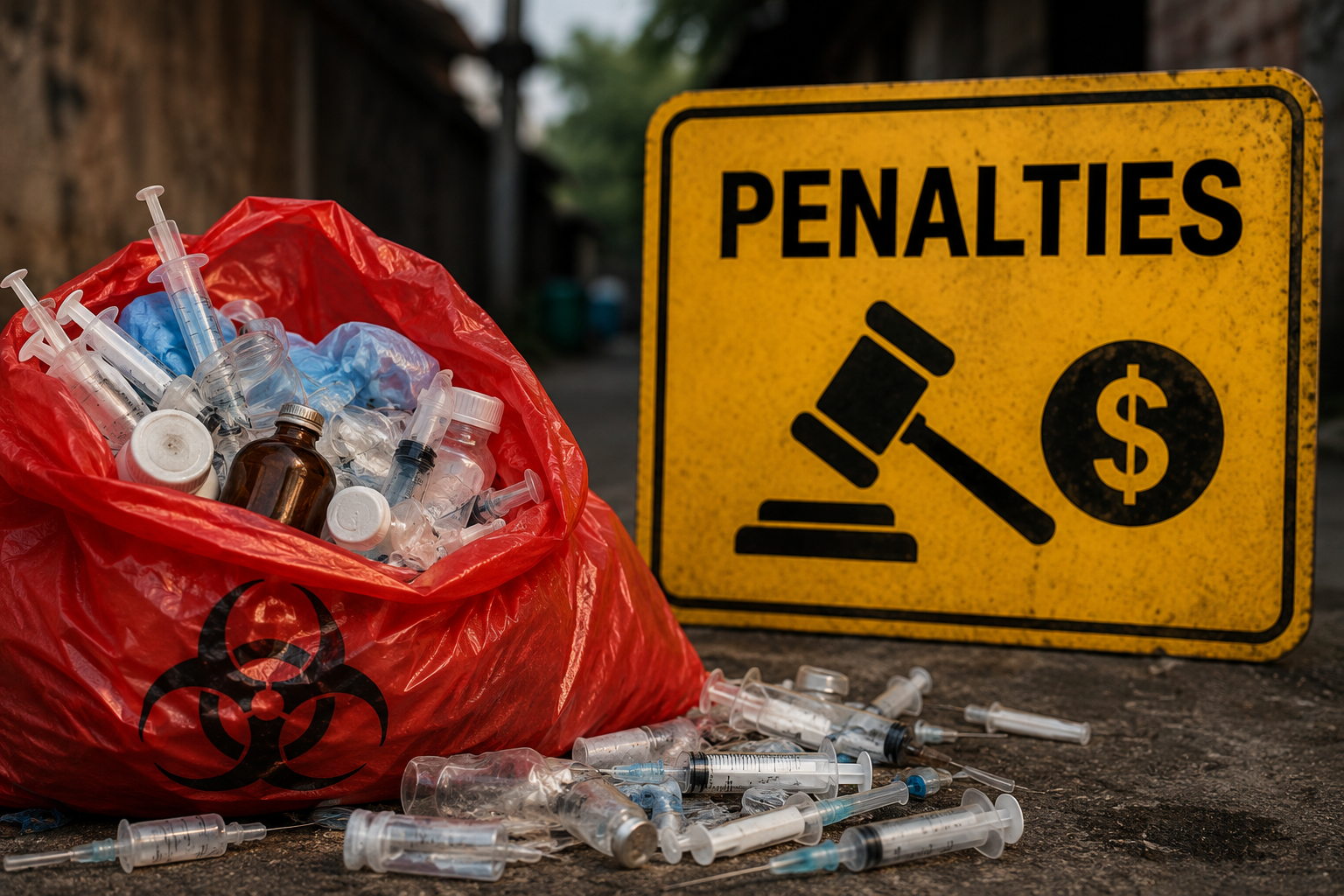
Proper sharps disposal systems are essential to preventing injuries after use. Ensuring that sharps are contained and removed safely protects not only healthcare workers but also custodial staff and waste handlers.
Injury and Illness Prevention Programs
Injury and Illness Prevention Programs promote a systematic approach to identifying and addressing workplace hazards. These programs encourage employers to assess risks, implement controls, and continuously improve safety practices. While requirements vary by jurisdiction, proactive prevention programs are widely recognized as best practices.
By addressing hazards early, organizations can reduce incident rates and foster a culture of prevention rather than reaction. These programs also encourage employee involvement, which strengthens overall safety awareness.
OSHA’s Collaborative Role in Worker Safety
OSHA works with other organizations and research institutions to improve workplace safety. Guidance on respiratory protection, ergonomics, fall prevention, workplace violence, and substance exposure helps employers address emerging risks. This collaborative approach ensures that standards evolve alongside industry practices and scientific understanding.
Healthcare organizations benefit from this guidance by gaining access to evidence-based recommendations that support safer operations and regulatory compliance.
Compliance as a Foundation for Safety Culture
Compliance with OSHA regulations should not be viewed solely as a legal obligation. When integrated into daily operations, compliance becomes a foundation for a strong safety culture. Employees who understand expectations and receive proper training are more confident in their ability to work safely.
A strong safety culture reduces turnover, improves morale, and supports operational efficiency. When workers feel protected and valued, they are more likely to engage in safe behaviors and report hazards promptly.
The Role of Responsible Waste Management
Safe waste handling is a critical component of worker safety in healthcare settings. Improper disposal of regulated waste and sharps increases the risk of injuries and exposure incidents. Partnering with a knowledgeable waste management provider helps ensure that waste is handled, transported, and processed in compliance with safety standards.
Secure Waste supports healthcare organizations by providing compliant waste management solutions that help reduce risk and support OSHA-aligned safety practices. By ensuring proper disposal systems and processes, healthcare providers can protect workers while maintaining regulatory compliance. Learn more at https://www.securewaste.net/.
Long-Term Benefits of OSHA Compliance
Organizations that prioritize OSHA compliance experience long-term benefits beyond reduced incident rates. These include lower insurance costs, fewer disruptions, improved reputation, and stronger employee retention. Compliance also supports sustainability by reducing waste-related risks and improving operational efficiency.
When safety is embedded into organizational culture, compliance becomes a natural outcome rather than a burdensome requirement. This approach strengthens resilience and prepares organizations to adapt to future regulatory changes.
Final Takeaway
OSHA regulations exist to protect workers and promote safer workplaces across all industries, especially healthcare. By understanding and implementing key standards, organizations can reduce risk, improve safety outcomes, and foster a culture of prevention. Compliance is not just about following rules—it is about creating environments where workers can perform their duties safely and confidently. With strong leadership, practical training, and responsible waste management partnerships, healthcare organizations can uphold worker safety while building a more secure future.
Expert Medical Waste Management: With over 25 years of industry experience, Secure Waste is a trusted local leader in hazardous and biohazardous waste disposal across Maryland, Virginia, and Washington, D.C. Specializing in medical waste management, sharps needle disposal, and biohazard waste removal, the company ensures full compliance with federal, state, and local regulations while prioritizing environmental sustainability.
The company also offers additional services, including secure document shredding and sharps container sales, providing comprehensive solutions for healthcare facilities and businesses. Our cost-effective services help clients maintain regulatory compliance without unexpected costs.
With a commitment to customer satisfaction, Secure Waste offers tailored waste management plans that align with industry best practices. Their team of experts provides reliable, timely, and compliant services, making them the preferred choice for medical waste disposal. For a free waste quote or more information, visit www.securewaste.net