Virginia Biohazard Disposal: A Step-By-Step Guide For Healthcare Providers
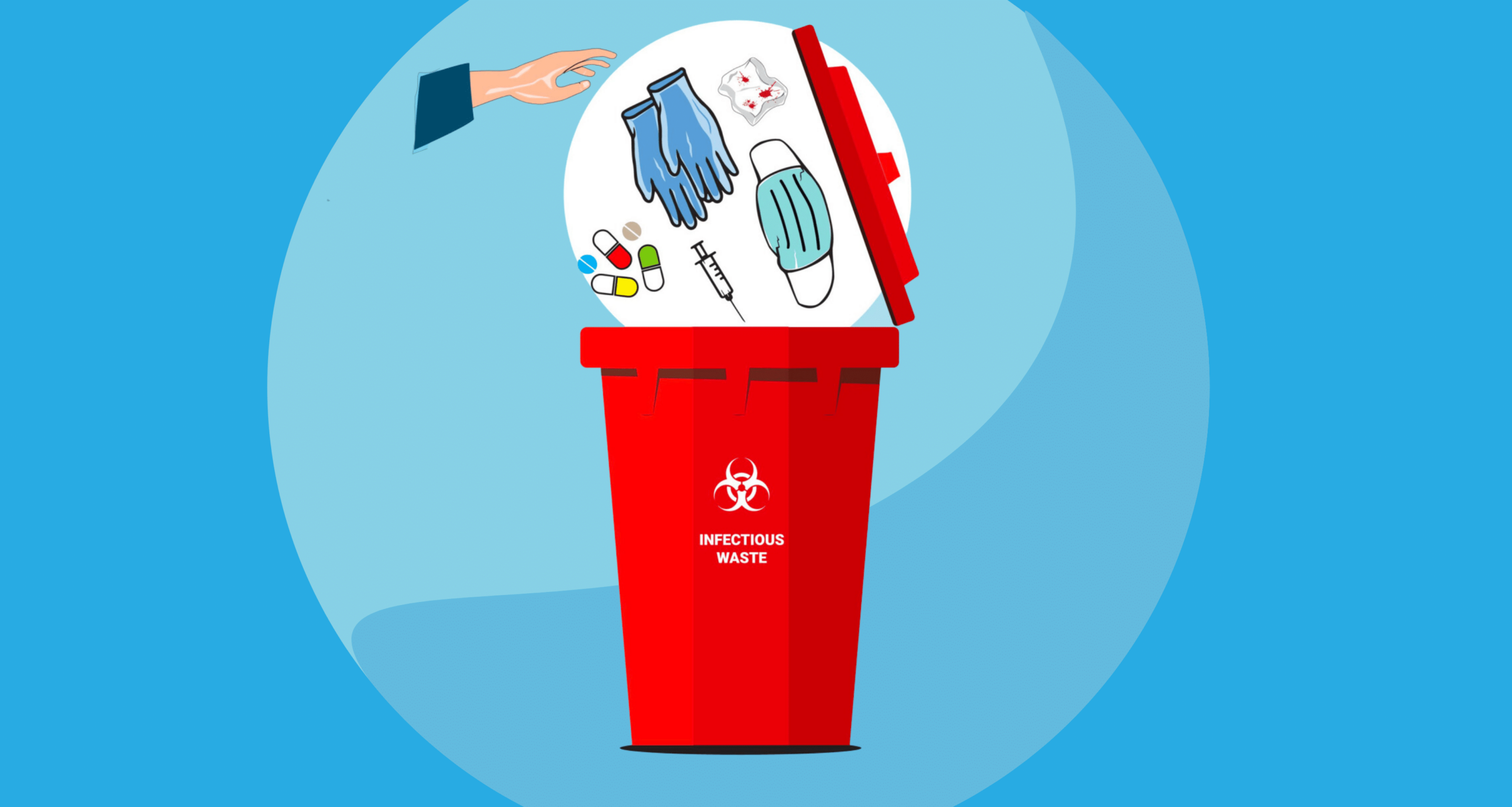
In Virginia, the management and disposal of biohazardous materials and regulated medical waste (RMW)—which encompasses items contaminated with blood, microbial cultures, and other bodily fluids—are governed by strict regulations to safeguard public health and protect the environment.
These regulations mandate that only licensed medical waste disposal companies, such as Secure Waste, are authorized to handle such waste. Understanding the proper disposal procedures is crucial for individuals and businesses, as non-compliance can lead to serious health risks and legal repercussions in Virginia.

Welcome to Secure Waste, a licensed biohazard and medical waste management company with over 30 years of experience delivering safe, compliant healthcare waste management solutions across Virginia. We’re a trusted partner for healthcare professionals, helping you dispose of biohazard waste responsibly and efficiently.
We provide comprehensive biohazard disposal services in Virginia for a wide range of clients, including internal medicine practices, dental offices, surgery centers, urgent care facilities, plastic surgery clinics, tattoo parlors, and funeral homes.
We also serve phlebotomists, blood draw services, long-term care facilities, and nursing homes to meet the unique needs of different healthcare settings.
At Secure Waste, we offer complimentary waste assessments and detailed quotes to help you manage your biohazard disposal needs effectively.
Our operational reach includes major areas such as Arlington, Alexandria, Fairfax County, Loudoun County, Richmond, Fredericksburg, and Virginia Beach. When you contact Secure Waste, you can expect reliable and efficient waste management solutions tailored to your specific requirements.
Household Sharps & Medical Waste Management
Containers:
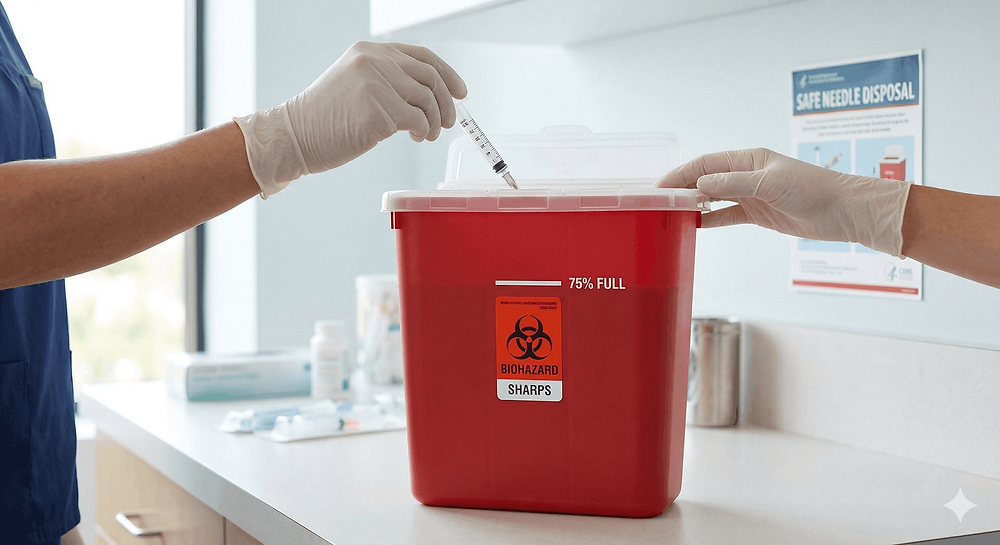
Residents are strongly encouraged to dispose of household medical waste safely, particularly used needles, lancets, and syringes, by using designated containers. The following options are recommended for safe and compliant disposal.
- Certified Sharps Containers: These commercially available containers are specifically engineered to hold sharps securely and are the preferred choice to ensure safety.
- Heavy-Duty Plastic Bottles: As an alternative, sturdy plastic bottles—such as those typically used for laundry detergent or bleach—can effectively serve as makeshift disposal containers. These containers must have a secure screw-top lid to prevent any accidental spills or exposure.
Labeling:
To enhance safety and reduce the likelihood of injury to sanitation workers and others, clearly labeling the disposal container is imperative. Residents should use a permanent marker to indicate the contents with warnings such as: “CAUTION! SYRINGES – NEEDLES. DO NOT RECYCLE!” This critical labeling step helps prevent inadvertent injuries or contamination.
Disposal:
Once used sharps have been securely stored, residents can proceed with disposal in the following ways.
- Regular Household Trash: In jurisdictions where regulations permit, the sealed container may be disposed of in the standard household trash.
- Designated Drop-off Locations: Alternatively, residents can transport the containers to specified collection sites, such as county landfills or pharmacy collection programs. Please see the Safe Needle Disposal resource for a comprehensive list of local drop-off points for safe, responsible disposal.
Commercial, Clinical & Business Biohazardous Waste Management
Regulation:
The management of regulated medical waste is governed by the Virginia Department of Environmental Quality (DEQ) under the Regulated Medical Waste Management Regulations (9VAC20-121). This framework encompasses a broad spectrum of waste types, including.
- Microbiological cultures and specimens
- Pathological waste, which includes human and animal tissues
- Sharps, such as needles and blades
- Infectious bodily fluids from both humans and animals
Storage Limits:
To prevent contamination or deterioration of regulated medical waste (RMW), any RMW stored for more than 7 days must be refrigerated. The recommended storage temperature is between 35°F and 45°F. Maintaining this temperature control is crucial to ensure the integrity of the waste and compliance with health regulations.
Disposal Method:
Businesses, clinics, and laboratories must adhere to strict disposal protocols for regulated medical waste. It is prohibited to discard RMW in standard municipal waste systems. Instead, they must.
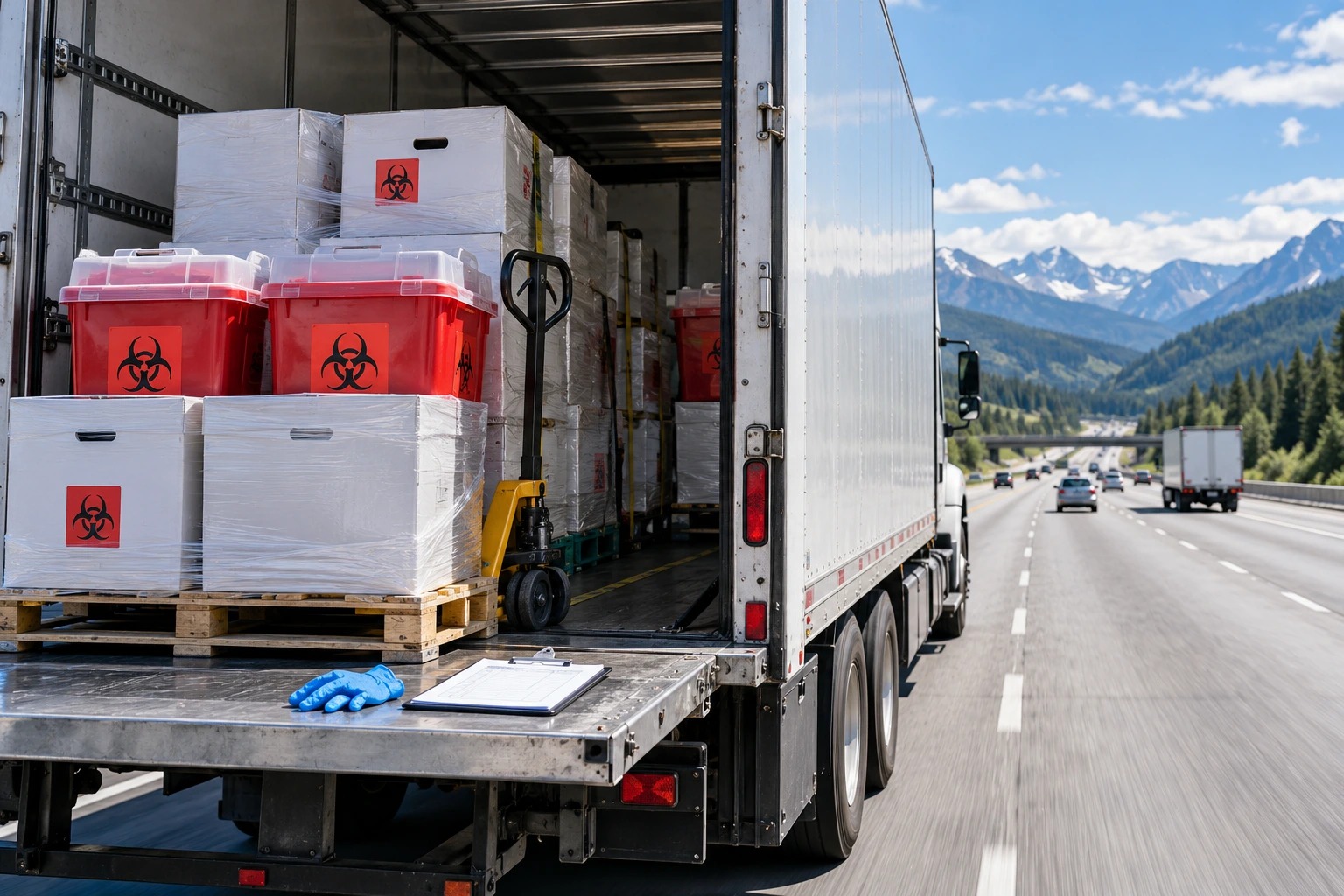
- Contract a licensed medical waste transporter who is equipped and trained to handle the disposal process safely and in compliance with regulations.
- Utilize approved treatment methods, such as incineration or autoclaving, at facilities that the DEQ authorizes.
Recordkeeping:
Organizations that generate medical waste are required to maintain detailed records to comply with regulatory standards. This includes:
- Waste manifests that accurately track the type and amount of waste generated and disposed of.
- Spill logs that document any incidents involving waste spillage, including the response actions taken.
- Employee training documentation to ensure that all staff are knowledgeable about safe handling and disposal practices, aligning with OSHA guidelines and Virginia state regulations.
If you need assistance with the disposal of medical waste—whether from a household or commercial entity—please provide the name of your city or county in Virginia. I’m happy to help you identify local drop-off options and navigate the disposal process.
Expert Medical Waste Management: With over 25 years of industry experience, Secure Waste is a trusted local leader in hazardous and biohazardous waste disposal across Maryland, Virginia, and Washington, D.C. Specializing in medical waste management, sharps needle disposal, and biohazard waste removal, the company ensures full compliance with federal, state, and local regulations while prioritizing environmental sustainability.
The company also offers additional services, including secure document shredding and sharps container sales, providing comprehensive solutions for healthcare facilities and businesses. Our cost-effective services help clients maintain regulatory compliance without unexpected costs.
With a commitment to customer satisfaction, Secure Waste offers tailored waste management plans that align with industry best practices. Their team of experts provides reliable, timely, and compliant services, making them the preferred choice for medical waste disposal. For a free waste quote or more information, visit www.securewaste.net