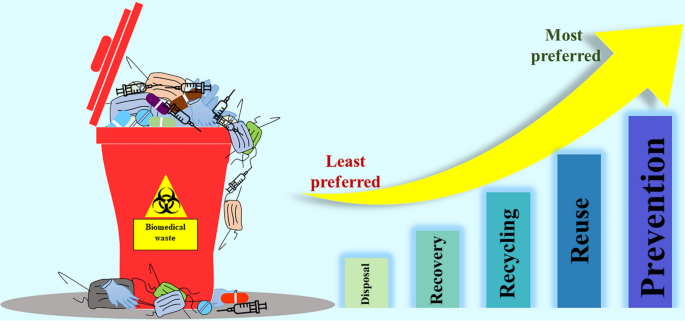
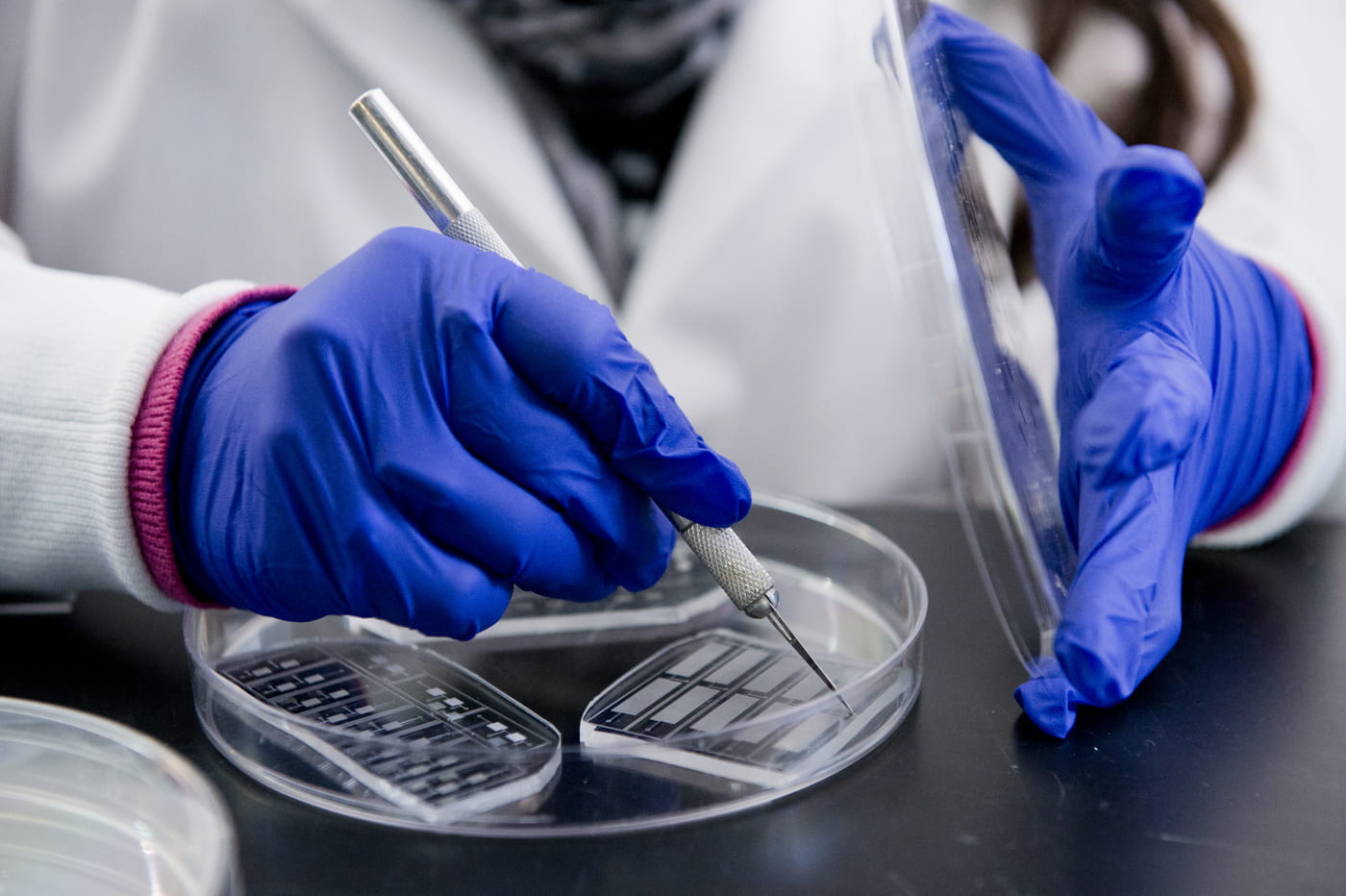
Managing biomedical waste is essential for protecting public health and our environment. Properly handling this waste not only helps prevent the spread of infectious diseases like HIV and Hepatitis but also ensures our soil and water remain uncontaminated.
When we take care to segregate, treat, and dispose of biomedical waste safely, we drastically reduce risks and promote a healthier future for everyone. Let’s adopt effective management practices and collaborate to create a safer, cleaner world!
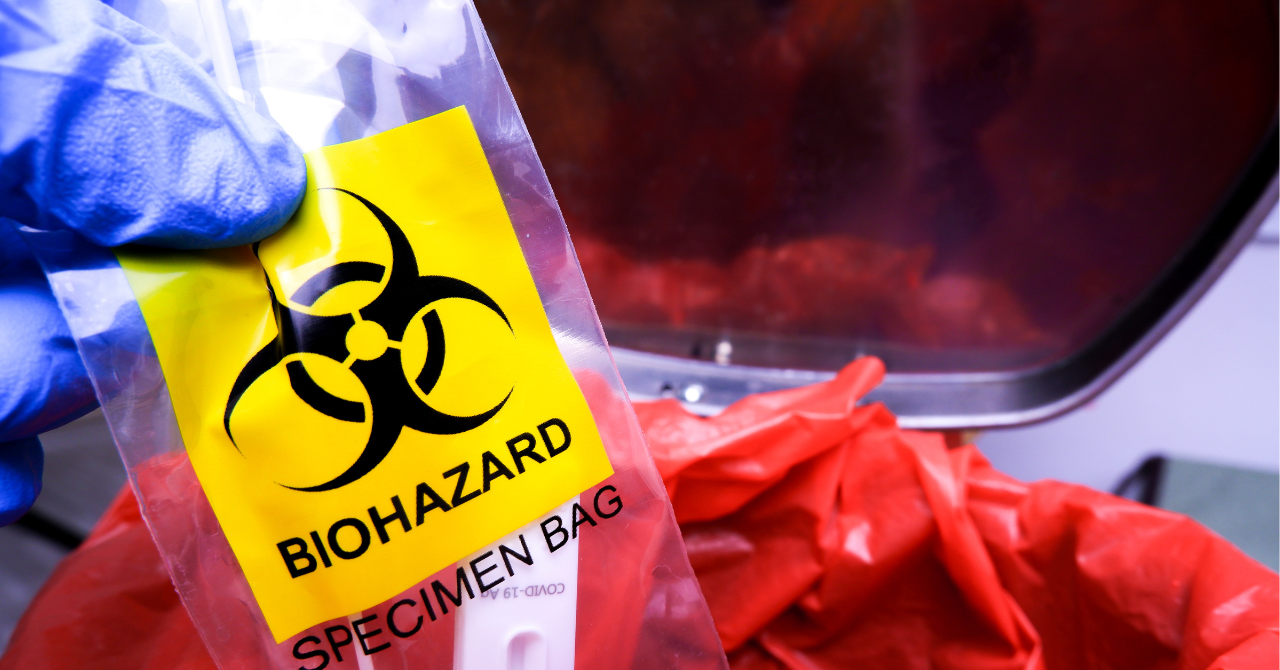
Protecting Public and Staff Health While Working With Biomedical Waste
- Preventing Infections: Diligent disposal practices are essential to prevent pathogens from entering the human body via cuts, abrasions, or ingestion, ultimately thwarting the spread of serious diseases such as HIV, Hepatitis B and C, and tuberculosis.
- Reducing Injuries: Effective management significantly lowers the risk of sharps injuries from needles and scalpels for healthcare workers, waste handlers, and the broader community, creating a safer environment for all. Implement a Biomedical waste control plan, as reviewed by Secure Waste
- Protecting the Community: Proper disposal methods act as a barrier, preventing the spread of disease-causing agents that can propagate through pests like rodents or through contaminated water supplies.
Safeguarding the Environment From Improper Biomedical Waste Disposal
- Preventing Pollution: Thoughtful management techniques prevent the infiltration of harmful microorganisms, toxic chemicals, and heavy metals into soil and groundwater, preserving natural resources for future generations.
- Reducing Air Pollution: Advanced treatment methods, such as incineration, significantly diminish the release of toxic substances like dioxins and furans into the air, enhancing air quality.
- Mitigating Climate Change: Innovative approaches, such as composting or anaerobic digestion of organic waste, contribute to reducing greenhouse gas emissions, thereby playing a role in climate change mitigation.
Ensuring Compliance and Safety
- Legal Compliance: Health facilities must adhere to stringent regulations mandated by governments, which frequently require comprehensive waste management plans to safeguard health and safety.
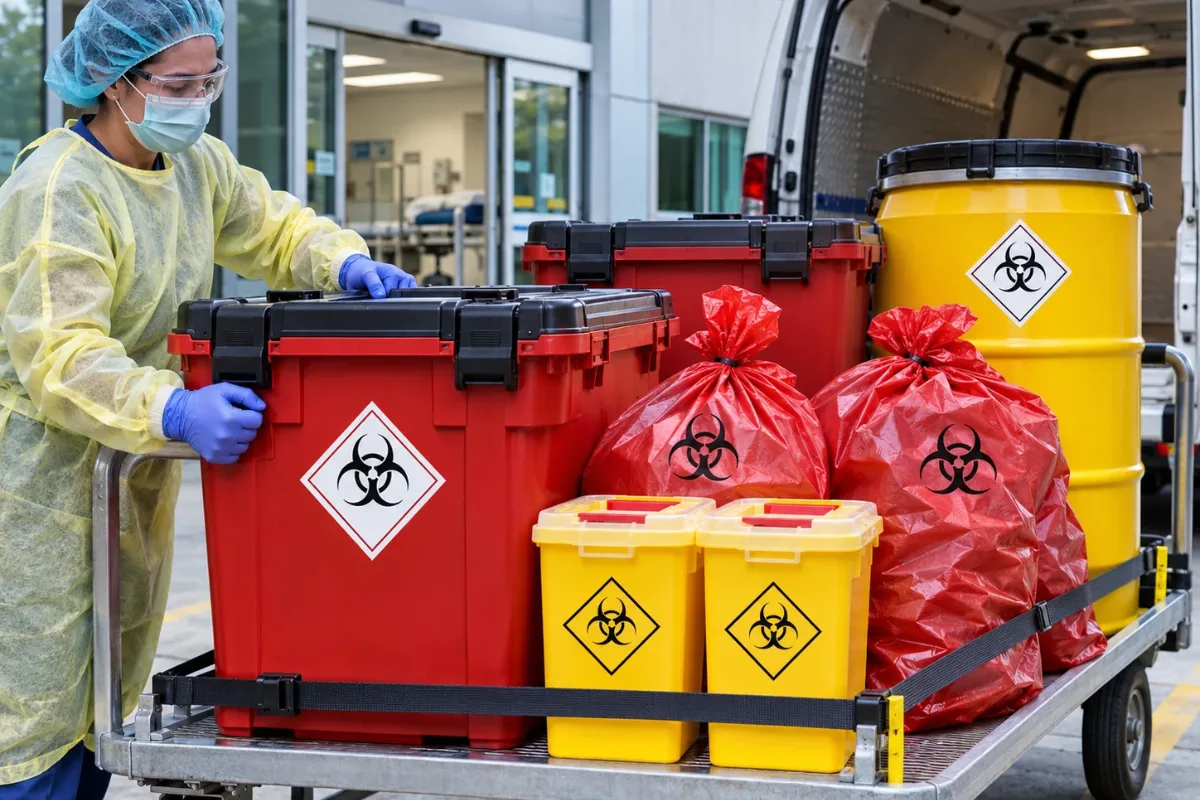
- Creating a Safer Environment: Implementing proper protocols for Biomedical waste management—including color-coded bins and on-site sterilization processes—helps cultivate a safe environment for patients, staff, and visitors alike.
Biomedical waste (BMW), generated by hospitals, healthcare facilities, and related industries, plays a crucial role in our collective health safety. What is Biomedical waste? Everything you need to know?
This type of waste often includes infectious and hazardous materials, which is why proper management is vital. Healthcare professionals need to be well-informed and proactive in their approach to BMW management, ensuring that they can effectively recognize, classify, and process this waste.
BMW can take both solid and liquid forms, originating from various medical, research, and laboratory activities. When mishandled, it poses serious infection risks not just to healthcare workers but also to patients and the broader community.
BMW encompasses several categories, including general, pathological, radioactive, chemical, infectious, sharps, pharmaceuticals, and pressurized waste.
Recent regulatory updates are designed to enhance the methods of segregation, transportation, disposal, and treatment of BMW, aiming to reduce environmental pollution significantly. Improper management can lead to substantial air, water, and soil pollution.
Therefore, comprehensive collaboration is essential, bolstered by government initiatives that support funding and infrastructure improvements. The commitment of healthcare workers and facilities remains a cornerstone in this endeavor, as does the routine monitoring of BMW.
By implementing environmentally sustainable strategies along with well-defined plans and protocols for BMW disposal, we can work towards creating a cleaner, greener environment.
This review aims to provide systematic, evidence-based insights and a thorough examination of BMW management, guiding us in this vital work. Together, with enthusiasm and dedication, we can make a positive impact on our communities and future generations.
In Conclusion:
Now that you have a more comprehensive understanding of the Biomedical waste plan and disposal, don’t hesitate to contact Secure Waste.
We provide reliable, compliant, and eco-friendly medical waste disposal solutions tailored to your facility’s needs. We have expertise in biomedical, hazardous waste, and Sharps container disposal. Additionally, we offer customized waste management plans, including secure collection and transportation, as well as sustainable disposal practices.
**Disclaimer** This information is provided for reference purposes only and should not be considered as legal advice or factual information at the time of your reading. Regulations frequently change and can vary from state to state. We encourage you to contact your local regulatory authorities or Secure Waste directly for the most current information. Please note that Secure Waste is not liable, in part or in whole, for any information contained on this page or website.
Expert Medical Waste Management: With over 25 years of industry experience, Secure Waste is a trusted local leader in hazardous and biohazardous waste disposal across Maryland, Virginia, and Washington, D.C. Specializing in medical waste management, sharps needle disposal, and biohazard waste removal, the company ensures full compliance with federal, state, and local regulations while prioritizing environmental sustainability.
The company also offers additional services, including secure document shredding and sharps container sales, providing comprehensive solutions for healthcare facilities and businesses. Our cost-effective services help clients maintain regulatory compliance without unexpected costs.
With a commitment to customer satisfaction, Secure Waste offers tailored waste management plans that align with industry best practices. Their team of experts provides reliable, timely, and compliant services, making them the preferred choice for medical waste disposal. For a free waste quote or more information, visit www.securewaste.net