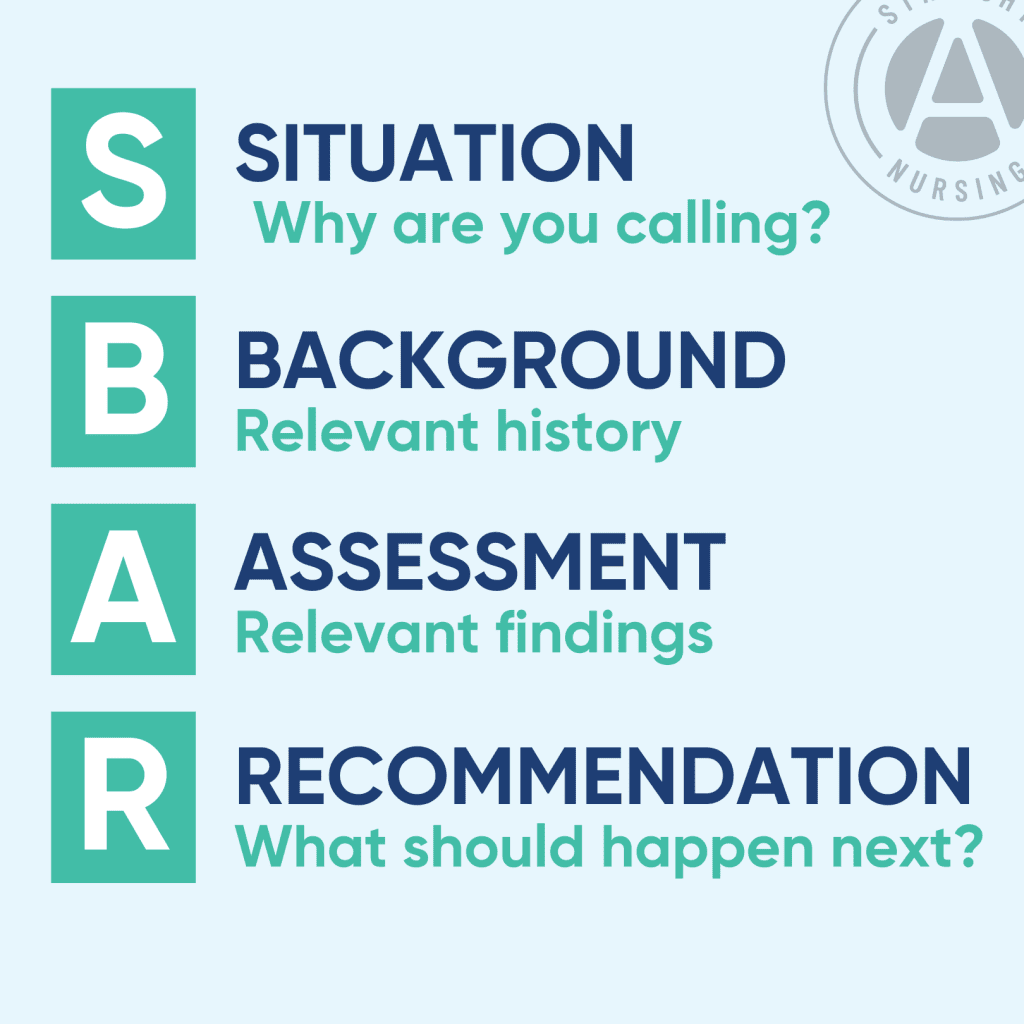
Secure Waste presents an in-depth exploration of the SBAR communication framework in healthcare, which stands for Situation, Background, Assessment, and Recommendation.
This structured method serves as a vital tool for healthcare professionals, enabling them to convey crucial patient information with clarity and precision.
By streamlining communication, SBAR plays an essential role in minimizing the risk of errors, particularly during critical moments such as transitions of care, emergencies, or consultations.
This not only enhances patient safety but also significantly improves the overall quality of care provided.
Welcome to Secure Waste Resources! We are a dedicated local medical waste disposal company proudly serving Maryland, Virginia, and Washington, D.C.
Our team is ready to assist you with any technical inquiries related to healthcare waste management and to offer comprehensive training on HIPAA, OSHA, and other essential regulatory topics.
Don’t hesitate to reach out to us for expert guidance and support!
“Free Step-By-Step Guide SBAR Everything You Need To Know From Secure Waste”
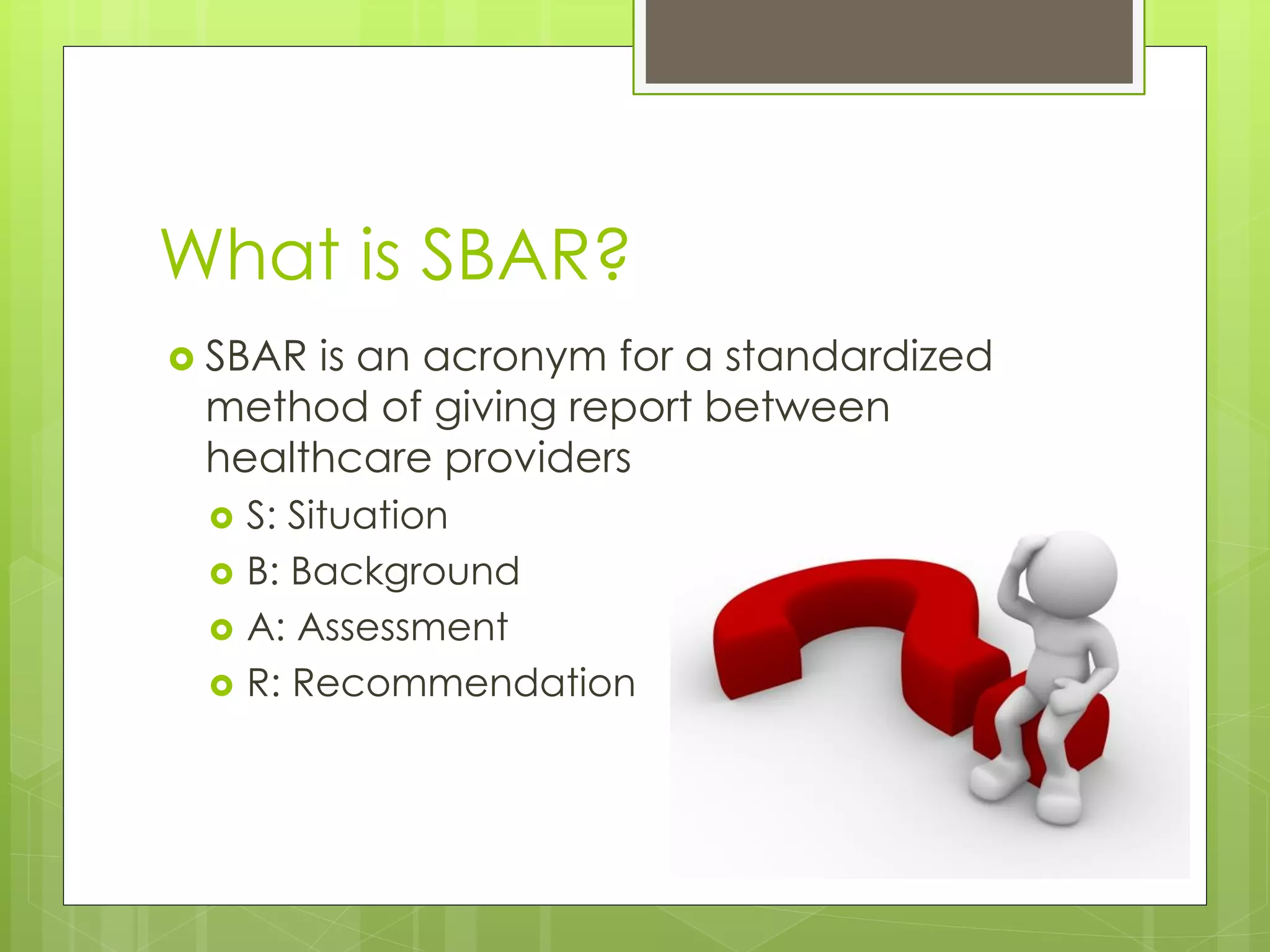
The components of the SBAR tool are defined as follows:
- S = Situation: This element provides a succinct yet comprehensive statement regarding the current issue or patient condition. It captures the essence of the problem at hand, emphasizing the urgency and context to ensure that the listener understands the immediate concerns. For instance, it could detail a patient’s altered mental status or acute respiratory distress, allowing the clinician to recognize the seriousness of the situation right away.
- B = Background: In this section, relevant context surrounding the patient’s condition is presented, which encompasses their medical history and vital clinical details. Essential information includes the admission diagnosis, current medications, previous treatments, allergies, and pertinent lab results. This background not only enriches the discussion but also helps to illuminate potential factors contributing to the current situation, giving the receiving clinician a holistic view of the patient’s health status.
- A = Assessment: This part involves a precise clinical evaluation and interpretation of the patient’s condition based on the information provided in the earlier sections. It reflects your professional judgment, incorporating findings from physical assessments, imaging studies, or laboratory evaluations. This interpretation is vital, as it conveys the clinical implications of the current situation and may highlight potential complications, thereby enabling an informed discussion of necessary interventions.
- R = Recommendation: The final component articulates a proposed course of action or specific request for what needs to transpire next in the patient’s care. This clear direction is instrumental in facilitating timely interventions, such as additional diagnostic tests, changes to treatment plans, or consultations with specialists. By providing definitive recommendations, the communicating clinician ensures that all team members understand their roles and responsibilities, thereby promoting cohesive, coordinated care.
Initially developed by the U.S. Navy to enhance communication effectiveness in high-stakes situations, the SBAR framework was thoughtfully adapted for the healthcare setting to improve patient safety and standardize dialogue among healthcare providers. By employing this structured approach, practitioners can foster collaborative teamwork, encourage accountability, and ultimately improve overall patient outcomes in diverse clinical scenarios.
Expert Medical Waste Management: With over 25 years of industry experience, Secure Waste is a trusted local leader in hazardous and biohazardous waste disposal across Maryland, Virginia, and Washington, D.C. Specializing in medical waste management, sharps needle disposal, and biohazard waste removal, the company ensures full compliance with federal, state, and local regulations while prioritizing environmental sustainability.
The company also offers additional services, including secure document shredding and sharps container sales, providing comprehensive solutions for healthcare facilities and businesses. Our cost-effective services help clients maintain regulatory compliance without unexpected costs.
With a commitment to customer satisfaction, Secure Waste offers tailored waste management plans that align with industry best practices. Their team of experts provides reliable, timely, and compliant services, making them the preferred choice for medical waste disposal. For a free waste quote or more information, visit www.securewaste.net