
Have You Ever Wondered What Environmental Waste Controls Are? Expert Guide From Secure Waste Solutions
Environmental waste controls comprise a comprehensive, multifaceted array of regulations, innovative technologies, and best practices, meticulously designed to manage pollution, minimize adverse ecological impacts, and ensure the safe handling of waste from its inception to final disposal—a concept widely known as “cradle-to-grave.”
These controls are critical in fostering a sustainable approach to waste management, exemplified-
by the U.S. Environmental Protection Agency’s (EPA) Resource Conservation and Recovery Act (RCRA) regulations.
This legislative framework is essential for promoting environmental stewardship and protecting public health.
The overarching goals of these initiatives not only focus on reducing waste generation but also on advancing recycling efforts and implementing sophisticated engineering solutions, such as composite landfill liners explicitly engineered to prevent the contamination of air, water, and soil.

With our oceans facing increasing threats from pollution implementing effective environmental waste controls is crucial These measures not only help reduce harmful waste but also play a vital role in preserving marine ecosystems By taking action to minimize waste and promote sustainable practices we can ensure cleaner healthier oceans for future generations Lets dive into how these controls are making waves in the fight to save our seas
Welcome to Secure Waste, your premier local healthcare waste management company.
With 30 years of dedicated experience in the waste management sector, we specialize in the safe and compliant disposal of biohazardous materials, including sharps and other medical waste.
Our team is committed to providing expert consulting services tailored to a diverse range of partners in Maryland, Washington, D.C., and Virginia.
We prioritize environmental controls and sustainable practices in all our operations, ensuring that your healthcare facility not only meets regulatory standards but also contributes to a safer, healthier community. Let’s explore the best solutions for your waste management needs together.
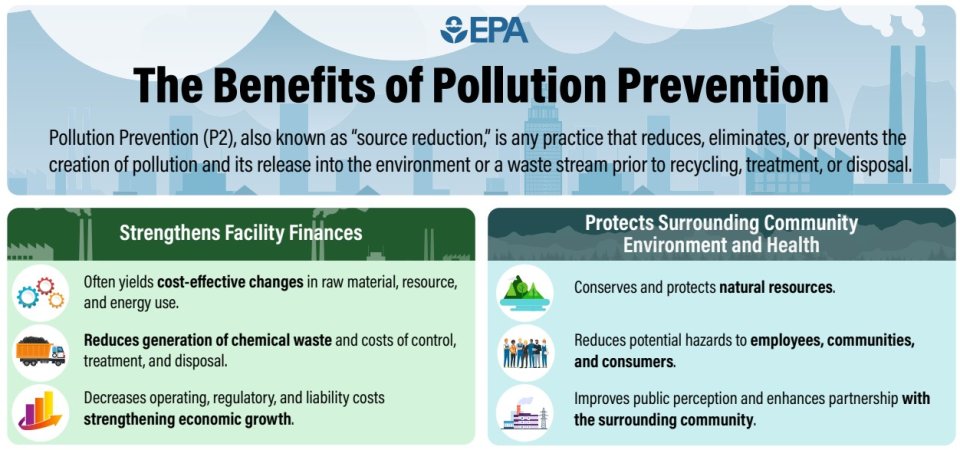
The fundamental components of environmental waste controls include:
- Regulatory Frameworks: Legislation, such as the Resource Conservation and Recovery Act (RCRA), provides a robust legal foundation that empowers federal and state authorities to oversee the management of both hazardous and non-hazardous solid waste effectively. These frameworks establish clear guidelines for waste classification—delineating hazardous from non-hazardous materials—alongside handling protocols and enforcement mechanisms to ensure compliance. This structure is designed to safeguard environmental integrity by holding waste generators accountable and mitigating the risks associated with improper waste management.
- Waste Management Hierarchy: This critical framework emphasizes a tiered approach to waste management, prioritizing strategies that begin with source reduction to minimize waste generation, followed by reuse and recycling, then recovery, with disposal regarded as a last resort. By encouraging practices that conserve resources, this hierarchy reduces reliance on landfills and promotes a circular economy in which materials are continually repurposed rather than disposed of.
- Engineering Controls: A wide variety of physical barriers and systems are employed in waste management to contain pollutants effectively. For instance, caps and covers on landfills are explicitly designed to limit exposure to airborne contaminants and moisture infiltration. At the same time, high-density polyethylene (HDPE) liners in wastewater lagoons prevent leachate from migrating into and contaminating groundwater supplies. Advanced treatment methods, including biological treatment processes—where microorganisms break down waste—and stabilization techniques that bind hazardous materials into inert forms, are also employed further to mitigate the harmful effects of various waste streams.
- Treatment and Disposal Methods: A diverse array of technologies and methodologies is leveraged to neutralize, stabilize, or safely store waste effectively. Incineration, for example, significantly reduces waste volume while generating energy through controlled combustion processes. Composting transforms organic waste into nutrient-rich soil amendments through aerobic decomposition, enhancing soil health and promoting sustainable agriculture. Additionally, landfilling involves the scientific design and engineering of sites, including the construction of leachate and gas collection systems, to manage waste securely and comply with stringent regulatory standards that ensure hazardous materials are handled responsibly.
- Monitoring and Compliance: Ongoing tracking, assessment, and reporting of waste generation, emissions, and environmental impacts are critical activities that help maintain compliance with regulatory standards. This involves regular inspections, environmental assessments, and audits conducted by authorized agencies, ensuring waste management practices protect public health while effectively mitigating ecological risks associated with waste disposal activities.
- Specialized Controls: Tailored measures are implemented for the management of specific categories of waste, such as radioactive materials, hazardous substances, and industrial mineral waste. These specialized controls are designed to address the unique challenges posed by each waste type, incorporating rigorous testing, treatment, and reporting protocols that minimize health and environmental risks. For example, hazardous waste may be treated using chemical neutralization or detoxification methods to render it safe for disposal.
- Transboundary Controls: International regulatory frameworks, including the Basel Convention, oversee the movement of waste across borders, establishing stringent guidelines for the transboundary shipping of hazardous waste. These frameworks ensure that recovery operations comply with strict environmental standards, requiring exporting nations to take responsibility for the safe handling and disposal of their waste, thereby minimizing potential ecological harm in receiving countries.
These robust environmental waste controls are essential not only for protecting public health and preserving ecological integrity, but also for reducing reliance on landfills and mitigating the risks posed by toxic materials.
By fostering a culture of sustainability and responsible waste management through comprehensive policies and practices, these measures significantly contribute to building a more sustainable future for all.
In Conclusion:
Secure Waste will save you money on biomedical waste disposal. We understand these hazards.
Staying informed and proactive is vital as new biological challenges arise. Together, we can prioritize health and safety, increase awareness, and promote responsible actions to create a healthier future for all!
We provide reliable, compliant, and environmentally friendly biomedical waste disposal solutions tailored to your facility’s specific needs.
Disclaimer: This information is provided for reference purposes only and should not be considered as legal advice or factual information at the time of your reading. Regulations frequently change and can vary from state to state. We encourage you to contact your local regulatory authorities or Secure Waste directly for the most current information. Please note that Secure Waste is not liable, in part or in whole, for any information contained on this page or website.
Expert Medical Waste Management: With over 25 years of industry experience, Secure Waste is a trusted local leader in hazardous and biohazardous waste disposal across Maryland, Virginia, and Washington, D.C. Specializing in medical waste management, sharps needle disposal, and biohazard waste removal, the company ensures full compliance with federal, state, and local regulations while prioritizing environmental sustainability.
The company also offers additional services, including secure document shredding and sharps container sales, providing comprehensive solutions for healthcare facilities and businesses. Our cost-effective services help clients maintain regulatory compliance without unexpected costs.
With a commitment to customer satisfaction, Secure Waste offers tailored waste management plans that align with industry best practices. Their team of experts provides reliable, timely, and compliant services, making them the preferred choice for medical waste disposal. For a free waste quote or more information, visit www.securewaste.net