
Secure Waste is excited to announce a special initiative in recognition of Earth Day 2026. We aim to highlight and explore innovative strategies that healthcare organizations can implement to reduce their environmental impact significantly.
By focusing on sustainability practices, we aspire to promote a healthier planet while simultaneously protecting the communities we serve.
Our goal is to engage healthcare professionals and organizations in meaningful discussions and actions that foster a greener future, ensuring that the healthcare sector plays a pivotal role in environmental stewardship.
Through collaboration and shared ideas, we can create actionable pathways to enhance sustainability within healthcare, ultimately benefiting both the environment and public health.
Welcome to Secure Waste, the premier biohazard and medical waste disposal company serving the DMV area.
With over 30 years of combined experience in healthcare waste management across Washington D.C., Maryland, and Virginia, we are dedicated to providing safe, efficient, and environmentally responsible disposal solutions.
As we celebrate Earth Day, we invite you to join us in our commitment to a healthier planet. Together, we can ensure that medical and biohazard waste is managed properly, reducing our environmental footprint and promoting sustainability. Let’s work collaboratively for a brighter, cleaner Earth!
Earth Day 2026: A Chance to Invest in Our Planet
Earth Day 2026 serves as an important reminder that protecting the environment is not a once-a-year activity but an ongoing responsibility shared by individuals, businesses, and institutions alike.
With the theme “Invest in Our Planet,” this year’s observance highlights the urgent need to take meaningful action that safeguards human health, natural resources, and future generations.
Healthcare organizations, in particular, play a critical role in this effort. While their primary mission is to care for people, their operations can have a significant environmental footprint if sustainability is not intentionally embedded into daily practices.
By adopting responsible waste management, reducing emissions, and committing to long-term environmental stewardship, healthcare organizations can become powerful allies in building a healthier planet.
How Healthcare Organizations Affect the Environment
Hospitals, long-term care facilities, ambulatory centers, and clinics generate substantial volumes of waste every year as they deliver essential medical services.
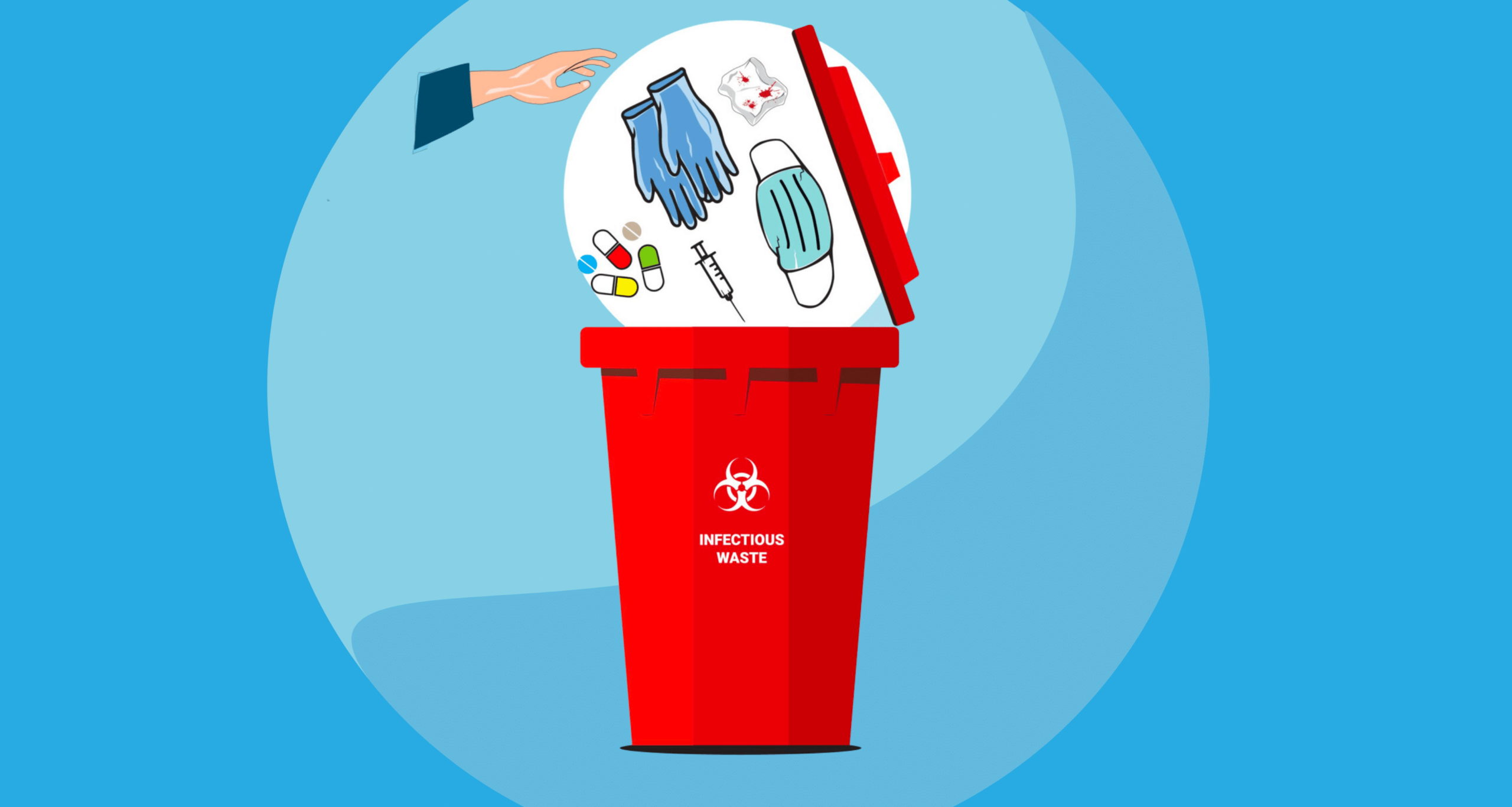
This waste includes regulated medical waste, pharmaceuticals, sharps, packaging materials, and general refuse. Without proper segregation and disposal practices, these materials can contaminate soil, waterways, and surrounding communities.
Improper disposal of pharmaceuticals, for example, can introduce harmful compounds into ecosystems, while untreated medical waste can pose infection risks to both people and wildlife.
Beyond waste generation, healthcare organizations often operate on large campuses that consume substantial energy and water. From climate control systems to advanced medical equipment, these facilities require constant power, contributing to greenhouse gas emissions.
Globally, the healthcare sector is responsible for a significant share of carbon emissions. In the United States alone, healthcare activities account for a substantial share of annual carbon dioxide emissions.
These realities underscore why sustainability is no longer optional for healthcare organizations Environmental responsibility is closely linked to public health, community trust, and long-term operational resilience.
Why Sustainability Matters in Healthcare
Environmental sustainability and human health are deeply interconnected. Pollution, climate change, and resource depletion directly influence respiratory conditions, water quality, food security, and disease patterns. When healthcare organizations reduce their environmental impact, they protect natural ecosystems and support healthier communities. Sustainable practices can also enhance operational efficiency, reduce costs over time, and strengthen compliance with evolving environmental regulations. By viewing sustainability as an extension of patient care, healthcare leaders can align environmental goals with their core mission.
Supporting Sustainability Through Responsible Waste Management
One of the most impactful ways healthcare organizations can invest in the planet is by improving waste management practices. Proper segregation ensures that recyclable materials are not unnecessarily sent to landfills and that regulated medical waste receives the specialized treatment it requires. Reusable container systems can significantly reduce plastic waste compared to single-use alternatives, lowering landfill contributions while maintaining safety and compliance.
Disposal of confidential information also contributes to sustainability. Secure document destruction and recycling programs help protect sensitive data while returning valuable paper fibers into the circular economy. Recycling large volumes of office paper reduces the demand for virgin materials, conserving trees, water, and energy. Over time, these efforts contribute to measurable environmental benefits that extend well beyond individual facilities.
Addressing Pharmaceutical and Medical Waste Responsibly
Unused and expired medications present a unique environmental challenge. When pharmaceuticals are discarded improperly, they can enter landfills or water systems, where conventional treatment processes may not fully neutralize them. Responsible pharmaceutical waste programs help ensure these substances are destroyed safely, preventing environmental contamination and reducing the risk of misuse or diversion.
Regulated medical waste requires careful handling due to its potential infectious nature. Proper treatment and disposal prevent harmful materials from reaching the public or the environment. By partnering with experienced waste management providers and following established protocols, healthcare organizations can confidently manage these waste streams while minimizing ecological impact.
Reducing Environmental Impact Through Operational Improvements
Sustainability efforts extend beyond waste disposal. Many healthcare organizations are taking steps to reduce energy consumption by upgrading lighting systems, optimizing heating and cooling, and improving building efficiency. Transitioning to energy-efficient technologies not only lowers emissions but can also reduce operating costs over time. Monitoring resource usage and setting measurable reduction targets allows organizations to track progress and identify additional opportunities for improvement.
Transportation and logistics also influence environmental performance. Optimizing service routes and reducing unnecessary trips can lower fuel consumption and emissions. These operational efficiencies contribute to broader sustainability goals while maintaining service reliability.
Supporting Environmental Causes and Community Well-Being
Environmental stewardship often includes supporting conservation initiatives that protect natural resources and biodiversity.
Partnerships focused on habitat restoration, waterway protection, and conservation education help extend the impact of sustainability efforts beyond organizational boundaries. Protecting green spaces and natural environments supports mental and physical well-being, reinforcing the connection between environmental health and community quality of life.
Healthcare organizations that engage in environmental partnerships demonstrate leadership and commitment to the communities they serve. These efforts can strengthen public trust and inspire others to take action, amplifying the overall impact.
Making Sustainability a Year-Round Commitment
Earth Day provides an opportunity to reflect, but meaningful progress requires sustained action throughout the year. Establishing a sustainability steering committee can help organizations coordinate efforts, assess current practices, and set achievable goals. This group can review waste management programs, evaluate recycling initiatives, and explore ways to reduce energy and water use. Engaging staff at all levels fosters a culture of accountability and innovation, ensuring sustainability remains a shared priority.
Education and communication are equally important. When employees understand how their daily actions contribute to environmental goals, they are more likely to participate actively in sustainability initiatives. Small changes, when multiplied across large organizations, can produce significant results.
Looking Ahead
Investing in the planet is an investment in public health, organizational resilience, and future generations. Healthcare organizations are uniquely positioned to lead by example, demonstrating that high-quality care and environmental responsibility can go hand in hand. By committing to sustainable waste management, reducing resource consumption, and supporting conservation efforts, healthcare leaders can help create a safer, healthier world.
Earth Day 2026 serves as a reminder that progress is possible when organizations take deliberate steps toward sustainability. By turning reflection into action and maintaining year-round commitment, healthcare organizations can play a vital role in protecting the environment while continuing to care for the people who depend on them every day.
Welcome to Secure Waste, the premier biohazard and medical waste disposal company serving the DMV area. With over 30 years of combined experience in healthcare waste management across Washington D.C., Maryland, and Virginia, we are dedicated to providing safe, efficient, and environmentally responsible disposal solutions.
As we celebrate Earth Day, we invite you to join us in our commitment to a healthier planet. Together, we can ensure that medical and biohazard waste is managed properly, reducing our environmental footprint and promoting sustainability. Let’s work collaboratively for a brighter, cleaner Earth!
Expert Medical Waste Management: With over 25 years of industry experience, Secure Waste is a trusted local leader in hazardous and biohazardous waste disposal across Maryland, Virginia, and Washington, D.C. Specializing in medical waste management, sharps needle disposal, and biohazard waste removal, the company ensures full compliance with federal, state, and local regulations while prioritizing environmental sustainability.
The company also offers additional services, including secure document shredding and sharps container sales, providing comprehensive solutions for healthcare facilities and businesses. Our cost-effective services help clients maintain regulatory compliance without unexpected costs.
With a commitment to customer satisfaction, Secure Waste offers tailored waste management plans that align with industry best practices. Their team of experts provides reliable, timely, and compliant services, making them the preferred choice for medical waste disposal. For a free waste quote or more information, visit www.securewaste.net