Are Dentist Considered Doctors? Yes, They Are: Expert Answers From Secure Waste Solutions
Secure Waste explains that yes, Dentists are indeed classified as doctors, holding a vital and specialized role within the healthcare system. Have you ever considered whether dentists actually fit the definition of doctors?
The title “Dr.” indicates a level of professionalism comparable to that of medical practitioners. Dentists hold doctoral degrees, allowing them to be called “doctors.” Secure Waste states, however, that the distinctions between dentists and medical doctors add complexity to this issue.
This article explores the various professions entitled to the “doctor” title and why not all individuals with this designation should be viewed equally in healthcare.
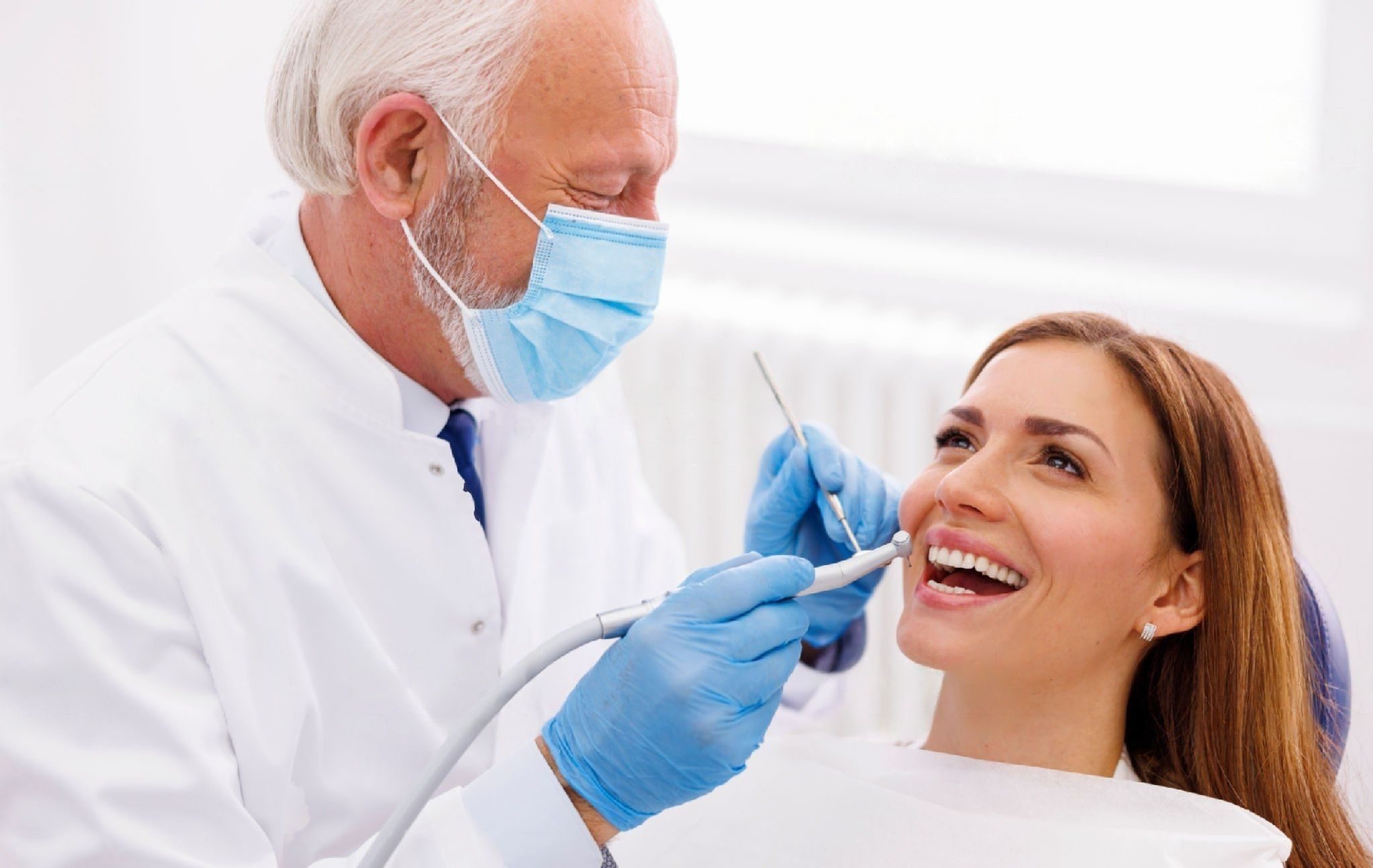
After completing a bachelor’s degree, aspiring dentists embark on a rigorous four-year dental school program, ultimately earning either a Doctor of Dental Surgery (DDS) or a Doctor of Dental Medicine (DMD) degree.
Although these degrees differ in title, they are equivalent in terms of educational rigor and clinical competency. Unlike medical doctors (MDs), who diagnose and treat a broad range of conditions affecting the entire body, dentists focus on diagnosing and treating conditions of the teeth, gums, and oral cavity.
Welcome to Secure Waste, a leading provider of Dental waste disposal services in Maryland, Virginia, and Washington, D.C.
We collaborate with dentists and dental clinics across the DMV, serving hundreds of clients with proper, safe sharps disposal, whom we consider valued partners, including dental professionals and medical doctors.
These experienced clinicians are among the best in the country and recognize the importance of our waste disposal services in maintaining compliance, enabling them to focus on patient care. Let’s explore the relationship between dentists and doctors further.

Key Facts about Dentists and Their Vital Role in Healthcare
- Education & Training: The education of dentists involves a comprehensive curriculum in dental school that covers a wide array of subjects, including human anatomy, oral biology, physiology, pharmacology, and pathology. This rigorous training includes extensive classroom instruction alongside hands-on clinical practice, where students learn to perform a variety of procedures, from routine cleanings to complex surgeries. Additionally, dental students complete internships and rotations across various specialties, gaining exposure to fields such as orthodontics, periodontics, and oral surgery, which help build their skill set and confidence.
- Doctoral Designation: The DDS and DMD degrees denote the same level of expertise and thorough training in dental care. This doctoral designation allows dentists to use the title “Doctor,” a recognition of their extensive education and commitment to oral and maxillofacial health. This title reinforces their authority in oral medicine and emphasizes their integral role in promoting overall health and well-being.

- Specialization: Dentists are trained to identify not only oral health issues but also systemic health conditions that may manifest through oral signs and symptoms. For example, they play a crucial role in diagnosing conditions such as diabetes, which can lead to gum disease, and hypertension, which may present symptoms like oral lesions. Through routine examinations, dentists can also detect early signs of oral cancers and other severe health conditions, facilitating early intervention and treatment, often before these conditions are recognized in general medical settings.
- Scope of Practice: While dentists primarily focus on issues relating to the mouth, jaw, and facial structures, their extensive training enables them to act as key healthcare providers. They routinely collaborate with medical doctors, specialists, and other healthcare professionals to deliver an integrated approach to patient care that encompasses both oral and overall health needs. This multidisciplinary collaboration helps address systemic issues linked to oral health, thereby enhancing comprehensive patient care.
In summary, dentists are specialized practitioners of oral medicine, playing an essential role in maintaining and promoting overall health through oral care.
Their work enhances individual well-being, improves quality of life, and contributes significantly to public health by preventing oral diseases, facilitating early detection of more serious health issues, and promoting health education to encourage preventive measures within the community.
In Conclusion:
Secure Waste will save you money on biomedical waste disposal. We understand these hazards.
Staying informed and proactive is vital as new biological challenges arise. Together, we can prioritize health and safety, increase awareness, and promote responsible actions to create a healthier future for all!
We provide reliable, compliant, and environmentally friendly biomedical waste disposal solutions tailored to your facility’s specific needs.
Disclaimer: This information is provided for reference purposes only and should not be considered as legal advice or factual information at the time of your reading. Regulations frequently change and can vary from state to state. We encourage you to contact your local regulatory authorities or Secure Waste directly for the most current information. Please note that Secure Waste is not liable, in part or in whole, for any information contained on this page or website.
Expert Medical Waste Management: With over 25 years of industry experience, Secure Waste is a trusted local leader in hazardous and biohazardous waste disposal across Maryland, Virginia, and Washington, D.C. Specializing in medical waste management, sharps needle disposal, and biohazard waste removal, the company ensures full compliance with federal, state, and local regulations while prioritizing environmental sustainability.
The company also offers additional services, including secure document shredding and sharps container sales, providing comprehensive solutions for healthcare facilities and businesses. Our cost-effective services help clients maintain regulatory compliance without unexpected costs.
With a commitment to customer satisfaction, Secure Waste offers tailored waste management plans that align with industry best practices. Their team of experts provides reliable, timely, and compliant services, making them the preferred choice for medical waste disposal. For a free waste quote or more information, visit www.securewaste.net