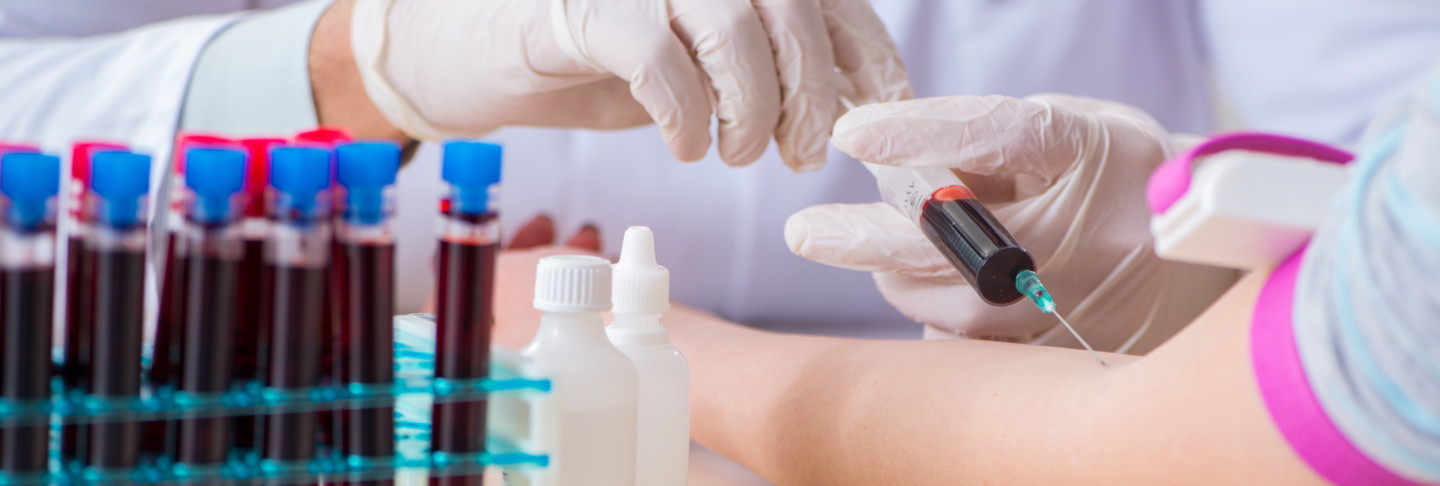
Safe Handling of Medical Sharps Waste: Healthcare Safety Guide
Welcome to Secure Waste, a premier leader in the management of Sharps waste, proudly serving Maryland, Virginia, and Washington, D.C. With over 30 years of industry experience, Secure Waste specializes in comprehensive healthcare waste management. It provides expertly designed sharps containers tailored to the unique needs of healthcare providers, from small clinics to large hospitals.
Our commitment to safety and regulatory compliance ensures that your sharps disposal is handled with the utmost care and efficiency. We understand the critical importance of proper disposal methods to minimize the risk of injury and environmental impact, which is why we adhere to all federal, state, and local regulations surrounding healthcare waste management.
In addition to our high-quality sharps containers, we offer flexible waste pickup services that can be scheduled to fit your operational needs, whether on a regular or as-needed basis. Our trained professionals are dedicated to providing exceptional service and support to ensure that your practice remains compliant and safe.
If you’re seeking reliable and effective sharps management solutions in Maryland, D.C., or Virginia, do not hesitate to contact Secure Waste today at 877-633-7328. Your safety is our top priority, and we are here to help you navigate the complexities of healthcare waste disposal with confidence and peace of mind.
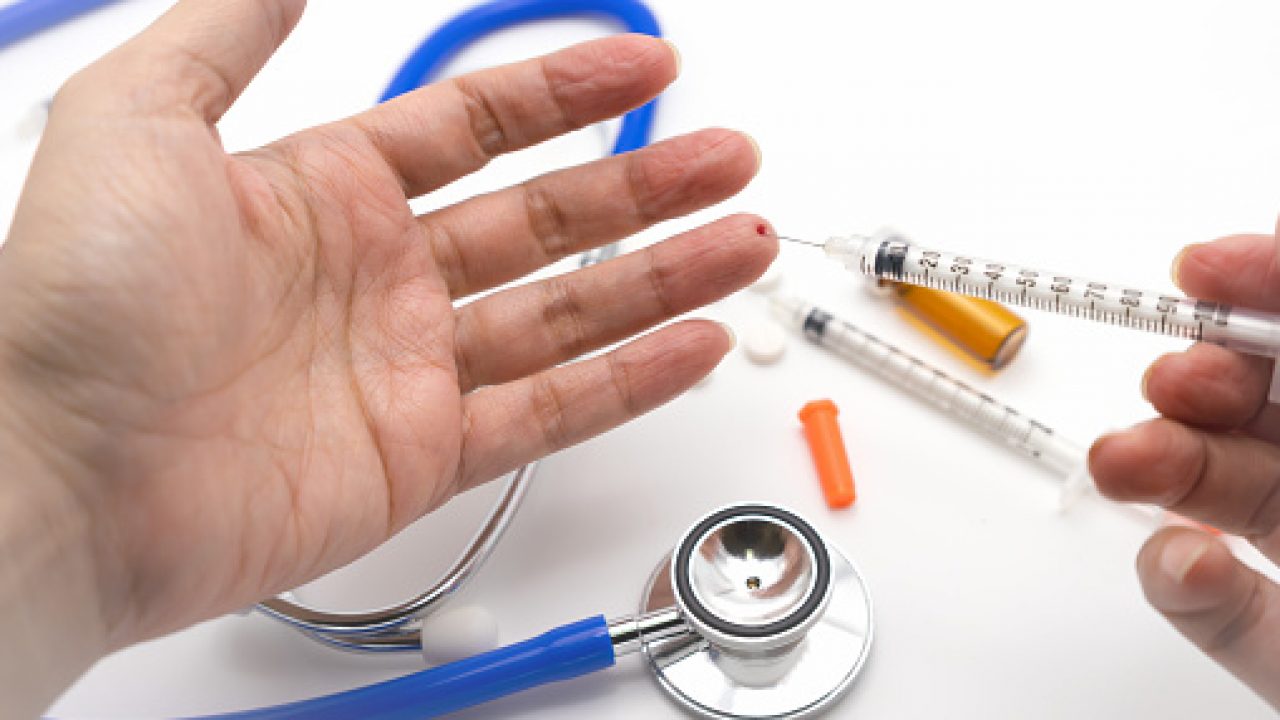
SAFE HANDLING OF MEDICAL SHARPS WASTE
Safety remains a cornerstone of effective patient care across every healthcare setting, including hospitals, outpatient clinics, pharmacies, dialysis centers, nursing homes, and home-based care environments. Unsafe working conditions increase stress, accelerate burnout, and directly impact patient outcomes. In 2026, healthcare organizations continue to face staffing challenges, underscoring the need to prioritize employee protection and operational safety. Secure Waste supports healthcare facilities by helping embed safe sharps handling and compliant waste management into everyday workflows.
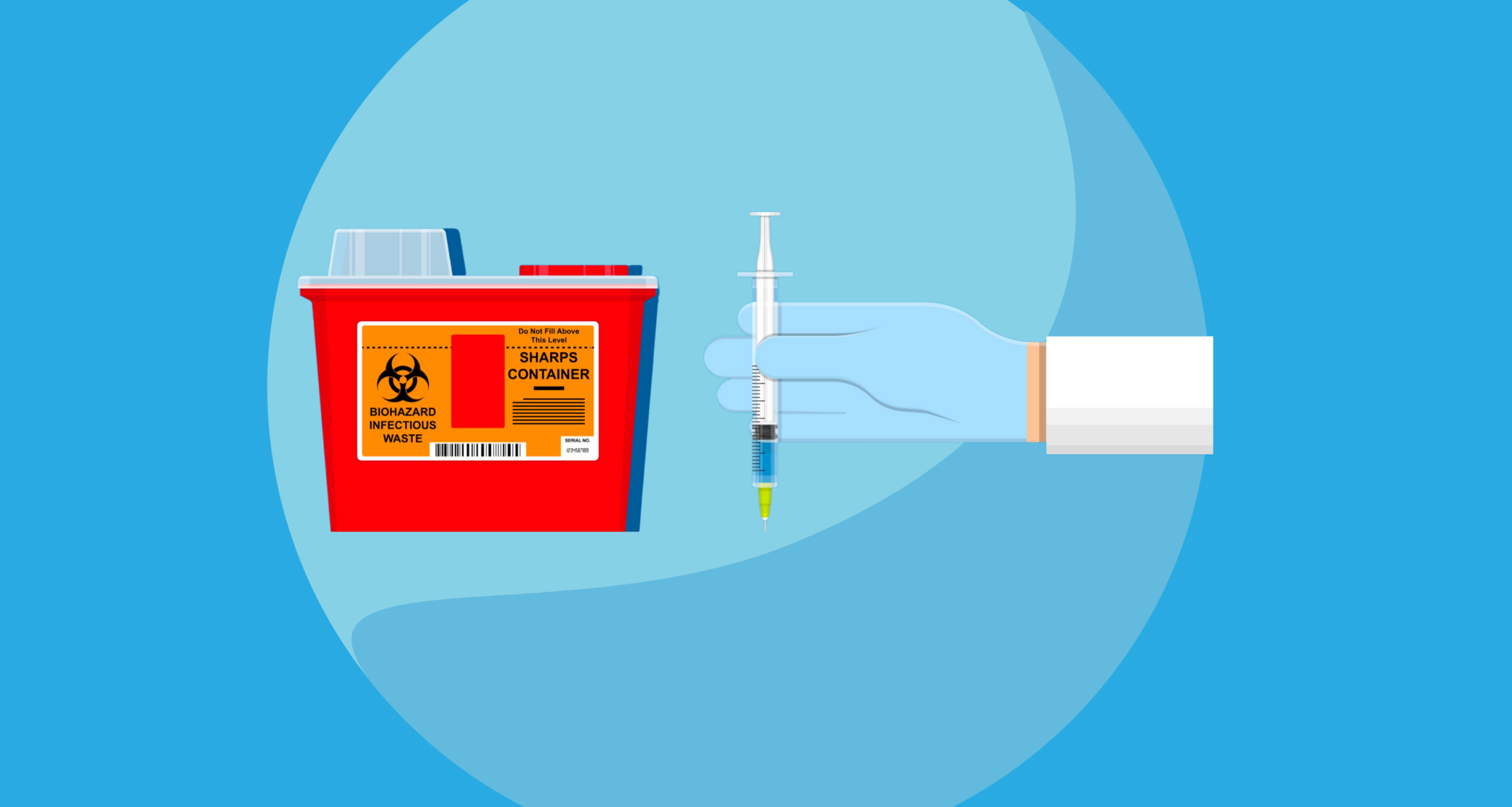
WHY SHARP SAFETY MATTERS IN HEALTHCARE?
Medical waste management plays a critical role in creating safe and efficient healthcare environments. Studies consistently show that healthcare professionals view effective waste management as essential to delivering high-quality care and protecting staff. Improperly managed sharps waste not only threatens physical safety but also contributes to anxiety, fatigue, and decreased morale among healthcare workers. Secure Waste emphasizes that sharps safety is not a standalone task but a system-wide responsibility that impacts staff retention, patient trust, and regulatory compliance.

WHAT QUALIFIES AS MEDICAL SHARPS WASTE?
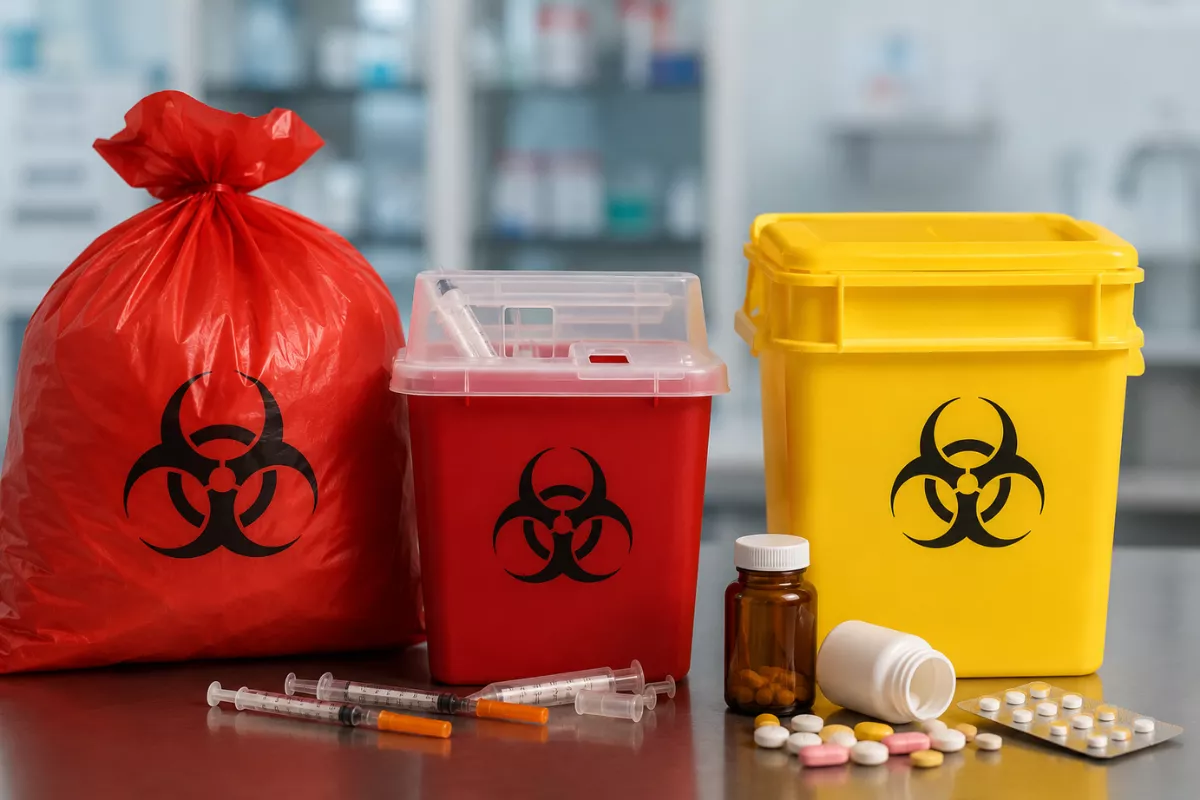
Medical sharps waste includes any contaminated or potentially contaminated object capable of puncturing the skin. Common examples include hypodermic needles, syringes, scalpels, lancets, and exposed dental wires. Sharps waste is generated in a wide range of settings, from large medical centers to retail pharmacies and patient homes. Because sharps are used in fast-paced environments, improper handling or disposal can quickly lead to injury. Secure Waste helps healthcare organizations standardize sharps disposal practices across all points of care.
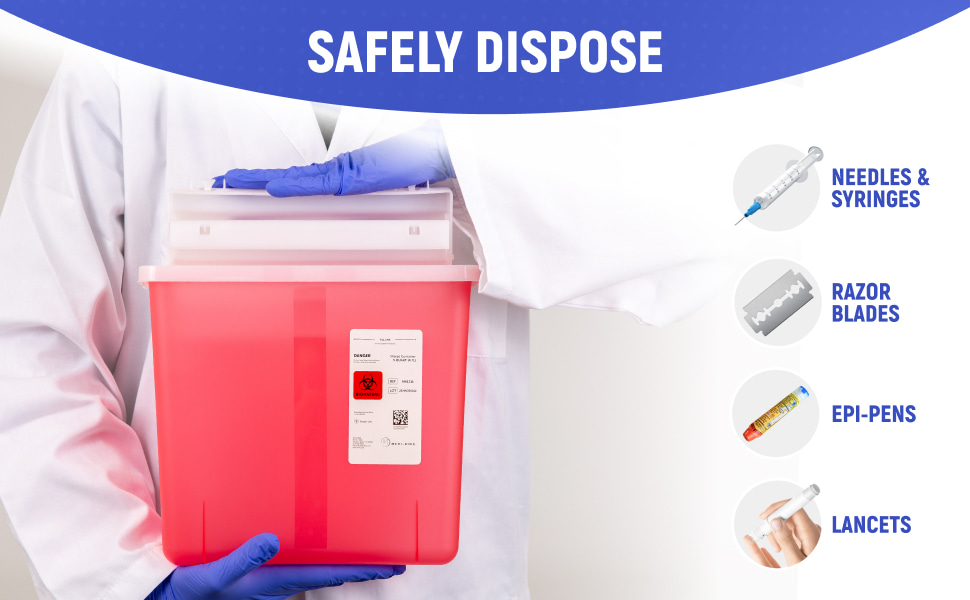
Medical sharps waste refers to any items used in medical practices that can puncture, cut, or otherwise cause injury. This category typically includes needles, syringes, scalpel blades, and broken glass from laboratory equipment. These materials are considered hazardous due to their potential to carry infectious agents and pose serious safety risks. Proper disposal of medical sharps is critical to prevent injuries and ensure public health, making it an essential aspect of healthcare waste management.
THE SCOPE OF SHARPS-RELATED INJURIES
Sharps injuries remain one of the most common occupational hazards in healthcare. Hundreds of thousands of needlestick and sharps-related injuries occur annually among hospital-based healthcare personnel alone. These injuries carry the risk of transmitting bloodborne pathogens such as HIV, hepatitis B, and hepatitis C. Beyond the physical dangers, exposure incidents create significant emotional stress for employees. They can lead to costly medical treatment, lost work time, and potential legal exposure. Secure Waste works with healthcare leaders to reduce these risks through consistent, compliant sharps management strategies.
REGULATORY REQUIREMENTS AND OSHA EXPECTATIONS
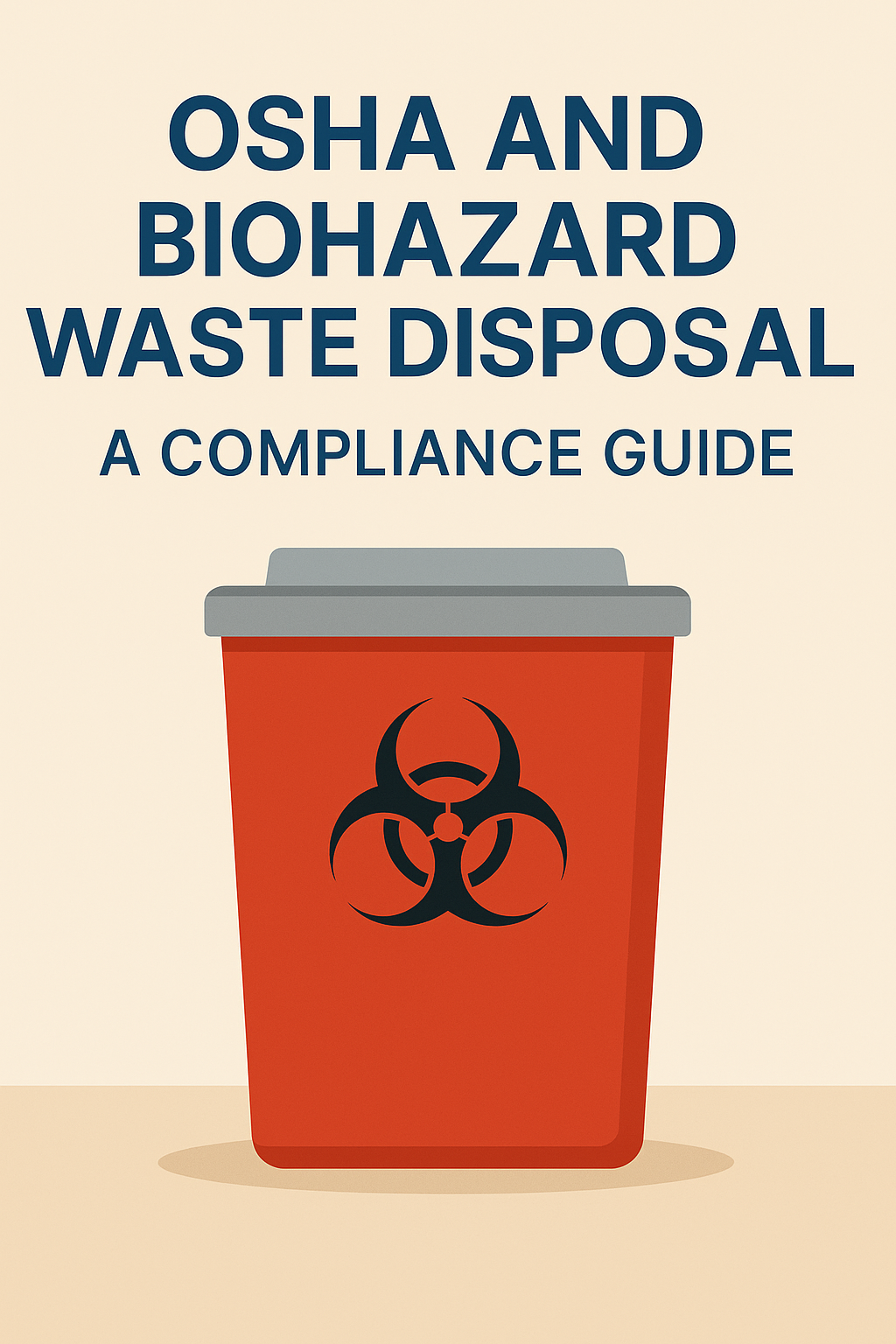
The Occupational Safety and Health Administration has established the Bloodborne Pathogens Standard to protect employees who may be exposed to bloodborne pathogens in the workplace. This standard requires healthcare organizations to implement exposure control plans, provide appropriate training, and ensure that sharps disposal systems meet specific safety criteria. Containers must be puncture-resistant, leak-proof, properly labeled, and easily accessible at the point of use. Secure Waste assists organizations in meeting these requirements while minimizing disruption to patient care.
The Occupational Safety and Health Administration (OSHA) provides essential guidelines to ensure the safe handling and disposal of sharps, specifically needles. These regulations aim to protect healthcare workers and others who may come into contact with potentially hazardous materials. Proper training and adherence to these safety protocols can significantly reduce the risk of needle-stick injuries and the transmission of infections. Organizations must implement comprehensive safety measures, including the use of appropriate containers for disposal and awareness programs about the risks associated with sharps. Staying informed about OSHA’s standards helps maintain a safer environment for everyone involved.
HOW SHARP INJURIES COMMONLY OCCUR?
Sharps injuries most often occur during routine clinical activities in high-pressure environments. During use, injuries can happen while inserting or removing needles, accessing IV lines, or transferring equipment. Improper technique or distraction increases risk. Recapping needles after use is another frequent cause of injury and should be avoided entirely. Disposal-related injuries also occur when sharps containers are overfilled, poorly positioned, or improperly secured. Secure Waste encourages organizations to assess workflow patterns and container placement to reduce these preventable incidents.
WHO IS AT RISK OF SHARPS-RELATED INJURIES?
Healthcare workers across multiple roles face sharps exposure risks, including nurses, physicians, pharmacists, technicians, environmental services staff, and home-care providers. Workers administering vaccinations in retail settings, handling sharps in senior care facilities, or supporting patients at home are also at risk. Patients themselves can be injured, particularly those who self-administer medications such as insulin. Secure Waste supports comprehensive safety programs that protect both healthcare workers and patients across diverse care environments.
THE CONSEQUENCES OF NEEDLESTICK INJURIES?
A single sharp injury can have long-lasting consequences. Exposure to bloodborne pathogens may result in lifelong health conditions and requires immediate medical evaluation and follow-up. The emotional toll on affected employees can be significant, leading to anxiety, reduced job satisfaction, and burnout. For healthcare organizations, these incidents can result in thousands of dollars in treatment costs, workers’ compensation claims, and potential litigation. Secure Waste emphasizes prevention as the most effective strategy for protecting both people and organizations.
STRATEGIES TO REDUCE SHARPS-RELATED INJURIES
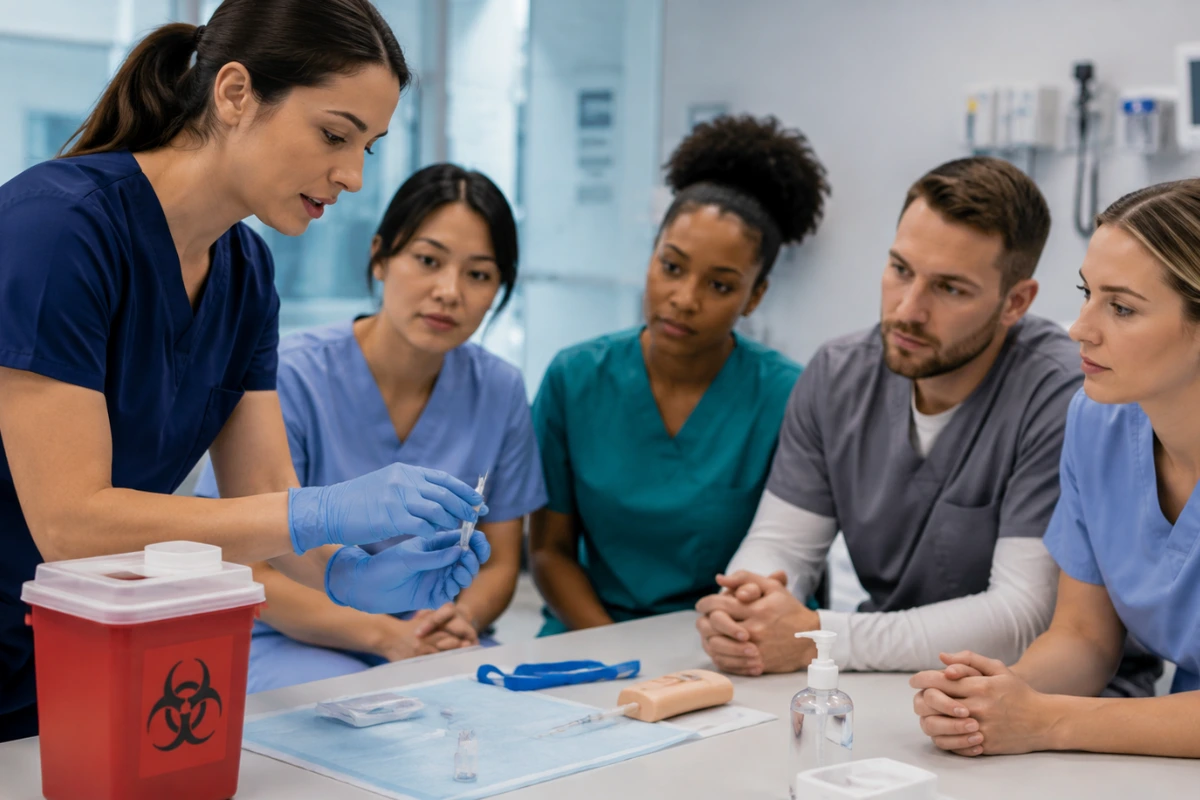
Healthcare leaders can take proactive steps to reduce sharps injuries and strengthen safety culture. Education is essential. Employees should receive regular training on sharps handling, disposal procedures, and OSHA bloodborne pathogen requirements. Training should be practical, role-specific, and reinforced consistently. Secure Waste helps organizations deliver clear, accessible training that fits into busy schedules.
PRIORITIZING EFFECTIVE SHARPS DISPOSAL SYSTEMS
Proper placement and quality of sharps containers are critical to injury prevention. Containers should be located as close as possible to the point of use and should never be overfilled. Selecting puncture-resistant, compliant containers reduces risk during disposal and handling. Secure Waste assists healthcare facilities in evaluating container placement, usage patterns, and replacement schedules to support safer disposal practices.
INTEGRATING SHARPS SAFETY INTO DAILY OPERATIONS
Sharps safety should be integrated into routine clinical workflows rather than treated as an afterthought. Clear policies, consistent procedures, and visible leadership support reinforce safe behaviors. When safety practices are standardized, employees can focus on patient care without added stress or uncertainty. Secure Waste partners with healthcare organizations to simplify sharps management while maintaining compliance and operational efficiency.
REGIONAL COMPLIANCE AND SERVICE SUPPORT
Healthcare organizations operating in Maryland, Virginia, and Washington, D.C. must align federal OSHA requirements with local regulations and operational realities. Secure Waste provides regionally informed support while maintaining consistent safety standards across multi-site healthcare systems.
BUILDING A SAFER HEALTHCARE ENVIRONMENT IN 2026
Sharps safety is a foundational element of excellent patient care and employee well-being. By investing in education, compliant disposal systems, and standardized procedures, healthcare leaders can significantly reduce injury risk and improve workplace confidence. Secure Waste supports healthcare organizations in creating safer, more resilient environments where employees can deliver high-quality care without unnecessary risk.
In Conclusion:
Secure Waste will save you money on biomedical waste disposal. We understand these hazards.
Staying informed and proactive is vital as new biological challenges arise. Together, we can prioritize health and safety, increase awareness, and promote responsible actions to create a healthier future for all!
We provide reliable, compliant, and environmentally friendly biomedical waste disposal solutions tailored to your facility’s specific needs.
**Disclaimer** This information is provided for reference purposes only and should not be considered as legal advice or factual information at the time of your reading. Regulations frequently change and can vary from state to state. We encourage you to contact your local regulatory authorities or Secure Waste directly for the most current information. Please note that Secure Waste is not liable, in part or in whole, for any information contained on this page or website.
Expert Medical Waste Management: With over 25 years of industry experience, Secure Waste is a trusted local leader in hazardous and biohazardous waste disposal across Maryland, Virginia, and Washington, D.C. Specializing in medical waste management, sharps needle disposal, and biohazard waste removal, the company ensures full compliance with federal, state, and local regulations while prioritizing environmental sustainability.
The company also offers additional services, including secure document shredding and sharps container sales, providing comprehensive solutions for healthcare facilities and businesses. Our cost-effective services help clients maintain regulatory compliance without unexpected costs.
With a commitment to customer satisfaction, Secure Waste offers tailored waste management plans that align with industry best practices. Their team of experts provides reliable, timely, and compliant services, making them the preferred choice for medical waste disposal. For a free waste quote or more information, visit www.securewaste.net