Secure Waste explains that improper handling of medical waste poses significant risks, including needlestick injuries and substantial penalties from the Occupational Safety and Health Administration (OSHA).
To effectively mitigate these risks and ensure compliance with federal and state safety regulations, it is essential to focus on seven critical areas of medical waste management.
Welcome to Secure Waste, the premier leader and compliance provider for medical waste disposal in the DMV. If you are ready to learn the 7 biggest OSHA mistakes when handling medical waste in DC, Maryland, and Virginia, we are ready to share what we have learned.
Secure Waste has 30 years of experience providing safe, compliant medical waste services across the DMV. Some areas we serve include Montgomery County, Frederick, Prince George’s, Baltimore County, Howard County, and even Southern Maryland.
We also work in DC and across the Potomac River in areas like Loudon County, Fairfax, Arlington, Alexandria, and even Richmond, Virginia, and Fredericksburg.
Our services include medical waste, biohazard disposal, sharps containers, and needle management.
So contact us today for a free waste assessment and no-nay contracts. We are the best choice in the DMV with a 5-star rating from our customers, and even competitors consider us the go-to choice for OSHA-approved medical waste handling.
Secure Waste Shares The Top 7 Mistakes For medical Waste
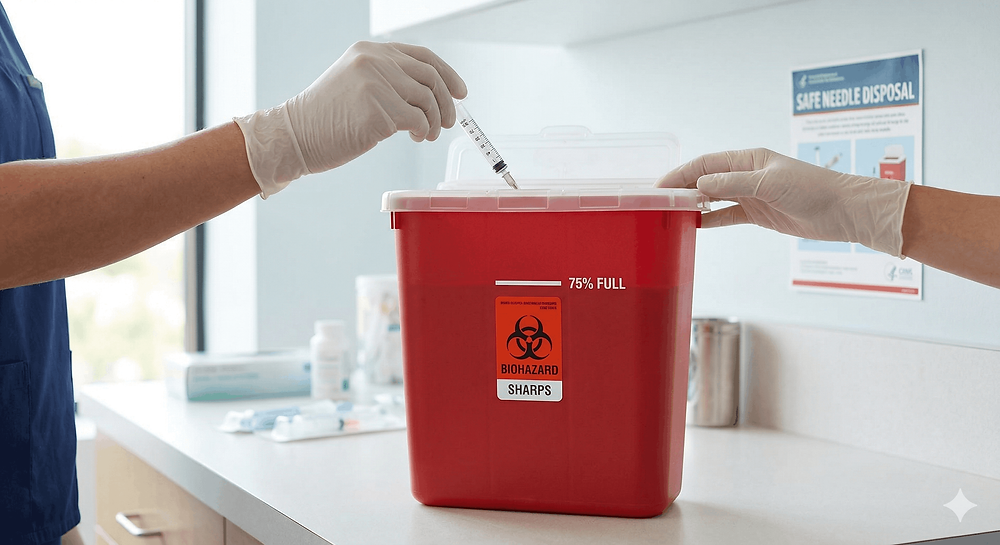
- Overfilling Sharps Containers: Adhering strictly to the designated fill line on sharps containers is of utmost importance. Overfilling these containers can lead to dangerous situations where sharp objects protrude from the container, significantly increasing the risk of needle-stick injuries. To maintain a safe environment, healthcare personnel must regularly monitor the fill levels of sharps containers and replace them promptly once they reach the fill line. Establishing a routine check schedule can help ensure that containers are never overfilled, thereby protecting both staff and patients.
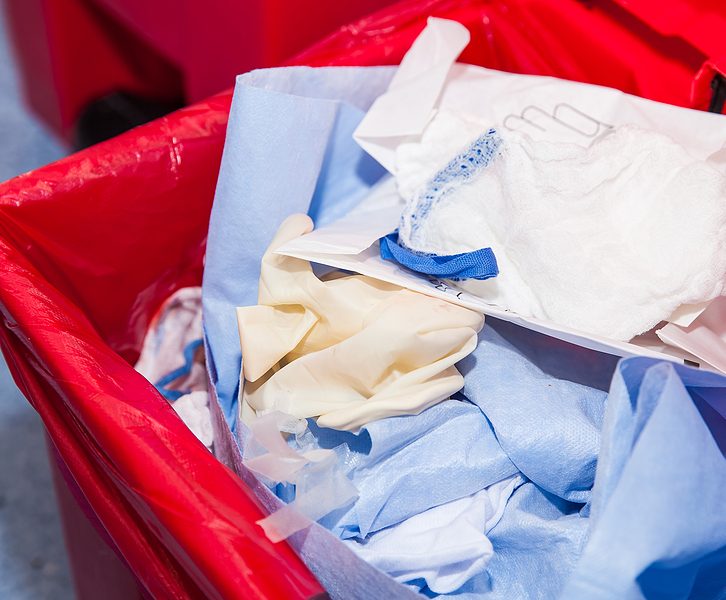
- Improper Waste Segregation: Mixing general trash with biohazardous waste is a serious violation that can lead to grave safety risks. Proper segregation of medical waste is not only a legal obligation but also a critical practice to protect healthcare workers, patients, and the environment. Facilities should establish clear guidelines and designate specific containers for each type of waste, such as sharps, infectious waste, and general refuse. Training staff on the importance of waste segregation can further reinforce compliance and promote a culture of safety.
- Using Incorrect Containers: It is essential to utilize FDA-approved containers that are specifically designed for medical waste. These containers are engineered to safely contain sharp objects and biohazardous materials, minimizing the risk of exposure, spillage, or leakage. Healthcare facilities must avoid the temptation to use makeshift or non-compliant containers, as these can pose significant safety risks. Staff should be regularly reminded of the standards for container use, including proper disposal procedures for each type of waste.
- Skipping Annual Training on Bloodborne Pathogens: Regular training sessions on Bloodborne Pathogens for all staff members are critical to maintaining a safe workplace. These sessions should provide comprehensive coverage of the risks associated with bloodborne pathogens, safe-handling practices, and detailed procedures for responding to exposure incidents. Ensuring that all employees are up to date with their training not only enhances individual safety but also fosters a culture of compliance and alertness throughout the healthcare facility.
- Improper Container Labeling: The accurate labeling of all medical waste containers is paramount for safe waste management. Labels must clearly indicate the contents, associated hazards, and any pertinent handling instructions. This practice not only facilitates proper disposal but also reduces the likelihood of accidents or misunderstandings regarding the materials stored in the containers. Facilities should implement a standardized labeling system to enhance clarity and compliance.
- Ignoring PPE Requirements: The use of personal protective equipment (PPE) in healthcare settings is non-negotiable. Healthcare personnel must consistently wear appropriate PPE, including gloves, gowns, and face shields, when handling medical waste or working in potentially hazardous areas. Regular reminders should be enforced to ensure that staff check their PPE for signs of wear and replace it when necessary. Training should also include demonstrations on the proper use of PPE to maximize protection against exposure.
- Leaving Storage Areas Unlocked: Security is a critical aspect of effective waste management. All storage areas designated for medical waste must be kept securely locked and accessible only to authorized personnel. This practice prevents unauthorized access and potential tampering with hazardous materials, thereby protecting both staff and the wider community. Implementing access protocols and conducting regular security audits can further safeguard these areas.
Insights on OSHA Compliance from Safety Experts
Healthcare professionals have noted that many safety violations stem from insufficient visibility in safety protocols and a lack of ongoing training. As one expert succinctly stated, “The same mistakes recur not because teams don’t care, but because systems, training, and visibility are often misaligned.”
Common errors, such as improper waste segregation, disposing of sharps in regular trash, overfilling containers, and using incorrect labeling, can significantly heighten the risks of regulatory violations, employee injuries, increased disposal costs, and potential legal ramifications.
To effectively tackle these challenges, healthcare facilities must prioritize safety measures and maintain strict adherence to established protocols. For comprehensive guidance on bloodborne pathogens, including standards for sharps safety, consult the Secure Waste Guide.
If you require additional assistance, please let us know the following
- Is your facility a hospital, dental clinic, or private practice?
- Are you seeking information related to OSHA training documentation or protocols for sharps disposal?
In Conclusion, On OSHA Mistakes:
Choosing a biomedical waste disposal vendor is crucial for any healthcare facility. By following our structured evaluation process and considering the unique benefits offered by Secure Waste, doctors, Healthcare facility managers, and office staff can ensure they partner with a reliable and environmentally conscious provider that prioritizes cost-effectiveness and excellent service. We hope these tips for saving on biomedical waste disposal are helpful. For more information, read our FREE side-by-side comparison chart.
Now that you know how to choose a biomedical waste disposal company. At Secure Waste, we are ready to be that partner for you; we provide reliable, compliant, and eco-friendly Biomedical waste disposal solutions designed for your facility’s needs. We have expertise in biomedical, hazardous waste, and Sharps container disposal. In addition, we provide customized waste management plans, including secure collection and transport, as well as sustainable disposal practices.
Contact us today for a FREE Waste Assessment, or request a quote online!
Expert Medical Waste Management: With over 25 years of industry experience, Secure Waste is a trusted local leader in hazardous and biohazardous waste disposal across Maryland, Virginia, and Washington, D.C. Specializing in medical waste management, sharps needle disposal, and biohazard waste removal, the company ensures full compliance with federal, state, and local regulations while prioritizing environmental sustainability.
The company also offers additional services, including secure document shredding and sharps container sales, providing comprehensive solutions for healthcare facilities and businesses. Our cost-effective services help clients maintain regulatory compliance without unexpected costs.
With a commitment to customer satisfaction, Secure Waste offers tailored waste management plans that align with industry best practices. Their team of experts provides reliable, timely, and compliant services, making them the preferred choice for medical waste disposal. For a free waste quote or more information, visit www.securewaste.net