Secure Waste, a prominent leader and pioneer in Hazardous waste disposal, is keen to discuss the critical regulations surrounding hazardous waste management. Our company specializes in providing comprehensive hazardous waste management services across Maryland, Virginia, and Washington, D.C., addressing a broad spectrum of needs for both commercial and residential clients.
While we handle all types of hazardous waste, our primary expertise lies in healthcare waste management. We particularly focus on the safe and compliant disposal of medical waste, including sharp objects, pharmaceuticals, and biohazardous materials. Recognizing the unique challenges faced by healthcare facilities, we have developed specialized protocols to ensure the highest standards of safety and compliance in our waste-disposal practices.
Our dedicated team consists of trained professionals committed not only to complying with local and federal regulations but also to going beyond compliance to safeguard public health and protect the environment. We utilize state-of-the-art technology and best practices in waste management to minimize risks and enhance sustainability.
If you’re interested in learning more about our comprehensive range of hazardous waste services, including customized solutions for your specific needs, please don’t hesitate to contact us today at 877-633-7328. At Secure Waste, your safety and the well-being of our community are our top priorities!
Hazardous Waste Disposal Near You, Contact Secure Waste Now!
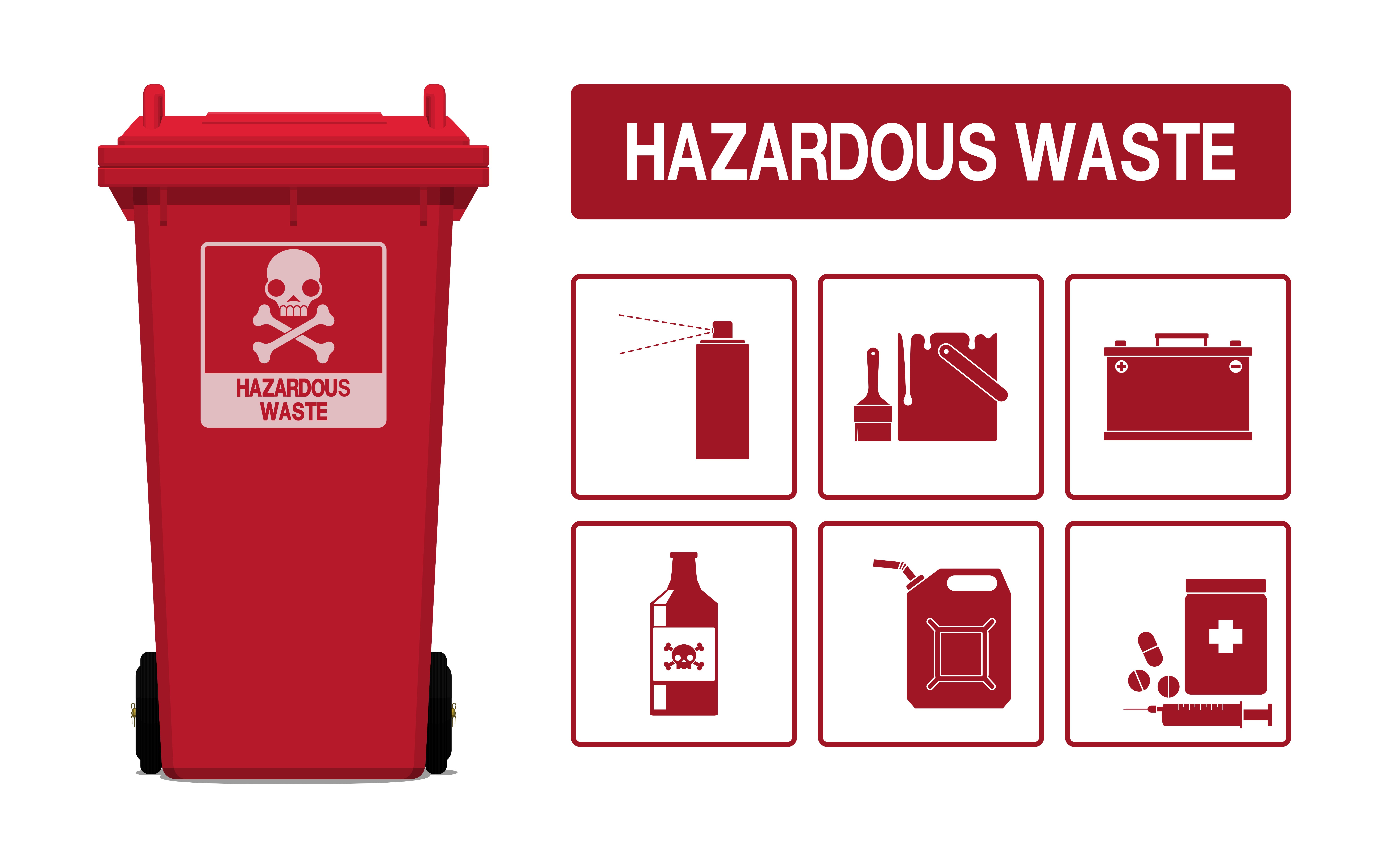
Grasping the EPA Rule for Enhancing Hazardous Waste Generators
The Environmental Protection Agency’s (EPA) Hazardous Waste Generator Improvement Rule represents a comprehensive and crucial update to the requirements governing the management, documentation, and communication of compliance responsibilities for hazardous waste generators. Although the rule was officially implemented in 2017, its directives remain highly relevant in today’s regulatory landscape, affecting organizations of all sizes and across diverse industries that generate hazardous waste.
Designed to clarify and streamline existing regulations, the rule aims to enhance consistency across varying state regulations while reinforcing protections for both the environment and public health. Key features of the rule include revised definitions for hazardous waste, standardized labeling requirements, and updated guidelines for storage and transportation practices. Such enhancements are particularly beneficial for smaller facilities, which often struggle to navigate complex regulatory frameworks.
For hazardous waste generators, a thorough understanding of this rule is imperative. It governs critical processes such as proper identification of waste types, the use of appropriate labeling systems that comply with both federal and state guidelines, and the implementation of safe storage practices to mitigate risks. The transportation of hazardous wastes is also addressed, mandating compliance with specific shipping protocols to ensure safety during transit.
Failure to adhere to these updated requirements can result in serious consequences, including heightened regulatory scrutiny, operational disruptions, legal liabilities, and substantial financial penalties. Organizations may also face reputational risks that can affect stakeholder trust and community relations.
By maintaining a clear and comprehensive understanding of the rule’s core elements and integrating them into their operational practices, facilities can effectively navigate compliance challenges while enhancing efficiency and safeguarding public health and the environment. This proactive approach not only positions organizations to meet regulatory demands but also fosters a culture of environmental responsibility and helps maintain the safety of their operations.
Purpose of the Generator Improvement Rule
The primary goal of the Generator Improvement Rule is to make hazardous waste regulations more straightforward to understand and apply. Over time, inconsistencies in interpretation created confusion among generators and enforcement agencies. The updated rule reorganized regulatory language, strengthened documentation requirements, and added flexibility where appropriate, including in the episodic generation provisions.
By clarifying responsibilities, the EPA aimed to help generators correctly identify hazardous waste and manage it safely from generation through final disposal. The rule also enhances transparency and accountability, ensuring that waste is handled in a way that protects workers, communities, and the environment.
Accurate Hazardous Waste Determination
One of the most emphasized aspects of the rule is the requirement for accurate hazardous waste determinations. Generators must evaluate each waste stream to determine whether it qualifies as hazardous under federal regulations. This determination must be based on sound analysis, including knowledge of the process generating the waste, testing results, or both.
Documentation of these determinations is mandatory. Records must be maintained for a minimum of three years and be readily available for inspection. This shows regulators that waste classifications are not assumptions but are supported by evidence. Accurate determinations reduce the risk of mismanagement and ensure that hazardous materials are routed through appropriate disposal channels.
Container Labeling and Hazard Communication
Proper container labeling is a critical component of hazardous waste compliance. Containers holding hazardous waste must be clearly labeled with the words “hazardous waste.” In addition, generators must identify the hazards associated with the contents. This may include descriptions of physical or health risks, applicable Department of Transportation markings, or recognized hazard pictograms.
These labeling requirements apply to both satellite accumulation areas and central accumulation areas. Clear labeling supports safe handling by employees, emergency responders, and transporters. It also demonstrates that the organization understands and communicates the risks associated with its waste streams.
Episodic Generation Flexibility
The Generator Improvement Rule introduced episodic generation provisions to address infrequent or unexpected waste generation events. Facilities are permitted to exceed their normal generator category once per year without changing their regulatory status. This flexibility is beneficial during events such as cleanouts, equipment replacements, or environmental emergencies.
To use this provision, planned episodic events must be reported to the EPA at least thirty days in advance. Unplanned events, such as spills or emergency responses, must be reported within seventy-two hours. Facilities must have an EPA identification number and manage episodic waste in accordance with applicable requirements. Proper use of this flexibility allows organizations to respond to unusual situations without long-term regulatory consequences.
Waste Codes and Transportation Requirements
Before hazardous waste can be transported off-site, containers must be marked with appropriate waste codes. These codes identify the regulatory classification of the waste and inform transporters and treatment facilities how the material should be handled.
Accurate coding reduces the risk of misrouting or improper treatment. It also supports compliance with manifesting and recordkeeping requirements. Ensuring containers are marked adequately before transport is a fundamental step in maintaining a compliant hazardous waste program.
Re-Notification and Ongoing Reporting
Both small- and large-quantity generators are required to periodically renotify the EPA of their hazardous waste activities. The rule established a re-notification schedule that occurs every four years. This requirement ensures that regulatory agencies maintain accurate, up-to-date information on generator operations.
Re-notification may seem administrative, but failure to comply can result in enforcement actions. Timely reporting confirms generator status, waste volumes, and contact information, supporting effective oversight and communication.
Recordkeeping and Inspection Readiness
Strong recordkeeping practices are essential under the Generator Improvement Rule. In addition to waste determinations, generators must maintain records related to container labeling, episodic events, waste codes, and notifications. These records provide evidence of compliance during inspections.
Facilities that maintain organized, accessible documentation are better prepared for regulatory visits. Inspection readiness reduces stress, minimizes disruptions, and demonstrates a commitment to environmental responsibility.
Integrating Waste Management Into Daily Operations
Compliance is most effective when hazardous waste management is integrated into routine operations. Clear procedures, regular employee training, and defined responsibilities help ensure consistent adherence to requirements. Employees should understand how to identify hazardous waste, correctly label containers, and follow the rules for accumulation areas.
Routine audits and internal reviews help identify gaps before they become compliance issues. Showing continuous improvement supports long-term regulatory alignment and operational efficiency.
Supporting Safe and Compliant Disposal
Proper disposal is the final step in hazardous waste management and a critical compliance component. Working with an experienced waste management provider helps ensure that hazardous waste is transported and treated in accordance with applicable regulations. Secure Waste supports organizations with compliant hazardous waste solutions designed to reduce risk and maintain regulatory alignment. Learn more at https://www.securewaste.net/.
Long-Term Benefits of Compliance
Adhering to the Generator Improvement Rule provides benefits beyond avoiding penalties. Effective hazardous waste management protects employee health, reduces environmental impact, and strengthens organizational reputation. Compliance also supports operational predictability by lowering the likelihood of enforcement actions or emergency responses.
Organizations that invest in understanding and implementing regulatory requirements are better positioned for sustainable growth. Clear procedures, accurate documentation, and reliable partnerships create a strong foundation for long-term success.
Final Takeaway
The EPA Hazardous Waste Generator Improvement Rule clarified expectations and strengthened accountability for hazardous waste generators. By focusing on accurate waste determination, proper labeling, episodic generation management, re-notification, and recordkeeping, organizations can maintain compliance and reduce risk. Proactive planning and disciplined execution ensure that hazardous waste is managed responsibly, protecting people, communities, and the environment while supporting efficient operations.
In Conclusion:
Secure Waste will save you money on hazardous waste disposal. We understand these hazards.
Staying informed and proactive is vital as new biological challenges arise. Together, we can prioritize health and safety, increase awareness, and promote responsible actions to create a healthier future for all!
We provide reliable, compliant, and environmentally friendly biomedical waste disposal solutions tailored to your facility’s specific needs.
**Disclaimer** This information is provided for reference purposes only and should not be considered as legal advice or factual information at the time of your reading. Regulations frequently change and can vary from state to state. We encourage you to contact your local regulatory authorities or Secure Waste directly for the most current information. Please note that Secure Waste is not liable, in part or in whole, for any information contained on this page or website.
Expert Medical Waste Management: With over 25 years of industry experience, Secure Waste is a trusted local leader in hazardous and biohazardous waste disposal across Maryland, Virginia, and Washington, D.C. Specializing in medical waste management, sharps needle disposal, and biohazard waste removal, the company ensures full compliance with federal, state, and local regulations while prioritizing environmental sustainability.
The company also offers additional services, including secure document shredding and sharps container sales, providing comprehensive solutions for healthcare facilities and businesses. Our cost-effective services help clients maintain regulatory compliance without unexpected costs.
With a commitment to customer satisfaction, Secure Waste offers tailored waste management plans that align with industry best practices. Their team of experts provides reliable, timely, and compliant services, making them the preferred choice for medical waste disposal. For a free waste quote or more information, visit www.securewaste.net