How Sustainable Waste Management Reduces Costs Across Healthcare Organizations
Sustainability in healthcare has evolved from an environmental talking point into a practical business strategy that directly affects operating costs, efficiency, and compliance. Secure Waste explains in detail.
Healthcare organizations today face rising expenses associated with energy usage, waste management, regulatory requirements, and administrative overhead.
Sustainable practices help address these challenges by reducing waste volume, optimizing workflows, and lowering long-term expenditures without compromising patient care or safety standards.
Organizations that integrate sustainability into daily operations often discover that environmentally responsible choices also support financial stability.
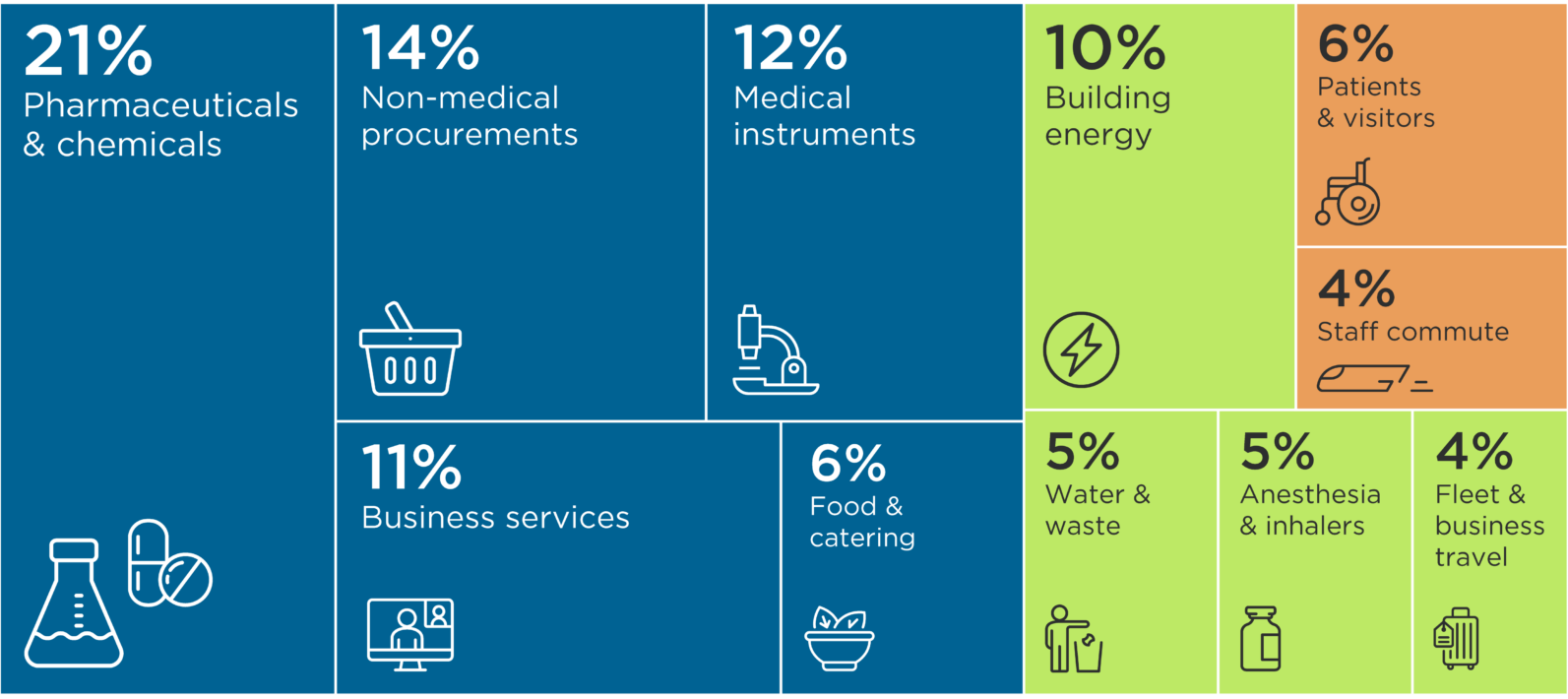
From energy-efficient infrastructure upgrades to smarter waste segregation and reduced paper dependency, sustainability initiatives consistently produce measurable cost savings.
These benefits extend beyond finances, strengthening public trust and reinforcing an organization’s commitment to responsible healthcare delivery.
Sustainability Opportunities Beyond Hospital Systems
Although large hospital networks often lead sustainability initiatives, cost-saving opportunities exist across all healthcare environments.
Local physician offices, outpatient clinics, long-term care facilities, dental practices, veterinary clinics, and specialty treatment centers can all benefit from environmentally responsible operational changes.
Sustainability does not require significant capital investments to be effective. Minor, targeted improvements often deliver immediate returns.
Examples include implementing structured recycling programs, upgrading lighting systems, reducing unnecessary printing, and improving waste handling procedures.
For smaller practices, these changes can help stabilize monthly expenses and improve workflow efficiency, while also supporting compliance requirements.
Efficiency as a Cost-Control Tool For Medical Waste
Energy consumption remains one of the most manageable cost categories in healthcare operations. Facilities that transition to modern energy-efficient systems typically experience immediate reductions in utility expenses along with long-term savings.
Upgrading to energy-efficient lighting solutions significantly reduces electricity usage while extending the lifespan of bulbs.
Traditional bulbs require frequent replacement, increasing both material and labor costs.
Modern lighting systems last far longer and consume less energy, reducing maintenance demands across patient rooms, offices, hallways, storage spaces, and exterior areas.
Automated lighting controls further improve efficiency. Motion sensors and timed lighting systems prevent unnecessary energy use in low-traffic areas such as staff restrooms, break rooms, storage areas, and administrative offices.
These solutions lower operational costs without affecting patient care environments or staff productivity.
Managing Paper Use and Secure Recycling
Paper management remains a central sustainability and compliance challenge in healthcare settings.
Facilities handle sensitive information daily, and excessive printing often results from outdated processes, redundant documentation, and inefficient internal systems.
Identifying and eliminating unnecessary print points is a critical first step toward reducing waste.
Healthcare organizations typically generate two categories of paper waste: materials containing sensitive information and general administrative paper.
Consolidating secure disposal and recycling services simplifies operations while reducing vendor management costs. This approach also enhances staff efficiency by streamlining disposal workflows and minimizing confusion regarding waste segregation.
Working with a compliant waste management partner ensures that sensitive information is securely handled while recyclable materials are processed responsibly.
Secure Waste supports healthcare organizations by offering safe, compliant, and environmentally responsible waste solutions that help reduce overall operational costs. More information is available at Secure Waste Healthcare Waste Solutions.
Reducing Administrative Costs Through Digital Communication
Outbound paper communication represents an often-overlooked expense for healthcare practices.
Appointment reminders, follow-ups, and general notifications, which are traditionally sent via mail, can be delivered more efficiently through digital channels.
Automated phone calls, text messages, and emails significantly reduce printing and postage costs while improving response rates.
Digital communication also decreases the amount of paper entering waste streams and aligns with modern patient expectations. Administrative teams benefit from reduced manual tasks, allowing staff to focus on patient care and higher-value operational activities.
Over time, digital communication strategies contribute to both cost reduction and improved patient engagement.
Reusable Systems and Waste Reduction at the Source
Reusable systems play an essential role in reducing waste volume and associated costs.
Moving away from single-use containers and supplies decreases plastic and cardboard waste while lowering procurement and storage requirements.
Reusable solutions also reduce the environmental impact associated with manufacturing and transporting disposable products.
Healthcare facilities that implement reusable systems often experience improved operational efficiency. Staff spend less time ordering, receiving, and replacing disposable supplies.
Waste output decreases, storage space is optimized, and overall supply management becomes more predictable. These benefits accumulate over time, producing both environmental and financial gains.
Integrating Sustainability Into Long-Term Planning
Sustainability initiatives deliver the most outstanding value when incorporated into long-term operational planning rather than treated as one-time projects.
Healthcare organizations that commit to continuous improvement benefit from predictable cost reductions, improved compliance positioning, and enhanced community trust.
Incremental changes compound year after year. Energy savings continue to accumulate, waste reduction lowers disposal expenses, and digital systems reduce administrative burden.
These improvements strengthen operational resilience while supporting broader environmental goals.
Partnering with a waste management provider that prioritizes compliance, security, and sustainability is essential for long-term success.
Secure Waste helps healthcare organizations implement responsible waste solutions designed to reduce costs while protecting patients, staff, and the environment. Visit Secure Waste to learn more.
Final Takeaway
Sustainable waste management is no longer a future objective for healthcare organizations—it is a present-day operational advantage. By improving energy efficiency, reducing paper dependency, adopting reusable systems, and working with responsible waste management partners, healthcare facilities can lower costs while maintaining high standards of care and compliance. Sustainability supports stronger operations, healthier communities, and a more secure future for healthcare organizations.
Expert Medical Waste Management: With over 25 years of industry experience, Secure Waste is a trusted local leader in hazardous and biohazardous waste disposal across Maryland, Virginia, and Washington, D.C. Specializing in medical waste management, sharps needle disposal, and biohazard waste removal, the company ensures full compliance with federal, state, and local regulations while prioritizing environmental sustainability.
The company also offers additional services, including secure document shredding and sharps container sales, providing comprehensive solutions for healthcare facilities and businesses. Our cost-effective services help clients maintain regulatory compliance without unexpected costs.
With a commitment to customer satisfaction, Secure Waste offers tailored waste management plans that align with industry best practices. Their team of experts provides reliable, timely, and compliant services, making them the preferred choice for medical waste disposal. For a free waste quote or more information, visit www.securewaste.net