
Why Sustainability Is a Critical Priority for Healthcare Organizations
Environmental stewardship has become one of the most critical responsibilities in modern healthcare. While many organizations acknowledge its value, far fewer treat sustainability as a core operational priority. Some still consider environmental programs as optional or secondary to clinical needs. But as the scale of medical waste grows and the impact on communities becomes clearer, sustainability is no longer a “nice-to-have.” It is a foundational requirement for healthcare providers seeking to protect their environment, support their communities, strengthen regulatory compliance, reduce costs, and build a safer future for patients and staff. Secure Waste helps healthcare organizations understand the complete picture of sustainability and why a proactive commitment produces long-term benefits across every part of the facility.
Healthcare facilities operate at a scale that affects far more than the walls of the building. Every day, they generate medical waste, pharmaceutical waste, hazardous materials, and energy consumption, as well as resource use, that directly impact communities. When environmental management is weak or inconsistent, pollution can enter landfills, waterways, and local ecosystems, posing significant risks to these areas. When processes are strong, healthcare providers become powerful guardians of public health and environmental preservation. Sustainability is not just about regulatory responsibility; it is about upholding the fundamental mission of healthcare to protect and enhance lives.
Healthcare organizations are increasingly recognizing that environmental responsibility is closely tied to clinical responsibility. A healthy environment supports healthier populations, reduces disease risks, and contributes to the long-term well-being of the community. Sustainability is also tied to cost efficiency, as more innovative resource management reduces waste, prevents fines, and optimizes operations. As the healthcare landscape evolves and environmental concerns grow, organizations that invest in sustainable practices position themselves as leaders, innovators, and trusted partners in their communities.
Keeping Harmful Materials Out of the Environment
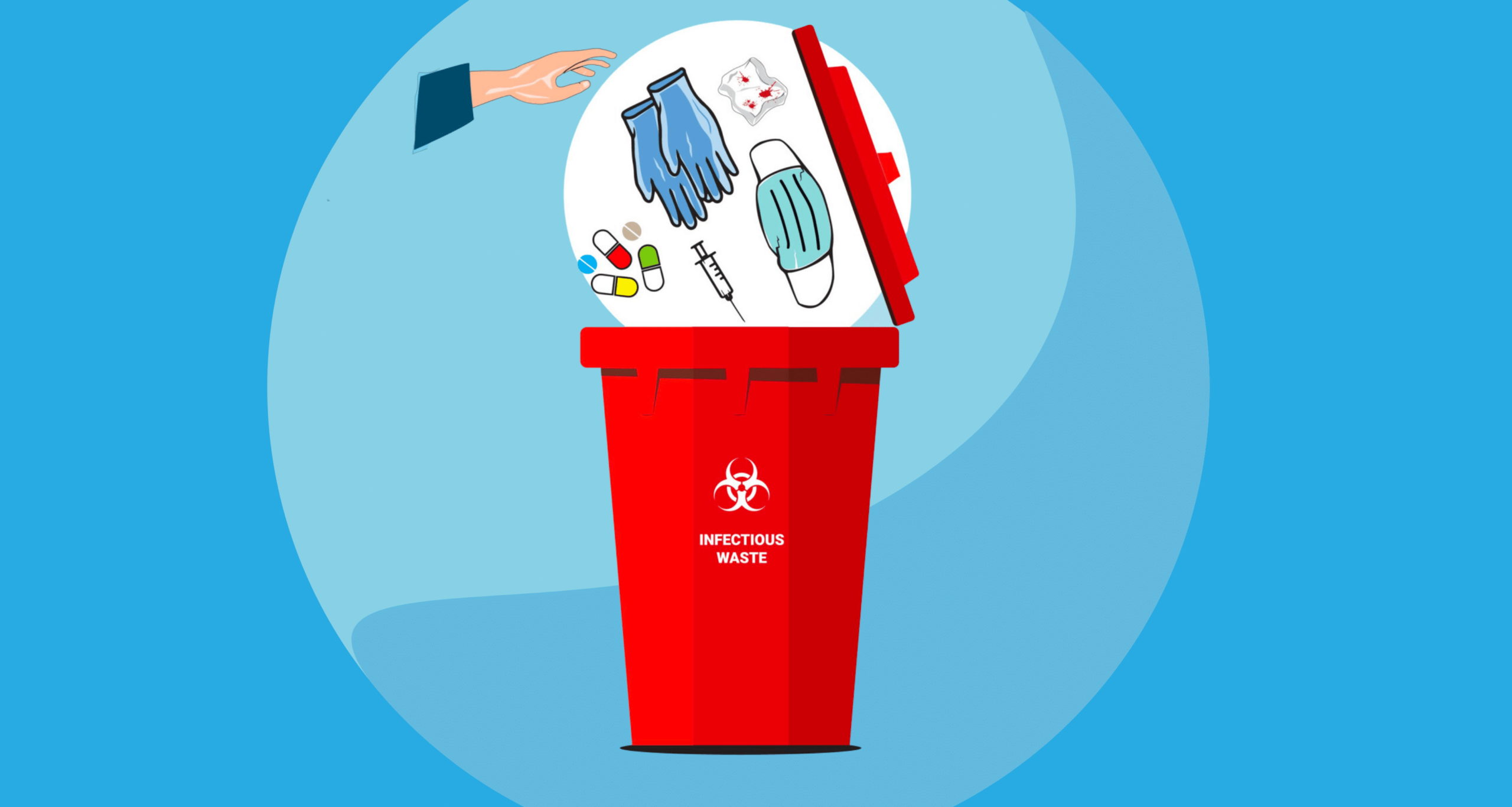
Healthcare facilities generate significant volumes of medical waste, hazardous waste, sharps waste, pharmaceutical waste, and general waste. Without proper handling and disposal, these substances can seep into landfills, contaminate water systems, disrupt ecosystems, and create long-term health risks for communities. Waste streams such as blood-contaminated materials, surgical byproducts, chemotherapy waste, expired medications, and sharps require specialized processes to ensure they do not harm the environment.
Developing a strong sustainability program enables organizations to maintain confidence that every type of waste is collected, segregated, treated, and disposed of correctly. When each step is consistent and reliable, healthcare providers eliminate the risk of harmful materials entering the environment. Facilities that neglect proper disposal not only endanger public health but also compromise their reputation and their social responsibility. Healthcare organizations are pillars of community trust, and preserving the environment is part of honoring that trust.
Secure Waste supports providers by creating structured, end-to-end waste management programs that align with regulations, reduce environmental impact, and maintain complete operational safety. A strong program ensures that infectious materials are neutralized, hazardous chemicals are contained, pharmaceuticals are prevented from entering water systems, and sharps are handled without risk. In an industry where every detail matters, reliable disposal processes form the foundation of environmental protection.
Preventing Fines and Protecting the Organization’s Financial Health
Environmental sustainability is not only a moral obligation but also a financial safeguard. Many cities, counties, and states enforce strict regulations governing the management of medical waste, hazardous materials, and recyclable items. When healthcare organizations fail to meet these requirements, communities can face serious consequences. Local recycling systems may be disrupted, contamination may occur, and public health can be endangered. Regulatory agencies respond to these issues with substantial penalties that can strain healthcare budgets and damage public trust.
Organizations that invest in sustainability programs strengthen their financial stability by avoiding these avoidable risks. A well-designed medical waste disposal program ensures that each type of waste, whether sharps, hazardous chemicals, pharmaceuticals, or regulated medical waste, is handled correctly. Proper segregation is essential. When waste streams are mixed or mismanaged, the entire disposal process becomes vulnerable to violations.
Additionally, healthcare leaders must consider the hidden costs associated with environmental mismanagement. Reputational damage, remediation expenses, legal consequences, and the potential loss of community support all represent financial risks. Sustainability is not merely an ecological strategy; it is an economic advantage. By partnering with Secure Waste, healthcare providers gain access to advanced processes, reliable compliance tools, and expert guidance that help prevent missteps and protect long-term financial performance.
Strengthening Community Health Through Environmental Leadership
Healthcare organizations hold a unique place in society. Their mission is centered on healing, safety, and well-being. Because of this role, communities look to healthcare providers not only for medical care but also for leadership in public health matters. Environmental sustainability is a critical extension of that leadership. When healthcare facilities reduce their carbon footprint, limit pollution, and manage waste responsibly, they directly contribute to healthier communities.
A strong sustainability program preserves clean air, protects water quality, and ensures that harmful materials do not enter landfills or ecosystems. It also provides more responsible use of natural resources. Many healthcare organizations are adopting reusable containers, investing in recycling initiatives, and implementing systems that reduce unnecessary waste. These actions demonstrate that the organization is committed to protecting not only patients but also the broader community.
Secure Waste empowers healthcare providers by creating programs that integrate environmental responsibility into daily operations. From implementing reusable sharps container systems to guiding facilities through ecological risk mitigation, Secure Waste provides organizations with the tools to fulfill their duty to public safety. By building thoughtful environmental strategies, healthcare providers reinforce their role as responsible, community-focused institutions.
Expanding Organizational Culture Through Sustainability
Sustainability is most effective when it becomes an integral part of the organization’s culture, rather than just a compliance requirement. When staff understand the impact of environmental responsibility and feel empowered to contribute, ecological stewardship becomes a shared mission. Culture-building begins with education, training, and clear communication. Staff should understand why sustainability matters, how their actions impact outcomes, and what procedures they should follow on a daily basis.
Healthcare facilities that foster a culture of sustainability tend to experience higher levels of employee engagement and improved operational reliability. Teams work more confidently when they understand how to manage waste properly, reduce resource consumption, and apply environmentally responsible practices. This fosters a workplace environment grounded in safety, accountability, and a shared purpose.
Secure Waste partners with organizations to build this culture from the ground up. Through training, personalized guidance, and ongoing support, Secure Waste helps staff members adopt practices that protect the environment while reinforcing organizational values. When sustainability becomes a core part of daily operations, the entire organization becomes stronger, safer, and more aligned with its mission.
Environmental Metrics and Long-Term Impact
Environmental sustainability is measurable. When organizations implement strong programs, the results can be significant. With thoughtful waste management, responsible material handling, and optimized disposal systems, healthcare providers can divert substantial volumes of waste from landfills, reduce plastic usage, and prevent pharmaceuticals from entering water supplies. These impacts extend beyond the facility—they create long-term environmental benefits for entire communities.
Secure Waste provides advanced tracking systems, data monitoring, and environmental reporting, enabling organizations to track their progress effectively. Metrics provide clarity and show how daily activities contribute to larger goals. Over time, healthcare providers can measure their reduction in waste volume, their increase in reuse initiatives, their improvements in regulatory compliance, and their overall environmental footprint.
When organizations make long-term commitments, they inspire others and set industry-wide standards. Sustainability becomes part of their identity. Their actions have a significant influence on patients, partners, staff, and future healthcare professionals. The impact becomes generational.
Conclusion
Sustainability is essential in modern healthcare. It protects the environment, prevents pollution, avoids fines, strengthens community relationships, and reinforces the core mission of healthcare organizations. It builds safer facilities, healthier neighborhoods, and a more responsible future for patients and staff. Healthcare providers play a decisive role in environmental preservation, and the decisions they make today shape the health of tomorrow’s communities.
Secure Waste stands with healthcare organizations as they embrace sustainability at every level. Through reliable waste management solutions, advanced environmental practices, and strong support for regulatory compliance, Secure Waste helps facilities develop programs that create a lasting impact. With the exemplary commitment and the right partner, sustainability becomes not only achievable but transformative.
Expert Medical Waste Management: With over 25 years of industry experience, Secure Waste is a trusted local leader in hazardous and biohazardous waste disposal across Maryland, Virginia, and Washington, D.C. Specializing in medical waste management, sharps needle disposal, and biohazard waste removal, the company ensures full compliance with federal, state, and local regulations while prioritizing environmental sustainability.
The company also offers additional services, including secure document shredding and sharps container sales, providing comprehensive solutions for healthcare facilities and businesses. Our cost-effective services help clients maintain regulatory compliance without unexpected costs.
With a commitment to customer satisfaction, Secure Waste offers tailored waste management plans that align with industry best practices. Their team of experts provides reliable, timely, and compliant services, making them the preferred choice for medical waste disposal. For a free waste quote or more information, visit www.securewaste.net