Sustainable Medical Waste Management: Reusable Containers That Reduce Waste and Strengthen Healthcare Safety
Reusable Medical Waste Containers: Building a Safer, Greener, and More Responsible Healthcare System
Modern healthcare facilities face a difficult challenge. They must protect patients, safeguard employees, comply with OSHA and environmental regulations, and maintain strict infection control standards, all while reducing their ecological footprint. Medical waste is one of the most significant contributors to hospital-generated landfill volume, and disposable plastic containers play a substantial role in that problem. Reusable medical waste containers provide an effective solution that enables organizations to reduce waste, enhance sharps management, and establish long-term sustainability practices that support both environmental and operational objectives.
Healthcare organizations nationwide are actively seeking ways to reduce the amount of plastic they discard annually. While recycling efforts for paper, aluminum, cardboard, and glass continue to expand, the most significant opportunity for reduction comes from rethinking how medical waste containers are used. Many facilities dispose of thousands of single-use sharps containers and medical waste bins every year. These containers, once filled, are either incinerated or placed in regulated disposal systems, which ultimately contribute large volumes of plastic to landfills. Reusable systems dramatically reduce that footprint and create a more efficient, safer waste-management cycle.
Secure Waste provides an advanced reusable container program that aligns with modern sustainability expectations and regulatory requirements. The goal is straightforward: to reduce environmental impact while maintaining the highest levels of safety, compliance, and efficiency within healthcare facilities.
Why Reusable Sharps Containers Are Essential for Modern Healthcare
Sharps management is one of the most critical components of healthcare waste disposal. Every day, hospitals and clinical settings handle needles, scalpels, syringes, and other items capable of causing needlestick injuries or exposing employees to bloodborne pathogens. Disposable sharps containers contribute significantly to plastic waste, as they are often used only once before being discarded entirely. Reusable sharps containers offer a sustainable solution that enhances workplace safety and supports broader environmental objectives.
Reusable containers are built from durable, puncture-resistant materials that are thoroughly disinfected after each use. Their superior design reduces breakage, prevents leakage, and minimizes the risk of accidental exposure. Because the containers are reused for years, fewer containers are manufactured, transported, and ultimately disposed of. This reduction in the production and disposal cycle significantly decreases the long-term environmental impact of sharps waste, which accounts for a substantial portion of regulated medical waste in healthcare facilities.
Many healthcare organizations that have adopted reusable sharps containers report a significant reduction in plastic waste, lower disposal costs, and improved safety outcomes for frontline workers. Secure Waste’s reusable sharps container program ensures that facilities receive clean, sanitized, and fully compliant containers on a scheduled basis. In contrast, filled containers are collected, disinfected, and returned safely for reuse. This cycle dramatically reduces the volume of plastic entering landfills each year.
How Secure Waste Supports Sustainable Waste Reduction
Secure Waste maintains a strong commitment to sustainability, safety, and compliance. The reusable container program not only reduces plastic waste but also reinforces safer handling practices that align with OSHA’s Bloodborne Pathogens Standard. All reusable sharps and medical waste containers provided by Secure Waste undergo an industrial cleaning and sanitization process that meets strict infection-control requirements. This process eliminates bloodborne pathogens, disinfects all surfaces, and ensures that the containers are returned to client facilities in a safe and ready-to-use condition.
Secure Waste also works closely with facilities to develop environmentally responsible pharmaceutical waste programs. These programs prevent improper disposal of medications and reduce the risk of pharmaceuticals entering water systems or contaminating soil. By diverting hazardous materials from waterways, the program supports both environmental and public health goals, ensuring that harmful substances are correctly disposed of or treated in accordance with federal and state regulations.
Healthcare organizations often struggle to manage the complexities of medical waste compliance. Secure Waste brings expertise in state and federal requirements, assists in reviewing existing procedures, identifies compliance gaps, and helps facilities strengthen their overall waste-management strategy. From sharps handling to hazardous drug disposal, the organization ensures that clients remain compliant with OSHA, DOT, EPA, DEA, and state-specific regulations that govern healthcare waste handling, storage, and disposal.
Understanding the Lifecycle of a Reusable Medical Waste Container
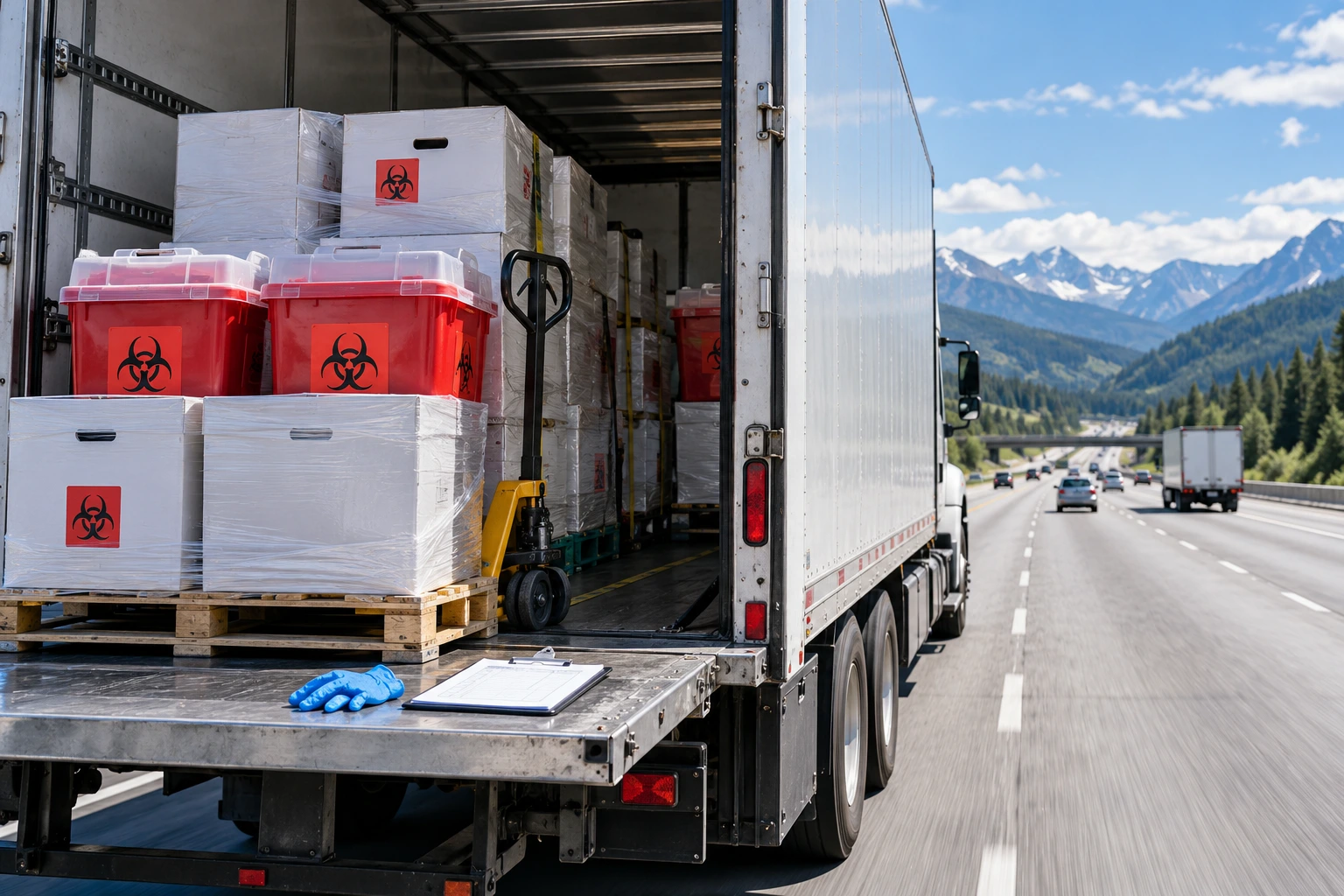
Reusable medical waste containers go through a rigorous cycle designed to maximize safety while minimizing environmental impact. The process begins with the placement of containers in designated areas throughout a facility. Once complete, trained technicians collect them and transport them in secure vehicles that comply with all DOT and OSHA regulations.
After transport, containers enter a high-level sanitization and disinfection system. These systems use high temperatures, specialized detergents, and mechanical cleaning technology to remove contaminants and neutralize pathogens. Containers are inspected after washing to ensure that all components, including lids and locking mechanisms, remain intact and fully functional. Only containers that pass inspection are placed back into circulation, ensuring that every facility receives containers that meet the highest standards for infection control and prevention.
This reuse cycle can be repeated hundreds of times before the container is retired and recycled. Because each reusable container eliminates the need for dozens of single-use containers, the environmental impact is significantly lower. Facilities often see measurable reductions in waste volume, improved inventory control, and a cleaner, more organized waste-handling environment.
Expanding Sustainability Across All Medical Waste Streams
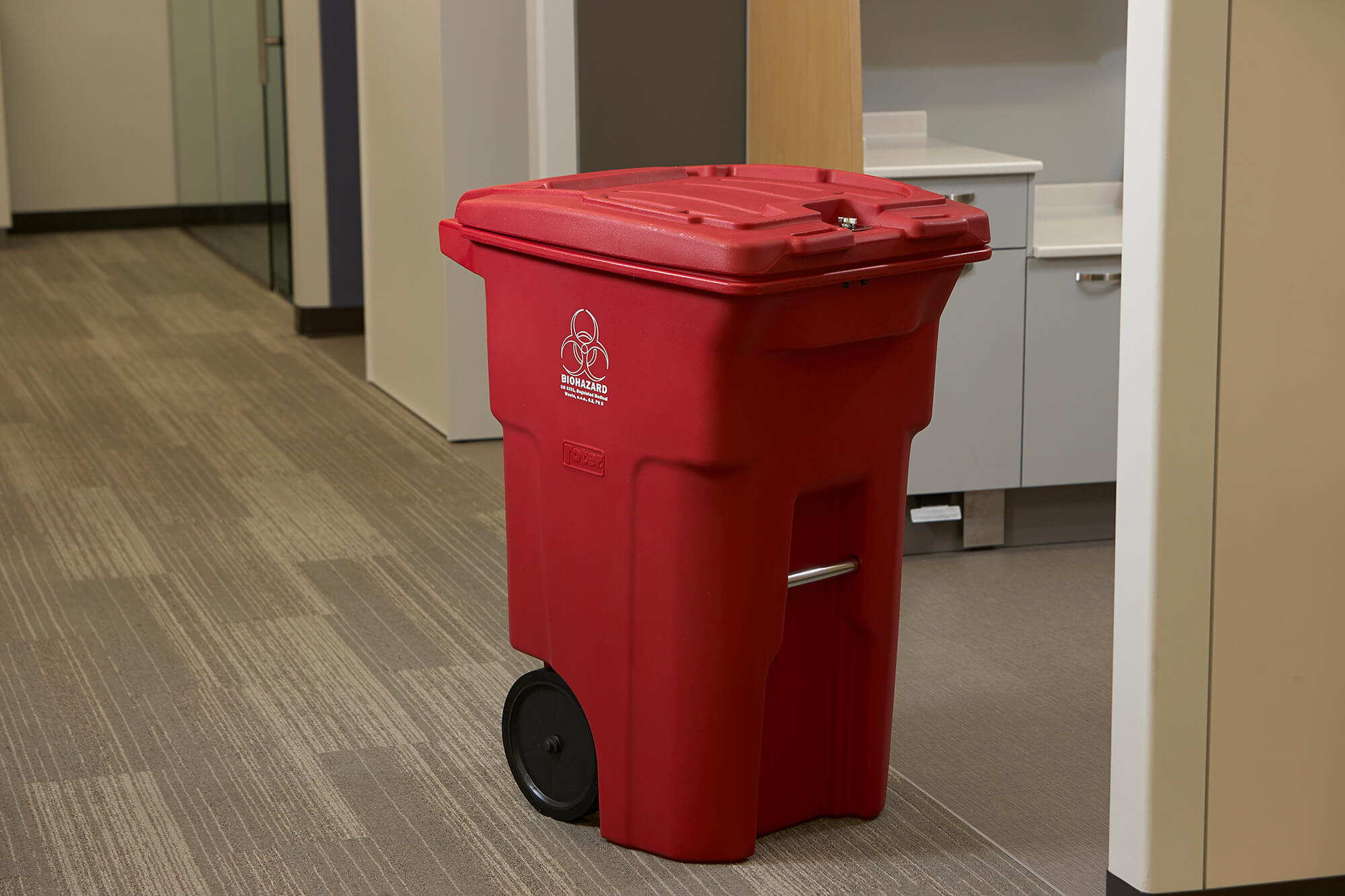
Although sharps containers constitute a significant focus, reusable systems can be applied to multiple waste streams within healthcare. These include reusable containers for regulated medical waste and pharmaceutical waste, as well as specialized containers for trace chemotherapy waste and the disposal of hazardous drugs.
Many clinical and laboratory environments begin their sustainability journey by implementing reusable sharps containers, but soon discover additional opportunities to reduce waste throughout their operations. By using reusable containers for multiple waste categories, facilities create a more consistent workflow, reduce supply ordering, minimize container storage needs, and streamline their waste-handling systems.
Secure Waste helps organizations identify which waste streams can be safely transitioned to reusable systems. The transition not only reduces environmental impact but also streamlines training, enhances workflow, and promotes long-term compliance across diverse clinical departments.
How Sustainability Improves Safety for Healthcare Workers
Environmental sustainability and employee safety are interconnected. Reusable containers support safer work practices by providing stronger, more durable protection against sharp injuries. OSHA’s Bloodborne Pathogens Standard emphasizes the importance of safe sharps disposal and requires containers that resist punctures, minimize overfilling, and reduce the risk of accidental contact.
Because reusable containers are sturdier than disposable alternatives, they are less likely to crack or become damaged. This durability reduces the hazards associated with handling, transporting, and storing contaminated sharps. Many reusable containers also feature safety enhancements, including hands-free operation, tamper-resistant lids, and improved ergonomic designs, which help reduce strain and the risk of injury among staff.
A safer work environment reduces OSHA violations, decreases workers’ compensation claims, and improves employee morale. When staff members feel protected, they are more likely to comply with disposal procedures consistently and maintain a cleaner, safer clinical environment.
Supporting Environmental Regulations Through Reusable Container Programs
Reusable container systems support a wide range of regulatory requirements. OSHA mandates that sharps containers must be puncture-resistant, leakproof, properly labeled, and replaced before they become overfilled. EPA regulations emphasize the proper labeling, transportation, and treatment of waste, while the DOT requires safe packaging and compliant container specifications during transit.
Reusable containers meet or exceed these standards through strong construction, secure locking systems, and compatibility with required labeling. Because the containers are professionally cleaned and inspected after every use, they maintain regulatory compliance throughout their lifecycle.
Secure Waste provides documentation, tracking, and regulatory support to help facilities demonstrate compliance during audits or inspections. This includes detailed records of waste pickup, container sanitization, staff training, and waste destruction. A well-documented waste management system reduces the risk of fines, violations, and operational disruptions.
Conclusion
Reusable medical waste containers represent one of the most impactful steps healthcare organizations can take toward sustainability. By significantly reducing plastic waste, improving sharps safety, and supporting compliance with OSHA, EPA, and state regulations, these systems help facilities protect both their employees and the environment. Secure Waste provides the resources, expertise, and high-quality container systems needed to implement a safe, sustainable, and fully compliant waste disposal program.
Healthcare organizations seeking to reduce their environmental footprint, enhance safety, and streamline waste management can significantly benefit from reusable container solutions. With proper sanitization, regular inspection, and expert support from Secure Waste, reusable systems deliver long-term environmental and operational value. For healthcare facilities ready to build a greener future while maintaining the highest standards of safety and compliance, Secure Waste offers the ideal partner for sustainable waste management.
Expert Medical Waste Management: With over 25 years of industry experience, Secure Waste is a trusted local leader in hazardous and biohazardous waste disposal across Maryland, Virginia, and Washington, D.C. Specializing in medical waste management, sharps needle disposal, and biohazard waste removal, the company ensures full compliance with federal, state, and local regulations while prioritizing environmental sustainability.
The company also offers additional services, including secure document shredding and sharps container sales, providing comprehensive solutions for healthcare facilities and businesses. Our cost-effective services help clients maintain regulatory compliance without unexpected costs.
With a commitment to customer satisfaction, Secure Waste offers tailored waste management plans that align with industry best practices. Their team of experts provides reliable, timely, and compliant services, making them the preferred choice for medical waste disposal. For a free waste quote or more information, visit www.securewaste.net