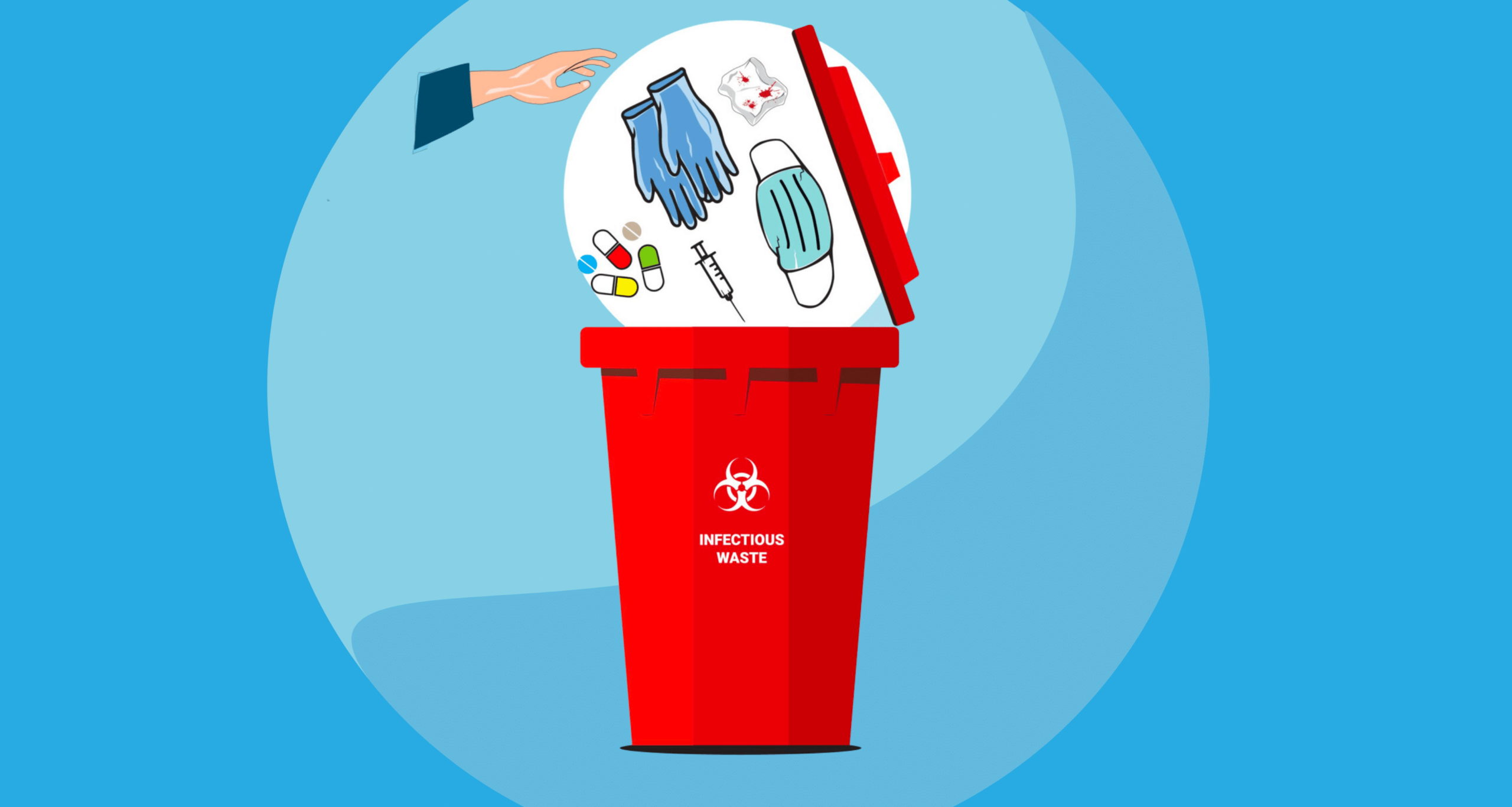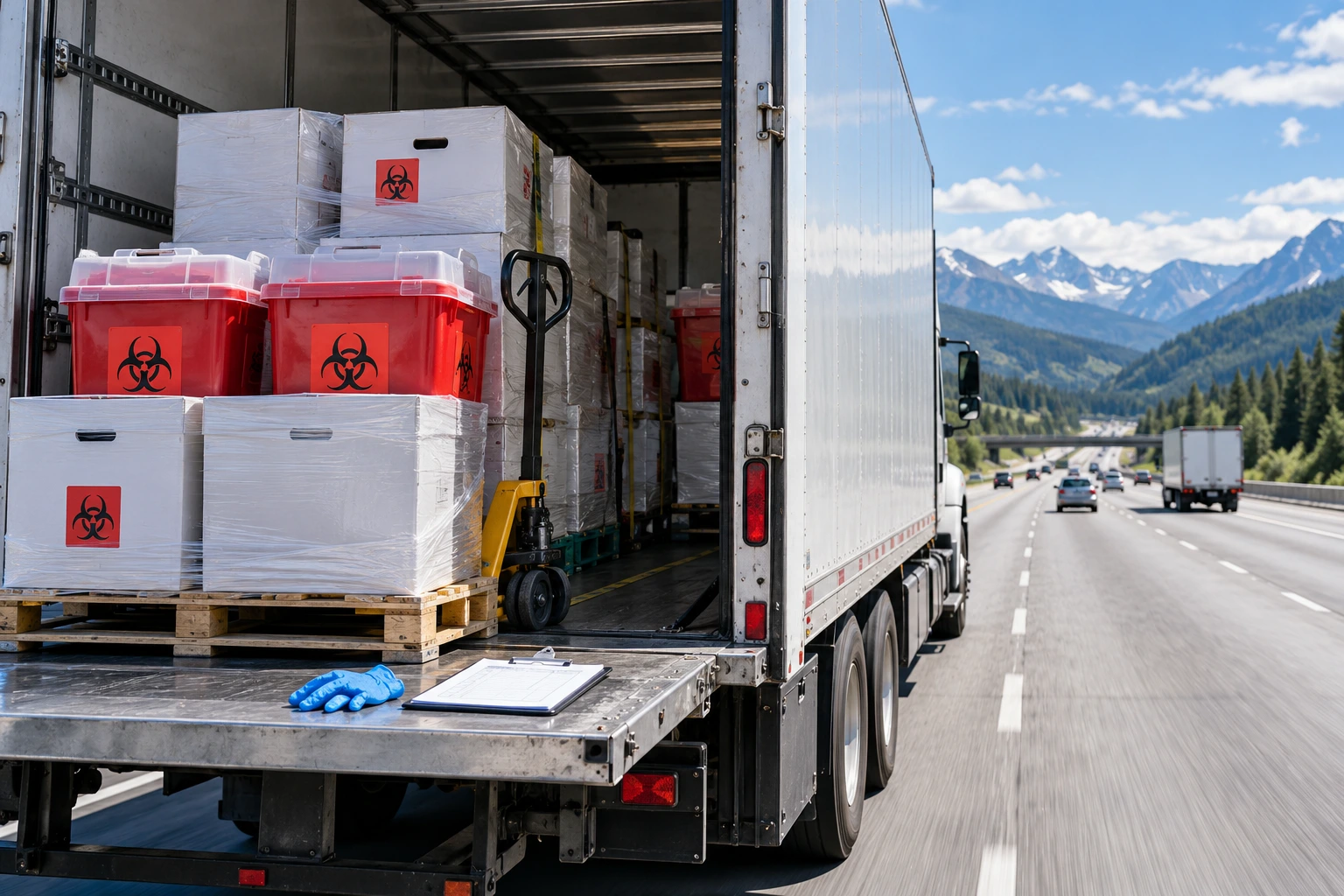
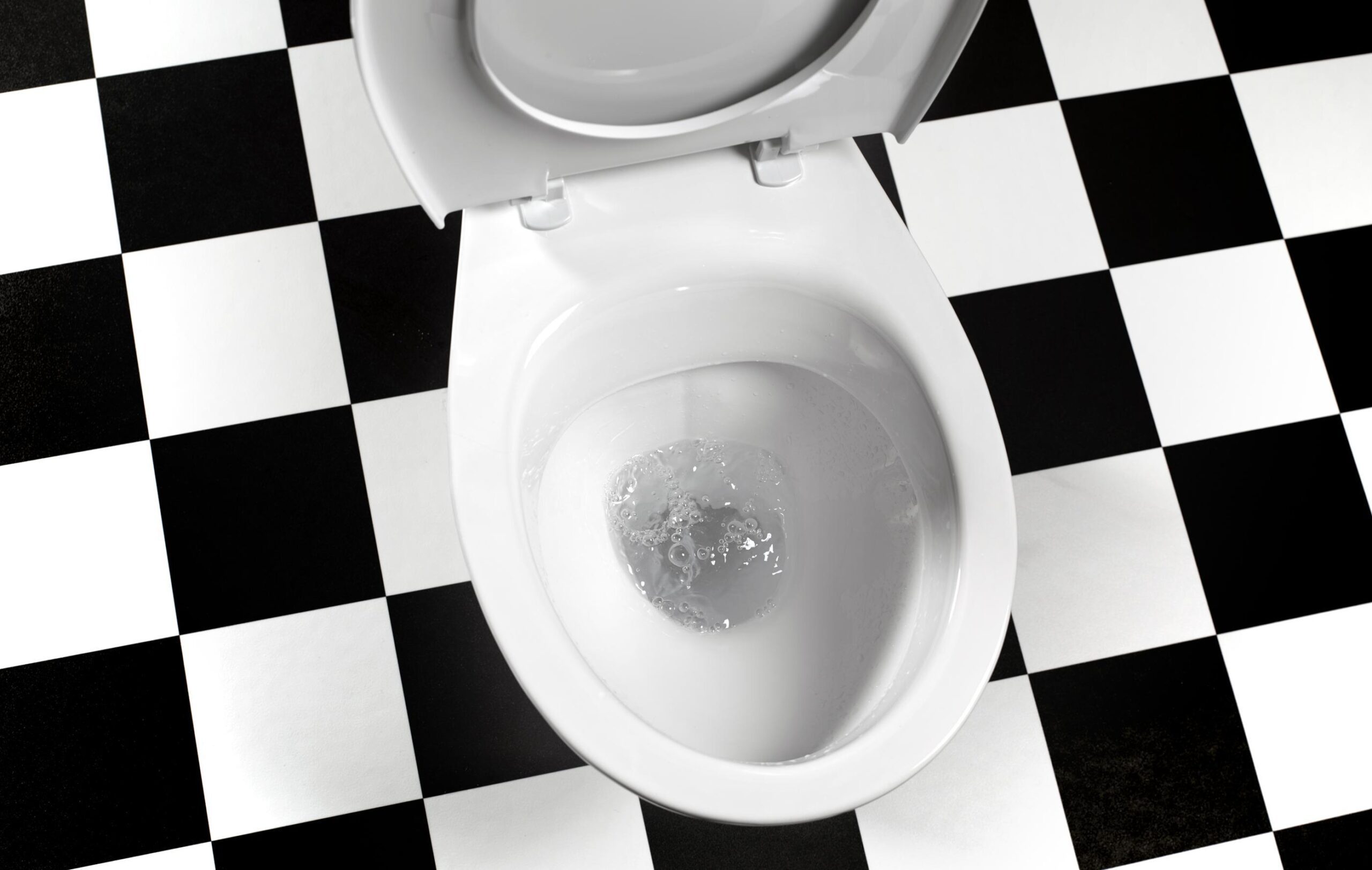
Secure Waste frequently receives inquiries about the classification of human waste, and the succinct answer is that it should be regarded as biohazardous material. As a local leader in the safe disposal of biohazard and medical sharps, Secure Waste specializes in transporting and disposing of biohazard waste for organizations that handle the cleanup of human waste, crime scenes, or other hazardous situations. Let’s delve deeper into the reasons why human waste is deemed a biohazard and the significant health risks it poses.
Human feces are classified as a biohazard due to the presence of a multitude of pathogens that can pose significant health risks. These waste products, originating from the digestive system, harbor trillions of microorganisms. While a majority of these microbes are benign, feces can also contain harmful bacteria, viruses, and parasites. Noteworthy pathogens include E. coli, Hepatitis A, Giardia, and Norovirus, each of which is associated with serious health complications that can affect individuals of all ages.

The potential for disease transmission stemming from feces is considerable. Pathogens can lead to an array of illnesses, including severe Clostridium difficile infections, hepatitis caused by viruses A and E, gastrointestinal distress from E. coli, as well as various parasitic infections brought on by Giardia, and outbreaks of the highly contagious Norovirus. These infections can occur through multiple exposure routes, including ingestion, direct skin contact, and contamination of surfaces and water sources.
To handle and clean up human feces safely, it is imperative to follow rigorous safety protocols. Start by donning protective gear, which should include durable, impermeable gloves. For added safety, experts recommend supplementary protective measures, including rubber boots, liquid-repellent coveralls, and a mask or eye shield, to minimize exposure.
When addressing waste, utilize disposable tools such as sturdy bags, absorbent paper towels, or specialized wipes to remove solid matter methodically. It is crucial to thoroughly saturate the affected area with a potent disinfectant, ensuring that all surfaces are addressed effectively. After disinfection, rinse the area carefully and allow it to air dry completely to ensure maximum pathogen elimination.
In instances of significant contamination or when the cleanup process feels overwhelming, it is wise to seek help from a professional biohazard cleanup service. These trained specialists possess the necessary equipment, advanced training, and industrial-strength cleaning agents to ensure that the area is meticulously cleaned, disinfected, and sanitized, thereby significantly reducing any health risks associated with contamination.
Expert Medical Waste Management: With over 25 years of industry experience, Secure Waste is a trusted local leader in hazardous and biohazardous waste disposal across Maryland, Virginia, and Washington, D.C. Specializing in medical waste management, sharps needle disposal, and biohazard waste removal, the company ensures full compliance with federal, state, and local regulations while prioritizing environmental sustainability.
The company also offers additional services, including secure document shredding and sharps container sales, providing comprehensive solutions for healthcare facilities and businesses. Our cost-effective services help clients maintain regulatory compliance without unexpected costs.
With a commitment to customer satisfaction, Secure Waste offers tailored waste management plans that align with industry best practices. Their team of experts provides reliable, timely, and compliant services, making them the preferred choice for medical waste disposal. For a free waste quote or more information, visit www.securewaste.net