Secure Waste explains that Obstetrics and Gynecology (OBGYN) practices in the DMV play an essential role in the healthcare system, and that this responsibility entails strict adherence to established protocols for the disposal of Regulated medical waste (RMW).
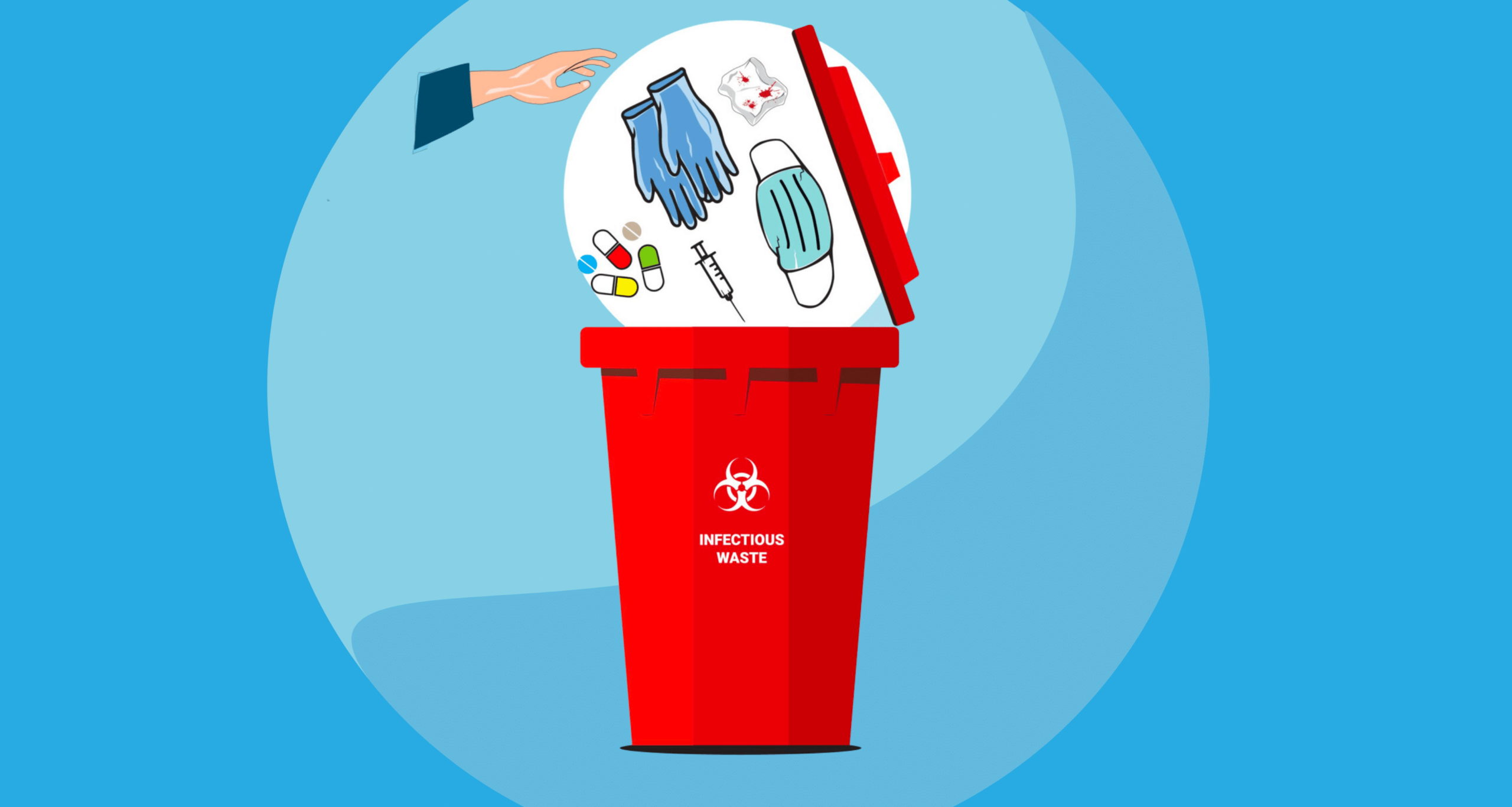
This category comprises materials that pose considerable health risks if not handled properly, including blood-soaked items, bodily fluids, contaminated textiles, and sharps (like needles and scalpel blades).
Proper disposal of these materials is critical for protecting both healthcare providers and patients from potential infections and other health hazards.

Welcome to Secure Waste, the DMV’s premier provider of medical waste disposal services, proudly serving the community for over 30 years.
We specialize in compliant, eco-friendly waste management solutions tailored for OBGYN practices, ensuring the highest standards of safety and regulatory compliance. Our dedicated team has extensive experience and a deep understanding of the unique waste management needs of medical facilities.
We offer our services throughout various regions, including Montgomery County, Prince George’s County, Fairfax, Loudoun County, and Arlington, among others, ensuring that medical professionals across these areas have access to top-tier waste disposal solutions.
At Secure Waste, we provide a comprehensive range of services, including medical waste disposal, sharps container management, hazardous waste management, and pharmaceutical disposal, all designed with the specific needs of GYN practices in mind.
Our commitment to reliability and affordability means that we do not require long-term contracts, allowing your practice to stay compliant and safe without the burden of hidden fees or agreements.
For peace of mind and professional medical waste disposal, contact Secure Waste today at 877-633-7328. Let us handle your waste management needs, so you can focus on what matters most—providing exceptional care to your patients.
In the bustling environment of an OBGYN clinic patient care is the top priority Yet one crucial aspect often goes unnoticed the responsible disposal of medical waste Proper medical waste management is not just a regulatory requirement its a commitment to safeguarding the health of patients staff and the environment
Lets explore why effective medical waste disposal is essential for OBGYN clinics and how implementing best practices can enhance patient safety and clinic efficiency From ensuring regulatory compliance to minimizing health risks a robust waste management strategy reflects a clinics dedication to excellence in care Join us in prioritizing the responsible disposal of medical waste for a healthier tomorrow
Ensure Safe Medical Waste Disposal For OBGYN Clinics In The DMV
To ensure safe and compliant disposal in the DMV, these materials must be placed in OSHA-approved red biohazard bags.
These bags are not only visually distinctive to signal the hazardous nature of their contents but also constructed to withstand punctures and leaks. Once filled, the biohazard bags should be stored in robust, leakproof, and puncture-resistant containers specifically designed for hazardous waste.
These containers must be clearly labeled to prevent confusion about their contents.
Effective management of RMW requires engaging the services of contracted, licensed disposal companies such as Secure Waste.
These firms possess the expertise to ensure compliance with both federal and state regulations while ensuring timely, safe waste pickup.
Their meticulous processes protect healthcare providers and patients from the serious risks associated with handling infectious waste, thereby minimizing costly regulatory fines and enhancing overall public health.
Ready to ensure your OBGYN practice is environmentally responsible and compliant Discover the vital guidelines for safely and effectively disposing of medical waste in the DC Maryland and Virginia areas Lets work together to keep our communities safe and healthy by following these best practices
Key Medical Waste Disposal Guidelines For OBGYN Practices DC-MD-VA
- Regulated Medical Waste (RMW): All items saturated with blood or other potentially infectious materials—including gauze, surgical dressings, personal protective equipment (PPE), and surgical tissues—must be placed in clearly marked red biohazard bags. The use of these bags plays a vital role in preventing mishandling and ensuring that all personnel are aware of the hazardous nature of these items.
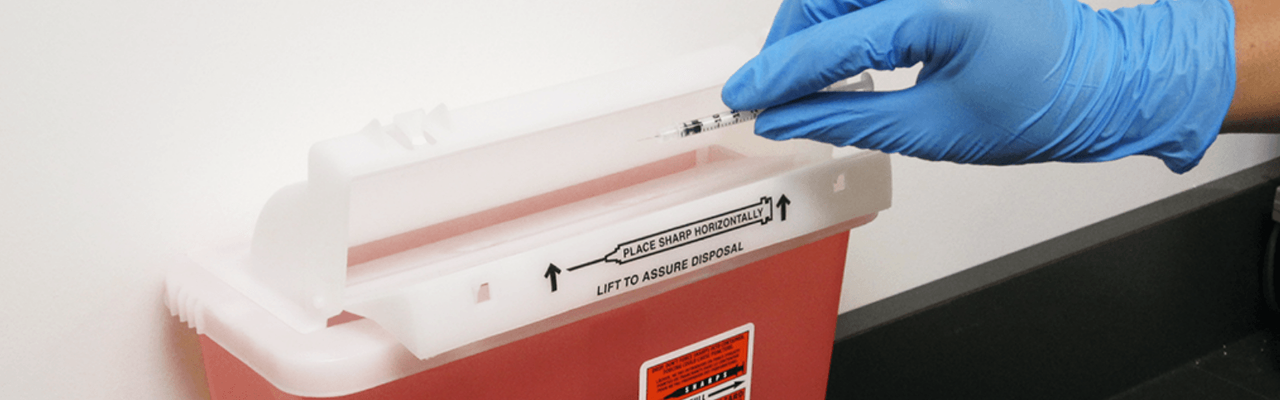
- Sharps Disposal: Items such as needles, scalpels, and syringes present considerable risks for injury and infection. Therefore, these items must be disposed of immediately in specially designed, puncture-resistant, leakproof containers. Such containers should be strategically located throughout the practice—especially in areas where procedures are performed—to promote prompt disposal and significantly reduce the risk of accidents and needle-stick injuries.
- Storage Requirements: Biohazard containers must be stored in secure, designated areas that are easily accessible for routine pickups by licensed waste management services. This precaution ensures that waste is not left unattended, which could lead to tampering or accidental exposure. The designated storage area should also be compliant with relevant guidelines to prevent unauthorized access, thereby maintaining the safety of staff and patients.
- Regulatory Compliance: Adhering to both OSHA safety regulations and EPA/state-specific guidelines—such as those mandated by the Maryland Department of the Environment—is crucial for maintaining a safe operating environment. OBGYN practices should regularly review and update their policies to reflect any changes in regulations governing medical waste disposal, ensuring ongoing compliance and safeguarding community health.
- Professional Services: Practices should utilize licensed and insured medical waste disposal companies like Secure Waste for comprehensive management of the entire waste cycle. This includes not only the safe pickup, transport, and disposal of hazardous waste but also the management of various types of waste, including pharmaceutical and pathological materials. By partnering with a reputable professional service, practices can ensure that all disposal activities are conducted in accordance with the highest safety standards, ultimately protecting both public health and the environment.
For OBGYN practices in Maryland, Virginia, and the District of Columbia (D.C.), compliance with state-specific regulations governing small- and large-volume medical waste generators is imperative.
By adhering to these guidelines, practices help safeguard public health and contribute positively to environmental protection.
Regular training sessions and updates for all staff on proper waste disposal procedures can further enhance compliance and safety within the practice, fostering a culture of responsibility and care in medical waste management.

In Conclusion:
Secure Waste will save you money on Regulated healthcare waste disposal. We understand these hazards.
Staying informed and proactive is vital as new disposal management challenges arise. Together, we can prioritize health and safety, increase awareness, and promote responsible actions to create a healthier future for all in Maryland, Virginia, and D.C.
We provide reliable, compliant, and environmentally friendly waste disposal solutions tailored to your facility’s specific needs.
Disclaimer: This information is provided for reference purposes only and should not be considered as legal advice or factual information at the time of your reading. Regulations frequently change and can vary from state to state. We encourage you to contact your local regulatory authorities or Secure Waste directly for the most current information. Please note that Secure Waste is not liable, in part or in whole, for any information contained on this page or website.
Expert Medical Waste Management: With over 25 years of industry experience, Secure Waste is a trusted local leader in hazardous and biohazardous waste disposal across Maryland, Virginia, and Washington, D.C. Specializing in medical waste management, sharps needle disposal, and biohazard waste removal, the company ensures full compliance with federal, state, and local regulations while prioritizing environmental sustainability.
The company also offers additional services, including secure document shredding and sharps container sales, providing comprehensive solutions for healthcare facilities and businesses. Our cost-effective services help clients maintain regulatory compliance without unexpected costs.
With a commitment to customer satisfaction, Secure Waste offers tailored waste management plans that align with industry best practices. Their team of experts provides reliable, timely, and compliant services, making them the preferred choice for medical waste disposal. For a free waste quote or more information, visit www.securewaste.net