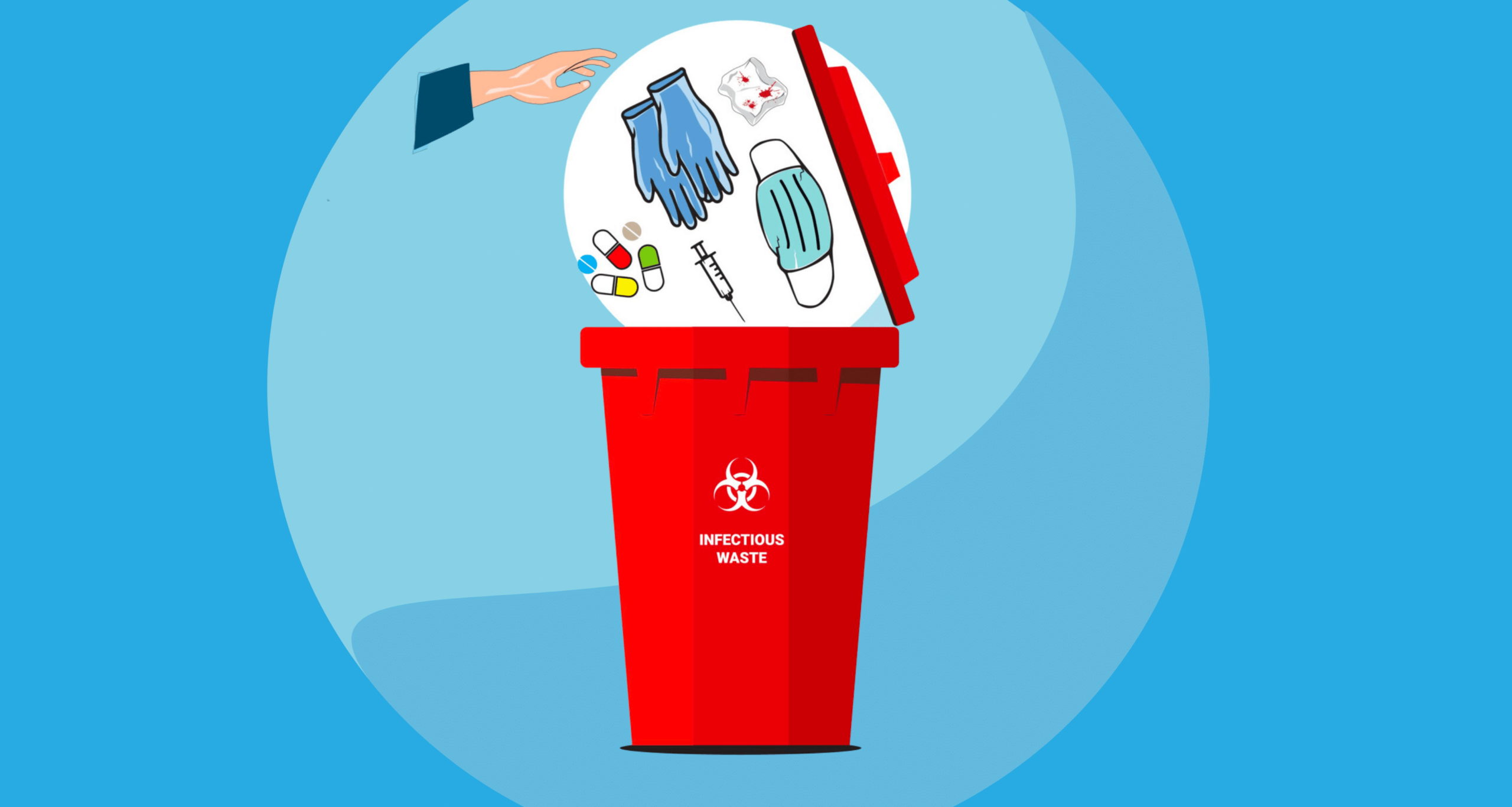
Asthma and allergy medical waste, including inhalers, needles, and various medications, must be disposed of properly to safeguard public health and protect the environment.
Adhering to safe disposal methods—such as a full-service medical waste disposal company like Secure Waste or, for home use, participating in authorized takeback programs, using pharmacy drop-offs (available at chains like CVS and Walgreens), or using specially designated, puncture-proof containers for sharp objects —can significantly reduce the risks associated with improper disposal.
By ensuring effective medical waste disposal, asthma and allergy centers can create a safe, sanitary environment, enabling them to deliver exceptional care while remaining environmentally conscious!
Effective management of this waste not only prevents environmental contamination but also curbs misuse and minimizes the risk of accidental injury.

Welcome to Secure Waste, a trusted leader in medical waste disposal and management throughout the DMV area—specifically in Washington, D.C., Maryland, and Virginia.
With years of experience serving healthcare providers, Secure Waste has established itself as the preferred choice among physicians, allergists, and medical facilities.
Our services encompass the safe and compliant handling of various types of medical waste, including sharps, pathological waste, pharmaceuticals, and biohazardous materials.

In the densely populated DMV region the safe and responsible disposal of biohazard waste is critical Our services are designed to address the complex challenges posed by hazardous materials ensuring your disposal needs are met with professionalism and expertise We take the burden off your shoulders providing tailored solutions to keep our community safe and compliant
We prioritize safety and regulatory compliance, ensuring that all waste is managed in accordance with the latest local, state, and federal guidelines.
At Secure Waste, we understand that properly disposing of medical waste is crucial to public health and environmental safety.
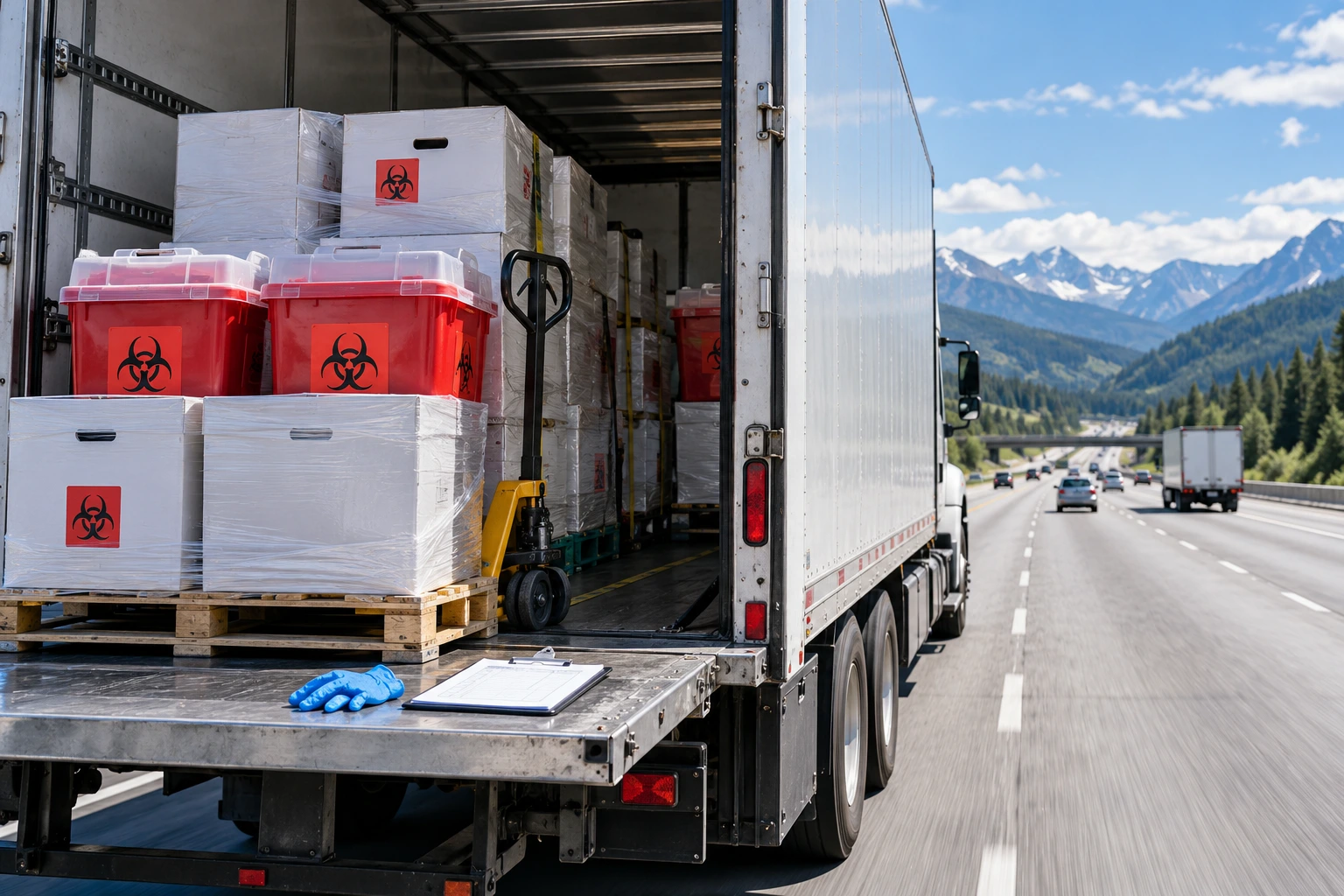
Our dedicated team of trained professionals utilizes state-of-the-art equipment and innovative processes to guarantee the efficient and secure handling of waste—from collection to transportation and final disposal.
Our commitment to excellence means we not only meet but exceed the standards set for medical waste management.
By choosing Secure Waste, healthcare providers can focus on what they do best, knowing that their waste management needs are in reliable hands. Trust Secure Waste as your go-to partner for responsible healthcare waste management, and enjoy peace of mind knowing that you’re contributing to a safer environment for all.
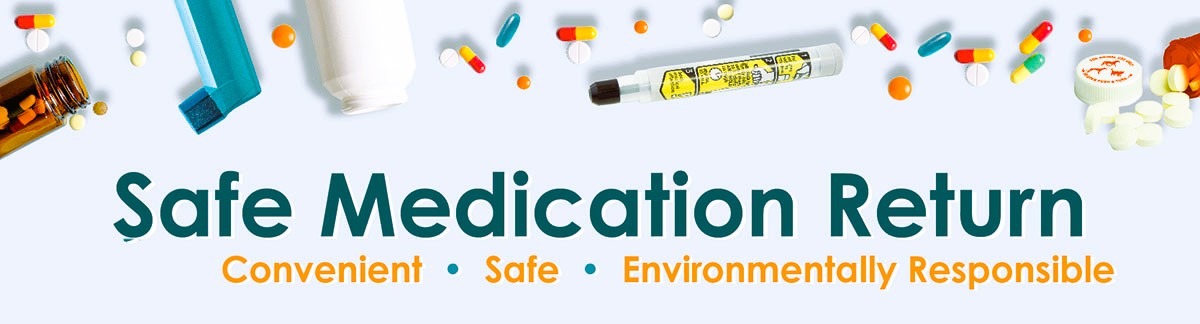
Asthma & Allergy Waste Disposal Methods:
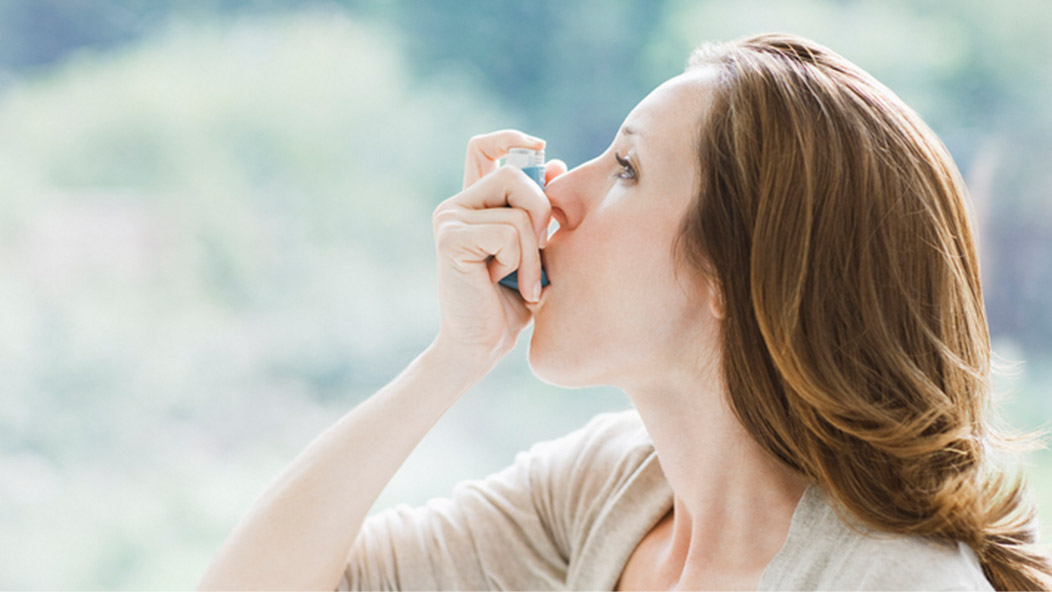
- Inhalers: Inhalers play a vital role in managing asthma and allergy symptoms. Because they contain pressurized chemicals, they should never be punctured or incinerated, as this could lead to dangerous chemical releases and environmental hazards. Individuals are encouraged to return expired or used inhalers to pharmacies that have established take-back programs, such as Walgreens or CVS. Alternatively, they can be taken to certified local hazardous waste facilities, which ensure safe handling and processing of these devices.
- Needles/Sharps: Needles and other sharp instruments pose a significant risk of injury and infection to individuals and waste disposal workers. To promote safety, always place needles in FDA-approved, puncture-resistant sharps containers. Once a container reaches three-quarters of its capacity, it should be transported to local authorized drop-off sites or take-back programs for secure disposal. This minimizes the risk of needle-stick injuries and protects both waste disposal workers and the general public from potential harm.
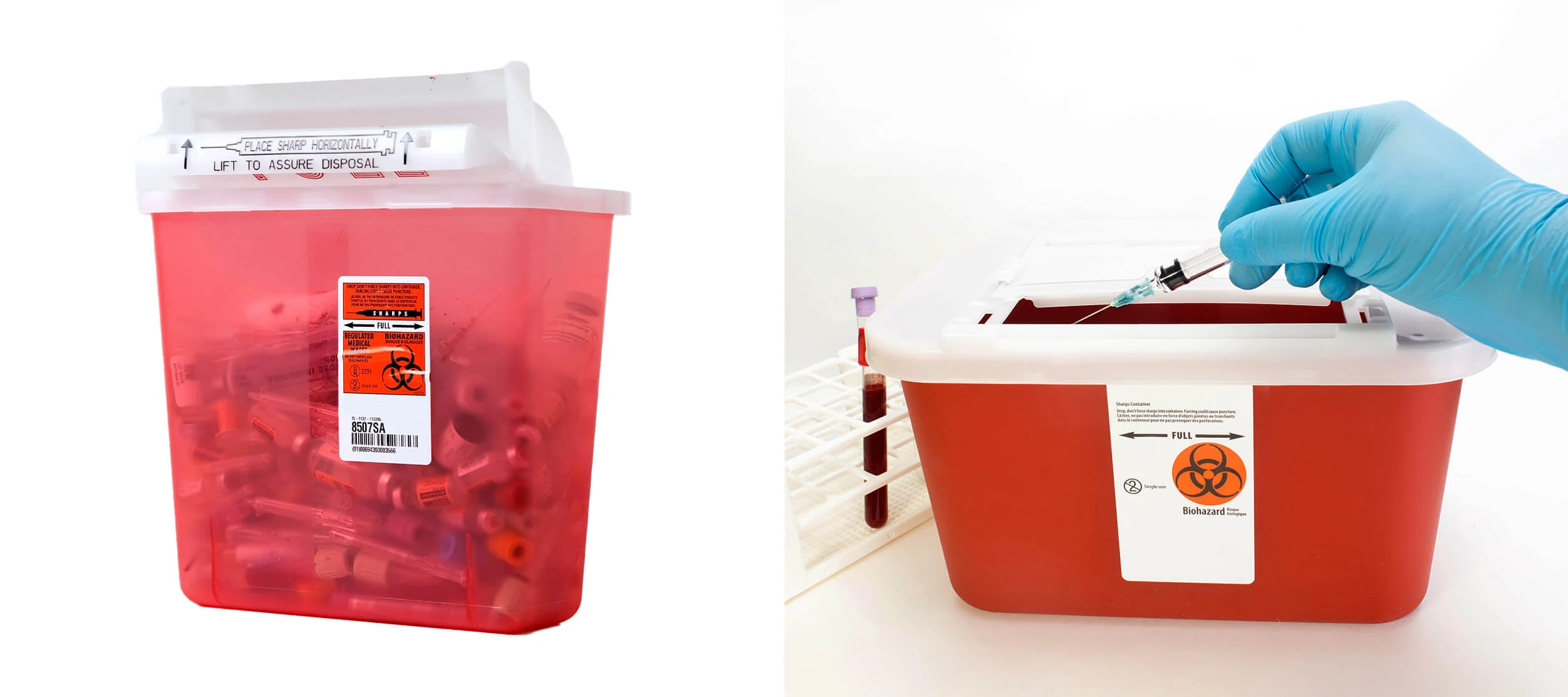
“Safe and Responsible Disposal of Needle Sharps: A Guide for Asthma and Allergy Sufferers in Maryland, Virginia & Washington D.C.”
- Medication: Unwanted or unused medications that are no longer needed should never be disposed of in standard household trash. Instead, they should be taken to designated drug take-back locations where they can be safely processed and disposed of. Many communities also offer mail-back programs featuring specialized envelopes for the safe transport and disposal of medications. Key locations for disposal can include community centers, local pharmacies, and law enforcement agencies, which often facilitate these services.
- Locating Services: Residents seeking specific disposal options in their areas can reach out to local police departments, fire departments, and health departments for guidance, or they can visit the Drug Enforcement Administration (DEA) website. This resource can help identify authorized collectors and outline specific procedures for safely managing medical waste within the community.
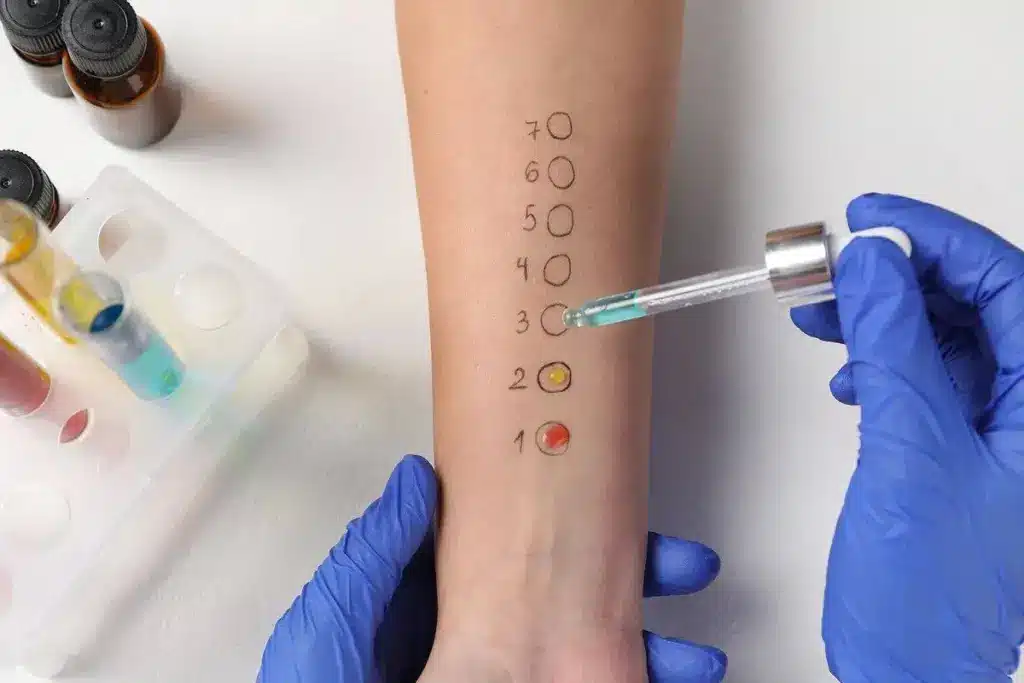
Maryland – Virginia – D.C. – Specific Resources:
- Local Disposal Options: Residents of Maryland, particularly in communities like Germantown and Olney, can access specialized waste disposal services like Secure Waste. This initiative focuses on the safe handling and disposal of sharps and medications, while ensuring compliance with state regulations governing medical waste disposal.
- Regulations: In Maryland, the Department of the Environment (MDE) is responsible for overseeing the disposal of medical waste. Comprehensive guidelines emphasize the importance of using certified transporters for large-scale disposal efforts, thereby minimizing risks of environmental contamination and public safety. Individuals and healthcare facilities need to comply with these regulations to protect both the community and the environment.
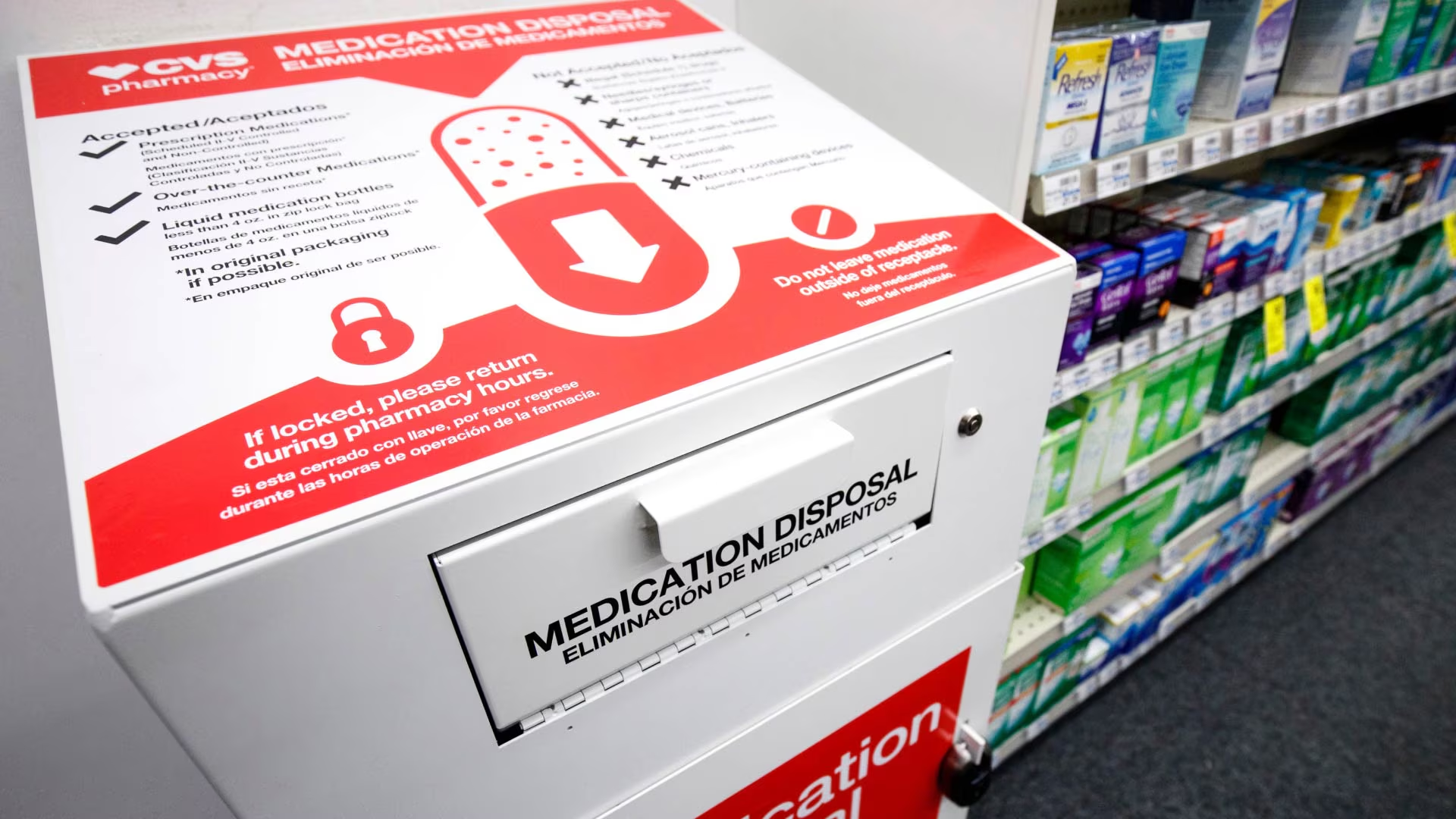
Managing asthma and allergies can involve various aspects including proper waste disposal to minimize environmental triggers Here are some effective waste disposal methods tailored for residents in the DMV DC Maryland Virginia area
At-Home Medical Waste Disposal Tips:
In situations where take-back programs are unavailable or hard to access, some medications may be safely discarded in household trash.
For safe disposal, mix any unwanted medications with unpalatable substances—such as used coffee grounds, soil, or kitty litter—before placing the mixture in a sealed, unmarked bag or container.
This method effectively prevents accidental ingestion by children or pets and ensures the medications cannot be mistaken for something benign.
Important Healthcare Waste Reminders In The DMV:
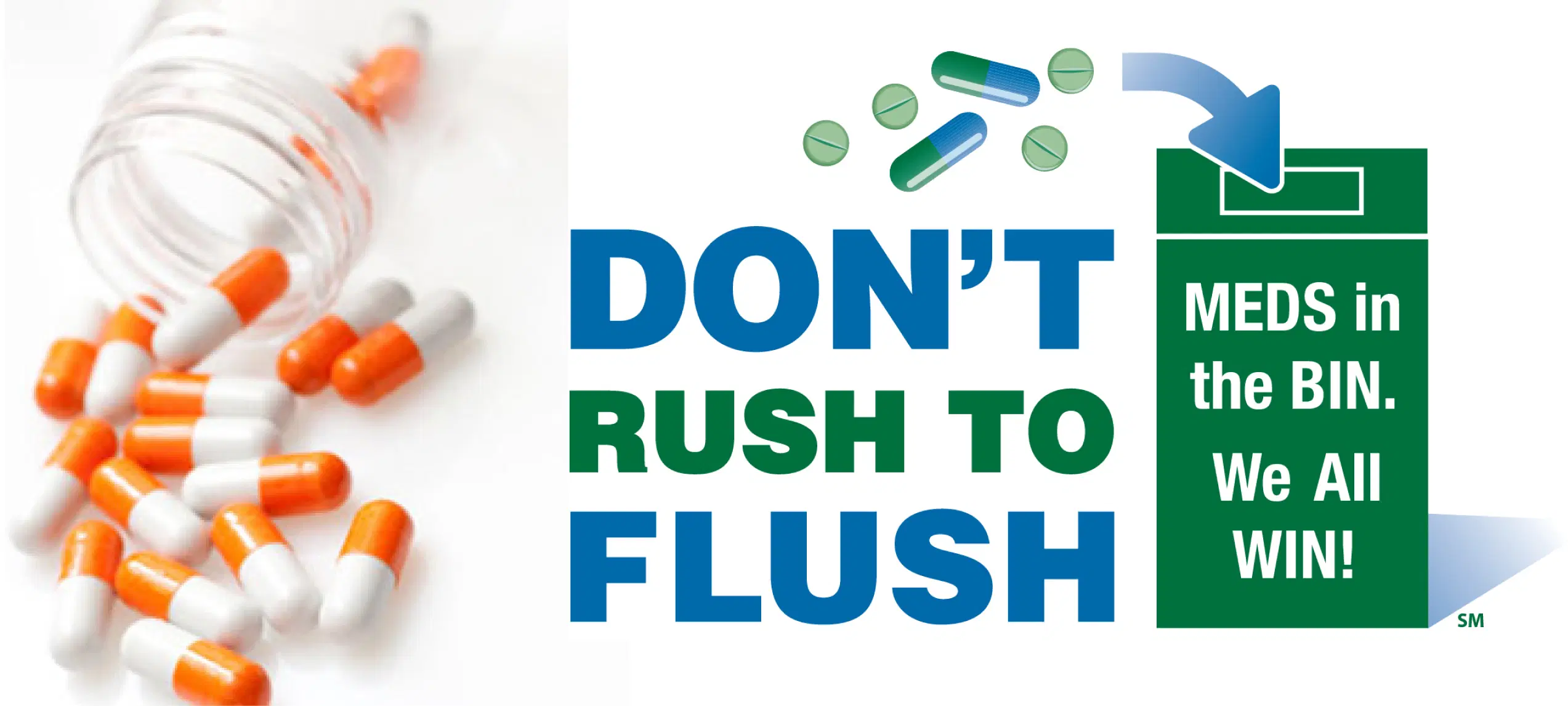
- Never flush medications down the toilet unless specifically instructed by the FDA, as this can lead to contamination of local water supplies and harm aquatic ecosystems.
- Avoid recycling sharps or repurposing disposal containers, as they present serious risks to waste workers and the public, increasing the likelihood of injury or contamination.
- Always verify with local CVS and Walgreens pharmacies regarding their specific drop-off options. By ensuring you dispose of your medical waste correctly and safely, you contribute to a healthier community and a cleaner environment. By following these detailed guidelines, individuals can play an integral role in protecting public health and maintaining environmental safety.
In Conclusion:
Secure Waste will save you money on Regulated healthcare waste disposal. We understand these hazards.
Staying informed and proactive is vital as new disposal management challenges arise. Together, we can prioritize health and safety, increase awareness, and promote responsible actions to create a healthier future for all in Maryland, Virginia, and D.C.
We provide reliable, compliant, and environmentally friendly waste disposal solutions tailored to your facility’s specific needs.
Disclaimer: This information is provided for reference purposes only and should not be considered as legal advice or factual information at the time of your reading. Regulations frequently change and can vary from state to state. We encourage you to contact your local regulatory authorities or Secure Waste directly for the most current information. Please note that Secure Waste is not liable, in part or in whole, for any information contained on this page or website.
Expert Medical Waste Management: With over 25 years of industry experience, Secure Waste is a trusted local leader in hazardous and biohazardous waste disposal across Maryland, Virginia, and Washington, D.C. Specializing in medical waste management, sharps needle disposal, and biohazard waste removal, the company ensures full compliance with federal, state, and local regulations while prioritizing environmental sustainability.
The company also offers additional services, including secure document shredding and sharps container sales, providing comprehensive solutions for healthcare facilities and businesses. Our cost-effective services help clients maintain regulatory compliance without unexpected costs.
With a commitment to customer satisfaction, Secure Waste offers tailored waste management plans that align with industry best practices. Their team of experts provides reliable, timely, and compliant services, making them the preferred choice for medical waste disposal. For a free waste quote or more information, visit www.securewaste.net