
Managing Waste From Patients With Infectious Diseases
During flu season and periods of increased viral transmission, healthcare facilities often see a surge in patients with infectious diseases.
While clinical care receives the most attention, one critical operational component is the proper handling and disposal of medical waste. Effective infectious waste management helps reduce the risk of disease transmission within healthcare facilities and the broader community.
A compliant waste program is essential for protecting staff, patients, and waste handlers.
Welcome to Secure Waste, the premier local leader in Maryland, Virginia, and Washington, D.C., for the management of infectious medical waste.
With over 30 years of experience in compliant infectious waste management and disposal, we specialize in processing a variety of infectious, medical, and sharps waste across the DMV (D.C., Maryland, Virginia) region.
At Secure Waste, our services cater to a broad spectrum of healthcare providers, including physicians, dentists, urgent care facilities, surgery centers, and veterinarians, ensuring that all aspects of infectious waste disposal are handled with the utmost care and professionalism.
We understand the critical importance of safe, efficient waste disposal, and our team is dedicated to complying with all regulatory guidelines to ensure the health and safety of our clients and the community. Infectious waste material includes a variety of waste streams. Secure Waste explains more.
If your facility generates infectious waste and requires reliable disposal services, don’t hesitate to reach out to us today at 877-633-7328. Let’s move forward and discuss your specific needs for managing infectious waste effectively.
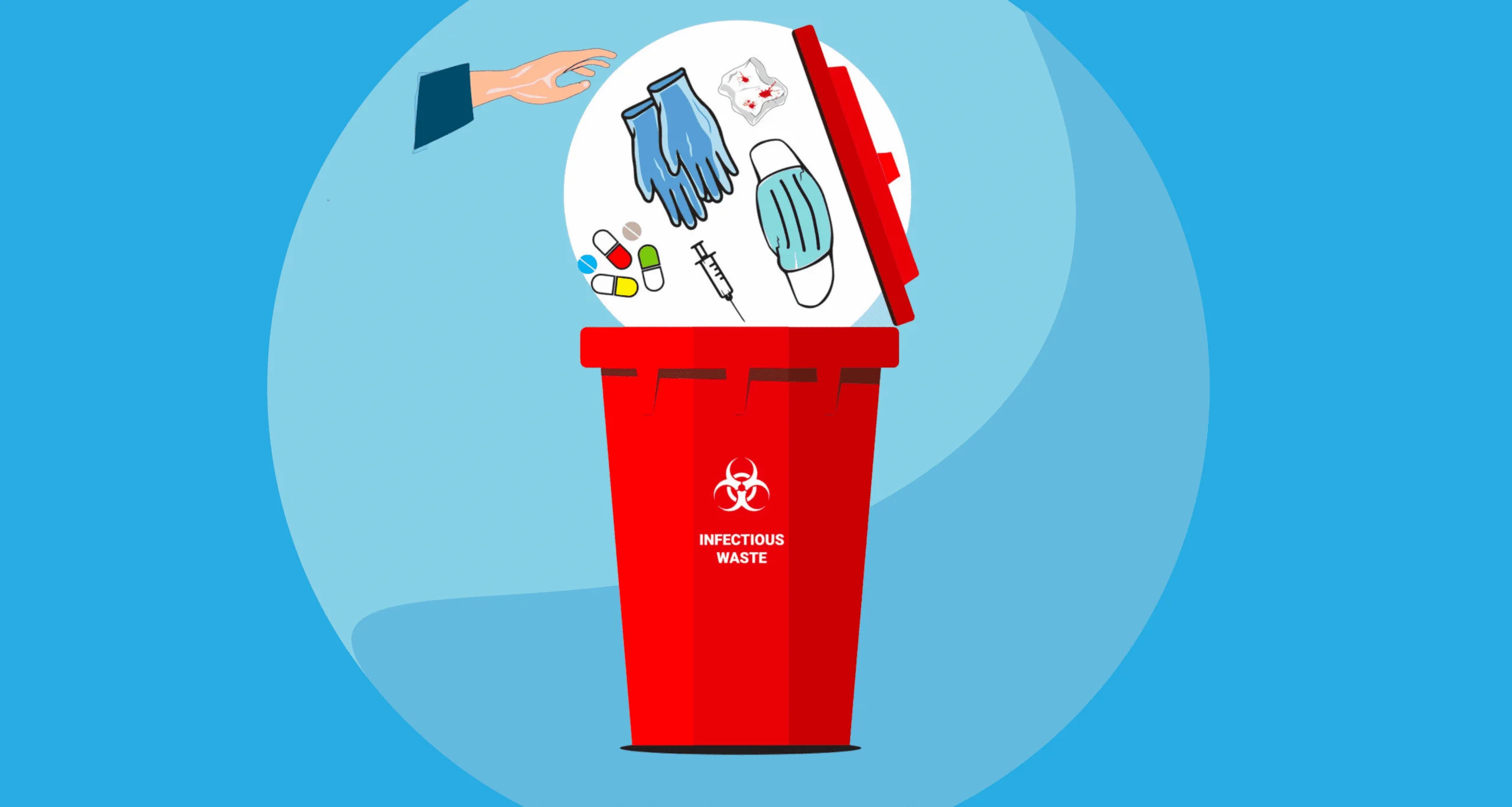
Infectious waste also known as biomedical or clinical waste includes any discarded materials that may pose a risk of infection to humans or the environment Healthcare facilities including hospitals clinics laboratories and pharmaceutical companies primarily generate this type of waste
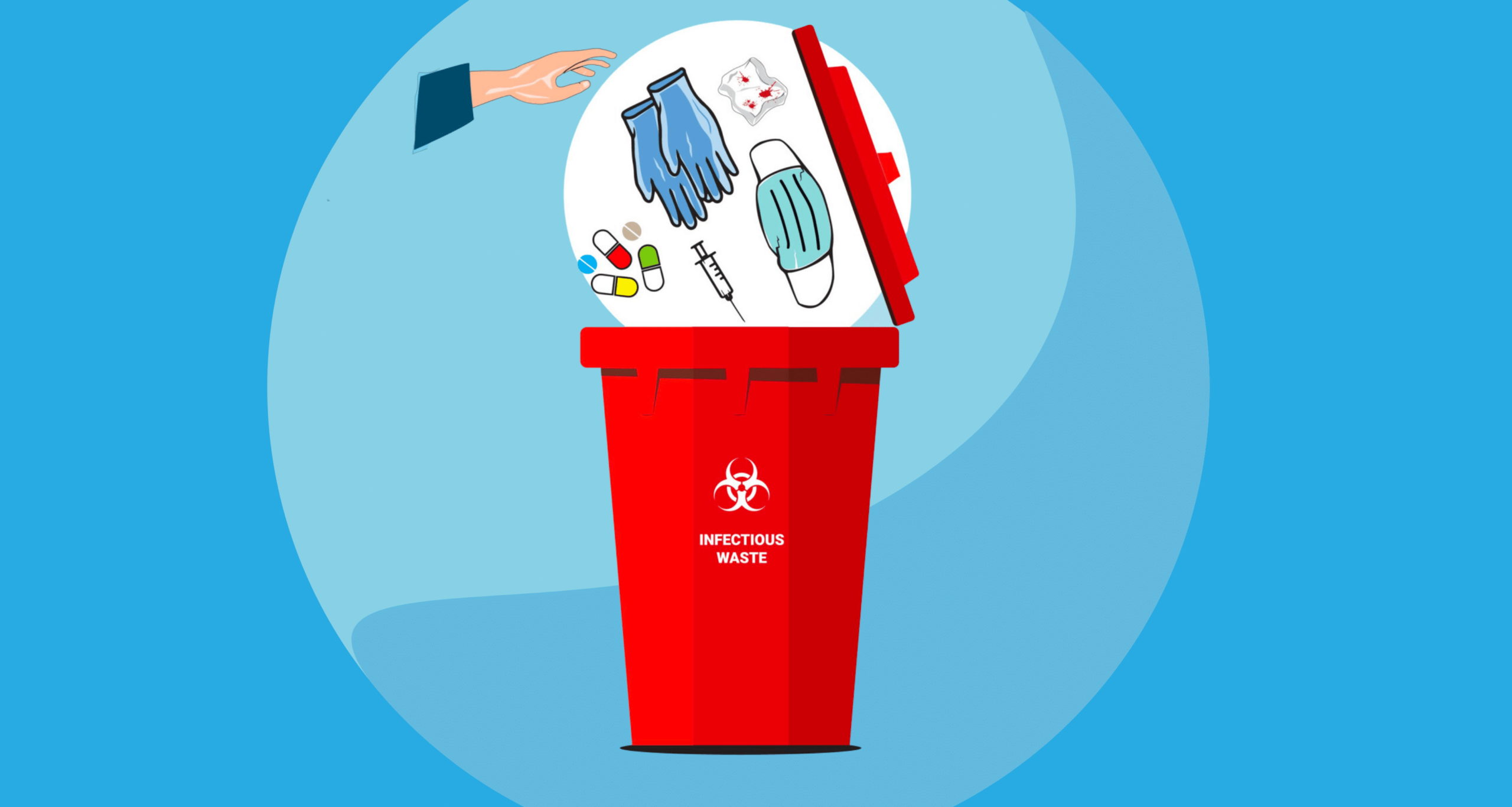
Infectious waste can include used syringes contaminated sharps human specimens pathological waste and other materials that have come into contact with infectious agents Proper management and disposal of this waste are crucial to preventing the spread of infections and ensuring public health and safety
Effective disposal methods typically include incineration autoclaving and chemical treatment all of which aim to neutralize any potential hazards Additionally regulations and guidelines are in place to guide healthcare providers and waste management companies in the safe handling and disposal of infectious waste
Understanding the nature of infectious waste and its proper management can significantly reduce the risk of healthcare associated infections and protect public health and the environment
What Is Infectious Waste?
Infectious waste is material suspected to contain pathogens, including bacteria, viruses, fungi, or parasites capable of causing disease. Examples include:
Waste contaminated with blood
Materials containing other potentially infectious materials (OPIM)
Unfixed tissues or organs
Certain laboratory materials
Infectious anatomical waste
Not all healthcare waste is infectious. In fact, the United Nations estimates that 75 to 90 percent of healthcare waste is non-risk waste. Proper classification is essential to avoid unnecessary treatment costs and environmental impact.

Effective waste management in healthcare settings is crucial to prevent unnecessary risks It is essential to accurately categorize infectious waste to ensure safety and compliance while avoiding the pitfalls of over classification Over classifying waste can lead to increased costs and unnecessary disposal measures potentially overwhelming waste management systems By implementing clear classification guidelines and training personnel healthcare facilities can streamline their waste management processes ensure proper handling and maintain environmental responsibility
Avoiding Over-Classification and Under-Classification
Healthcare organizations must strike a careful balance when categorizing waste.
Over-classification, or assuming all waste is infectious, increases treatment costs and environmental impact. Under-classification poses serious health risks, including the potential for disease transmission to healthcare workers, sanitation staff, and the community.
Adequate waste characterization supports both safety and cost control.
Other Healthcare Waste Categories
In addition to infectious waste, healthcare facilities generate other waste types that require different handling protocols:
Chemical waste
Pharmaceutical waste
Cytotoxic waste
Radioactive waste
Proper segregation ensures each waste stream is treated appropriately and in compliance with regulations.
Best Practices for Infectious Waste Segregation
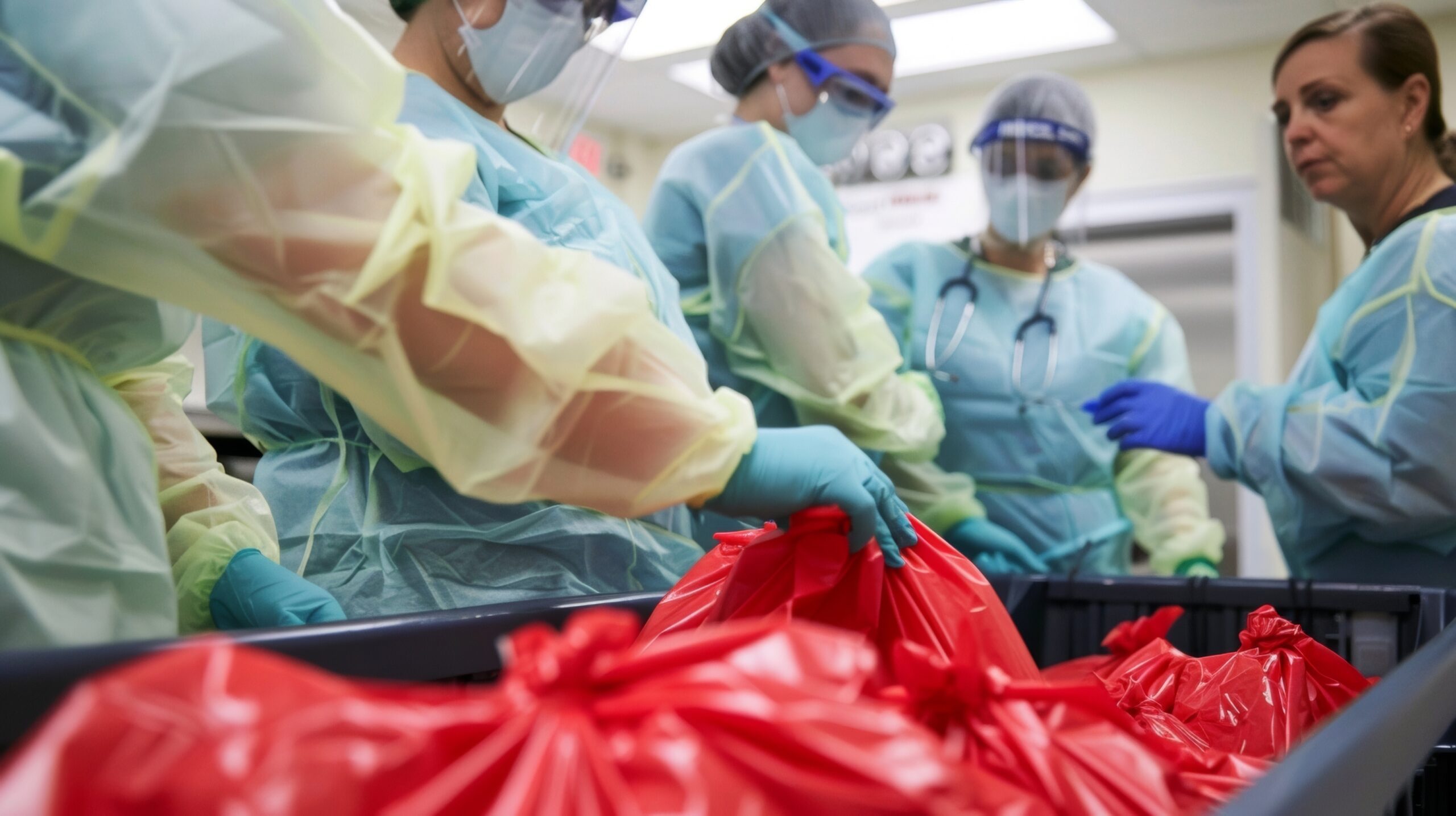
Segregation should occur at the point of generation. This prevents cross-contamination and reduces handling risks. Also, what is the proper protocol for the disposal of infectious waste? Best practices include:
Clear labeling and color-coded systems
Standardized policies and procedures
Immediate disposal into appropriate containers
Separating sharps from non-sharps waste
Using puncture-resistant sharps containers
Training employees to recognize and correctly segregate infectious waste is critical for maintaining compliance and reducing exposure risk.
Storage and Access Controls
Once segregated, infectious waste must be stored in accordance with regulatory requirements. Storage areas should:
Display the universal biohazard symbol
Limit access to trained personnel.
Maintain appropriate containment standards.
Prevent unauthorized handling
Precise access controls reduce accidental exposure and help maintain a safe environment.
Transportation and Treatment of Infectious Waste
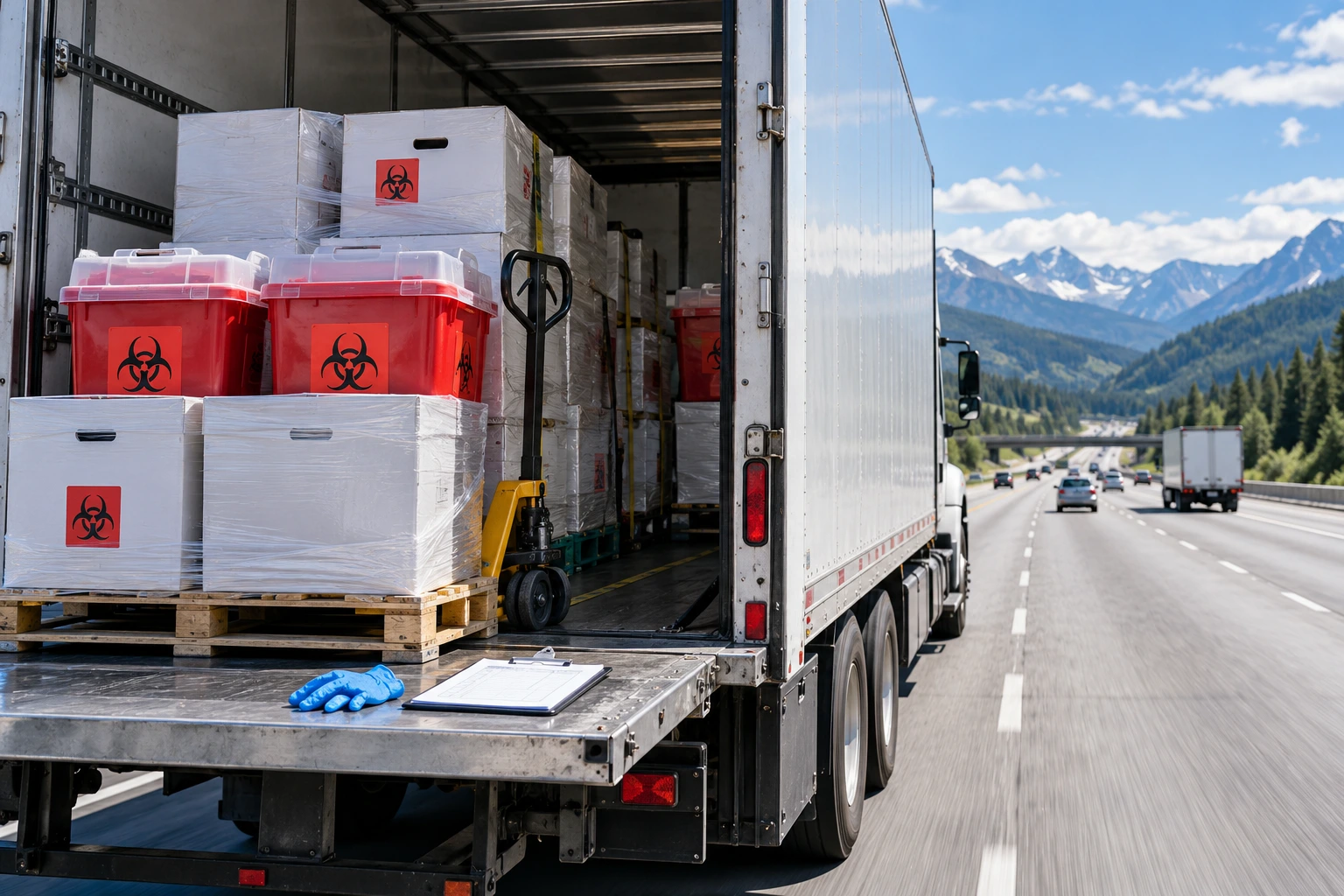
After collection, infectious waste must be transported in compliance with Department of Transportation (DOT) requirements. Treatment typically involves one of two methods:
Autoclaving (steam sterilization) to destroy pathogens.
Incineration for specific waste types, such as pathological waste or trace chemotherapy materials
Autoclaving uses high-temperature steam and pressure to render waste non-infectious. Incineration is often required for specific categories of waste that cannot be effectively treated through steam sterilization.
After treatment, waste is disposed of in accordance with applicable state and local regulations.
Regulatory Oversight
Infectious waste management is regulated by multiple agencies, including:
Occupational Safety and Health Administration (OSHA)
Department of Transportation (DOT)
State environmental and public health agencies
Healthcare facilities must comply with all applicable federal, state, and local requirements. Failure to do so can result in financial penalties, operational disruptions, and increased public health risk.
Understanding Regulated Medical Waste (RMW)
The definition of regulated medical waste varies by state. OSHA defines regulated waste to include:
Liquid or semi-liquid blood or OPIM
Items that release blood or OPIM when compressed
Items caked with dried blood
Contaminated sharps
Pathological waste
Accurate identification of RMW is essential to proper handling and treatment.
Managing Waste Under Precautions
For patients under isolation precautions, such as influenza, COVID-19, or C. diff, facilities should evaluate:
How the waste is categorized
Whether it qualifies as Category A waste
Applicable federal, state, and local regulations
Industry best practices
Internal policies
Vendor waste acceptance policies
In most cases, waste from patients with common viral infections can be managed as standard infectious waste unless it meets specific high-risk criteria.
Compliance as a Prevention Strategy
Proper waste management plays a significant role in infection control. When healthcare facilities implement structured segregation, secure storage, compliant transportation, and appropriate treatment, they reduce the risk of secondary transmission of disease.
Early diligence in waste management strengthens infection prevention efforts and protects healthcare workers and communities.
In Conclusion:
Secure Waste will save you money on biomedical waste disposal. We understand these hazards.
Staying informed and proactive is vital as new biological challenges arise. Together, we can prioritize health and safety, increase awareness, and promote responsible actions to create a healthier future for all!
We provide reliable, compliant, and environmentally friendly biomedical waste disposal solutions tailored to your facility’s specific needs.
Please feel free to contact us today to request a complimentary “waste assessment or to obtain a quote online.” https://www.securewaste.net/biohazard-waste-quote/
Disclaimer: This information is provided for reference purposes only and should not be considered as legal advice or factual information at the time of your reading. Regulations frequently change and can vary from state to state. We encourage you to contact your local regulatory authorities or Secure Waste directly for the most current information. Please note that Secure Waste is not liable, in part or in whole, for any information contained on this page or website.
Expert Medical Waste Management: With over 25 years of industry experience, Secure Waste is a trusted local leader in hazardous and biohazardous waste disposal across Maryland, Virginia, and Washington, D.C. Specializing in medical waste management, sharps needle disposal, and biohazard waste removal, the company ensures full compliance with federal, state, and local regulations while prioritizing environmental sustainability.
The company also offers additional services, including secure document shredding and sharps container sales, providing comprehensive solutions for healthcare facilities and businesses. Our cost-effective services help clients maintain regulatory compliance without unexpected costs.
With a commitment to customer satisfaction, Secure Waste offers tailored waste management plans that align with industry best practices. Their team of experts provides reliable, timely, and compliant services, making them the preferred choice for medical waste disposal. For a free waste quote or more information, visit www.securewaste.net