Safe Propofol Disposal in Healthcare | Prevent Diversion & Environmental Risk
Secure Waste highlights the importance of proper propofol disposal and emphasizes the risks associated with improper practices, including potential diversion, environmental concerns, and health hazards.
The organization also outlines best practices for hospital waste management to ensure safety and regulatory compliance. By following these guidelines, healthcare facilities can mitigate risks and protect both the environment and public health.
Welcome to Secure Waste, your premier partner in managing and disposing of healthcare hazardous waste across Washington D.C., Maryland, and Virginia.
As the leading provider in the region, we specialize in the safe, compliant disposal of all types of healthcare-regulated waste, ensuring your facility meets the highest standards of safety and environmental responsibility.
Our comprehensive services are tailored to your practice’s specific needs, whether you operate a small clinic, a large hospital, or anything in between. We pride ourselves on offering affordable solutions without the burden of long-term contracts, allowing for flexible service that adapts to your facility’s needs.
At Secure Waste, we understand the urgency and importance of responsible waste management in healthcare settings. Our team of experts is dedicated to providing exceptional service and guidance to help you navigate the complexities of hazardous waste disposal.
Please reach out to us today to learn more about how we can support your waste management needs and keep your facility compliant and safe.
A Hidden Risk: Tackling the Challenges of Propofol Disposal
Healthcare organizations focus heavily on the safe disposal of hazardous medications like opioids and anticoagulants. However, propofol often flies under the radar.
Despite not being federally scheduled in most states, improper handling and disposal of propofol create environmental risks and increase the potential for diversion and abuse.
Hospitals that overlook propofol disposal policies expose themselves to regulatory, environmental, and workplace safety concerns.
What Is Propofol?
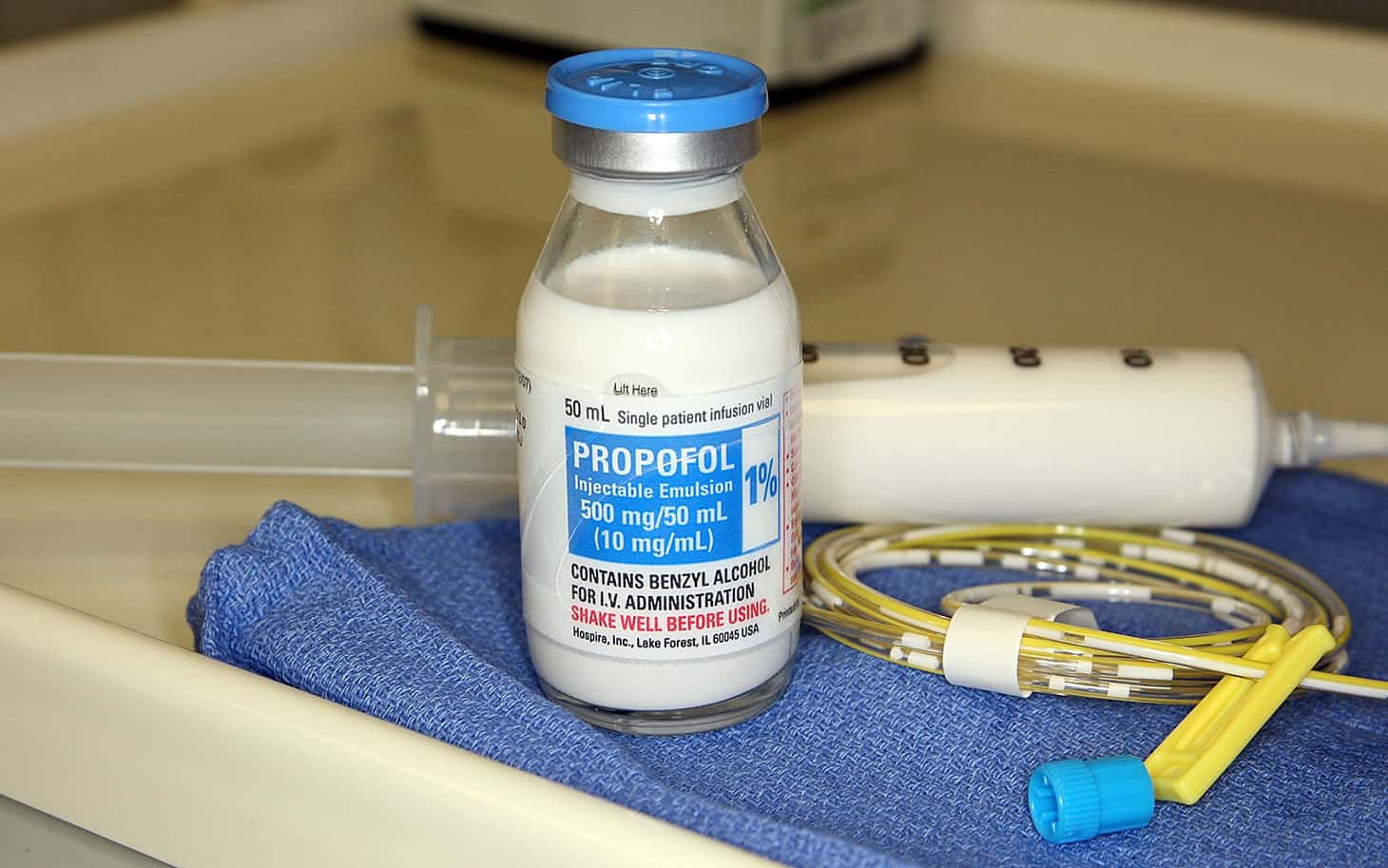
Propofol, commonly known as Diprivan, is a short-acting sedative widely used in operating rooms and intensive care units. It is administered to induce and maintain sedation during surgical procedures and to provide long-term sedation for ventilated patients in ICUs.
Although not classified as a narcotic in most jurisdictions, propofol can produce psychotropic effects at sub-anesthetic doses and has documented abuse potential.
Is Propofol a Controlled Substance?
Federally, propofol is not scheduled under the Drug Enforcement Administration’s controlled substances list. However, three states classify it as a Schedule IV controlled substance: Alabama, Georgia, and North Dakota.
In those states, providers must meet controlled substance registration requirements. In other states, hospitals may still choose to treat propofol under internal controlled substance policies due to its diversion risk.
Even without federal scheduling, studies have documented cases of abuse among healthcare providers, particularly anesthesiologists and nurse anesthetists.
Why Propofol Disposal Is a Challenge
Propofol is one of the most frequently wasted pharmaceuticals in operating rooms by volume. Despite this, many facilities lack secure and clearly designated disposal processes.
Two major risks arise from improper disposal:
Environmental harm
Drug diversion
Environmental Concerns
Without proper containers, staff may feel pressured to dispose of propofol down the sink or into the sewer, or to flush it. This practice contradicts Environmental Protection Agency guidance discouraging pharmaceutical flushing.
Propofol does not readily degrade in the environment and is toxic to aquatic ecosystems. Trace pharmaceutical contamination in waterways has been linked to ecological disruption and potential human health concerns.
Flushing is neither compliant nor sustainable as a disposal strategy.
Diversion Risks
Because propofol is widely accessible and often not subject to strict federal controls, it presents a diversion risk. High-volume use, combined with inadequate disposal processes, increases the risk of misuse.
If no secure receptacles are available in operating rooms or ICUs, leftover medication may not be adequately accounted for. That gap increases liability and patient safety risks.
Best Practices for Safe Propofol Disposal
Hospitals should proactively incorporate propofol into controlled substance disposal programs, even in states where it is not scheduled.
Best practices include:
Integrating propofol into existing controlled waste policies
Using secure, tamper-resistant disposal containers
Providing clear written procedures
Conducting regular compliance audits
Training staff on environmental and diversion risks
Specialized pharmaceutical waste containers that immediately sequester medication upon disposal can reduce diversion risk and eliminate the risk of sewer overflow.
Placement of Disposal Containers
Secure disposal receptacles should be placed directly in operating rooms and intensive care units. Easy access ensures staff can dispose of waste immediately without leaving patient care areas.
Partnering with a licensed waste management vendor to collect and replace containers on a predefined schedule reduces administrative burden and improves compliance.
Proper treatment, typically through incineration at a licensed facility, prevents environmental contamination and ensures regulatory compliance.
Staff Training Requirements
Training is critical to risk mitigation. Propofol education should be included in:
New employee orientation
Annual refresher training
Department-level safety meetings
Online compliance modules
Training should cover:
Environmental impact
Diversion risk
Proper disposal procedures
Internal policy expectations
State-specific regulations where applicable
Using real-world examples helps reinforce the seriousness of improper disposal.
Why This Matters
Although propofol may appear to be of lower risk compared to opioids, the absence of federal scheduling does not eliminate its hazards.
Improper disposal can lead to:
Environmental damage
Increased diversion risk
Regulatory scrutiny
Reputational harm
Internal liability
Healthcare organizations must proactively address propofol waste management within broader pharmaceutical disposal strategies.
Safeguard Your Organization Now
Implementing structured disposal protocols, secure containers, vendor partnerships, and comprehensive training protects staff, patients, and the environment.
Ignoring propofol disposal because it is not federally scheduled is a compliance gap waiting to happen.
In Conclusion:
Secure Waste will save you money on biomedical waste disposal. We understand these hazards.
Staying informed and proactive is essential to protecting your organization from environmental, regulatory, and diversion risks. Together, we can promote responsible pharmaceutical waste management and build safer healthcare environments.
We provide reliable, compliant, and environmentally responsible biomedical waste disposal solutions tailored to your facility’s specific needs.
Please feel free to contact us today to request a complimentary waste assessment or to get a quote online. https://www.securewaste.net/biohazard-waste-quote/
Disclaimer: This information is provided for reference purposes only and should not be considered legal advice. Regulations frequently change and may vary by state. We encourage you to consult the relevant regulatory authorities or Secure Waste for the most current information. Secure Waste is not liable, in part or in whole, for any information contained on this page or website.
Expert Medical Waste Management: With over 25 years of industry experience, Secure Waste is a trusted local leader in hazardous and biohazardous waste disposal across Maryland, Virginia, and Washington, D.C. Specializing in medical waste management, sharps needle disposal, and biohazard waste removal, the company ensures full compliance with federal, state, and local regulations while prioritizing environmental sustainability.
The company also offers additional services, including secure document shredding and sharps container sales, providing comprehensive solutions for healthcare facilities and businesses. Our cost-effective services help clients maintain regulatory compliance without unexpected costs.
With a commitment to customer satisfaction, Secure Waste offers tailored waste management plans that align with industry best practices. Their team of experts provides reliable, timely, and compliant services, making them the preferred choice for medical waste disposal. For a free waste quote or more information, visit www.securewaste.net