The Proper Disposal of Controlled Substances: Addressing the Ongoing Drug Misuse Crisis
Learn how healthcare facilities should properly dispose of controlled substances to prevent diversion, ensure compliance with DEA regulations, and protect communities—serving MD, VA & DC.
Illegal drug misuse and prescription diversion continue to present serious public health challenges across the United States. Prescription opioids and other controlled medications, when improperly managed, can contribute to addiction, diversion, and regulatory violations. Healthcare facilities play a critical role in preventing misuse by implementing strict controlled substance disposal protocols.
For providers in Maryland, Virginia, and Washington, D.C., understanding how to manage controlled substance waste properly is not only a regulatory obligation—it is a responsibility to patients, staff, and the broader community.
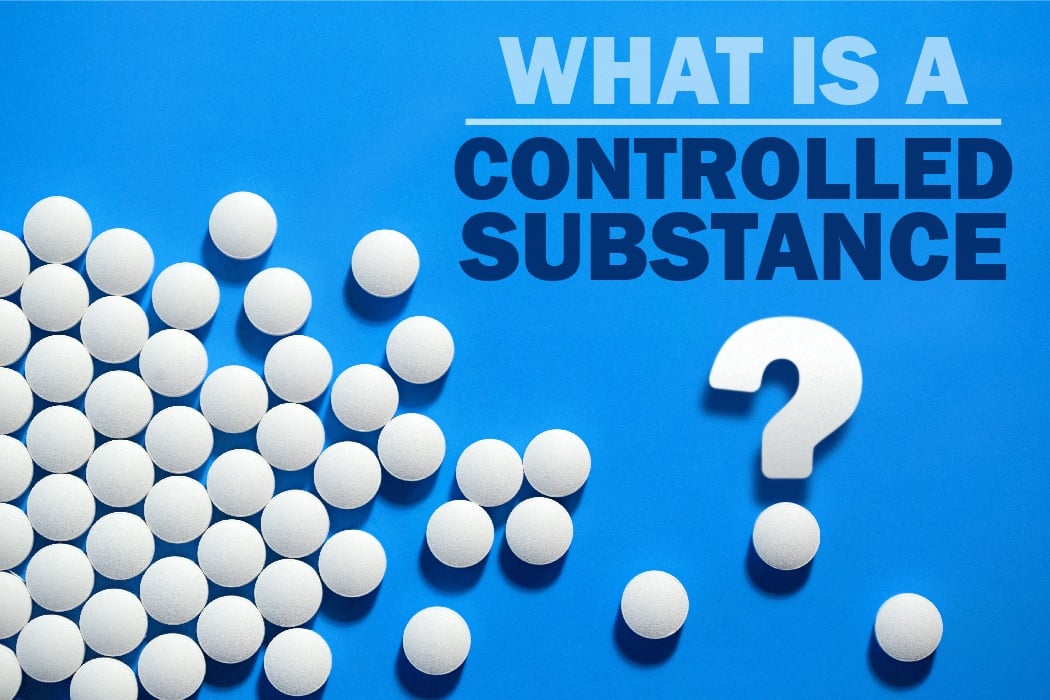
What Is a Controlled Substance?
A controlled substance is any drug regulated by the U.S. Drug Enforcement Administration (DEA). The DEA categorizes substances into five schedules based on their accepted medical use, potential for abuse, and risk of dependency.
Schedule I substances have no accepted medical use and a high potential for abuse. Schedule II through V substances have accepted medical uses but vary in their abuse potential and risk of dependence. Many prescription opioids—including oxycodone, hydrocodone, and morphine—are classified as Schedule II drugs due to their high potential for misuse and addiction.
Because these substances carry significant risks, strict documentation, storage, and disposal requirements apply to healthcare registrants.
Why Proper Disposal Matters
Improper disposal of controlled substances can result in:
- Drug diversion by staff or patients
• Environmental contamination
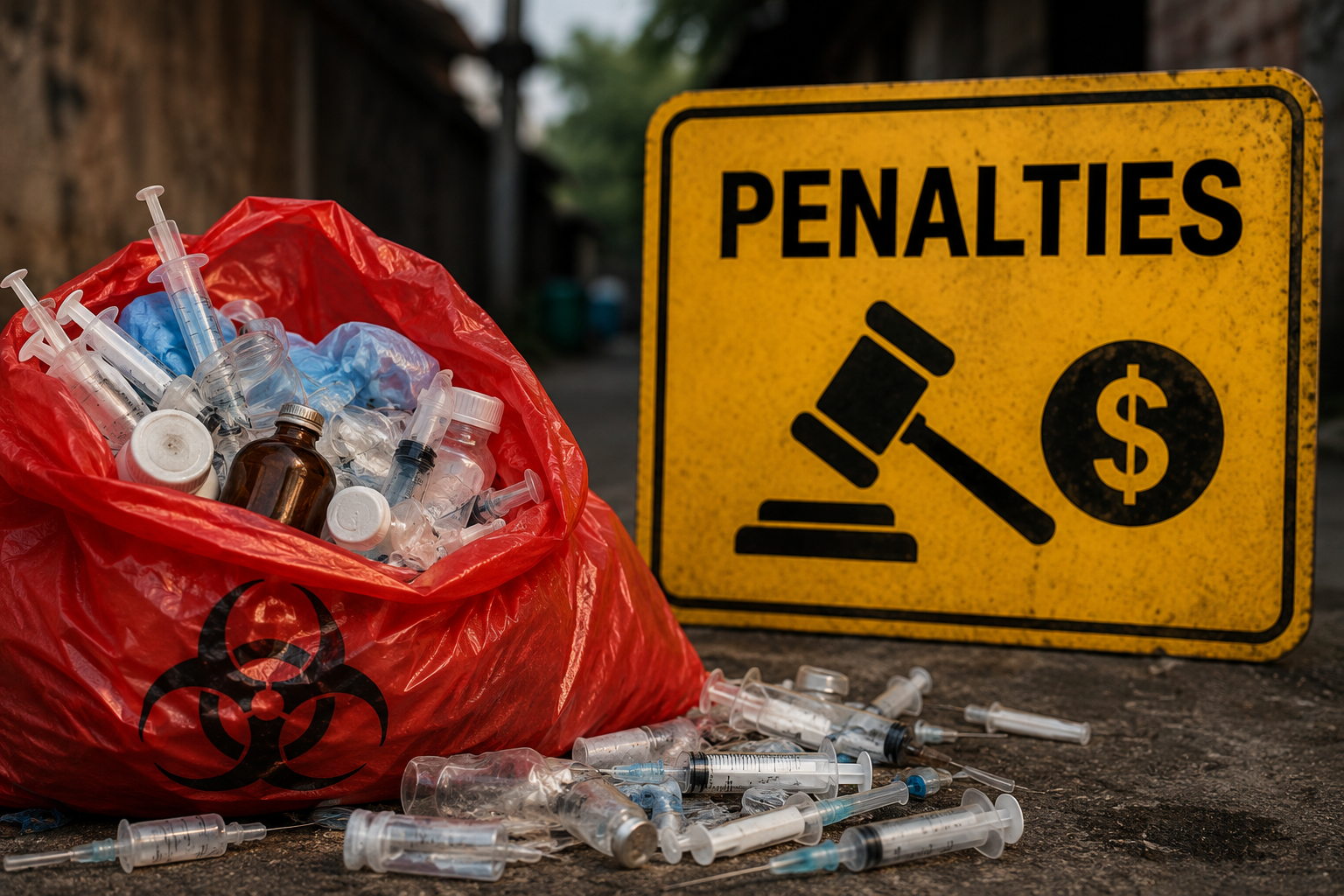
• Regulatory enforcement actions
• Financial penalties
• Increased liability exposure
Diversion—the redirection of a controlled substance from its lawful medical purpose for illicit use—is a documented risk in healthcare settings. Robust disposal protocols reduce opportunities for misuse while supporting compliance with federal and state regulations.
Key Questions to Determine Proper Disposal
Healthcare organizations must evaluate several critical factors before disposing of controlled substances.
Where Was the Waste Generated?
Controlled substance disposal requirements differ depending on whether the waste was generated:
- By an ultimate user at home
• By a DEA-registered healthcare facility
• During patient administration within an institutional setting
Waste generated at a registered healthcare facility is subject to strict DEA disposal regulations. Facilities must ensure compliance with approved destruction methods and maintain proper documentation.
What Schedule Is the Drug?
Schedule I drugs are handled differently from Schedule II–V substances. Disposal methods must align with DEA requirements for the drug’s schedule classification.
Is It Inventory or Wastage?
Inventory refers to unopened or unused controlled substances that remain in stock. Wastage refers to leftover medication after a dose has been dispensed for immediate administration at a registered location.
This distinction matters because inventory disposal and wastage disposal follow different procedural requirements.
Is the Substance Also a Hazardous Pharmaceutical Waste?
Some controlled substances may also meet criteria for hazardous waste under environmental regulations. In these cases, facilities must comply with both DEA and environmental regulations when managing disposal.
Healthcare facilities must train staff to recognize these distinctions and follow proper documentation procedures.
Controlled Substance Disposal Dos and Don’ts
DO:
- Maintain strict chain-of-custody documentation from receipt to disposal
• Conduct routine audits of controlled substance inventory
• Train staff regularly on DEA compliance and internal diversion prevention policies
• Provide patients with information on approved medication take-back programs
• Utilize secure destruction services that meet federal requirements
DON’T:
- Dispose of controlled substances in sinks, drains, or toilets
• Place controlled substances in sharps containers
• Dispose of them in regulated medical waste containers
• Place them in regular trash
• Accept and destroy medications that patients bring from home without proper authorization
Improper disposal methods can result in contamination, environmental harm, and serious regulatory violations.
Environmental and Compliance Considerations
Flushing controlled substances into wastewater systems can introduce pharmaceutical residues into the environment. Disposal in standard medical waste streams may violate DEA regulations and compromise compliance.
Healthcare facilities must ensure destruction methods render the controlled substance non-retrievable, as defined by DEA standards. Documentation must reflect compliant destruction procedures and be retained in accordance with federal and state recordkeeping requirements.
Failure to comply can lead to audits, fines, and even revocation of DEA registration.
Building a Strong Controlled Substance Disposal Program
An effective controlled substance disposal program should include:
- Written policies outlining inventory tracking and disposal procedures
• Staff training on diversion prevention and documentation standards
• Secure storage protocols
• Clear separation of hazardous and non-hazardous pharmaceutical waste
• Collaboration with a compliant biomedical waste provider
Healthcare leaders who prioritize strong internal controls and compliant disposal practices reduce risk, improve accountability, and contribute to broader public health efforts to combat drug misuse.
Secure Waste supports healthcare organizations across Maryland, Virginia, and Washington, D.C., with compliant pharmaceutical and biomedical waste disposal services that align with regulatory requirements and industry best practices.
In Conclusion:
Secure Waste will save you money on biomedical waste disposal. We understand these hazards. Staying informed and proactive is vital as new biological challenges arise. Together, we can prioritize health and safety, increase awareness, and promote responsible actions to create a healthier future for all! We provide reliable, compliant, and environmentally friendly biomedical waste disposal solutions tailored to your facility’s specific needs.
Please feel free to reach out to us today to ask for a complimentary “waste assessment or to get a quote online.
https://www.securewaste.net/biohazard-waste-quote/
Disclaimer: This information is provided for reference purposes only and should not be considered as legal advice or factual information at the time of your reading. Regulations frequently change and can vary from state to state. We encourage you to contact your local regulatory authorities or Secure Waste directly for the most current information. Please note that Secure Waste is not liable, in part or in whole, for any information contained on this page or website.
Expert Medical Waste Management: With over 25 years of industry experience, Secure Waste is a trusted local leader in hazardous and biohazardous waste disposal across Maryland, Virginia, and Washington, D.C. Specializing in medical waste management, sharps needle disposal, and biohazard waste removal, the company ensures full compliance with federal, state, and local regulations while prioritizing environmental sustainability.
The company also offers additional services, including secure document shredding and sharps container sales, providing comprehensive solutions for healthcare facilities and businesses. Our cost-effective services help clients maintain regulatory compliance without unexpected costs.
With a commitment to customer satisfaction, Secure Waste offers tailored waste management plans that align with industry best practices. Their team of experts provides reliable, timely, and compliant services, making them the preferred choice for medical waste disposal. For a free waste quote or more information, visit www.securewaste.net