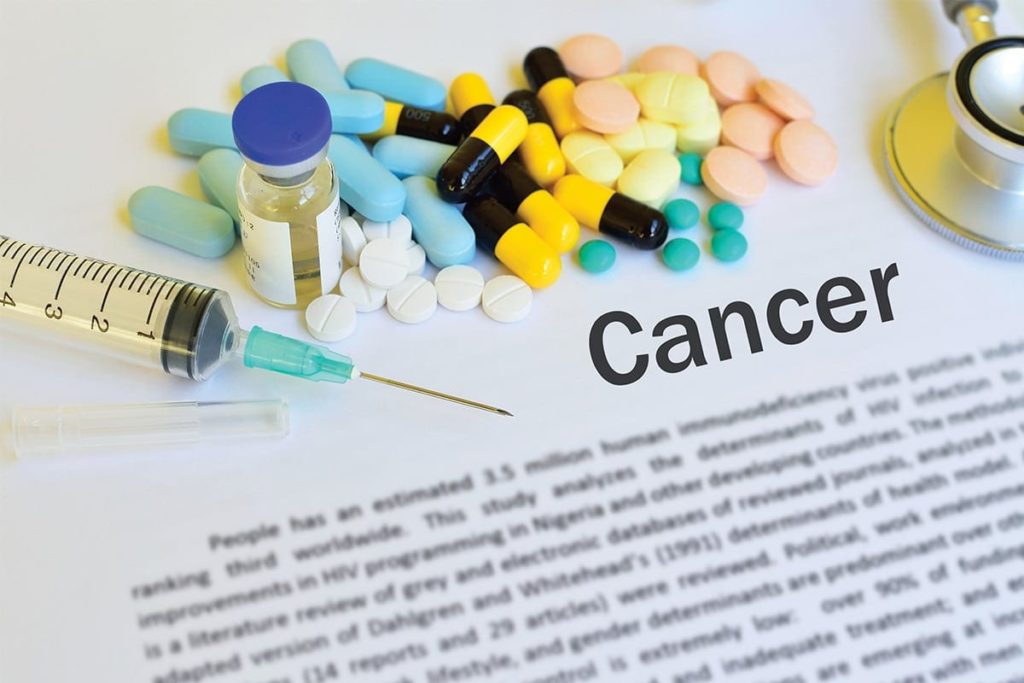
The effective management of oncology medical waste is a pivotal aspect of healthcare that directly impacts safety standards, compliance with health regulations, and environmental protection.
This intricate process requires a meticulous approach to waste segregation based on varying levels of contamination, ultimately mitigating the inherent risks associated with hazardous materials.
Proper disposal of oncology waste is critical and requires strict adherence to guidelines governing the handling of different waste types.

Secure Waste Premiere Oncology Waste Disposal in DC, MD, and VA
Welcome to Secure Waste, the premier provider of medical waste disposal services in the DMV area, specializing in the needs of oncology practices. With over 30 years of experience, we pride ourselves on providing safe, compliant, and cost-effective waste-disposal solutions tailored to the healthcare sector.
At Secure Waste, we understand the unique challenges oncology clinics face in waste management. Our state-of-the-art regulated waste management processes ensure that your facility remains compliant with all local and federal regulations, providing peace of mind for both you and your patients.
We proudly serve a broad range of locations across Maryland, including Montgomery, Prince George’s, Howard, and Frederick counties. In Virginia, our services extend to Arlington County, Alexandria, Fairfax, Loudoun County, Manassas, and even Richmond.
You can contact us today to learn more about our services and get a complimentary quote for oncology waste disposal. Our dedicated team is here to assist you in creating a safe and efficient waste management plan tailored to your practice. Call us at 877-633-7328 and let us help you ensure the highest standards in waste disposal for your oncology clinic.
Waste Categories and Disposal Guidelines:
- Trace Chemotherapy Waste (Yellow Container):
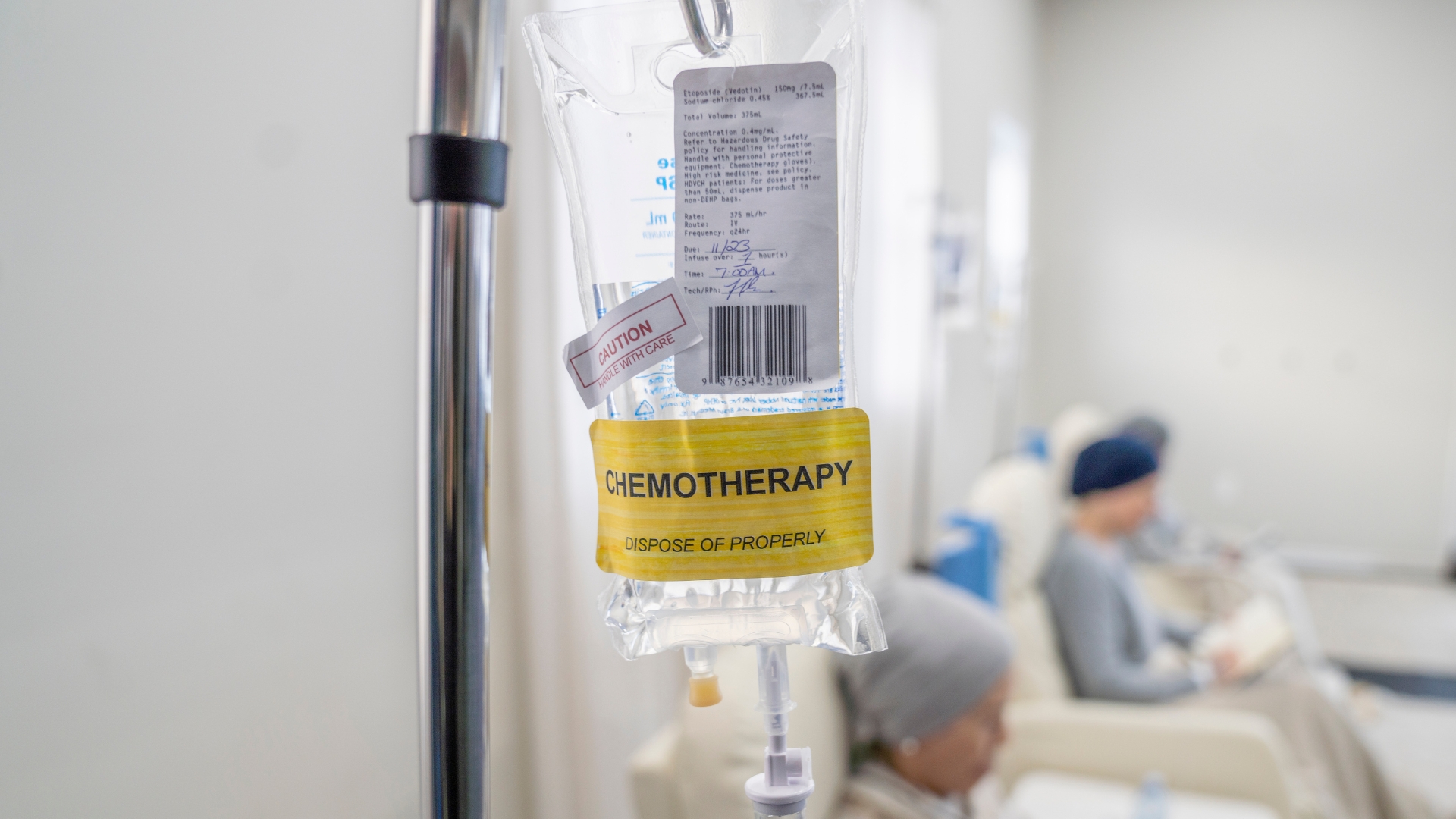
This category consists of items with less than 3% residual chemotherapy substances, encompassing a range of materials.
Key examples include personal protective equipment (PPE), such as gloves, gowns, and masks; partially used intravenous (IV) bags containing remnants of chemotherapy drugs; and associated tubing.
These items must be disposed of in yellow containers specifically designated for “Trace Chemotherapy Waste.” The clear labeling of these containers is crucial, as it informs staff about the specific handling and disposal requirements, thereby reducing the risk of chemical exposure to workers and the environment.
Furthermore, periodic training sessions should be conducted to ensure that all personnel understand the importance of properly segregating and disposing of trace chemotherapy waste.
- Bulk Chemotherapy Waste (Black/Hazardous Container):
This category pertains to items that contain more than 3% residual chemotherapy agents. Examples include partially filled IV bags, leftover chemotherapy solutions, and any other materials that have had direct contact with hazardous drugs.
Such waste is classified as RCRA (Resource Conservation and Recovery Act) hazardous waste, which mandates stricter handling and disposal regulations due to the potential health risks and environmental dangers.
These items must be deposited in specifically designed black containers marked for hazardous waste. Inadequate disposal or mishandling of bulk chemotherapy waste can pose significant health risks to waste handlers, cause environmental pollution, and result in legal ramifications for the healthcare facility.
To mitigate these risks, health facilities should implement and regularly review comprehensive training programs for staff involved in handling hazardous waste, along with strict monitoring protocols.
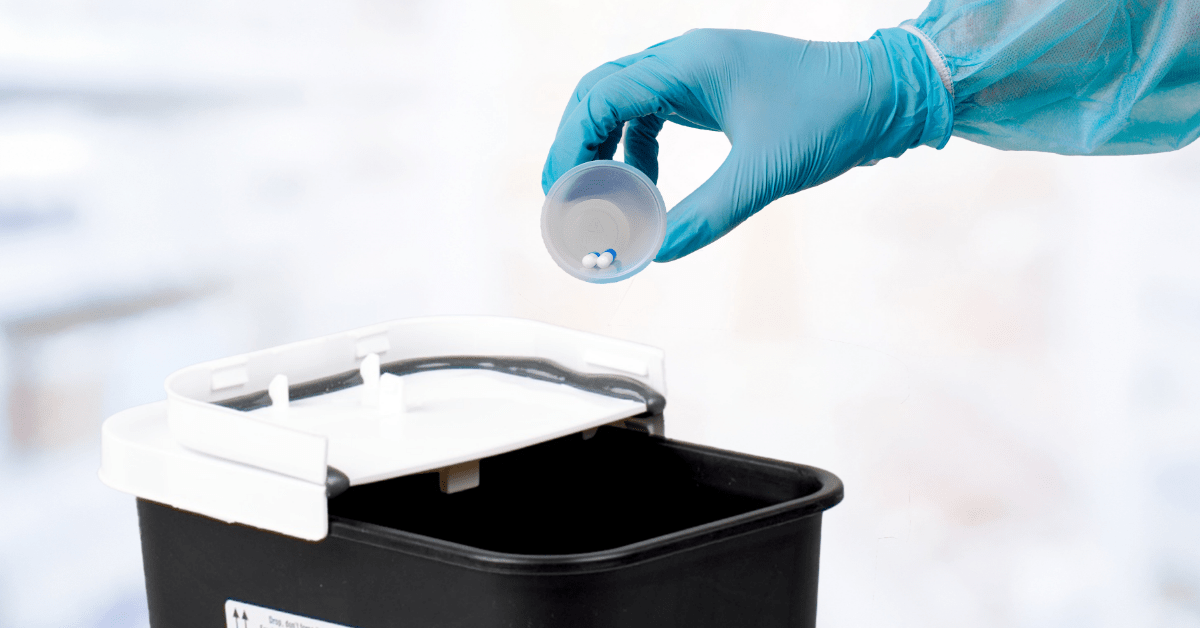
- Sharps Disposal:
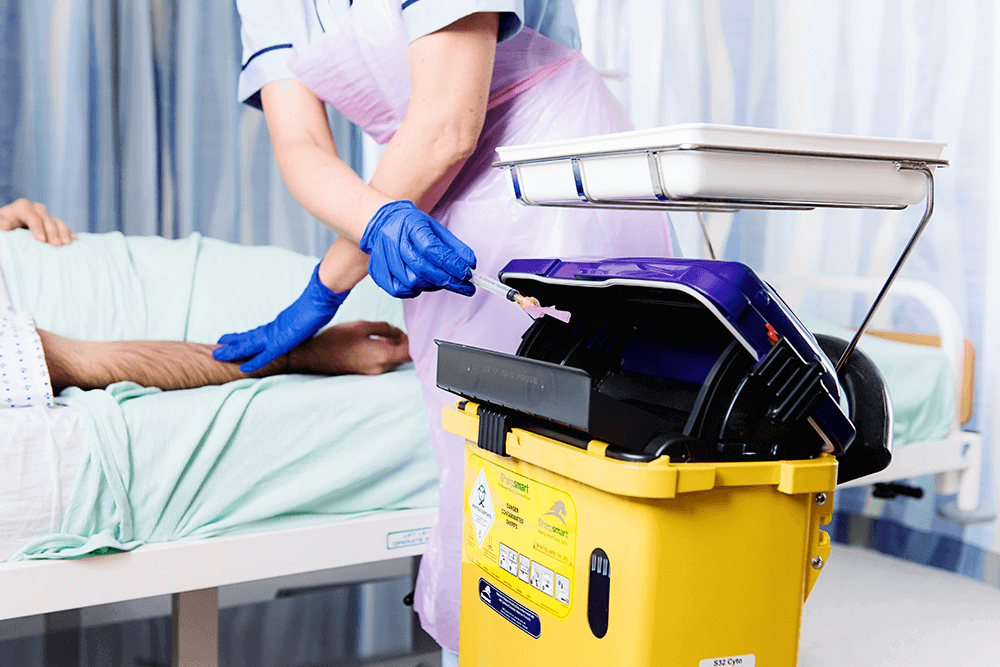
The safe disposal of sharps is an essential component of oncology waste management. Sharps include needles, scalpels, and other sharp instruments that may have come into contact with chemotherapy drugs, posing risks not only due to their sharp edges but also because they could contain hazardous residual substances.
All sharps must be placed in dedicated yellow chemotherapy sharps containers, engineered specifically to facilitate safe handling. These containers are designed to be puncture-resistant and secure, ensuring the safe storage of hazardous waste until incineration.
The incineration process is crucial, as it effectively destroys any harmful materials and minimizes the risk of exposure.
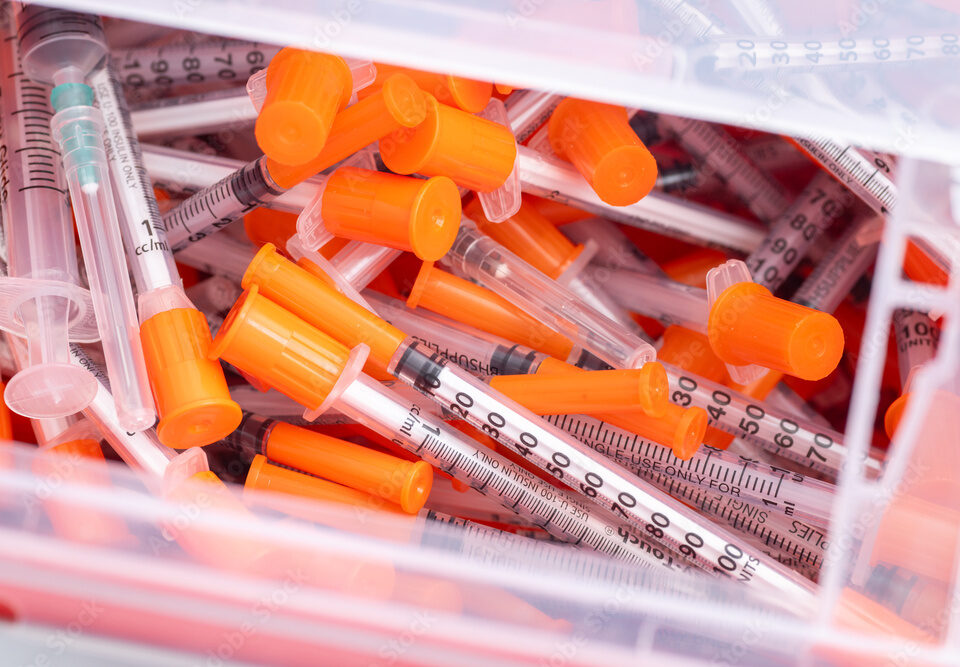
Would you be able to find a reliable solution for managing oncology waste in the DC Maryland and Virginia area Please recognize the importance of expert waste management tailored to the unique needs of oncology practices Safeguarding our environment and ensuring compliance is not just a necessityits a commitment to health and sustainability
Compliance With Regulations:
The management of oncology medical waste must adhere to stringent regulations established by the Environmental Protection Agency (EPA), the Department of Transportation (DOT), and the Occupational Safety and Health Administration (OSHA).
These regulations provide essential guidelines that safeguard public health, ensure worker safety, and protect the environment from the detrimental effects of improperly managed medical waste.
Regular audits and compliance checks should be conducted to ensure adherence to these regulations, along with scheduled training sessions to keep staff up to date on current standards.
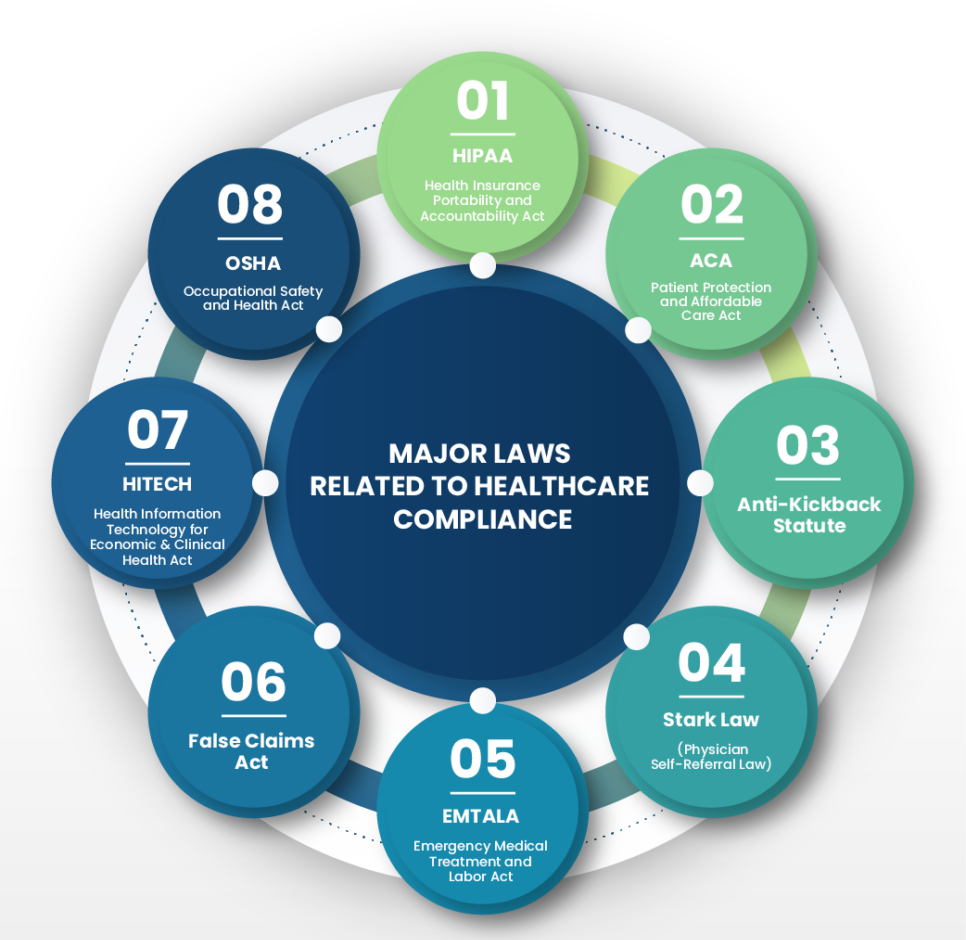
This document outlines the critical aspects of managing oncology waste in accordance with the Occupational Safety and Health Administration OSHA regulations specifically tailored for healthcare facilities operating within the District of Columbia Maryland and Virginia It highlights the best practices and protocols for safely handling transporting and disposing of hazardous oncology related waste Ensuring adherence to these regulations not only protects healthcare workers and patients but also safeguards the environment from potential hazards associated with improper waste management Further investigation into local and state specific regulations may also be necessary to ensure comprehensive compliance
Treatment Method:
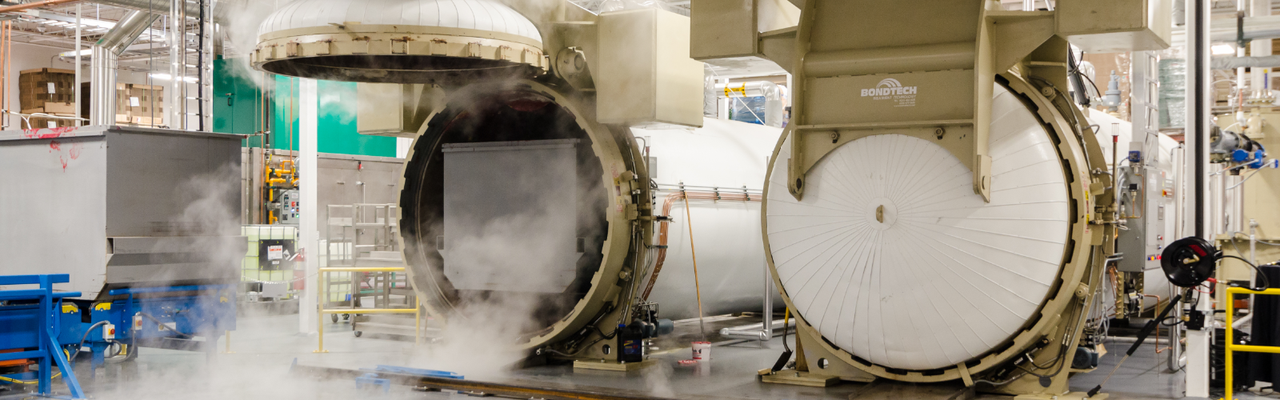
The primary and most effective treatment for both trace and bulk chemotherapy waste is incineration.
This approach involves high-temperature combustion, which is instrumental in destroying hazardous cytotoxic agents present in the waste. Incineration minimizes environmental contamination and public health risks by destroying harmful substances.
Additionally, this method helps reduce bulk waste volume, simplifying the management of non-hazardous residuals and promoting more efficient landfill practices.
Local Variations and Staff Involvement:
It is crucial to recognize that waste management regulations can vary significantly based on geographic location. Therefore, healthcare facilities should consult local, state, and federal guidelines to ensure compliance with specific disposal requirements applicable in their areas.
Engaging with waste management professionals can provide valuable insights into best practices tailored to the local context. Furthermore, regular staff training on disposal processes is vital to enhance safety measures and minimize risks associated with handling oncology medical waste.
By implementing comprehensive waste management strategies and fostering a culture of continuous education and regulatory compliance, healthcare facilities can significantly enhance safety, protect public health, and contribute to environmental stewardship.
In Conclusion:
Secure Waste will save you money on Regulated healthcare waste disposal. We understand these hazards.
Staying informed and proactive is vital as new disposal management challenges arise. Together, we can prioritize health and safety, increase awareness, and promote responsible actions to create a healthier future for all in Maryland, Virginia, and D.C.
We provide reliable, compliant, and environmentally friendly waste disposal solutions tailored to your facility’s specific needs.
Disclaimer: This information is provided for reference purposes only and should not be considered as legal advice or factual information at the time of your reading. Regulations frequently change and can vary from state to state. We encourage you to contact your local regulatory authorities or Secure Waste directly for the most current information. Please note that Secure Waste is not liable, in part or in whole, for any information contained on this page or website.
Expert Medical Waste Management: With over 25 years of industry experience, Secure Waste is a trusted local leader in hazardous and biohazardous waste disposal across Maryland, Virginia, and Washington, D.C. Specializing in medical waste management, sharps needle disposal, and biohazard waste removal, the company ensures full compliance with federal, state, and local regulations while prioritizing environmental sustainability.
The company also offers additional services, including secure document shredding and sharps container sales, providing comprehensive solutions for healthcare facilities and businesses. Our cost-effective services help clients maintain regulatory compliance without unexpected costs.
With a commitment to customer satisfaction, Secure Waste offers tailored waste management plans that align with industry best practices. Their team of experts provides reliable, timely, and compliant services, making them the preferred choice for medical waste disposal. For a free waste quote or more information, visit www.securewaste.net