
Medical Waste Disposal For Urgent Care Centers – Expert Solutions From Secure Waste
Secure Waste emphasizes the vital importance of disposing of Urgent care medical waste in a manner that is both critical and multifaceted, necessitating stringent adherence to comprehensive safety and compliance protocols mandated by regulatory agencies.
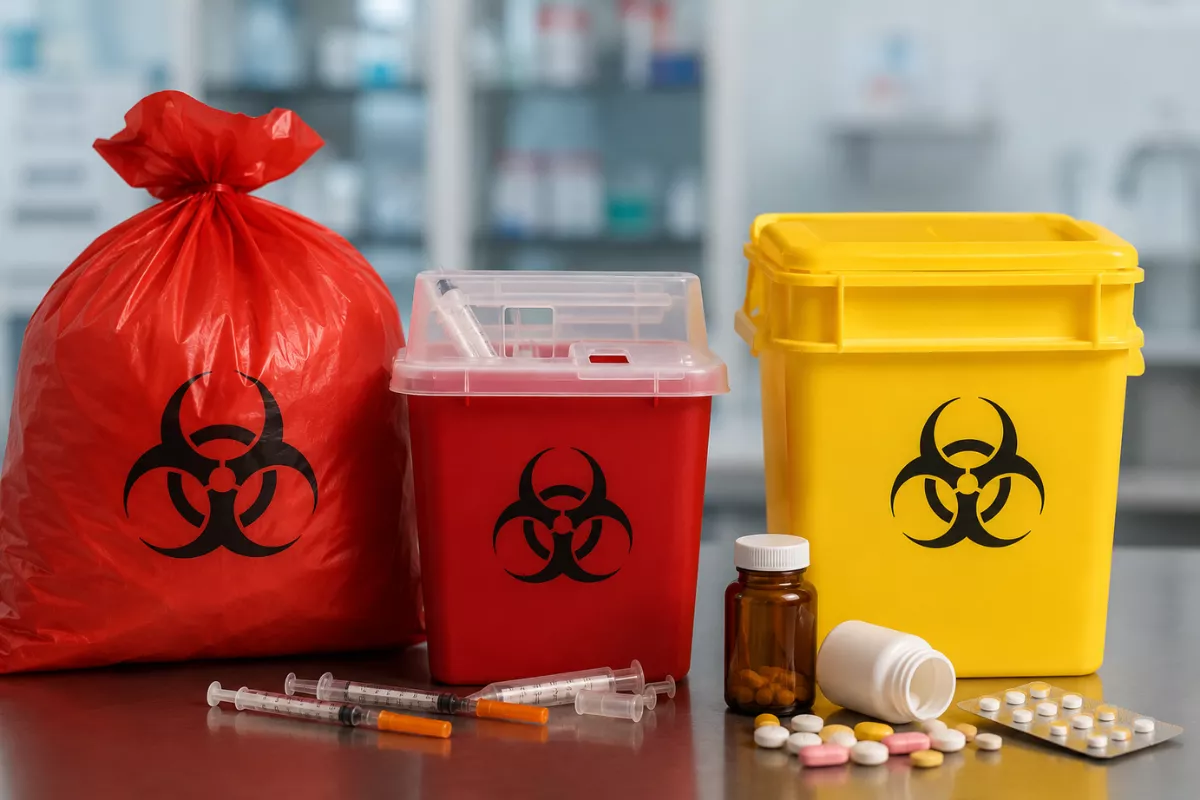
The intricate process of medical waste disposal begins with the careful, systematic segregation of various types of waste—such as sharps, biohazardous materials, non-hazardous waste, and pharmaceutical waste—each with specific handling and disposal requirements.
This initial step is essential not only for minimizing potential health hazards and environmental risks but also for ensuring that each waste category is treated and processed in accordance with its unique characteristics and regulatory guidelines.
Proper segregation enhances the effectiveness of subsequent treatment methods, such as autoclaving for incinerable waste or secure recycling processes for sharps and other recyclables.
Such meticulous attention to detail not only protects public health by preventing contamination and exposure to hazardous materials but also upholds environmental integrity by ensuring that waste is disposed of in a manner that minimizes pollution and fosters sustainability.
Moreover, instilling a culture of responsibility in waste management within healthcare facilities educates healthcare professionals and staff about the critical role they play in safeguarding community health and the environment. What is medical waste considered by the EPA?
This comprehensive approach to medical waste management reflects a commitment to responsible practices that benefit society as a whole.
Welcome to Secure Waste Medical Disposal Solutions For Local Urgent Care Providers!
With over 30 years of experience, Secure Waste is your trusted, most affordable local leader in Urgent Care medical waste disposal across Maryland, Virginia, and Washington, D.C.
By joining our valuable medical waste partner program, you gain access to the most advanced disposal techniques and competitive pricing available in the DMV area.
Our dedicated team is committed to providing exceptional service tailored to your healthcare needs. Don’t hesitate to reach out to us today at 877-633-7328 to learn more about our comprehensive healthcare waste services. Your commitment to safety and compliance starts here!
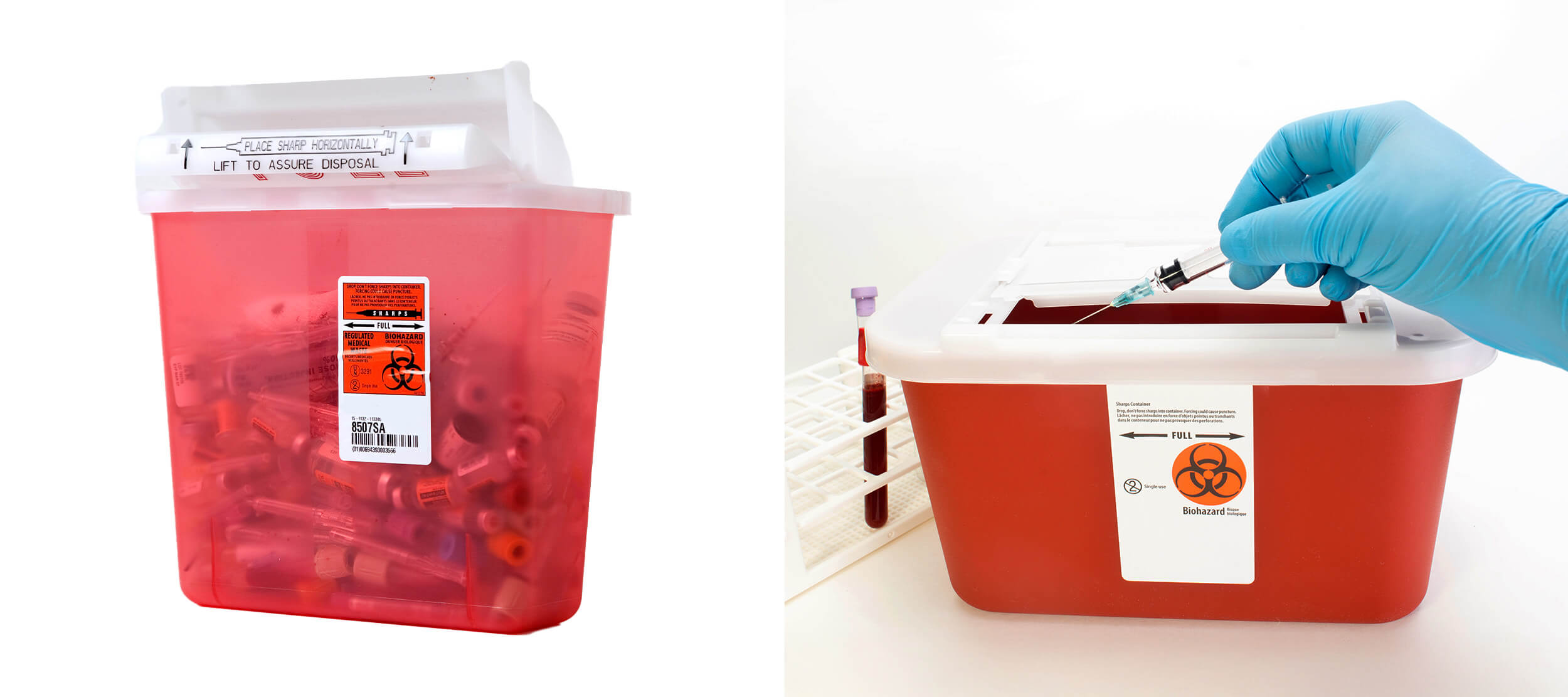
1. **Biomedical Waste**: Contaminated items like used needles and tissues that need safe disposal.
2. **Pharmaceutical Waste**: Expired or unused medications needing proper management to prevent poisoning or environmental harm.
3. **General Waste**: Everyday items like packaging and non-contaminated paper that must be disposed of correctly.
4. **Hazardous Waste**: Harmful materials such as certain chemicals that require special handling.
5. **Recyclable Materials**: Items like paper and plastics that can be recycled to reduce waste.
Effective waste management is essential for safety, compliance, and promoting community health.
Common Waste Types: Urgent Care
- Sharps Disposal: Items classified as sharps—such as needles, scalpel blades, and lancets—must be promptly deposited into specially designed, puncture-resistant containers clearly labeled with universal biohazard symbols. These containers are engineered not only to prevent accidental injuries among medical staff but also to contain any potential leaks or spills, thereby enhancing overall safety within medical facilities. These sharps containers must be easily accessible to all staff members to ensure immediate disposal following use, minimizing the risk of needle-stick injuries.
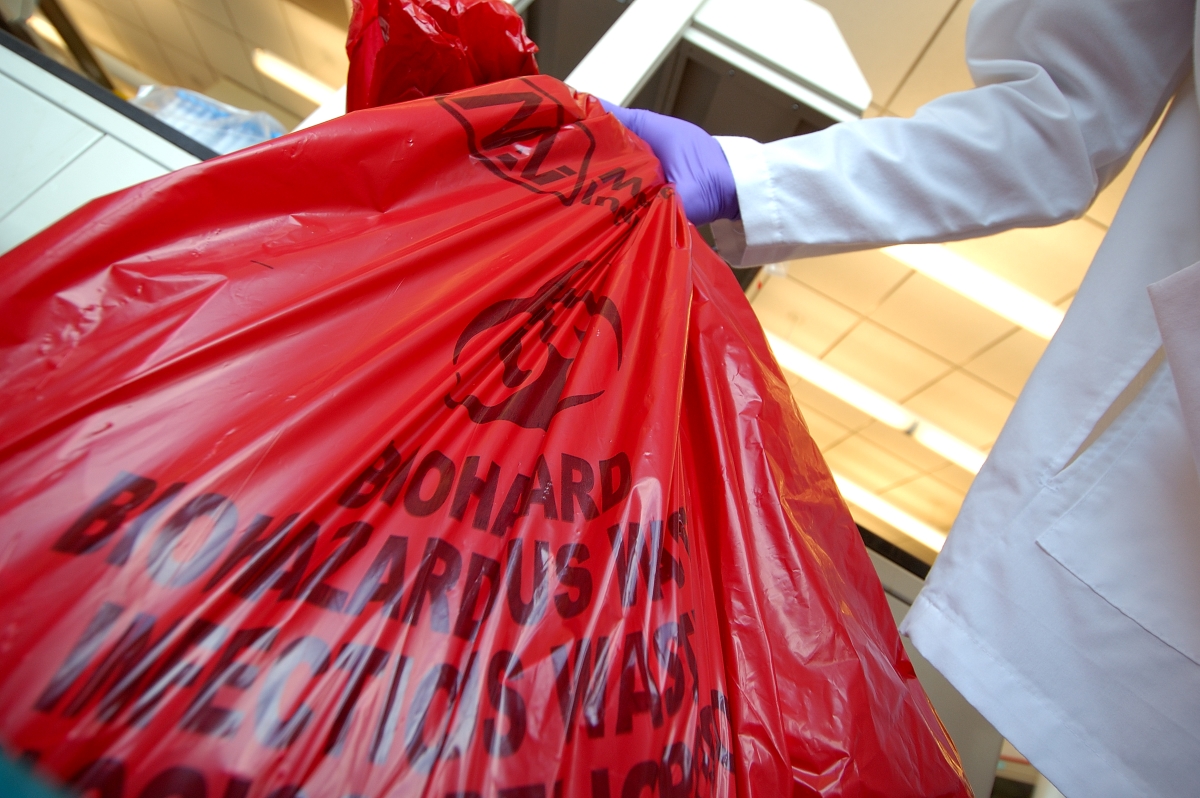
- Biohazardous Waste: This category encompasses materials heavily saturated with blood or other bodily fluids, including, but not limited to, surgical gauze, anatomical waste, and used personal protective equipment (PPE). These items should be placed in specifically designated red bags that are easily recognizable, leak-resistant, and feature reinforced seams for added durability. Once filled, these biohazard bags must be securely sealed to prevent exposure and stored in a locked, clearly marked area restricted to authorized personnel only. This area must be isolated from general waste and any public access until licensed disposal services are arranged for pickup.
- Pharmaceutical Waste: The disposal of pharmaceutical waste requires heightened attention to detail to prevent environmental harm and ensure compliance with regulatory requirements. Medications must be sorted into distinct, clearly labeled bins based on classification as hazardous or non-hazardous; this segregation is crucial for preventing cross-contamination and facilitating the appropriate handling of potentially dangerous drugs. Facilities must maintain an accurate inventory of pharmaceutical waste and document the type and quantity of medications disposed of to comply with local, state, and federal reporting obligations.
Urgent Care Key Requirements & Procedures
- Sharps: Staff must always deposit needles, syringes, and lancets immediately into puncture-resistant, clearly labeled containers. These containers should be regularly monitored and replaced proactively before reaching capacity to maintain a safe, uncluttered environment.
- Regulated Medical Waste (RMW): Items saturated with blood or other bodily fluids, including gauze and PPE, must be securely encased in designated red bags that are marked with biohazard symbols. These bags should be stored in a locked, clearly marked area accessible exclusively to authorized personnel until they are ready for safe, compliant disposal.
- Pharmaceuticals: Segregate hazardous medications (such as specific chemotherapy agents and controlled substances) from non-hazardous ones into specialized, labeled bins. Conduct regular staff training on the categories of pharmaceuticals and their respective disposal procedures, fostering a culture of compliance and safety.
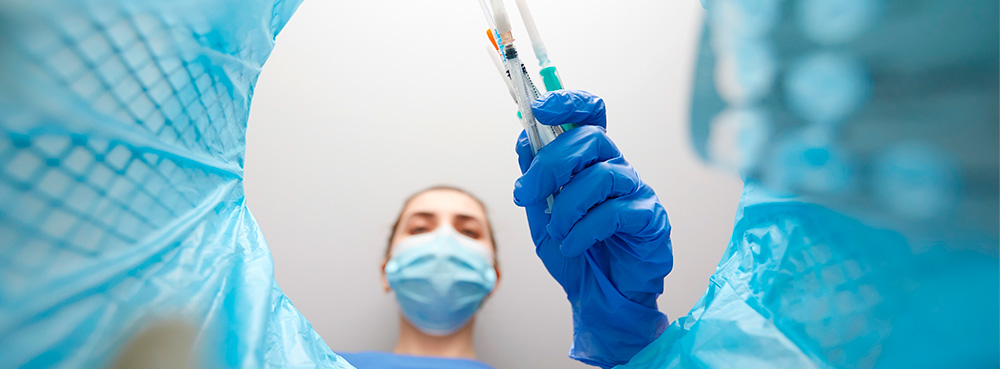
Proper management of medical waste is crucial for ensuring safety and compliance within urgent care facilities. This involves implementing effective disposal methods that not only protect public health but also adhere to regulatory guidelines. By understanding the types of medical waste generated and following best practices for disposal, urgent care centers can minimize risks and maintain a safe environment for both patients and staff.
Common Pitfalls to Avoid With Your Urgent Care Facility
- Mixing general waste with regulated medical waste presents significant contamination risks and can lead to substantial legal repercussions. Facilities must implement clear, enforced policies to prevent such cross-contamination.
- Overfilling containers or allowing waste to accumulate on-site can create serious safety hazards, such as spills, odor issues, or illegal waste retention. Regular inspections and a defined schedule for waste pickups can effectively mitigate these risks.
- Ensure that all containers are appropriately tailored to the specific waste type, are correctly labeled, and are free from damage. Damaged containers compromise safety standards and could expose staff to health risks.
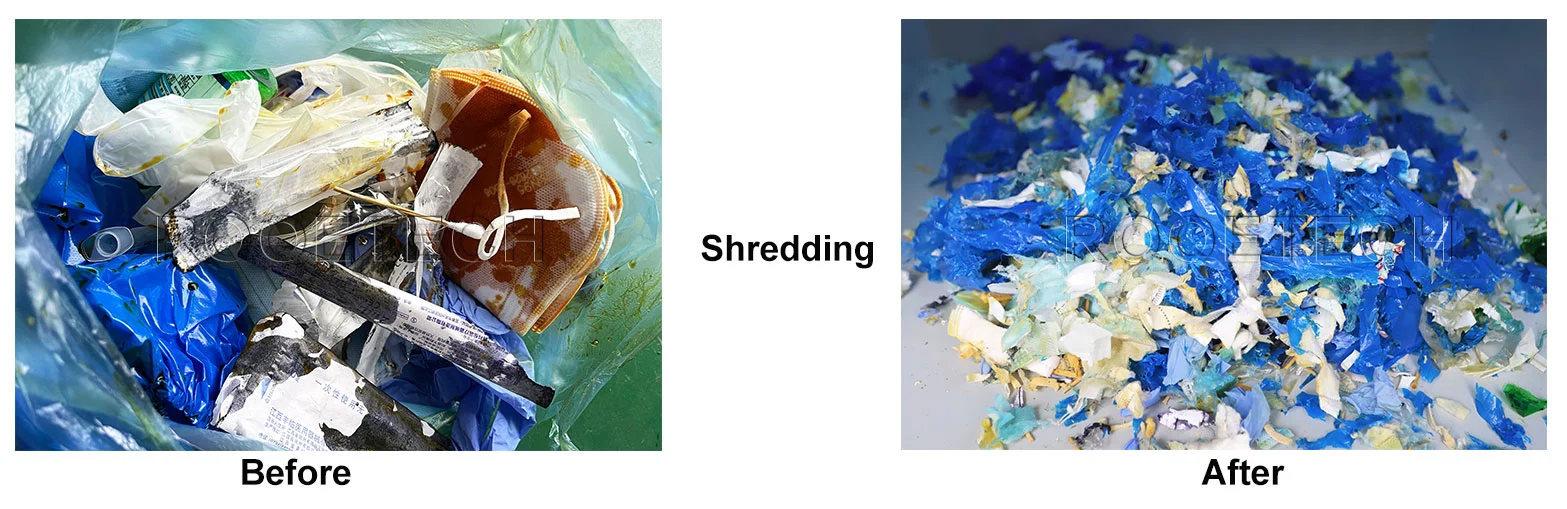
Let’s dive into the crucial disposal methods that keep our urgent care environments safe and efficient!
Standard Disposal Methods For Urgent Care
- Autoclaving: This method harnesses high-pressure steam and heat to sterilize medical waste thoroughly. It is particularly effective for biologically hazardous waste, ensuring that all pathogens are eradicated before disposal in landfills.
- Incineration: This method involves high-temperature combustion, suitable for hazardous items that significantly reduce waste volume while eliminating potential health threats associated with retained medical waste.
- Mail-back Programs: Implementing mail-back programs offers an efficient and compliant option for managing smaller, less frequent waste streams. These programs streamline the disposal process, providing a hassle-free, regulatory-compliant solution for practices that generate limited volumes of medical waste.
By rigorously adhering to these detailed guidelines, Urgent care medical facilities can safely and efficiently manage their medical and needle waste, thereby safeguarding public health and minimizing environmental impact.
Proper medical waste disposal is not merely a regulatory obligation in Maryland, Virginia, and Washington, D., but a fundamental aspect of responsible healthcare practice, reflecting a commitment to safety and environmental stewardship.
In Conclusion:
Secure Waste will save you money on Regulated healthcare waste disposal. We understand these hazards.
Staying informed and proactive is vital as new disposal management challenges arise. Together, we can prioritize health and safety, increase awareness, and promote responsible actions to create a healthier future for all in Maryland, Virginia, and D.C.
We provide reliable, compliant, and environmentally friendly waste disposal solutions tailored to your facility’s specific needs.
**Disclaimer** This information is provided for reference purposes only and should not be considered as legal advice or factual information at the time of your reading. Regulations frequently change and can vary from state to state. We encourage you to contact your local regulatory authorities or Secure Waste directly for the most current information. Please note that Secure Waste is not liable, in part or in whole, for any information contained on this page or website.
Expert Medical Waste Management: With over 25 years of industry experience, Secure Waste is a trusted local leader in hazardous and biohazardous waste disposal across Maryland, Virginia, and Washington, D.C. Specializing in medical waste management, sharps needle disposal, and biohazard waste removal, the company ensures full compliance with federal, state, and local regulations while prioritizing environmental sustainability.
The company also offers additional services, including secure document shredding and sharps container sales, providing comprehensive solutions for healthcare facilities and businesses. Our cost-effective services help clients maintain regulatory compliance without unexpected costs.
With a commitment to customer satisfaction, Secure Waste offers tailored waste management plans that align with industry best practices. Their team of experts provides reliable, timely, and compliant services, making them the preferred choice for medical waste disposal. For a free waste quote or more information, visit www.securewaste.net