Healthcare Waste Management: Expert Solutions In Healthcare From Secure Waste
Secure Waste proudly stands as a leading local provider in Healthcare waste management, also known as HCWM, enthusiastically serving the vibrant communities of Maryland, Virginia, and Washington, D.C.
With over 30 years of dedicated experience in Healthcare waste management, we are not just experts; we are passionate advocates for safety and compliance in the handling of regulated waste.
Our diverse range of Healthcare waste disposal services is specifically tailored to meet the unique demands of healthcare facilities, laboratories, and research institutions.
Our highly trained team utilizes cutting-edge technology and adheres to stringent protocols to ensure that all biohazardous materials are collected, transported, and disposed of in strict compliance with federal, state, and local regulations.
If you’re looking for a trustworthy partner in waste management, we invite you to connect with us at 877-633-7328 or visit our website at Secure Waste to learn more about our services and solutions.
Together, let’s explore the vital and often intricate world of biohazard medical waste management. This understanding is crucial for safeguarding public health and ensuring compliance with critical legal standards.
We look forward to working with you in creating a safer and cleaner environment!
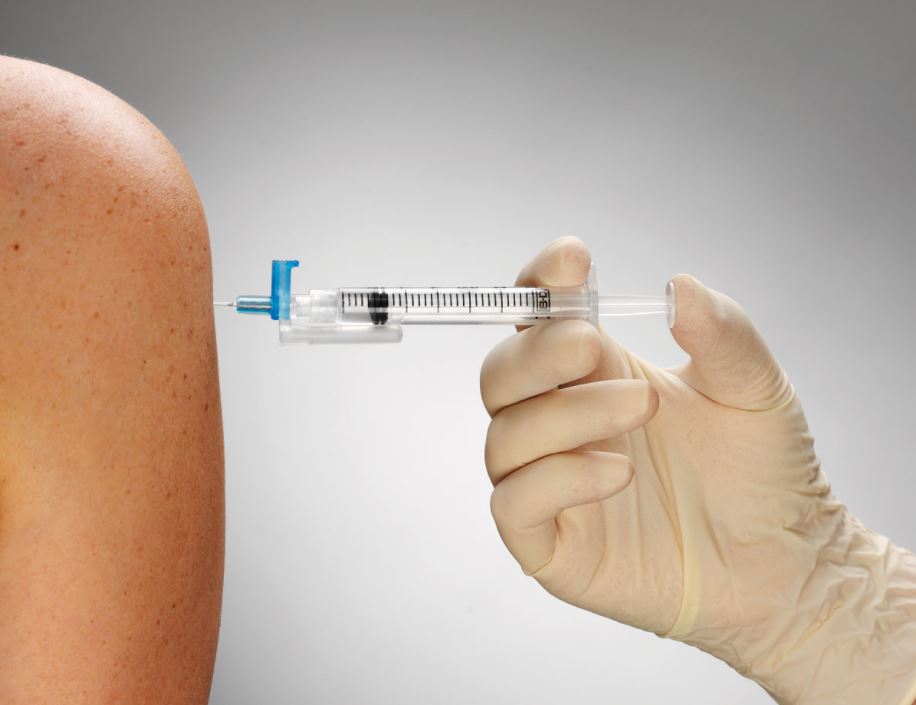
Safe disposal helps prevent the spread of infections and protects the environment from harmful pollutants. Community awareness and participation in local disposal initiatives can further enhance the effectiveness of these programs, ensuring that healthcare providers and residents work together to maintain a safe and healthy community.
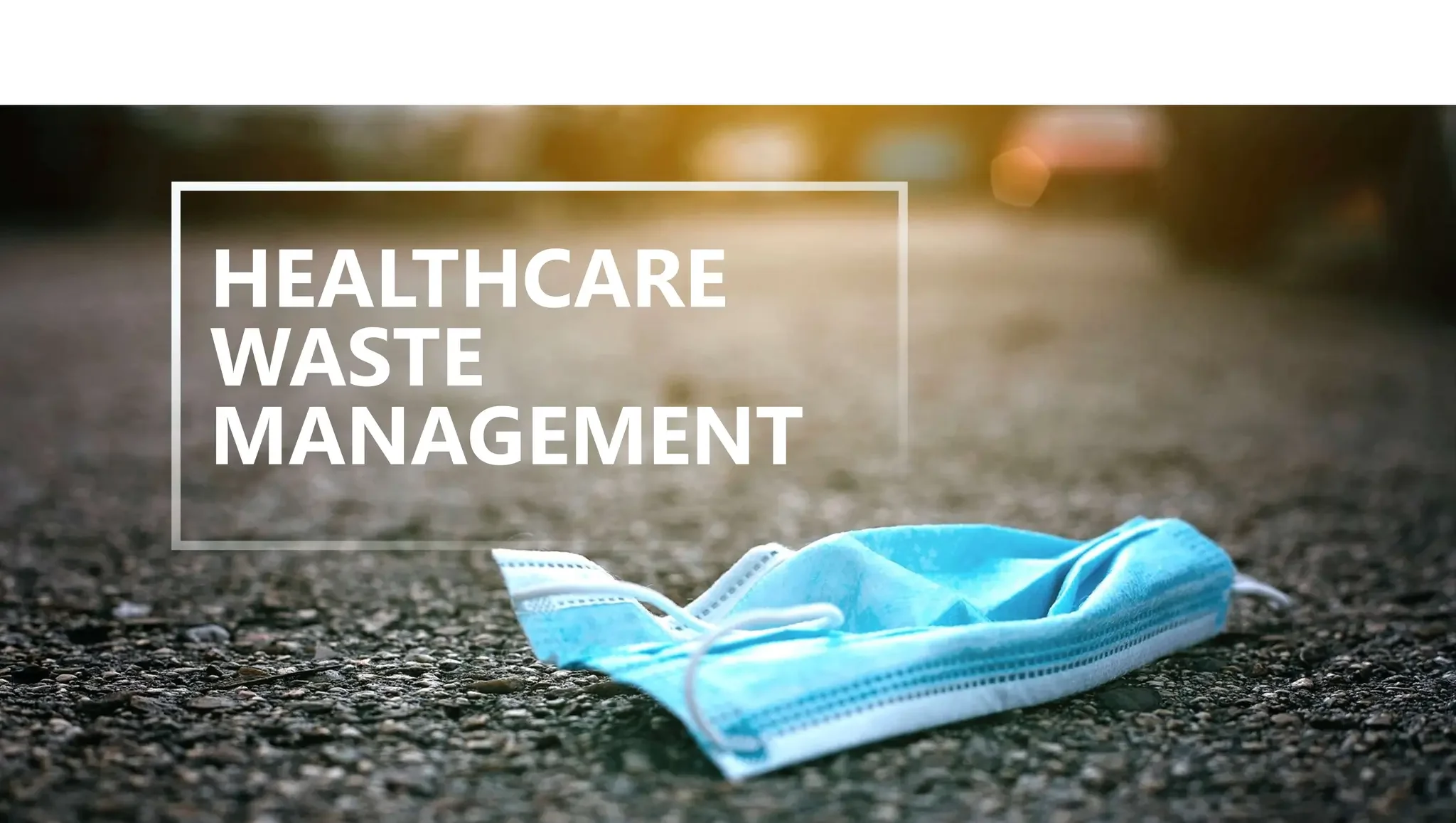
Health Care Waste Management (HCWM) is a critical and systematic process dedicated to the safe handling, treatment, and disposal of waste generated by healthcare facilities, including hospitals, clinics, laboratories, and long-term care facilities.
This waste includes hazardous items such as used sharps, contaminated materials, chemicals, and pharmaceuticals, all of which pose significant health and safety risks. The primary objective of HCWM is to protect healthcare workers, patients, and the broader environment from the risks associated with infections and exposure to toxic substances.
This comprehensive process involves meticulous waste segregation, proper containment, extensive staff training, and strict adherence to both local and federal regulations, while also emphasizing waste reduction and minimizing the hazards associated with hazardous materials. If you would like more information, you can review the World Health Organization’s information on Healthcare waste and its global impact.
Key Components of HCWM
Waste Generation & Segregation: Effective HCWM begins with waste segregation at the source, allowing for a systematic approach to managing different types of waste.
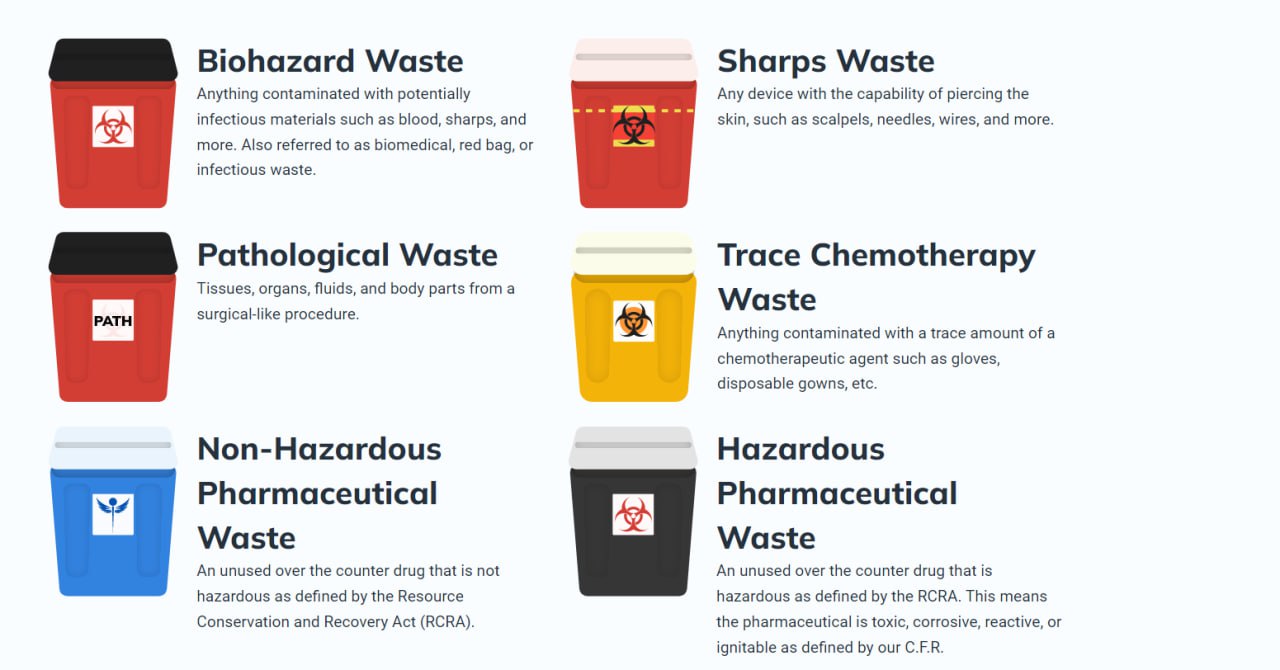
Healthcare providers are trained to categorize waste into distinct categories—such as infectious, sharps, pharmaceutical, chemical, radioactive, and general—ensuring that proper protocols are followed to maintain a safe environment. To facilitate this process, color-coded and clearly labeled containers are employed.
For instance, biohazardous waste is placed in vibrant red bags clearly marked with the biohazard symbol. At the same time, sharps are confined to puncture-proof, sturdy containers designed to prevent any accidental injury, ensuring both safety and clear identification.
Handling & Storage: Proper handling and storage of healthcare waste are essential in preventing accidents and minimizing exposure to staff and patients.
Waste must be placed in secure, leak-proof containers that are designed to withstand the nature of the waste within.
Furthermore, storage areas should be well-ventilated, maintained in a clean state, pest-resistant, and accessible only to authorized personnel. Creating controlled environments that adhere to these standards helps to mitigate risks effectively.
Treatment: Before disposal, healthcare waste undergoes appropriate treatment to neutralize potential hazards. Various methods are employed, including incineration, steam sterilization (autoclaving), or chemical disinfection, all of which are selected based on the type of waste.
Each method is designed to effectively eliminate pathogens and render toxic substances non-hazardous, thereby safeguarding public health and the environment.
Disposal: The final disposal phase involves the careful transfer of treated waste to approved landfills or specialized waste processing facilities that are equipped to handle regulated medical waste (RMW).
This process typically requires licensed waste haulers who are trained in compliance with the stringent regulations that govern the proper disposal of medical waste, ensuring safe and responsible management throughout the entire process.
Training & Compliance: The importance of ongoing education for healthcare staff cannot be overstated; comprehensive training programs ensure that workers are thoroughly familiar with established protocols and the necessary compliance regulations.
Healthcare workers must understand the guidelines established by organizations such as the Occupational Safety and Health Administration (OSHA), the Health Insurance Portability and Accountability Act (HIPAA), and the Environmental Protection Agency (EPA), as well as state and local laws that may impose additional requirements.
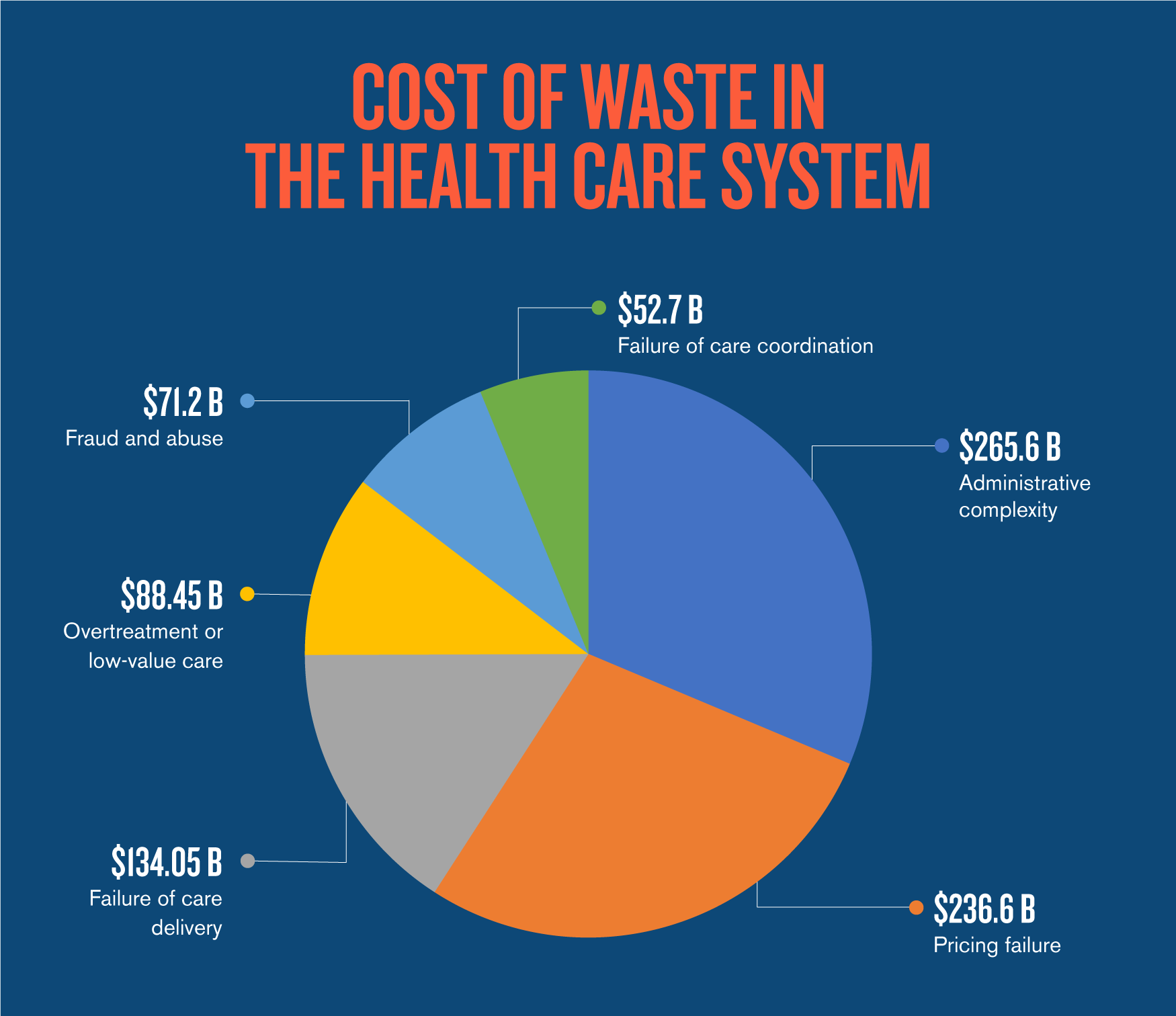
These costs can vary widely depending on factors such as the type of waste, the volume generated, and the disposal methods employed. Effective waste management is crucial for maintaining safety and compliance with health regulations, making it essential for healthcare providers to understand and plan for these expenses.
Types of Healthcare Waste
Infectious Waste: This category encompasses items contaminated with blood or body fluids, laboratory cultures, and used personal protective equipment (PPE) that have been exposed to infectious agents.
Sharps Waste: Items such as needles, scalpels, and broken glass fall into this category, posing significant injury risks, hence the need for specially designed containers.
Pharmaceutical Waste: This includes expired or unused medications, as well as any vaccines, which require specific handling procedures to prevent environmental contamination or unintended exposure.
Chemical Waste: Hazardous materials, including solvents, disinfectants, and laboratory reagents, are classified in this category and must be managed with precision to prevent harm to staff and the environment.
Radioactive Waste: Generated from nuclear medicine procedures, this type of waste necessitates unique disposal protocols due to its hazardous nature and potential long-term environmental impact.
General Waste: Non-hazardous items, such as paper, packaging materials, and other waste that do not pose a risk, can be disposed of more readily by following standard waste management practices.
Why It’s Important
Public Health: The implementation of effective HCWM practices is pivotal in preventing the spread of infectious diseases, including those caused by antibiotic-resistant microbes. This protection is essential for safeguarding healthcare workers, patients, and the broader community, thereby helping to maintain public confidence in healthcare services.
Environmental Protection: By mitigating air and water contamination that hazardous materials might cause, HCWM plays a crucial role in preserving ecological integrity. Proper management ensures that harmful substances do not enter ecosystems, reducing the potential for bioaccumulation and toxic exposure to wildlife and humans.
Legal & Ethical Duty: Healthcare facilities have a legal and ethical obligation to comply with a complex web of federal, state, and local laws governing waste management practices. This adherence not only fulfills legal requirements but also underscores a commitment to both community safety and environmental stewardship, fostering trust within the communities they serve.
In summary, Health Care Waste Management is a multifaceted discipline that is essential for promoting public health, protecting the environment, and ensuring compliance with various regulatory frameworks. The ongoing commitment to quality practices in HCWM contributes significantly to the overall safety and well-being of society.
In Conclusion:
Secure Waste will save you money on biomedical waste disposal. We understand these hazards.
Staying informed and proactive is vital as new biological challenges arise. Together, we can prioritize health and safety, increase awareness, and promote responsible actions to create a healthier future for all!
We provide reliable, compliant, and environmentally friendly biomedical waste disposal solutions tailored to your facility’s specific needs.
**Disclaimer** This information is provided for reference purposes only and should not be considered as legal advice or factual information at the time of your reading. Regulations frequently change and can vary from state to state. We encourage you to contact your local regulatory authorities or Secure Waste directly for the most current information. Please note that Secure Waste is not liable, in part or in whole, for any information contained on this page or website.
Expert Medical Waste Management: With over 25 years of industry experience, Secure Waste is a trusted local leader in hazardous and biohazardous waste disposal across Maryland, Virginia, and Washington, D.C. Specializing in medical waste management, sharps needle disposal, and biohazard waste removal, the company ensures full compliance with federal, state, and local regulations while prioritizing environmental sustainability.
The company also offers additional services, including secure document shredding and sharps container sales, providing comprehensive solutions for healthcare facilities and businesses. Our cost-effective services help clients maintain regulatory compliance without unexpected costs.
With a commitment to customer satisfaction, Secure Waste offers tailored waste management plans that align with industry best practices. Their team of experts provides reliable, timely, and compliant services, making them the preferred choice for medical waste disposal. For a free waste quote or more information, visit www.securewaste.net