Secure Waste provides an in-depth analysis of the Centers for Disease Control and Prevention (CDC) guidelines for the proper disposal of medical waste in the District of Columbia, Maryland, and Virginia (DMV) regions.
The guidelines emphasize the critical importance of immediately segregating infectious waste at its point of origin, which is essential to mitigate the risks of exposure and environmental contamination significantly.
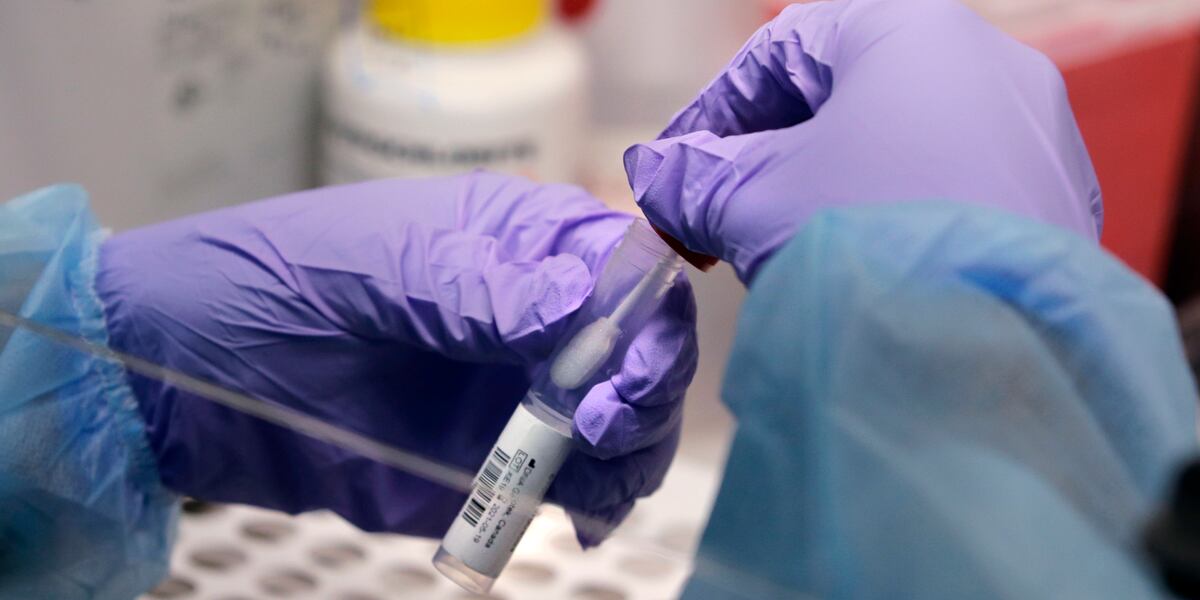
Managing medical waste effectively is crucial for the safety of our communities and the environment The Centers for Disease Control and Prevention CDC provides valuable guidelines to help healthcare facilities navigate this important responsibility By following these practices we not only protect public health but also contribute to a sustainable future Lets explore these essential strategies for managing medical waste effectively
Welcome to Secure Waste, the undisputed leader in regulated medical waste management and healthcare sharps needle disposal.
With over 30 years of experience, we have been dedicated to providing our clients with the most affordable and high-quality healthcare services in the D.C., Maryland, and Virginia (DMV) area, all while strictly adhering to CDC regulations and championing environmental sustainability.
Our services cater to a wide range of local practices and facilities, including but not limited to doctors’ offices, dental clinics, asthma and allergy centers, obstetrics and gynecology (OB/GYN) offices, urgent care facilities, surgical centers, funeral homes, and tattoo parlors.
No matter your area of expertise, we have tailored solutions to meet your medical waste management needs.
We serve a comprehensive range of locations, including major areas such as Baltimore, Howard County, Prince George’s County, and Montgomery County in Maryland. Our services also extend to Southern Maryland, ensuring that healthcare providers across the region can rely on us for safe waste disposal.
If you’re located across the Potomac River in Virginia, we’ve got you covered as well. We proudly serve Arlington, Alexandria, Fairfax County, Loudoun County, Manassas, Richmond, Virginia Beach, and Norfolk. Our extensive reach enables us to effectively support a diverse array of healthcare institutions, regardless of their location.
At Secure Waste, we understand the importance of efficient and reliable waste disposal services. That’s why we offer wholesale pricing with no long-term contracts, allowing you the flexibility you need to manage your practice effectively. Additionally, we provide customizable scheduling options to fit your busy timetable.
Please get in touch with us today to learn more about our services and how we can help keep your practice compliant and environmentally responsible. Let Secure Waste be your trusted partner in medical waste disposal!
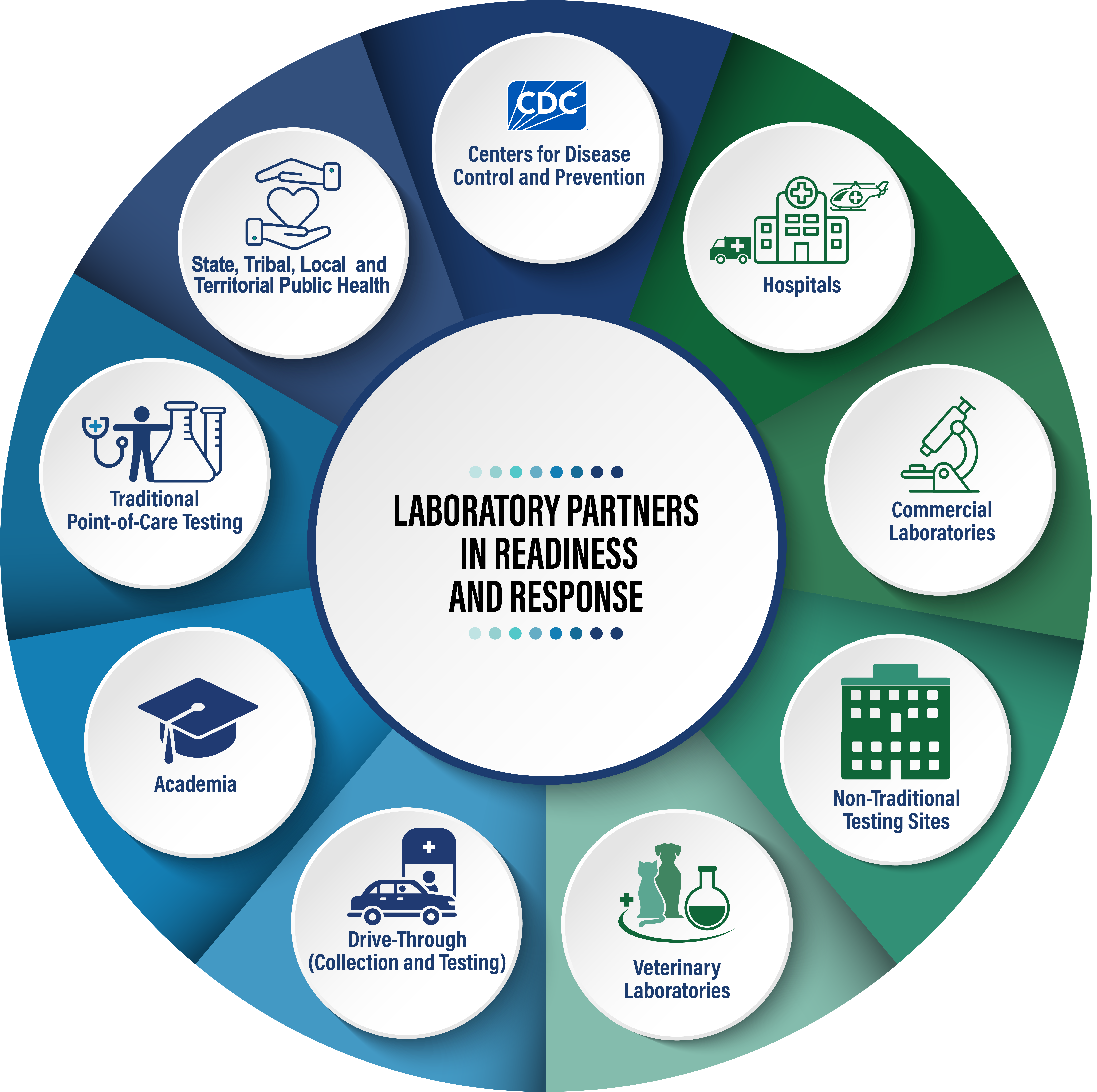
Comprehensive Overview of Key CDC Guidelines for Medical Waste Management
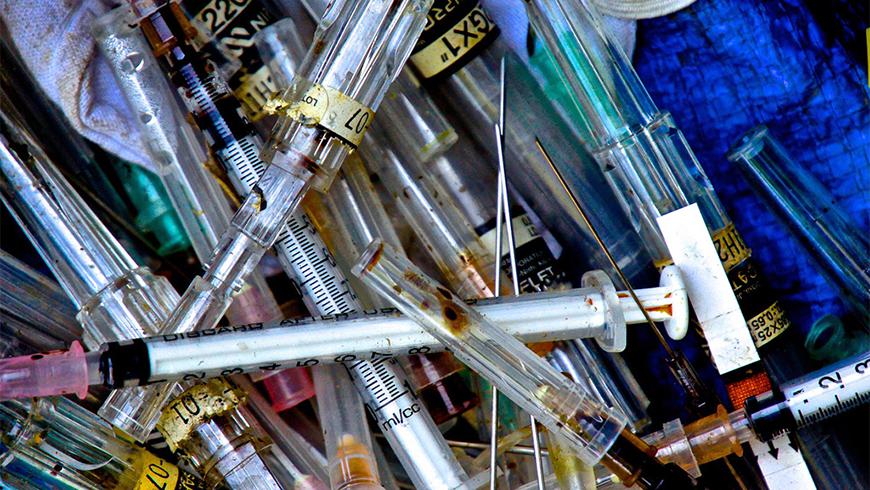
- Sharps Disposal: The disposal of sharps, including needles, syringes, scalpel blades, and other sharp instruments, must be conducted safely and immediately. It is vital to place these hazardous items directly into specially designed FDA-approved puncture-resistant containers. These containers are engineered to resist punctures and effectively safeguard against accidental injuries during handling. Healthcare facilities need to ensure these containers are not only easily accessible in clinical settings but also clearly labeled with distinct biohazard symbols to facilitate proper disposal practices among staff. Once the containers are filled to the indicated capacity, they should be disposed of in accordance with local and state regulations to ensure compliance and safety.
- Regulated Medical Waste (RMW): Items saturated with potentially infectious materials, such as blood, microbiological waste, and biological specimens, must be meticulously collected and placed in designated red biohazard bags. These specialized bags are a clear indicator that their contents are hazardous and require specialized handling. These biohazard bags must be sealed securely to prevent any spillage or leakage during transport. Additionally, facilities must implement procedures for transporting these bags to mitigate the risk of exposure to personnel and the public, following strict protocols to ensure safety during handling.
- Storage Requirements: Following the collection of medical waste, all waste materials should be stored in designated areas that are safe, secure, well-maintained, and easily disinfectable. It is essential to maintain strict physical separation between medical waste storage areas and routine waste disposal sites to prevent cross-contamination. When medical waste may decompose, emit unpleasant odors, or pose additional health risks, refrigeration may be necessary to maintain its integrity and safety until it can be processed.
- Container Specifications: All containers used for medical waste must meet stringent specifications: they must be constructed from rigid materials, be leak-resistant, and be impervious to moisture. Ensuring these standards are met is crucial as it prevents hazardous liquids or materials from leaking and contaminating the surrounding environment. Facilities should conduct regular inspections for signs of wear and tear on these containers to ensure their integrity and reliability in safely managing medical waste.
- Safety Handling: Personnel responsible for handling, transporting, or disposing of medical waste must wear appropriate personal protective equipment (PPE). This includes, but is not limited to, heavy-duty gloves, protective gowns, eye protection, and masks. The use of PPE is vital for safeguarding healthcare workers from potential exposures to infectious materials, and thorough training should be provided to ensure that staff understand and appreciate the importance of these safety precautions in their daily operations.
- Final Disposal Methods: The ultimate disposal of treated medical waste should be carried out using approved methods, such as incineration or autoclaving. Autoclaving uses high-pressure steam to sterilize waste and effectively eradicate pathogens. These disposal methods are pivotal in reducing the risk of community infections and ensuring public health safety. Facilities must develop and maintain protocols to ensure these disposal methods comply with local, state, and federal regulations and guidelines.
Regulatory Compliance For Medical Waste In DMV
- OSHA Requirements: All sharps disposal containers must comply with the Occupational Safety and Health Administration (OSHA) standards for bloodborne pathogens. Compliance with these regulations is vital not only for protecting healthcare workers from potential hazards but also for reinforcing the institution’s commitment to creating a safe workplace environment.
- State Regulations: Also, it is important to be aware of the specific regulations that may differ from state to state. For complete legal compliance, healthcare facilities must diligently review and comprehend local waste management laws and effectively integrate these regulations into their medical waste management procedures. This may include securing necessary permits or licenses for waste transportation or final disposal, ensuring that all practices align with the legal framework established by local authorities.
For a more thorough understanding of the procedures and recommendations regarding medical waste management, individuals and organizations are encouraged to consult the full CDC Environmental Infection Control Guidelines.
For additional information, visit the CDC’s guidelines about Regulated Medical Waste and Infection Control, which provide extensive guidance on the effective handling of sharps and various forms of regulated medical waste.
By strictly adhering to these detailed guidelines, healthcare facilities can significantly reduce the risk of infection transmission, ultimately fostering a safer, healthier environment for healthcare providers and patients alike.
In Conclusion:
Secure Waste will save you money on Regulated healthcare waste disposal. We understand these hazards.
Staying informed and proactive is vital as new disposal management challenges arise. Together, we can prioritize health and safety, increase awareness, and promote responsible actions to create a healthier future for all in Maryland, Virginia, and D.C.
We provide reliable, compliant, and environmentally friendly waste disposal solutions tailored to your facility’s specific needs.
Disclaimer: This information is provided for reference purposes only and should not be considered as legal advice or factual information at the time of your reading. Regulations frequently change and can vary from state to state. We encourage you to contact your local regulatory authorities or Secure Waste directly for the most current information. Please note that Secure Waste is not liable, in part or in whole, for any information contained on this page or website.
Expert Medical Waste Management: With over 25 years of industry experience, Secure Waste is a trusted local leader in hazardous and biohazardous waste disposal across Maryland, Virginia, and Washington, D.C. Specializing in medical waste management, sharps needle disposal, and biohazard waste removal, the company ensures full compliance with federal, state, and local regulations while prioritizing environmental sustainability.
The company also offers additional services, including secure document shredding and sharps container sales, providing comprehensive solutions for healthcare facilities and businesses. Our cost-effective services help clients maintain regulatory compliance without unexpected costs.
With a commitment to customer satisfaction, Secure Waste offers tailored waste management plans that align with industry best practices. Their team of experts provides reliable, timely, and compliant services, making them the preferred choice for medical waste disposal. For a free waste quote or more information, visit www.securewaste.net