Can I Put Medical Waste In Regular Trash In The DMV?
Secure Waste explains that, as a healthcare provider, it is crucial to adhere to proper disposal practices for Regulated medical waste (RMW), biohazardous waste, and sharps.
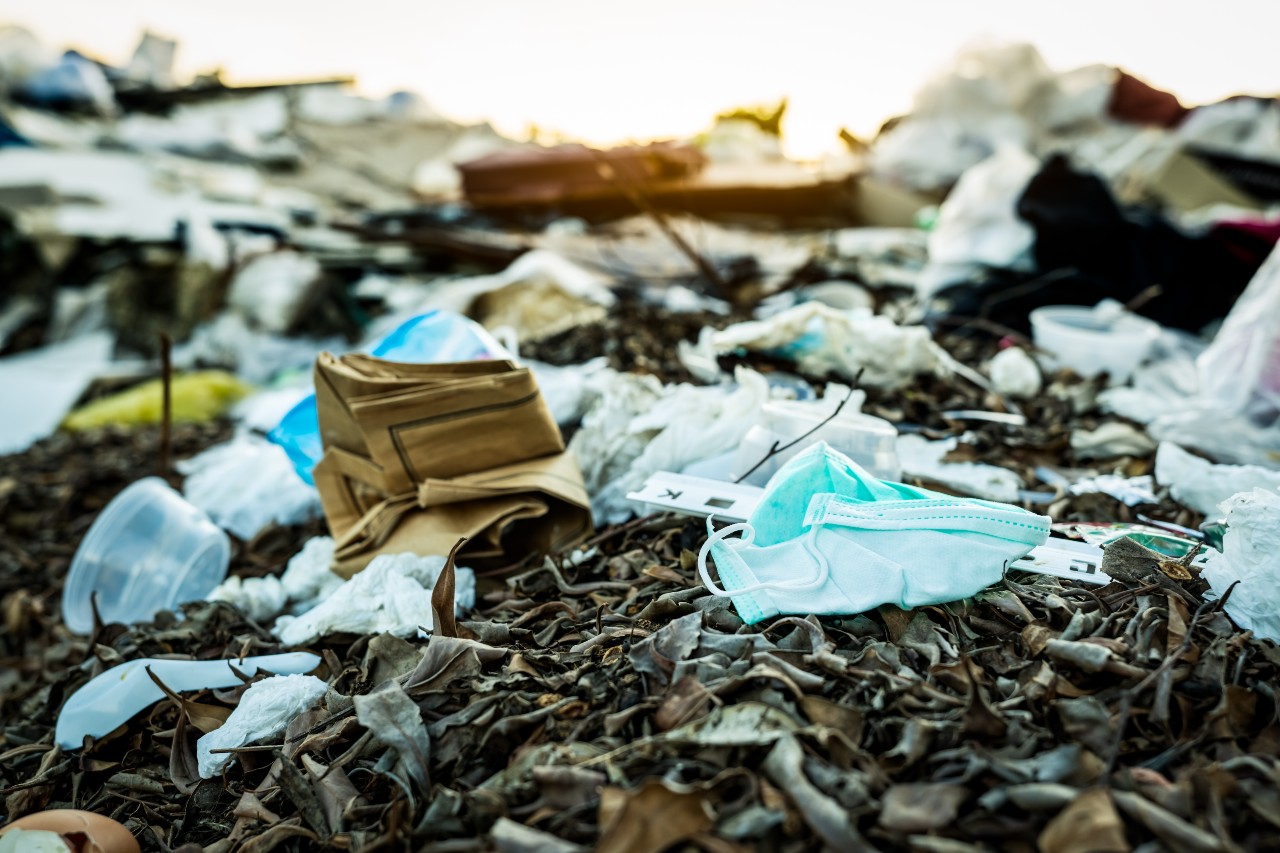
Disposing of these materials alongside regular trash is not only a violation of federal and state regulations but also poses serious risks to public health and safety. Such negligence can lead to substantial fines, legal liabilities, and environmental harm.
Therefore, it is vital to ensure that all medical waste is correctly segregated, handled, and disposed of in accordance with established guidelines.
Welcome to Secure Waste, a premier medical waste disposal company celebrated for its dedication to compliant and safe regulated medical waste management across Washington D.C., Maryland, and Virginia.
With over three decades of industry experience, we have established ourselves as the go-to provider of reliable, cost-effective medical waste and sharps management solutions in the DMV (D.C., Maryland, Virginia).
Our extensive experience has given us a profound understanding of the essential practices for safely handling, treating, and disposing of medical waste.
This comprehensive guide explores the fundamental differences between home medical waste disposal—specifically household sharps disposal—and commercial healthcare waste disposal.
We will begin by focusing on the disposal of regulated medical waste for healthcare providers. This section will emphasize the critical regulations and best practices that healthcare facilities must follow to ensure safety, compliance, and environmental responsibility in clinical settings.
Next, we will shift our focus to the responsible disposal methods for household medical waste. Residents need to know how to manage medical waste effectively at home, particularly items such as needles and other sharps.
We will provide practical tips, detailed guidelines, and recommended practices for residents, ensuring they are well-equipped to safely handle their own medical waste and dispose of it in an environmentally friendly manner.
Throughout this guide, our primary objective is to empower you with the knowledge and resources to safely and responsibly dispose of medical waste, whether you are operating in a medical facility or managing waste at home.
By following the guidance provided, you can play a pivotal role in ensuring public safety and environmental health in your community.
Key Requirements for Medical Waste Disposal
- Sharps Disposal:
- Sharps, which include items such as needles, syringes, scalpel blades, and other sharp instruments, must be disposed of in containers specifically designed for this purpose. These containers should be FDA-cleared, robust, and puncture-resistant to prevent any accidental injuries. All sharps containers must be clearly labeled with a biohazard symbol to alert personnel to the potential hazards contained within. The containers should be sealed and disposed of in accordance with local regulations once full.
- Biohazardous Waste:
- Biohazardous waste encompasses any materials that have been contaminated with blood or potentially infectious agents. Examples include used gloves, dressings, and surgical instruments. Such items must be placed in specially designed red bags that are both durable and leak-resistant, clearly labeled to indicate their hazardous nature. These bags are specifically constructed to minimize the risk of punctures and tears, thus safeguarding against leaks that could pose health risks.
- Storage Requirements:
- Proper storage of medical waste is essential for compliance and safety. All medical waste should be stored in a designated, secure area clearly marked with appropriate signage to prevent unauthorized access. This area should be easily identifiable and kept separate from all other waste sources to avoid any confusion regarding disposal protocols.
- Documentation:
- Maintaining thorough documentation is a critical aspect of medical waste management. A comprehensive waste manifest must be created to track every piece of medical waste from its generation in the healthcare setting to its final disposal. This consignment note should detail the quantities and types of waste being removed, and record the name of the disposal service provider. Accurate record-keeping is vital for compliance, as it enables traceability and accountability throughout the disposal process.
Regulatory Information
- The regulations governing medical waste disposal are enforced by agencies such as the Environmental Protection Agency (EPA) and the Occupational Safety and Health Administration (OSHA), which have stringent rules designed to prevent the mixing of medical waste with general municipal waste. Adhering to these regulations is crucial not only for public health but also for legal compliance.
- It is important to note that medical waste regulations can vary significantly from state to state. Therefore, it is advisable to consult with your local environmental protection agency or state health department to fully understand the specific regulatory requirements that apply to your facility.
- To ensure safe and compliant disposal practices, it is critical to engage a licensed medical waste disposal service that operates in accordance with all relevant regulations. These services specialize in the safe, reliable, and environmentally responsible management of medical waste.
Specific Compliance Guidelines
It is always recommended to verify compliance requirements with the U.S. Environmental Protection Agency and your local or state health department to ensure adherence to the most current regulations.
While the majority of medical waste cannot be placed in regular trash, certain household items can be disposed of safely if handled with caution. For example:
- Sharps (Needles/Lancets): Sharps should be placed in a sturdy plastic container, such as an empty laundry detergent bottle, ensuring the lid is securely taped in place to prevent any potential injuries. This temporary storage solution should then be disposed of according to local guidelines once full.
- Medications: Unused or expired medications should be disposed of safely to prevent environmental contamination. An effective method is to mix these medications with unpalatable substances such as coffee grounds, dirt, or cat litter, then seal the mixture in a plastic bag before discarding it with regular trash. However, it is highly recommended to consult resources like Safe. Pharmacy to locate designated drug drop-off locations, which provide a safe disposal option to mitigate environmental impact.
- Biohazardous Waste: Items categorized as biohazardous waste, including blood-soaked materials and other potentially infectious materials, must always be managed through authorized medical waste disposal services. These items should never be placed in regular household trash to prevent exposure and contamination.
Lastly, contacting your local sanitation department is a good way to familiarize yourself with the specific regulations and recommendations in your area, as waste disposal guidelines can vary widely based on local laws and ordinances. Understanding and adhering to these requirements is essential for public health, safety, and environmental protection.
In Conclusion:
Secure Waste will save you money on Regulated healthcare waste disposal. We understand these hazards.
Staying informed and proactive is vital as new disposal management challenges arise. Together, we can prioritize health and safety, increase awareness, and promote responsible actions to create a healthier future for all in D.C., Maryland, and Virginia, Also Known As The DMV.
We provide reliable, compliant, and environmentally friendly waste disposal solutions tailored to your facility’s specific needs.
Disclaimer: The information provided herein is intended solely for reference purposes and should not be interpreted as legal advice or as factually accurate at the time of your reading. It is important to note that regulations are subject to frequent changes and can vary significantly from one state to another. Therefore, we strongly encourage you to contact your local state regulatory authorities or Secure Waste directly to obtain the most current and accurate information. Additionally, please be advised that Secure Waste does not assume any liability, whether in part or in full, for the information contained on this page or website. This information is offered merely as a guide and should not be regarded as a definitive legal rule. In the event of a healthcare emergency, please dial 911 immediately.
Expert Medical Waste Management: With over 25 years of industry experience, Secure Waste is a trusted local leader in hazardous and biohazardous waste disposal across Maryland, Virginia, and Washington, D.C. Specializing in medical waste management, sharps needle disposal, and biohazard waste removal, the company ensures full compliance with federal, state, and local regulations while prioritizing environmental sustainability.
The company also offers additional services, including secure document shredding and sharps container sales, providing comprehensive solutions for healthcare facilities and businesses. Our cost-effective services help clients maintain regulatory compliance without unexpected costs.
With a commitment to customer satisfaction, Secure Waste offers tailored waste management plans that align with industry best practices. Their team of experts provides reliable, timely, and compliant services, making them the preferred choice for medical waste disposal. For a free waste quote or more information, visit www.securewaste.net