Biomedical Waste Disposal – Expert Solutions From Secure Waste
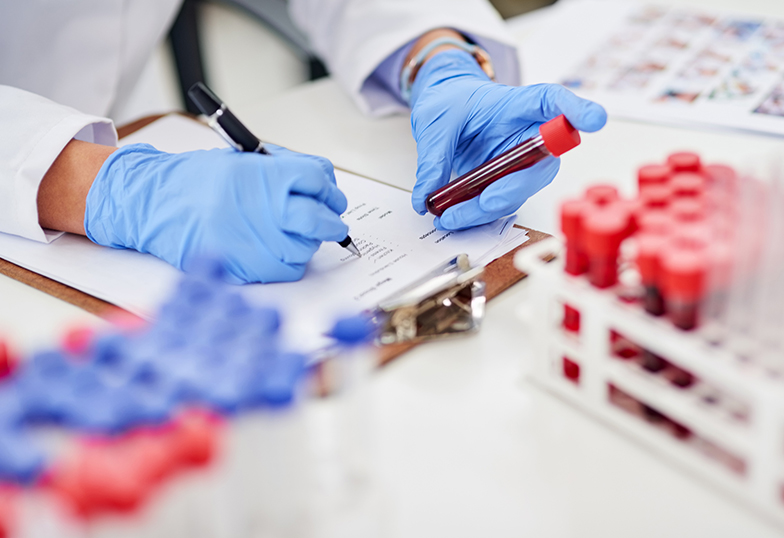
Biomedical waste, often referred to as hospital waste, encompasses any materials generated during the treatment of humans or animals and materials used in biological research that may contain infectious elements.
This fascinating category includes clinical items like packaging, unused bandages, infusion kits, and research waste containing biomolecules or organisms, which must be carefully managed to protect our environment.
Need A Quote For Biomedical Waste Management In “Click Here”
It’s important to remember in Virginia that discarded sharps, like needles and blades, are considered biomedical waste, regardless of contamination.
This distinction is vital, as they can pose serious health risks, including transmitting bloodborne pathogens and injury hazards, when incorrectly handled.
Biomedical Waste Regulations In Virginia DEQ
As we address the challenges of biomedical waste, we are adhering to regulations and committed to protecting our communities’ health and safety. Together, we can encourage responsible practices and work towards a cleaner, safer future for everyone! Let’s make a difference together!
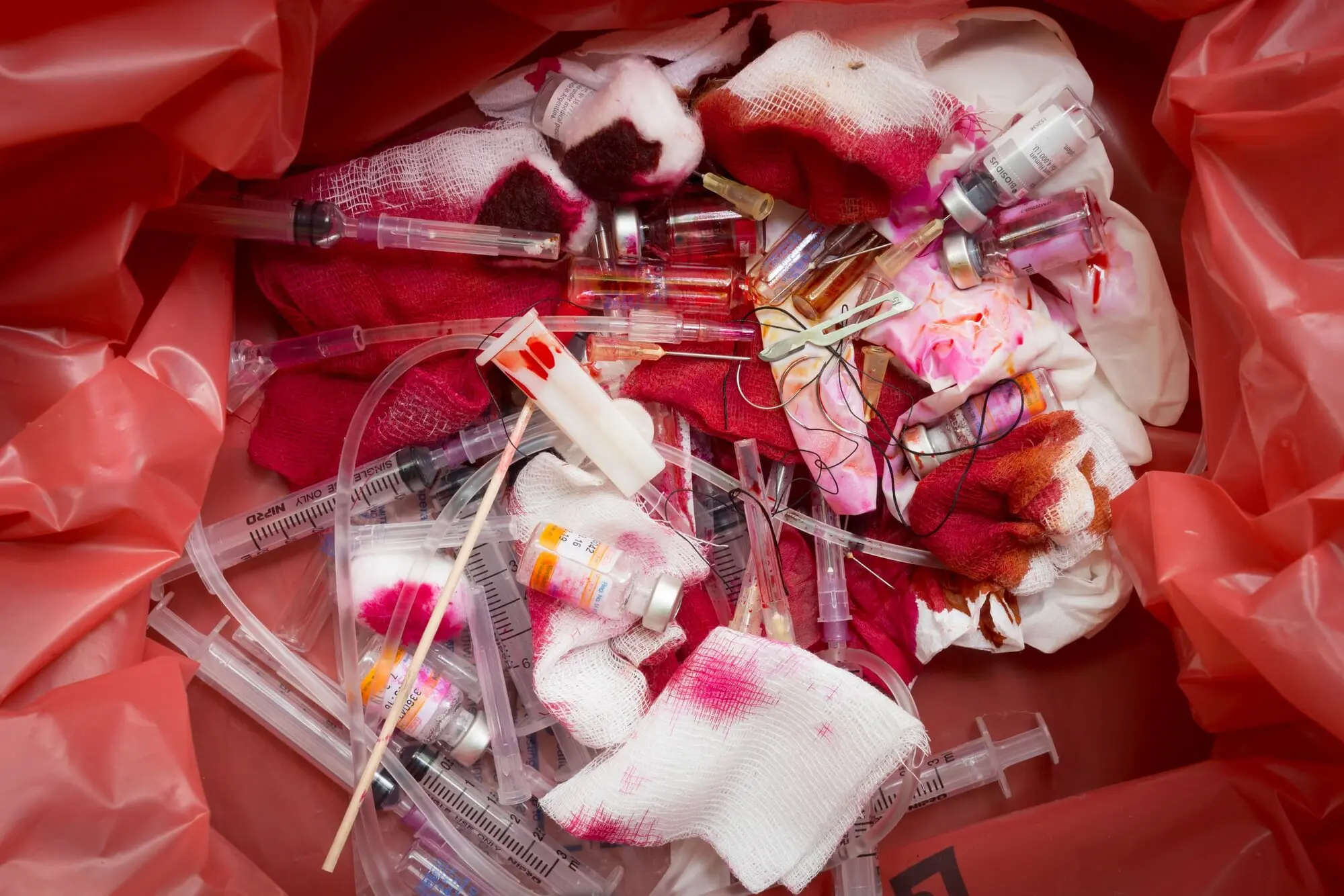
Biomedical waste can be classified as either solid or liquid. Examples of Virginia infectious waste include discarded blood, sharps, unwanted microbiological cultures and stocks, identifiable body parts (including those resulting from amputations), human or animal tissue, used bandages and dressings, discarded gloves, and other medical supplies that may have come into contact with blood and body fluids.
Additionally, laboratory waste that exhibits these characteristics is also considered infectious. Waste sharps include potentially contaminated used and unused (but discarded) needles, scalpels, lancets, and other devices capable of penetrating the skin.
Biomedical waste arises from vital medical and biological activities, including disease diagnosis, prevention, and treatment.
Familiar sources include hospitals, health clinics, nursing homes, emergency medical services, research laboratories, and veterinary clinics. This specialized waste is often called medical or clinical waste in these healthcare settings.
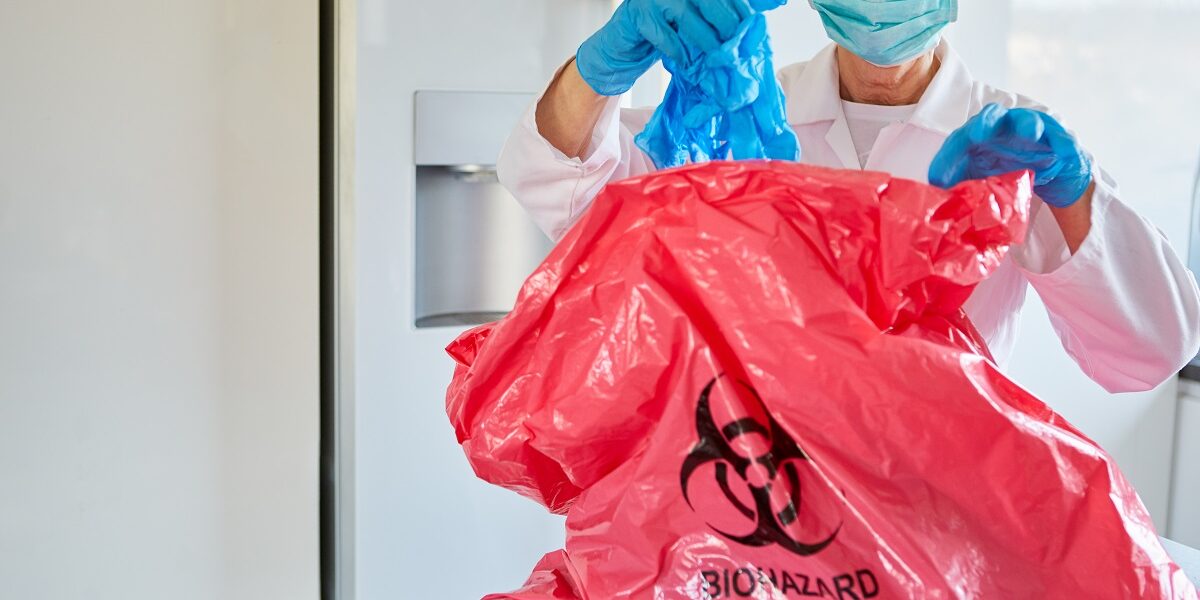
It’s essential to recognize that Virginia biomedical waste is not the same as regular waste or other hazardous materials like chemical or radioactive waste. Although not all biomedical waste is infectious, it still demands careful handling and disposal due to the potentially dangerous nature of certain materials.
Some types, like tissue samples stored in formalin, can be particularly hazardous, falling into the category of multi-hazardous waste. Understanding these distinctions is crucial for maintaining health and safety standards in our communities. We can protect the environment and public health by prioritizing proper disposal practices!
In closing, if you don’t mind, you can contact Secure Waste for a Biomedical waste quote. We provide reliable, compliant, eco-friendly Biomedical waste disposal solutions for your facility’s needs. We have expertise in biomedical, hazardous waste, and Sharps container disposal. In addition, we provide customized waste management plans, including secure collection and transport and sustainable disposal practices.
Contact us today for a FREE Waste Assessment, or request a quote online!
Expert Medical Waste Management: With over 25 years of industry experience, Secure Waste is a trusted local leader in hazardous and biohazardous waste disposal across Maryland, Virginia, and Washington, D.C. Specializing in medical waste management, sharps needle disposal, and biohazard waste removal, the company ensures full compliance with federal, state, and local regulations while prioritizing environmental sustainability.
The company also offers additional services, including secure document shredding and sharps container sales, providing comprehensive solutions for healthcare facilities and businesses. Our cost-effective services help clients maintain regulatory compliance without unexpected costs.
With a commitment to customer satisfaction, Secure Waste offers tailored waste management plans that align with industry best practices. Their team of experts provides reliable, timely, and compliant services, making them the preferred choice for medical waste disposal. For a free waste quote or more information, visit www.securewaste.net