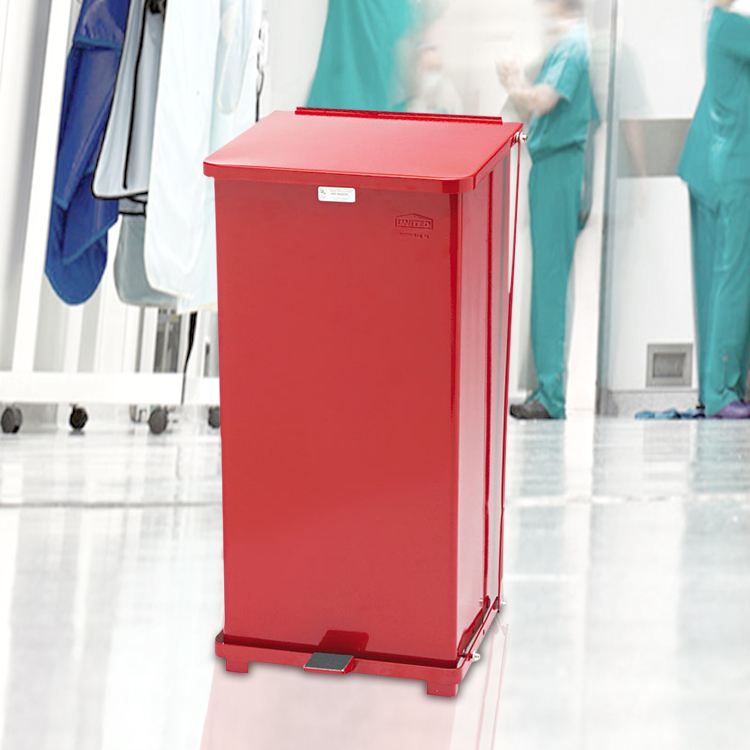
What Is A Biohazard Garbage Can? Get Expert Solutions From Secure Waste On All Things Biohazard
What exactly defines a biohazard garbage can? This inquiry is crucial in today’s world. Secure Waste has meticulously examined this subject, particularly emphasizing the vital function these specialized containers serve in managing the medical waste produced in healthcare environments. Biohazard bins are carefully designed to contain, isolate, and securely dispose of hazardous materials that significantly endanger public health and safety. These materials include infectious waste, toxic chemical agents, and sharp instruments.
Before we delve into the specifics of a biohazard bin, its significance, and proper usage, it’s essential to clarify the definition of biohazard waste.
Biohazard waste, often referred to as infectious waste, comprises materials that potentially pose a risk to human health or the environment due to contamination with pathogens, harmful chemicals, or other hazardous substances. This understanding is crucial for implementing effective waste management strategies and ensuring safety across various environments, particularly in healthcare facilities, laboratories, and research institutions.
What Is Biohazard Waste? A Comprehensive Overview
Biohazard waste encompasses a variety of materials that have been contaminated with potentially infectious agents, which include bacteria, viruses, and other microorganisms known to cause diseases. The classification of this waste category is critical, as mishandling can lead to significant health risks and environmental hazards.
The most common types of biohazardous waste include:
1. Blood and Bodily Fluids: Any materials containing human blood, urine, saliva, or other bodily fluids that may carry infectious agents are classified as biohazard waste.
2. Human Cell Lines and Tissues: Specimens derived from human cells that may contain pathogens are also included in this category.
3. Contaminated Animal Carcasses: Animal remains that have been exposed to infectious agents or chemicals must be disposed of following strict biohazard regulations.
4. Sharps: Items such as needles, blades, and broken glass that can puncture the skin and pose a risk of infection must be handled and disposed of meticulously.
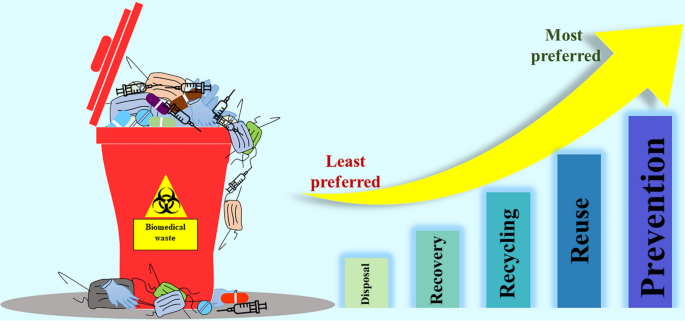
Proper disposal of biohazardous waste is fundamental not only for preventing the spread of infectious diseases but also for safeguarding public health and protecting the environment. Biohazard bins, specifically designed for this purpose, are essential tools in ensuring safe and responsible waste management practices. For further guidance and regulatory frameworks regarding the management of biohazardous waste, information can be sourced from the Occupational Safety and Health Administration (OSHA).
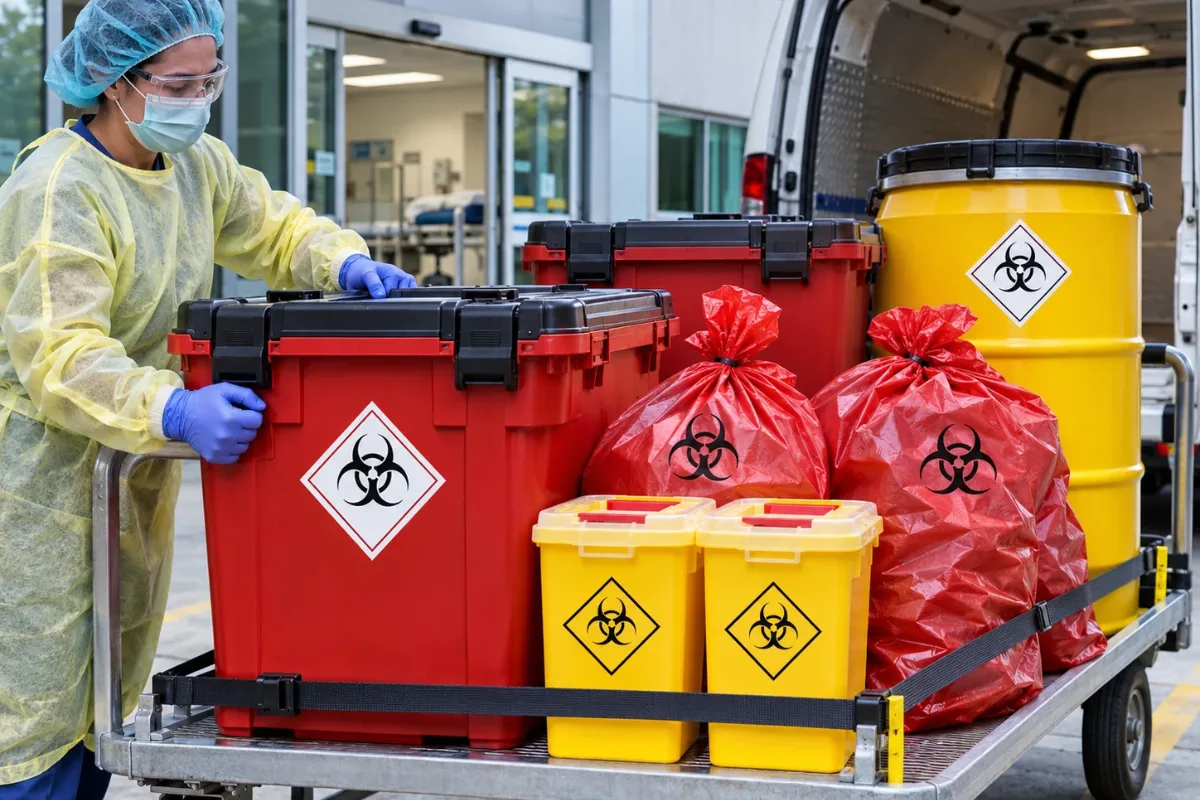
Secure Waste is committed to elucidating the various types of garbage receptacles specifically engineered for biohazard waste. These encompass everything from streamlined, disposable medical waste boxes that promote seamless handling and disposal to durable, high-strength plastic tubs capable of withstanding the demands of larger volumes of waste. Additionally, specialized sharps containers are expertly crafted with safety features such as puncture-resistance and secure locking mechanisms, ensuring the safe handling and disposal of sharp instruments like needles and blades, which can pose serious injury risks.
Let’s explore the complexities of biohazard waste cans further, examining their innovative design features, compliance with stringent regulatory standards, and the critical role they occupy in safeguarding safety, hygiene, and adherence to waste management protocols within medical settings. A comprehensive understanding of these details is essential for healthcare providers, waste management professionals, and anyone responsible for disposing of potentially hazardous materials.
Expert Medical Waste Management: With over 25 years of industry experience, Secure Waste is a trusted local leader in hazardous and biohazardous waste disposal across Maryland, Virginia, and Washington, D.C. Specializing in medical waste management, sharps needle disposal, and biohazard waste removal, the company ensures full compliance with federal, state, and local regulations while prioritizing environmental sustainability.
The company also offers additional services, including secure document shredding and sharps container sales, providing comprehensive solutions for healthcare facilities and businesses. Our cost-effective services help clients maintain regulatory compliance without unexpected costs.
With a commitment to customer satisfaction, Secure Waste offers tailored waste management plans that align with industry best practices. Their team of experts provides reliable, timely, and compliant services, making them the preferred choice for medical waste disposal. For a free waste quote or more information, visit www.securewaste.net