
The Importance of Compliance in Biohazard Disposal for Hospice Care in the DMV Area
Secure Waste underscores the vital need for strict adherence to federal and state regulations governing biohazardous waste disposal, particularly as they pertain to hospice and palliative care.
This issue is especially relevant in the DMV area (D.C., Maryland, Virginia), where infectious waste, sharps, and pharmaceuticals are frequently disposed of in home-based or residential settings.
Given the nature of these sensitive settings, specialized waste management services are engaged to expertly handle materials that may pose health risks, including blood-soaked dressings, contaminated personal protective equipment (PPE), and sharp objects such as needles.
Common disposal and treatment methods for these materials involve sophisticated processes such as autoclaving or incineration, which are essential for ensuring safety and regulatory compliance.

Welcome to Secure Waste, the leading biohazard disposal and management company dedicated to serving the DMV area.
With an impressive track record spanning over 25 years, we have become a trusted partner to local healthcare providers, ensuring the safe and responsible disposal of biohazardous waste across a wide range of settings.
At Secure Waste, we understand that medical facilities, laboratories, and other organizations generating biohazardous waste have unique needs. That’s why we pride ourselves on offering a diverse range of affordable, flexible services tailored to meet those requirements.
Our commitment to transparency means we do not require long-term contracts, allowing you the freedom to use our services as often as you need without unnecessary obligations.
Our service area includes Loudoun County, Fairfax, Arlington, and Alexandria in Virginia, as well as Prince George’s County and Montgomery County, extending down to Calvert and St. Mary’s Counties. We’re here to help you wherever you are in this expansive region.
If you’re looking for expert assistance in managing biohazard waste, from sharps disposal and infectious waste management to pharmaceutical waste and hazardous material handling, we would like to encourage you to contact us today.
Our knowledgeable team is ready to provide you with the support you need to ensure compliance with local regulations and maintain a safe environment for your staff and community.
Now, let’s delve into the significant topic of biohazard waste management in hospice settings. This critical aspect of healthcare requires specialized attention and understanding, and we are here to explore its best practices and the essential role it plays in patient care.
Types of Hospice Biohazard Waste in the DC-MD-VA Region
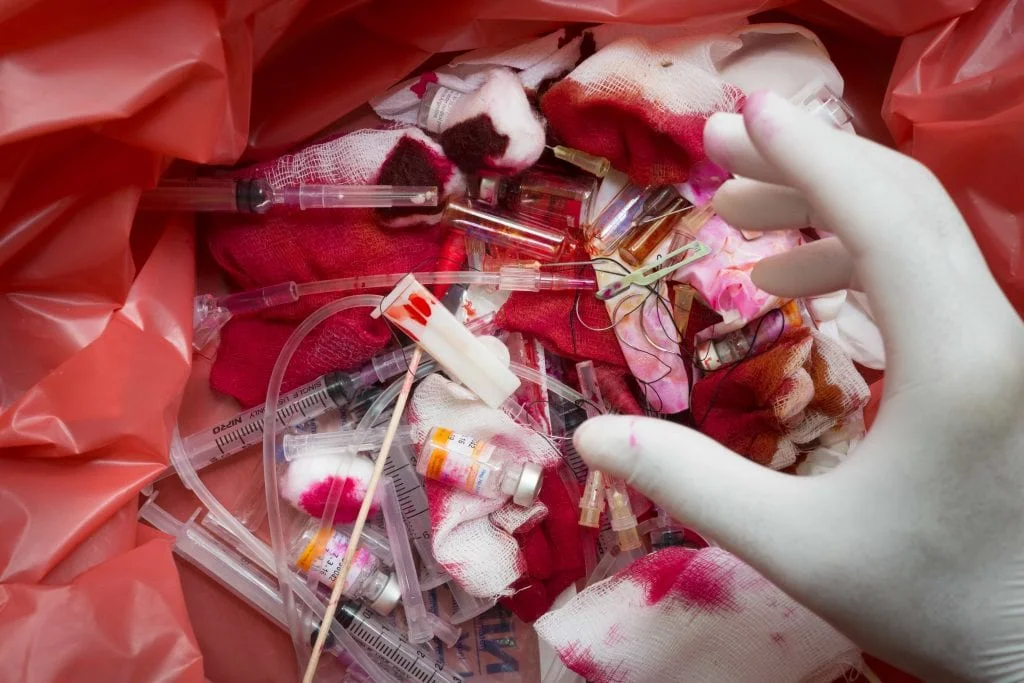
- Regulated Medical Waste (RMW) / Red Bag Waste: This category comprises items saturated with blood or other potentially infectious materials (OPIM). These include, but are not limited to, bandages, dressings, and various forms of PPE. The meticulous handling and prompt disposal of RMW are crucial for preventing the spread of infections and protecting both healthcare providers and patients.
- Sharps Waste: This hazardous waste stream includes any item that can potentially cause puncture injuries, such as needles, syringes, scalpels, and lancets. The risk presented by sharps necessitates particularly stringent management practices to avert accidental injury and potential disease transmission.
- Pathological Waste: Comprising human tissues, organs, or fluids, pathological waste requires incineration to ensure thorough destruction of any pathogens that might be present. This process not only protects the public but also mitigates environmental risks.
- Pharmaceutical Waste: This category entails unused, expired, or otherwise unwanted medications. Compliance with the Drug Enforcement Administration (DEA) regulations is critical for the safe disposal of pharmaceutical waste, as improper disposal can lead to drug misuse or environmental contamination.
Detailed Disposal Procedures and Best Practices
- Sharps Management: Used sharps must be disposed of in FDA-certified, puncture-resistant containers immediately after use. These containers should not exceed 75% capacity before sealing to ensure safety during transport and storage, thereby minimizing the risk of needle-stick injuries.
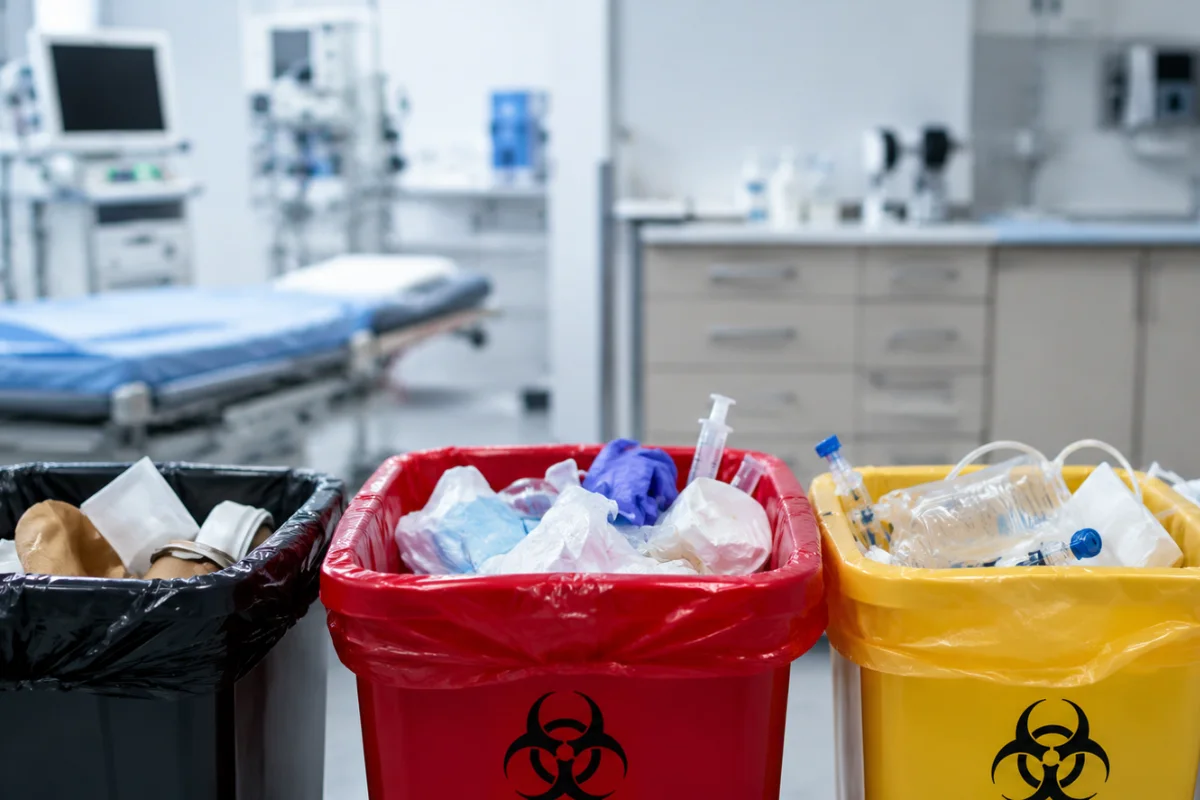
- Red Bag Usage: Infectious waste should be placed in designated red biohazard bags specifically designed to contain such materials. These bags must then be stored in rigid, leak-proof containers equipped with secure, lockable lids to prevent any chance of leaks or exposure to the contents.
- Storage and Pickup Procedures: Biohazardous waste must be stored in a designated secure area that is access-controlled. Regular pickup by a licensed medical waste transporter is essential to maintain safety protocols and ensure the timely disposal of hazardous materials.
- Home-Based Care Considerations: In hospice care delivered within residential settings, sharps can be safely contained in heavy-duty plastic containers, such as those utilized for laundry detergent. Local guidelines will dictate disposal methods, which may include designated community drop-off points or approved mail-back programs tailored for public safety.
Compliance, Safety, and Education
- OSHA Training Requirements: It is mandated that all personnel undergo comprehensive training that covers the handling of bloodborne pathogens and hazardous waste. Such education is pivotal in fostering a safe working atmosphere and minimizing potential health risks.
- Documentation Standards: Accurate record-keeping regarding the chain of custody for all types of medical waste is essential, especially for pharmaceutical waste. Using tools such as the DEA Form 41 for controlled substances is crucial to ensuring compliance with regulatory requirements.
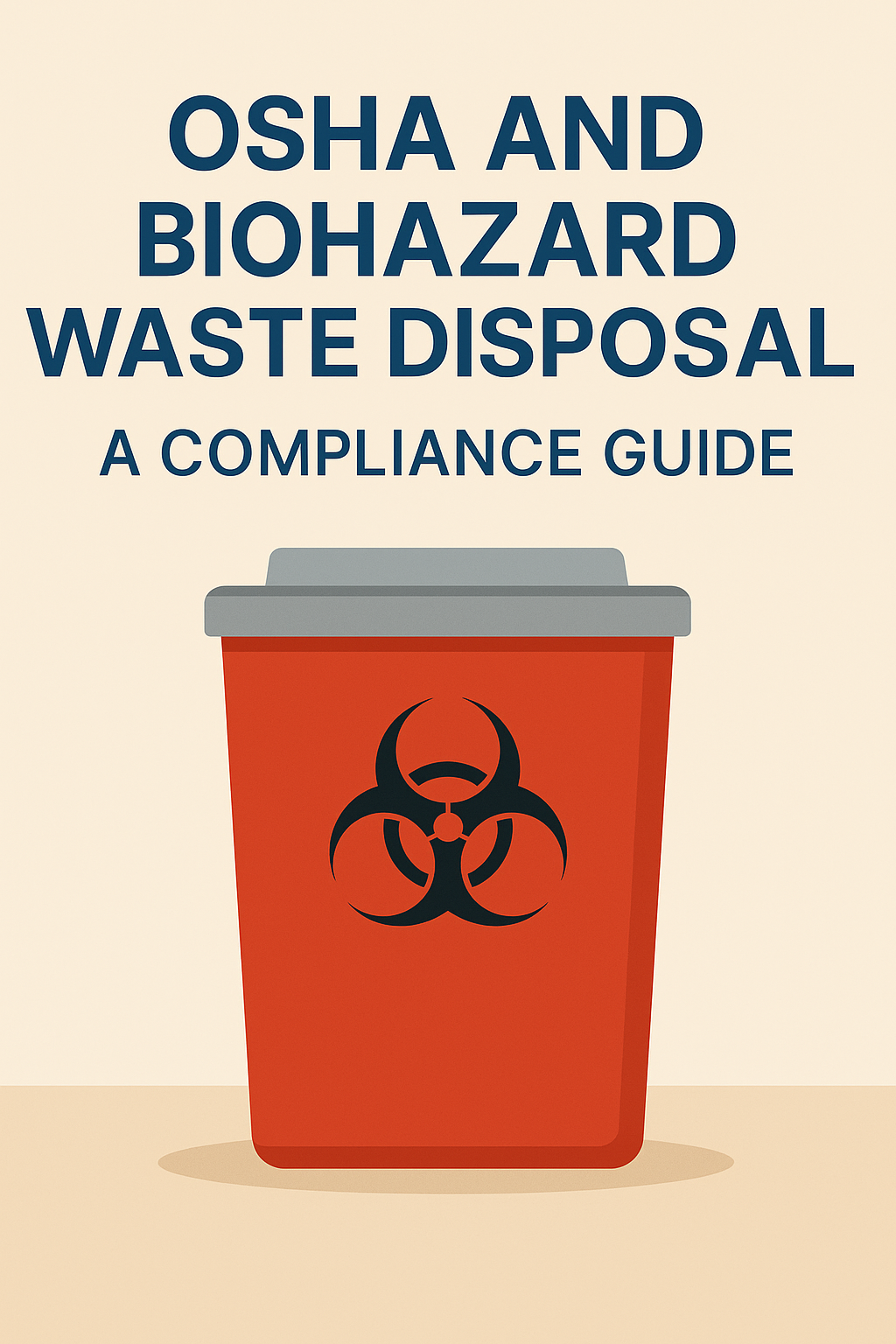
- Proper Labeling: All waste containers must be clearly marked with the international biohazard symbol. This labeling effectively communicates the potential risks associated with the container’s contents to all personnel who may handle the waste.
Service Providers Specializing in Biohazard Waste Management
Numerous specialized companies are available to meet the diverse needs of biohazard waste disposal, offering tailored pickup schedules tailored to specific patient loads. Their services encompass in-home care, residential hospice programs, and larger facility-based operations.
- Stericycle: This well-established company provides comprehensive services designed for the disposal of biohazardous, pharmaceutical, and sharps waste. They ensure adherence to all legal and regulatory requirements throughout the disposal process.
- Secure Waste: Focused explicitly on hospice care settings, Secure Waste offers waste management solutions customized for the unique challenges presented in this sensitive domain. Their tailored services are crafted to meet the distinct needs of hospice organizations and their patients.
Financial Overview of Biohazard Waste Disposal
The costs associated with basic biohazard and sharps disposal typically range from $75 to $200 per month. Various options are available, accommodating both one-time cleanups and regular, scheduled waste collection services, allowing healthcare providers to choose a plan that best aligns with their operational needs and budget considerations.
In Conclusion:
Secure Waste will save you money on Regulated healthcare waste disposal. We understand these hazards.
Staying informed and proactive is vital as new disposal management challenges arise. Together, we can prioritize health and safety, increase awareness, and promote responsible actions to create a healthier future for all in Maryland, Virginia, and D.C.
We provide reliable, compliant, and environmentally friendly waste disposal solutions tailored to your facility’s specific needs.
Disclaimer: This information is provided for reference purposes only and should not be considered as legal advice or factual information at the time of your reading. Regulations frequently change and can vary from state to state. We encourage you to contact your local regulatory authorities or Secure Waste directly for the most current information. Please note that Secure Waste is not liable, in part or in whole, for any information contained on this page or website.
Expert Medical Waste Management: With over 25 years of industry experience, Secure Waste is a trusted local leader in hazardous and biohazardous waste disposal across Maryland, Virginia, and Washington, D.C. Specializing in medical waste management, sharps needle disposal, and biohazard waste removal, the company ensures full compliance with federal, state, and local regulations while prioritizing environmental sustainability.
The company also offers additional services, including secure document shredding and sharps container sales, providing comprehensive solutions for healthcare facilities and businesses. Our cost-effective services help clients maintain regulatory compliance without unexpected costs.
With a commitment to customer satisfaction, Secure Waste offers tailored waste management plans that align with industry best practices. Their team of experts provides reliable, timely, and compliant services, making them the preferred choice for medical waste disposal. For a free waste quote or more information, visit www.securewaste.net