COVID-19 Vaccine Disposal: FAQs On Safe, Compliant Waste Management
Secure Waste is a leader and specialist in Healthcare Waste Management, including the safe handling of COVID-19-related waste.
Our team is dedicated to providing comprehensive services throughout Maryland, Virginia, and Washington, D.C., ensuring that all types of healthcare waste, including sharps and biohazardous materials, are managed in accordance with the highest safety and regulatory standards.
We understand the critical importance of proper waste disposal in maintaining public health and safety. Please get in touch with us today at 877-633-6328 to discuss how we can help with your healthcare waste management needs. Your safety is our priority!

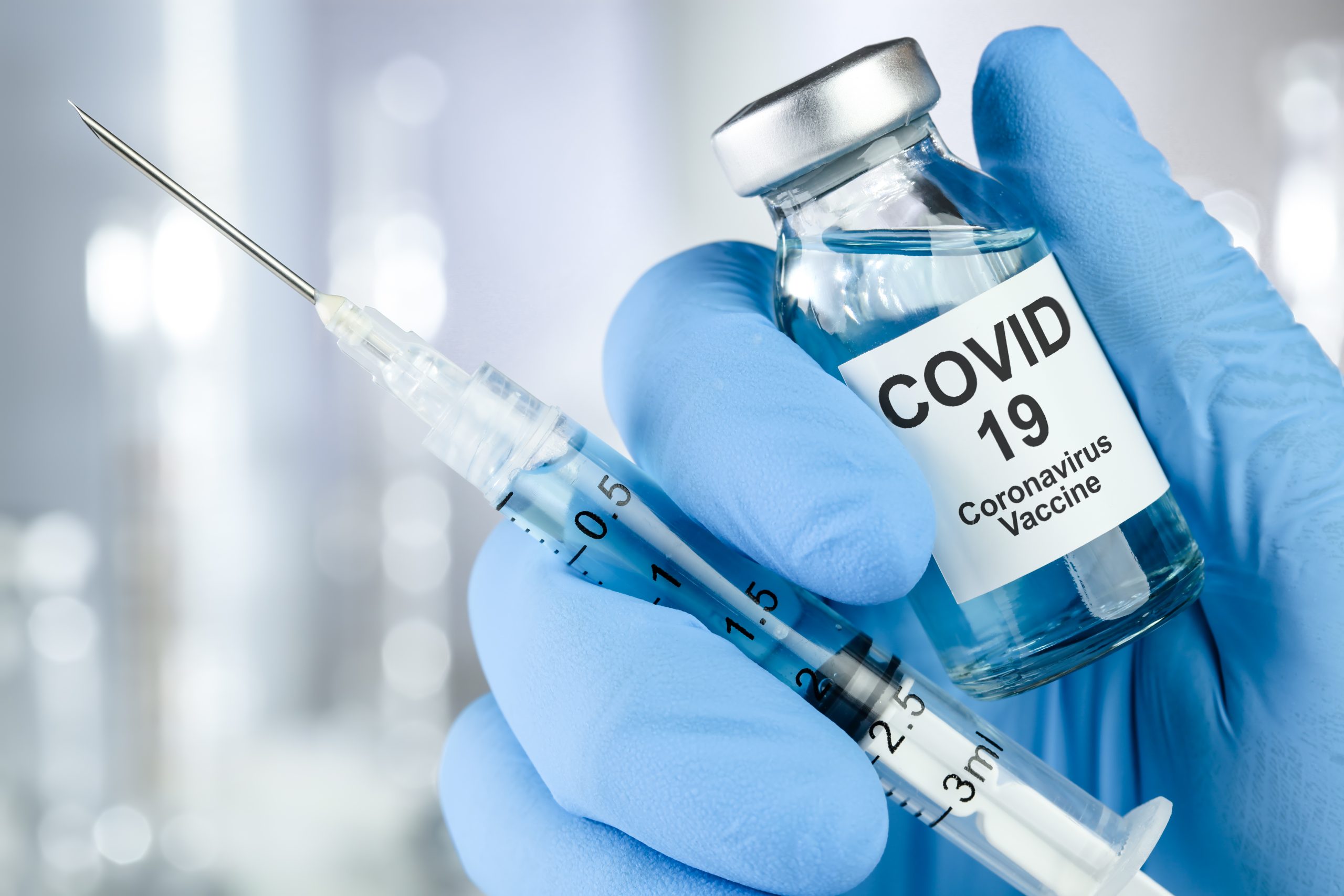
The proper disposal of COVID 19 vaccine materials is crucial to ensure public safety and environmental protection Vaccines like any medical waste must be handled with care to prevent contamination and potential health risks This includes following local regulations and guidelines for the disposal of hazardous materials as well as ensuring that any injection equipmentsuch as needles and syringesis disposed of in designated sharps containers Always consult with local health authorities for specific protocols and best practices regarding vaccine disposal in your area
FAQ on COVID-19 Vaccine Disposal
With multiple COVID-19 vaccines approved and administered across the United States, healthcare organizations have taken on the enormous responsibility of delivering vaccines safely, efficiently, and at scale.
Alongside vaccine administration comes a critical operational challenge that cannot be overlooked: managing the significant increase in vaccine-related waste.
Proper disposal is essential to protect healthcare workers, patients, waste handlers, and the environment while maintaining compliance with federal and state regulations. This FAQ provides clear guidance on how healthcare organizations can safely and compliantly manage COVID-19 vaccine waste.
How Should COVID-19 Vaccination Waste Be Disposed Of?
In general, COVID-19 vaccine waste should be managed using the same processes applied to other routine vaccination programs, such as annual influenza campaigns.
Currently approved COVID-19 vaccines do not contain components that classify leftover doses as hazardous waste, so standard regulated medical waste procedures apply. However, the materials used to administer vaccines each have specific handling requirements that organizations must understand and follow to remain compliant and minimize risk.

Proper Disposal of Syringes
Used syringes must always be placed in approved sharps containers and disposed of as regulated medical waste.
These containers are considered medical devices and must be cleared by the U.S. Food and Drug Administration. Both reusable and disposable sharps containers are acceptable, provided they meet FDA requirements and OSHA labeling standards.
Reusable containers offer environmental benefits by reducing plastic waste sent to landfills, making them a strong option for facilities with ongoing sharps generation. For non-hospital settings or temporary vaccination sites with lower volumes, disposable containers may be more practical and cost-effective.
Regardless of container type, sharps should never be placed in regular trash or improvised containers.
Disposal of Vaccine Vials
Empty, partially used, or unused vaccine vials that are no longer needed should ideally be disposed of in sharps containers and treated as regulated medical waste.
This approach minimizes the risk of injury from broken glass and reduces the possibility of diversion or misuse. Some states, however, may classify vaccine vials as non-hazardous pharmaceutical waste.
Because regulations vary by state, healthcare organizations should verify local requirements before finalizing disposal procedures. Ensuring proper disposal of vials is especially important during large-scale vaccination efforts, where increased volumes can heighten the risk if protocols are unclear.
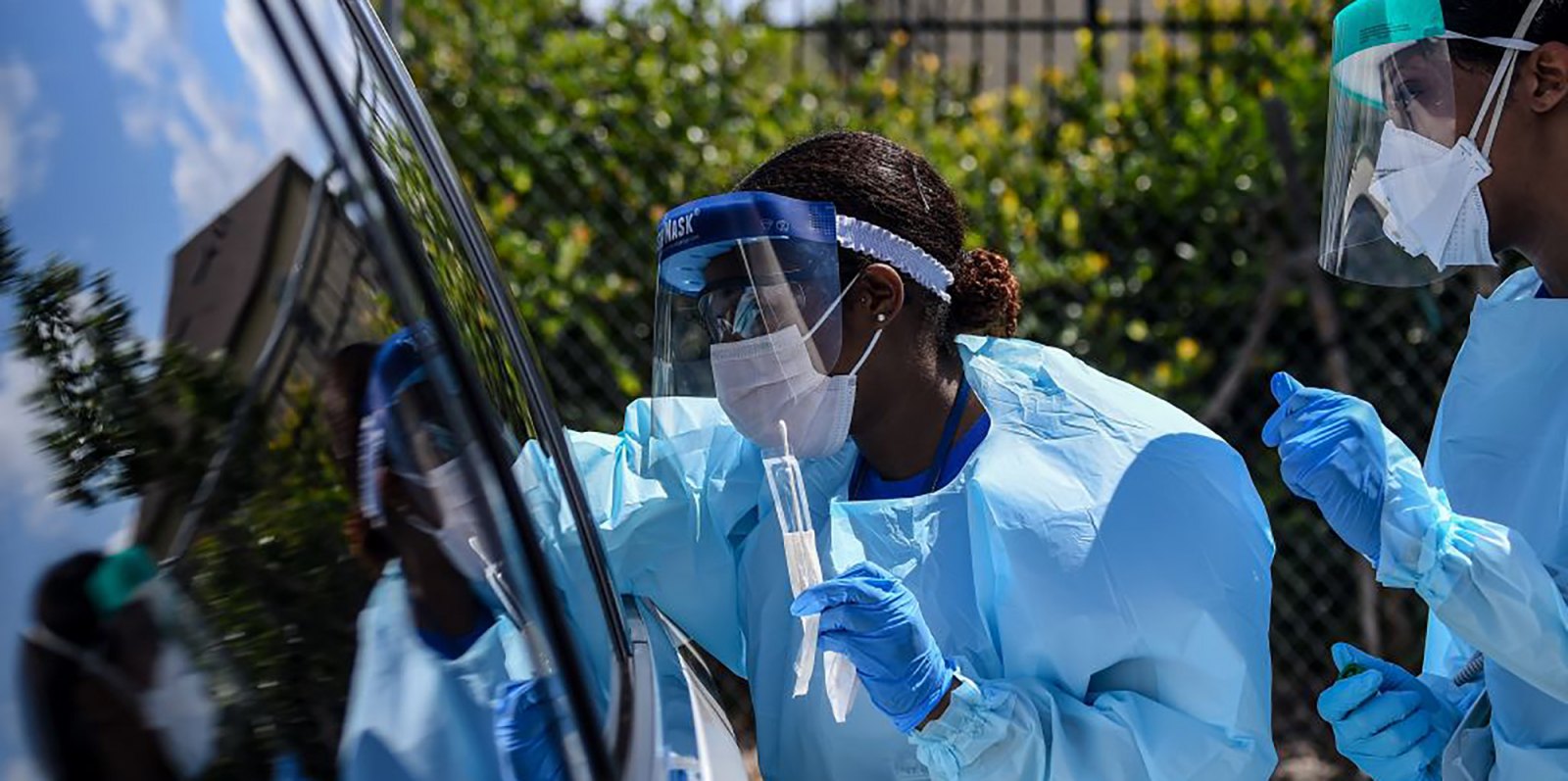
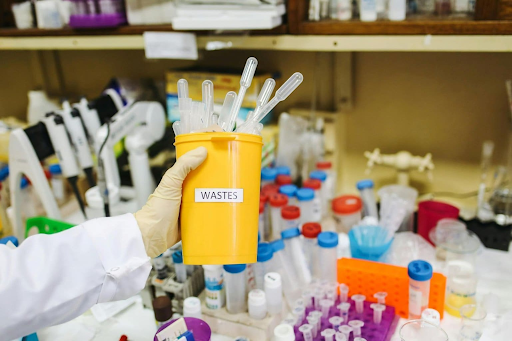
The proper disposal of medical waste generated from COVID 19 vaccination is crucial for public health and safety This waste includes items such as used syringes vials gloves and other materials that can pose a risk of infection or environmental harm if not handled correctly Effective procedures must be in place to manage this waste safely ensuring that it is segregated treated and disposed of in accordance with regulations This helps prevent potential hazards to healthcare workers waste management personnel and the community at large Implementing best practices for medical waste disposal is essential in our ongoing response to the COVID 19 pandemic
Handling Vial Packaging Materials
Vial trays, boxes, and other packaging materials should be handled according to manufacturer guidance whenever possible. While packaging is not typically considered regulated medical waste, there are documented concerns that it is being misused to promote counterfeit vaccines.
For this reason, some manufacturers recommend disposing of specific packaging components as regulated medical waste. Treating packaging with caution helps prevent unauthorized reuse and protects public trust in vaccination programs.
Organizations should carefully review manufacturer instructions and incorporate them into their waste management plans.
Safe Disposal of Dry Ice
Some COVID-19 vaccines are shipped with dry ice to maintain the required temperature.
Dry ice presents unique disposal risks because it sublimates directly from a solid into carbon dioxide gas. When dry ice sublimates in enclosed or poorly ventilated areas, it can displace oxygen, creating a serious asphyxiation hazard without odor or warning.
Dry ice should never be placed in waste containers, enclosed storage rooms, or indoor trash areas. Instead, it should be allowed to dissipate outdoors or in well-ventilated spaces following CDC and manufacturer guidance.
Many vaccine shipments include specific dry ice disposal instructions that should be reviewed and followed regularly to prevent hazardous conditions.
Disposal of Personal Protective Equipment Used During Vaccination
Personal protective equipment used during vaccine administration, such as masks, gloves, gowns, alcohol wipes, cotton balls, and bandage wrappers, can typically be discarded in regular trash unless contaminated with blood or bodily fluids.
State regulations may vary, and some jurisdictions may classify specific PPE as regulated medical waste. Organizations should review local requirements to ensure proper segregation.
Clear staff training on what qualifies as regulated medical waste versus general waste helps prevent over classification, reduces disposal costs, and supports environmental sustainability.
How Hospitals Should Prepare for Increased Vaccine Waste
Hospitals should begin preparation by developing a comprehensive vaccination plan that addresses waste generation alongside patient flow and staffing.
This plan should identify vaccination locations, projected patient volume, anticipated waste quantities, and the number and size of sharps containers required. Having sufficient containers readily available is critical to avoid shortages that could compromise safety.
Borrowing containers from other areas can disrupt routine operations and increase risk, so proactive ordering is essential.
Facilities should also consider limiting the number of vaccination locations when possible to simplify waste management logistics.
Different sites may require different container sizes, ranging from small containers for low-volume areas to larger containers for high-throughput clinics. Understanding container capacity is helpful when estimating needs, as approximately 500 standard 3cc syringes can fit into a four-gallon sharps container.
Preparing Non-Hospital Healthcare Facilities for Vaccine Waste
Non-hospital settings such as clinics, pharmacies, and temporary vaccination sites face similar challenges but often operate with fewer existing waste management resources. Planning is essential for these organizations, as vaccine-related waste may represent a temporary but substantial increase in volume.
Disposal options include scheduled pickup programs using reusable or disposable sharps containers, as well as mail-back solutions designed for smaller quantities.
Mail-back programs allow organizations to place filled sharps containers into approved shipping boxes and send them to permitted treatment facilities using the U.S. Postal Service.
This option is often ideal for low-volume or mobile vaccination efforts. Regardless of the disposal method selected, organizations must ensure they order enough supplies in advance to accommodate anticipated demand and avoid unsafe practices.
Are Alternative Sharps Disposal Methods Acceptable?
No alternative or improvised sharps disposal methods are acceptable. Sharps containers are regulated medical devices and must meet FDA clearance standards. OSHA also requires specific labeling and markings to ensure visibility of hazards.
Containers such as glass jars, beverage bottles, or repurposed plastic bins are unsafe and non-compliant, and they increase the risk of injury. Proper planning and inventory management are the only reliable ways to prevent shortages that might tempt staff to use inappropriate containers.
Where to Find Reliable Vaccine Waste Disposal Resources
Healthcare organizations can access a wide range of regulated medical waste solutions to support safe, compliant vaccine waste management. These include reusable and disposable sharps containers, scheduled pickup services, and mail-back programs.
Staying aligned with guidance from the Centers for Disease Control and Prevention and monitoring updates related to vaccination protocols are also essential. As vaccine distribution evolves, so too may waste management recommendations.
Effective COVID-19 vaccine disposal is not just a regulatory obligation. It is a critical component of protecting healthcare workers, maintaining public confidence, and safeguarding the environment. By planning, following established guidelines, and using approved disposal systems, healthcare organizations can support vaccination efforts while minimizing risk and ensuring long-term safety.
Expert Medical Waste Management: With over 25 years of industry experience, Secure Waste is a trusted local leader in hazardous and biohazardous waste disposal across Maryland, Virginia, and Washington, D.C. Specializing in medical waste management, sharps needle disposal, and biohazard waste removal, the company ensures full compliance with federal, state, and local regulations while prioritizing environmental sustainability.
The company also offers additional services, including secure document shredding and sharps container sales, providing comprehensive solutions for healthcare facilities and businesses. Our cost-effective services help clients maintain regulatory compliance without unexpected costs.
With a commitment to customer satisfaction, Secure Waste offers tailored waste management plans that align with industry best practices. Their team of experts provides reliable, timely, and compliant services, making them the preferred choice for medical waste disposal. For a free waste quote or more information, visit www.securewaste.net