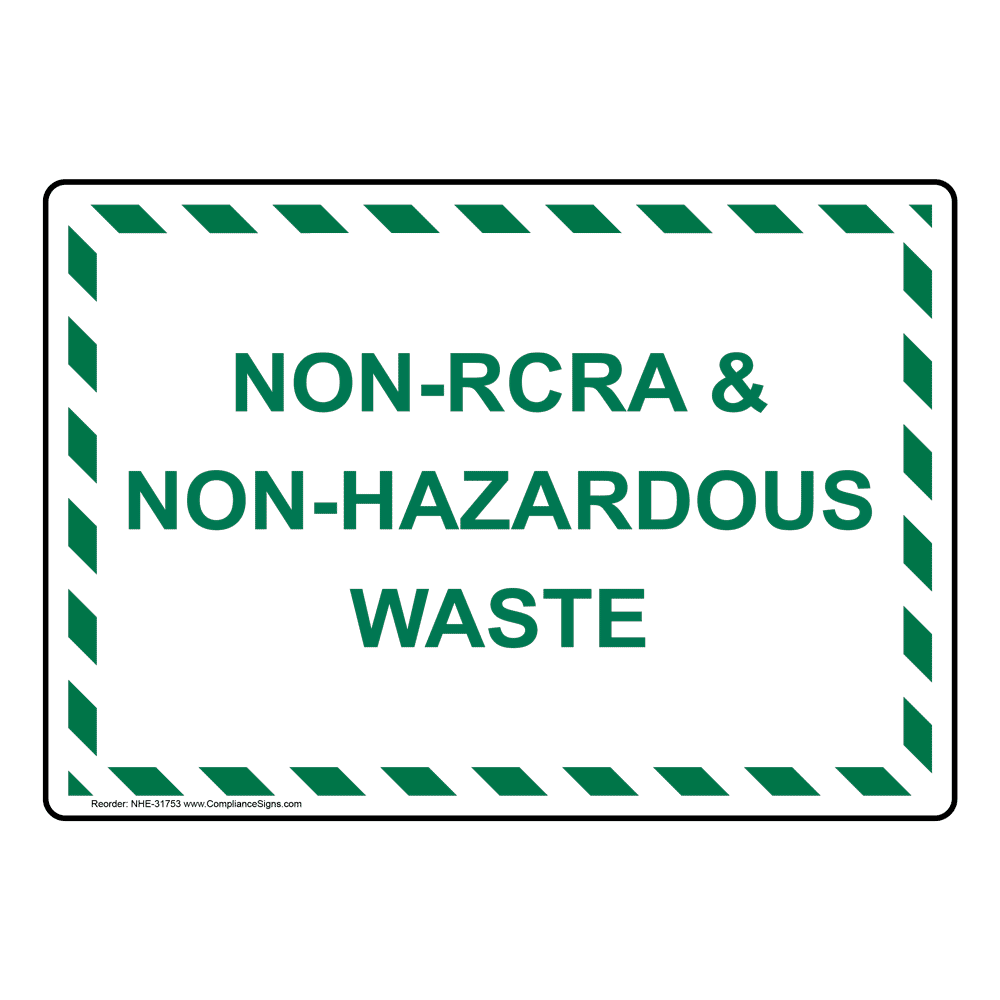
At Secure Waste, we’re often asked about non-hazardous waste disposal and the importance of adequate signage to help healthcare providers and laboratories manage hazardous and non-hazardous waste safely. As a trusted leader in hazardous waste management across Maryland, Virginia, and Washington, D.C., we’re passionate about offering tailored solutions that truly meet the unique needs of medical and laboratory settings.
We recognize the importance of proper signage for non-hazardous items, which is why we advocate for clear, compliant labels that help minimize the risks associated with hazardous materials. Adequate signage not only keeps your team and visitors informed about potential dangers but also plays a crucial role in upholding safety standards and ensuring compliance with regulatory requirements.
If you have any questions or need guidance on hazardous waste disposal or signage strategies, please get in touch with us at 877-633-7328. Our dedicated team is committed to helping you create a safe and compliant environment for your facility. Together, we can enhance safety signage and create a safer space for everyone involved.
A non-hazardous waste label is a crucial identifier for containers that hold materials deemed safe for human health and the environment. By clearly distinguishing between non-hazardous waste and its hazardous counterparts, these labels play a vital role in preventing costly mismanagement and ensuring that disposal methods adhere to best practices, such as recycling, composting, or utilizing conventional landfill procedures.
Each label is meticulously designed to prominently display essential information about the contents, the shipper’s details, and accumulation dates, thereby simplifying the waste management process for both workers and inspectors. Who regulates waste anyhow? Well its the EPA, they regulate hazardous and no hazardous waste. Establish rules and regulations and assist us with proper management. More here from the Environmental Protection Agency.
Key Components of a Non-Hazardous Waste Label:
- Non-Hazardous Waste: This prominent text serves as the most critical identifying feature of the label, ensuring that there is no ambiguity regarding the nature of the contents. The visibility of this phrase is paramount to prevent any potential mishandling.
- Contents Description: A comprehensive account of the specific non-hazardous materials contained within the container is vital. This may include categories like paper, plastics, general trash, or specific non-toxic byproducts. Providing clarity on the type of waste aids in the efficient sorting and recycling process.
- Shipper/Generator Information: This section includes the name, address, and contact information of the entity responsible for generating the waste. This ensures accountability, allowing for traceability back to the source, which is essential for inspections and audits.
- Accumulation Date: This is the date on which the waste was first placed in the container. Recording this date helps in management and compliance tracking, ensuring that waste is disposed of within the mandated timeframes.
- Disposal Information: This may include detailed instructions or specific guidelines regarding the intended method of disposal or the final destination for the waste. Clear directives provide additional guidance for safe handling and support disposal facilities in their operations.
Why They’re Important:
- Prevents Mismanagement: These labels are instrumental in preventing non-hazardous waste from being misclassified as hazardous, which can incur significantly higher disposal costs. Conversely, they also ensure that dangerous materials are not misclassified as non-hazardous, thereby facilitating proper handling and disposal in accordance with legal requirements
- Ensures Compliance: Non-hazardous waste labels assist businesses in meeting the stringent U.S. EPA and DOT regulations that govern waste transport and disposal. This compliance is essential to avoid penalties and adhere to industry standards, thereby aiding in the preservation of public health and environmental integrity.
- Maintains Organization: The clear labeling system keeps waste streams distinct and contributes to site organization. This enhances efficiency in the workplace, ensuring a neat and easily navigable environment for staff and inspectors, ultimately streamlining the waste management process.
Common Examples of Non-Hazardous Waste:
- Recyclable Materials: Items such as paper, plastics, glass, and metals are typical examples of non-hazardous waste that can be effectively recycled or disposed of without special precautions, contributing to sustainability efforts.
- Agricultural Waste: This category includes non-toxic items like manure and bedding materials. Although they require proper management to avoid environmental issues, they pose no immediate danger to health or ecological systems when managed correctly.
- Construction Debris: Common materials in this category consist of non-hazardous building waste such as wood, drywall, and concrete. These materials can typically be recycled or disposed of without requiring extensive precautions, provided they do not contain hazardous substances.
In summary, a non-hazardous waste label is more than just a label; it is an essential tool that promotes safe, compliant, and efficient waste management practices. By eliminating confusion over the types of waste, these labels play a pivotal role in ensuring responsible disposal, safeguarding both public health and environmental sustainability. Their strategic and detailed application is crucial for developing effective waste management systems across various industries.
Expert Medical Waste Management: With over 25 years of industry experience, Secure Waste is a trusted local leader in hazardous and biohazardous waste disposal across Maryland, Virginia, and Washington, D.C. Specializing in medical waste management, sharps needle disposal, and biohazard waste removal, the company ensures full compliance with federal, state, and local regulations while prioritizing environmental sustainability.
The company also offers additional services, including secure document shredding and sharps container sales, providing comprehensive solutions for healthcare facilities and businesses. Our cost-effective services help clients maintain regulatory compliance without unexpected costs.
With a commitment to customer satisfaction, Secure Waste offers tailored waste management plans that align with industry best practices. Their team of experts provides reliable, timely, and compliant services, making them the preferred choice for medical waste disposal. For a free waste quote or more information, visit www.securewaste.net