
Why Are Heat And Alcohol Used To Disinfect Medical Equipment
Heat and alcohol are indispensable agents in the disinfection of medical equipment, effectively targeting and annihilating microorganisms through distinct yet complementary mechanisms.
Welcome to Secure Waste, your trusted partner in Healthcare and Medical Waste Management in the DMV area. With over 30 years of experience in handling, transporting, and ensuring proper management and treatment of our customers’ waste, we are dedicated to delivering reliable, compliant services.
Our expertise extends beyond basic waste management; we have gained valuable knowledge of effective disinfection methods, including heat and alcohol, to ensure a safe, hygienic environment in your healthcare facility.
If you require assistance with regulated healthcare waste disposal in Maryland, Washington D.C., or Virginia, please don’t hesitate to reach out. We are here to provide tailored solutions that meet your specific needs while prioritizing safety and compliance.
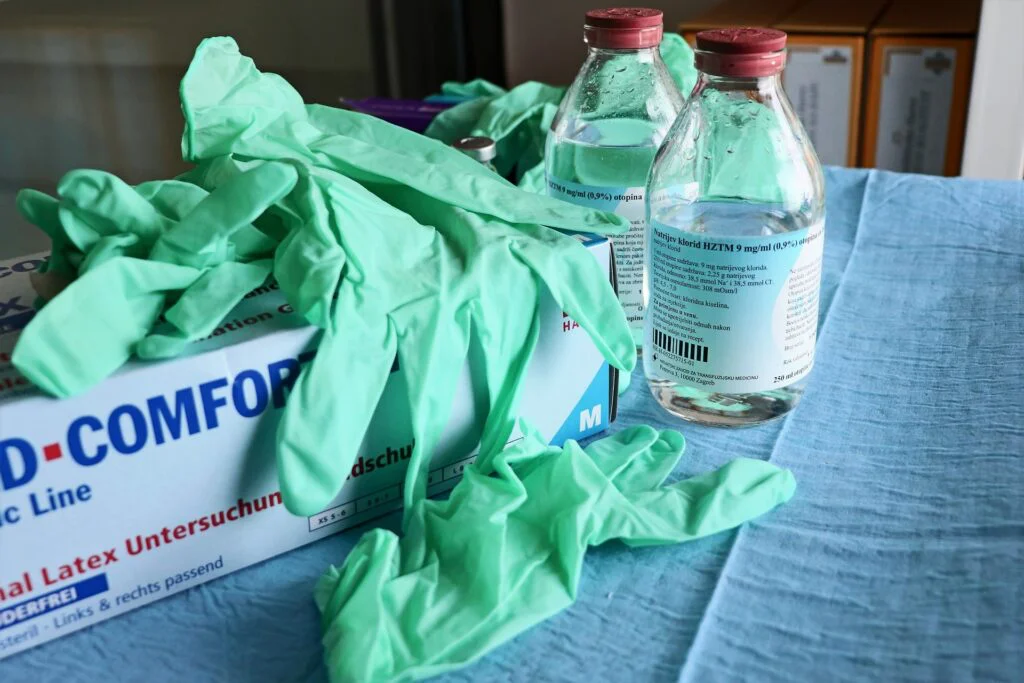
Heat And Alcohol Are Utilized To Sanitize Medical Tools
Heat: Among the various sterilization methods available, autoclaving stands out as an exemplary technique due to its efficacy and reliability.
This process employs high-pressure, saturated steam, typically at temperatures ranging from 121 to 134 degrees Celsius (250 to 273 degrees Fahrenheit).
The duration of exposure usually spans 15 to 30 minutes and can vary based on the volume and nature of the sterilization load, including its density and thermal conductivity.
This moist heat is particularly formidable in obliterating even the most resilient spores and bacteria, such as those from the Bacillus and Clostridium species.

The mechanism of action involves the penetration of steam into porous materials and complex medical devices, ensuring that all surfaces are thoroughly reached.
This not only ensures the denaturation of proteins and nucleic acids but also guarantees that autoclaving creates an environment where time and temperature work in synergy to achieve complete microbial eradication.
Moreover, autoclaving has been validated to eliminate prions, which are notoriously resistant to conventional disinfection methods, thus reinforcing its status as a gold standard in sterilization practices.
Alcohol: For rapid disinfection, 70% isopropyl alcohol or ethanol is the agent of choice in many clinical scenarios.
This specific concentration is crucial because it balances the water content needed to slow evaporation, thereby maximizing the alcohol’s efficacy as a germicide.
Upon contact with microorganisms, alcohol exerts its antimicrobial action by disrupting lipid membranes of bacteria and enveloped viruses, leading to immediate cell lysis and the denaturation of essential proteins.
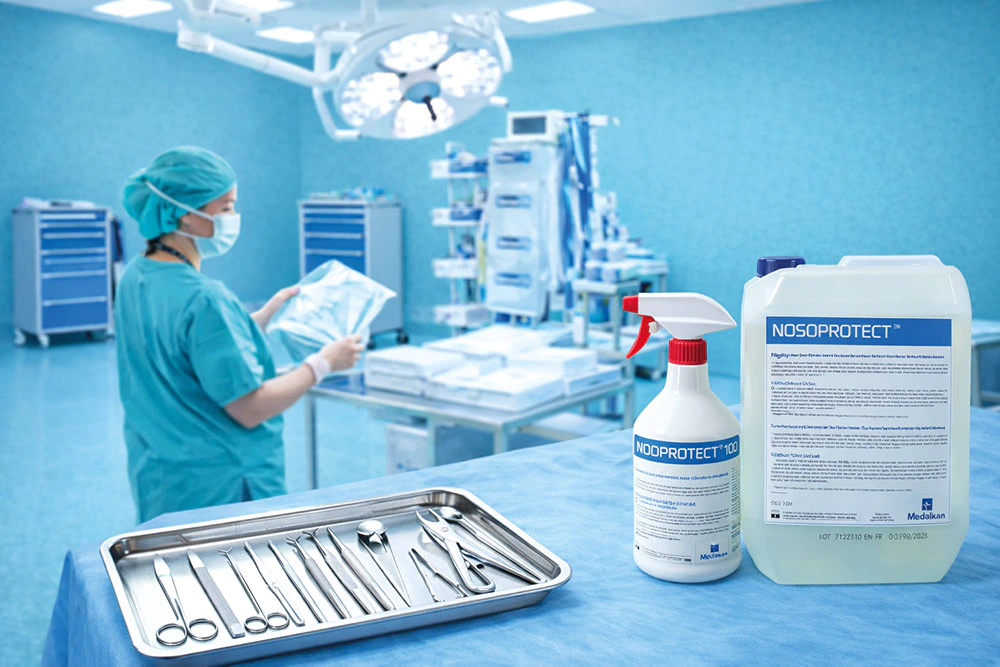
The rapid evaporation of alcohol ensures it leaves no harmful residue, making it the preferred choice for sanitizing smaller, noncritical instruments, such as thermometers and stethoscopes, and frequently touched surfaces between patient interactions.
Importantly, concentrations above 70% may evaporate too quickly to effectively penetrate and persist within microbial cells long enough to eradicate pathogens, thereby diminishing their overall effectiveness in certain applications.
Key Reasons for Use:
- Mechanism of Action: Both heat and alcohol compromise the structural integrity of microbial proteins and membranes, leading to irreversible cell damage and subsequent death of the microorganisms. This dual-action approach enhances the overall effectiveness of disinfection protocols, providing a robust defense against a range of pathogens.
- Heat (Sterilization): The autoclaving process utilizes high-pressure steam, delivering consistent and reliable sterilization that penetrates intricate surfaces of both simple and complex medical instruments. This guarantees the destruction of diverse microbial threats, including resilient prions and resistant spores, which pose significant challenges for standard disinfection methods.
- Alcohol (Disinfection): Alcohol demonstrates remarkable speed and efficacy against a broad spectrum of pathogens, including bacteria, viruses, and fungi. This characteristic underscores its essential role in rapid disinfection practices, particularly in high-turnover medical settings, where minimizing infection risk is critical.
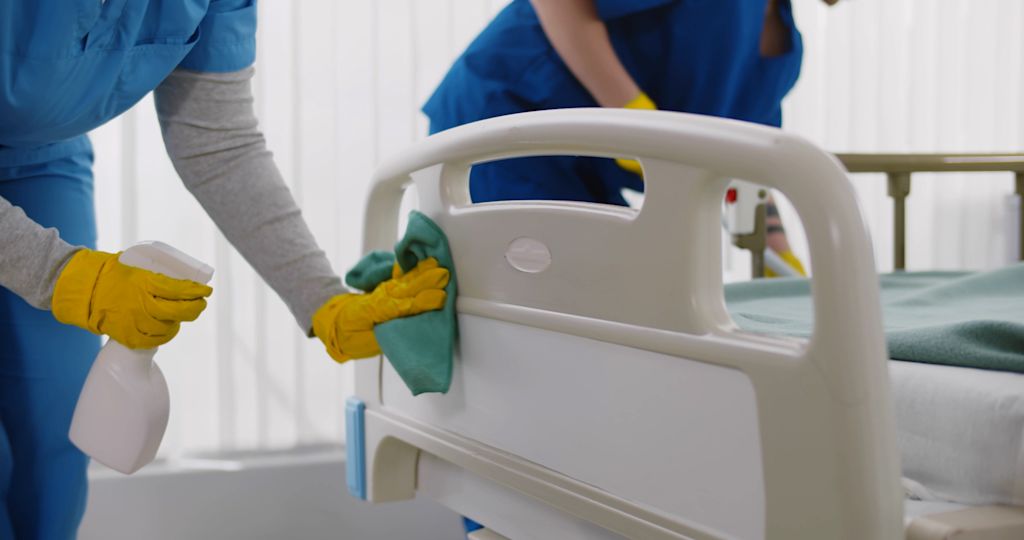
- Efficiency: The rapid evaporation of alcohol without leaving any residue makes it extremely suitable for immediate use in clinical settings. This facilitates a quick turnaround in maintaining stringent hygiene standards during and between patient care, thus enhancing overall operational efficiency.
Limitations:
Despite its effectiveness against numerous pathogens, alcohol is less effective against bacterial spores, such as those of Clostridium difficile, which require more robust sterilization strategies for complete eradication.
Caution must be exercised with alcohol, as it can compromise the integrity of certain materials, including various types of rubber and certain plastics, potentially leading to equipment damage over time.
Furthermore, due to its flammable nature, adherence to proper storage and handling protocols is essential to mitigate fire hazards associated with its use.
This comprehensive approach to disinfection underscores the critical importance of selecting appropriate methods and being acutely aware of their limitations to maintain safety and hygiene standards in medical environments. Such diligence is vital for ensuring patient safety and the overall efficacy of clinical practices.
In Conclusion:
Secure Waste will save you money on Regulated healthcare waste disposal. We understand these hazards.
Staying informed and proactive is vital as new disposal management challenges arise. Together, we can prioritize health and safety, increase awareness, and promote responsible actions to create a healthier future for all in Maryland, Virginia, and D.C.
We provide reliable, compliant, and environmentally friendly waste disposal solutions tailored to your facility’s specific needs.
Disclaimer: This information is provided for reference purposes only and should not be considered as legal advice or factual information at the time of your reading. Regulations frequently change and can vary from state to state. We encourage you to contact your local regulatory authorities or Secure Waste directly for the most current information. Please note that Secure Waste is not liable, in part or in whole, for any information contained on this page or website.
Expert Medical Waste Management: With over 25 years of industry experience, Secure Waste is a trusted local leader in hazardous and biohazardous waste disposal across Maryland, Virginia, and Washington, D.C. Specializing in medical waste management, sharps needle disposal, and biohazard waste removal, the company ensures full compliance with federal, state, and local regulations while prioritizing environmental sustainability.
The company also offers additional services, including secure document shredding and sharps container sales, providing comprehensive solutions for healthcare facilities and businesses. Our cost-effective services help clients maintain regulatory compliance without unexpected costs.
With a commitment to customer satisfaction, Secure Waste offers tailored waste management plans that align with industry best practices. Their team of experts provides reliable, timely, and compliant services, making them the preferred choice for medical waste disposal. For a free waste quote or more information, visit www.securewaste.net