
Transporting Infectious Substances: A Comprehensive Overview In The DMV
Secure Waste explains that transporting infectious substances in the DMV, including regulated medical waste, is a highly specialized field governed by stringent regulations set forth by the U.S. Department of Transportation (DOT).
These materials are classified as hazardous under the Hazardous Materials Regulations (HMR), specifically outlined in 49 C.F.R., Parts 171-180.
The Pipeline and Hazardous Materials Safety Administration (PHMSA) is tasked with developing and enforcing regulations that ensure hazardous materials—including infectious substances—are transported safely and securely across various modes of transportation, such as aircraft, rail, ships, and motor vehicles.
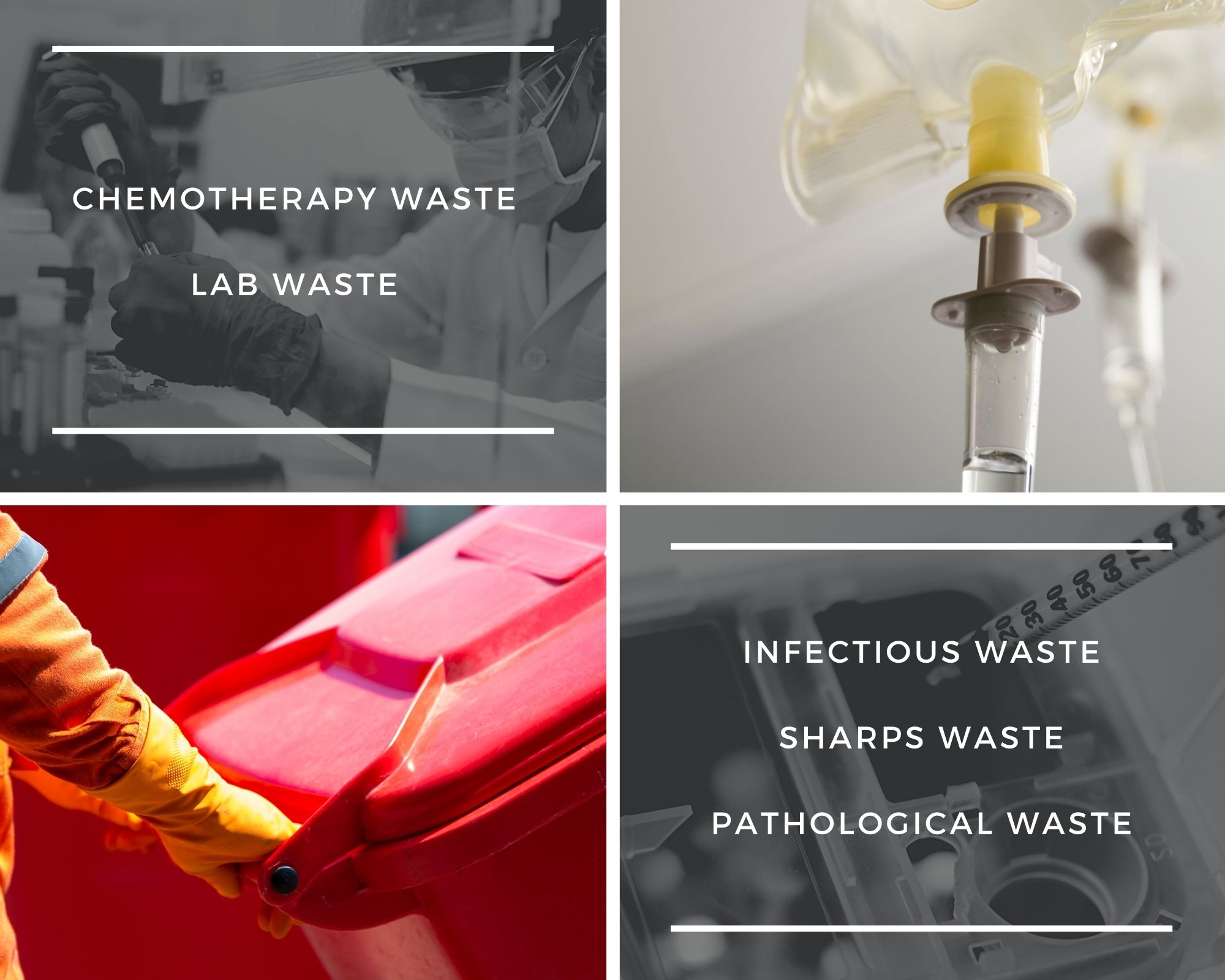
Welcome to Secure Waste, the leading provider of safe and compliant infectious medical waste transportation services in the DMV area—Washington D.C., Maryland, and Virginia.
With over 30 years of industry experience, Secure Waste specializes in the safe and efficient transportation of infectious waste for a diverse range of healthcare practices, including hospitals, clinics, dental offices, and long-term care facilities.
As a healthcare provider, it is essential to manage medical and sharps needle waste with the utmost care and compliance with all state and federal regulations.
At Secure Waste, we understand the unique challenges you face and are committed to providing customized solutions that meet your specific needs. Our services are designed to ensure that all waste is handled safely and disposed of properly, protecting both your patients and the environment.
We offer affordable medical waste management services without requiring long-term contracts, making it easy for you to get started.
If you need reliable and responsible infectious waste disposal, don’t hesitate to reach out to us. Contact Secure Waste today for a free quote and experience the peace of mind that comes from partnering with an industry leader.
Under the HMR, any material deemed by the DOT to pose an unreasonable risk to health, safety, and property during transportation must comply with a robust set of regulations.
This includes comprehensive guidelines for the safe handling, packaging, and labeling of infectious substances throughout their journey by air, land, or sea.
The Best Medical Infectious Waste Disposal Company In The DMV Is Secure Waste. Check Us Out Here!

This guide outlines best practices and protocols for handling infectious substances within dental settings across Washington DC Maryland and Virginia It emphasizes the importance of maintaining a safe environment for both patients and staff by adhering to established guidelines for managing potentially infectious materials Proper training and implementation of safety measures are crucial in minimizing risks and ensuring compliance with local regulations
Key Regulations and Classifications in DC-MD-VA
The HMR establishes critical guidelines for the classification, packaging, and hazard communication of infectious substances, with specific attention to developing security plans in certain cases. Infectious substances are generally categorized into three main classifications:
- Category A: This category encompasses infectious substances that pose a severe health risk to healthy individuals and animals, potentially causing permanent disabilities, life-threatening conditions, or fatal diseases upon exposure. The handling and transportation of these materials require stringent protocols, including specialized packaging that prevents exposure and leaks during transit. Examples of Category A substances include the Ebola virus and certain strains of anthrax.
- Category B: This classification includes infectious substances that are not likely to cause severe consequences, such as permanent disabilities or death in healthy humans or animals upon exposure. These materials still require careful handling but carry a lower risk profile than Category A materials. Typical examples might involve less virulent strains of viruses or bacteria that are still classified as infectious.
- Regulated Medical Waste: This designation pertains to waste or reusable materials derived from the medical treatment of humans or animals. This category encompasses a wide variety of materials, including items contaminated with infectious agents, cultures, and human samples. All regulated medical waste must be managed in accordance with federal, state, and local regulations designed to protect public health and the environment.

DMV Guidance for Safe Transportation Of Infectious Waste
A comprehensive understanding of the requirements for transporting infectious substances can be accessed through the DOT’s brochure titled “Transporting Infectious Substances Safely.” This essential document serves as a vital resource, providing an overview of general regulations and best practices for the safe transport of hazardous materials.
Oversight of Infectious Substances
The management and oversight of infectious substances are collaborative efforts involving multiple federal agencies, each contributing its expertise toward the overarching goal of public safety.
While the DOT focuses on transportation, other agencies play crucial roles in classification, handling procedures, workplace safety regulations, waste disposal methods, and responses to public health emergencies.
- Centers for Disease Control and Prevention (CDC): As part of the U.S. Department of Health and Human Services, the CDC plays a critical role in public health leadership and disease prevention. The agency provides detailed guidance on the proper handling, transport, and disposal of infectious substances to mitigate health risks both before and after transportation. This includes resources for emergency response during outbreaks.

- Occupational Safety and Health Administration (OSHA): Operating under the U.S. Department of Labor, OSHA is dedicated to ensuring safe and healthy working conditions for as many workers as possible. The agency sets and enforces standards, ensuring workers have proper training and education regarding exposure to hazardous materials. OSHA’s regulations specifically address bloodborne pathogens and the use of personal protective equipment (PPE), safeguarding workers from exposure to infectious waste. Many of OSHA’s standards are integrated into the DOT’s packaging requirements for regulated medical waste.

- S. Department of Agriculture (USDA): The USDA addresses food and agricultural safety, ensuring public policy and scientific standards are met. In collaboration with the CDC, the USDA oversees the Federal Select Agent Program (FSAP), which regulates entities that possess dangerous biological agents and toxins that could threaten public, animal, or plant health.
- Federal Emergency Management Agency (FEMA): As part of the U.S. Department of Homeland Security, FEMA is pivotal in disaster preparedness and recovery operations. During a public health emergency, such as an outbreak of an infectious disease, FEMA works closely with the Department of Health and Human Services and other government agencies to implement a coordinated response across sectors.
Special Topics in Infectious Substance Transportation
- Monkeypox: For specific information regarding the packaging requirements for waste contaminated with monkeypox, refer to the “Notice of Enforcement Discretion Regarding Monkeypox Medical Waste” and Appendix F-2 in the “Planning Guidance for Handling Category A Solid Waste.” These documents outline crucial practices for safely managing waste while preventing further dissemination of the virus.
- Ebola: Important guidelines are established for the packaging and transportation of Ebola-contaminated materials. This includes advanced protocols to prevent exposure and manage risk effectively, highlighting the need for specialized shipping containers and transport methods.
Transportation of infectious substances in the District of Columbia, Maryland, and Virginia is a complex and vital component of public health. Adherence to these stringent regulations and best practices is crucial for minimizing risks and safeguarding individuals and communities.
In Conclusion:
Secure Waste will save you money on Regulated healthcare waste disposal. We understand these hazards.
Staying informed and proactive is vital as new disposal management challenges arise. Together, we can prioritize health and safety, increase awareness, and promote responsible actions to create a healthier future for all in Maryland, Virginia, and D.C.
We provide reliable, compliant, and environmentally friendly waste disposal solutions tailored to your facility’s specific needs.
Disclaimer: This information is provided for reference purposes only and should not be considered as legal advice or factual information at the time of your reading. Regulations frequently change and can vary from state to state. We encourage you to contact your local regulatory authorities or Secure Waste directly for the most current information. Please note that Secure Waste is not liable, in part or in whole, for any information contained on this page or website.
Expert Medical Waste Management: With over 25 years of industry experience, Secure Waste is a trusted local leader in hazardous and biohazardous waste disposal across Maryland, Virginia, and Washington, D.C. Specializing in medical waste management, sharps needle disposal, and biohazard waste removal, the company ensures full compliance with federal, state, and local regulations while prioritizing environmental sustainability.
The company also offers additional services, including secure document shredding and sharps container sales, providing comprehensive solutions for healthcare facilities and businesses. Our cost-effective services help clients maintain regulatory compliance without unexpected costs.
With a commitment to customer satisfaction, Secure Waste offers tailored waste management plans that align with industry best practices. Their team of experts provides reliable, timely, and compliant services, making them the preferred choice for medical waste disposal. For a free waste quote or more information, visit www.securewaste.net