Taking a Stand Against Sharps Injuries: Secure Waste A Practical Guide for Healthcare Facilities
Secure Waste explains that every needle, scalpel, lancet, and suture needle used in patient care carries a risk that outlasts the procedure itself. We work with our partners to take a stand against sharps injuries. Secure Waste is the local DMV leader in safe sharps-container management.
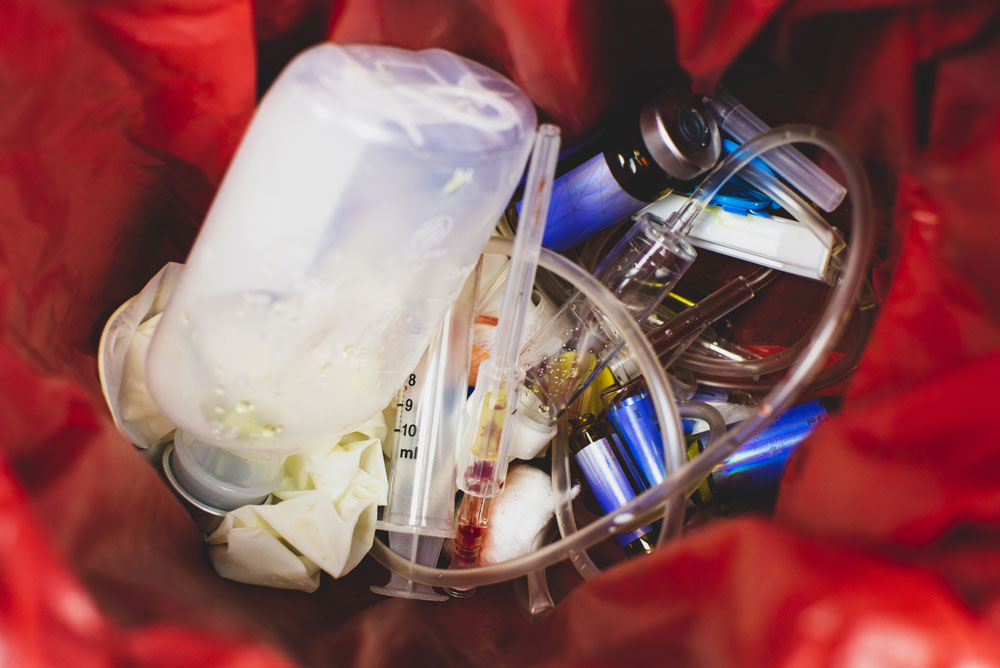
Once a sharp has done its job, it becomes a hazard to the nurse who recaps it, the physician who hands it off, the housekeeper who empties the trash, and the driver who hauls the waste away.
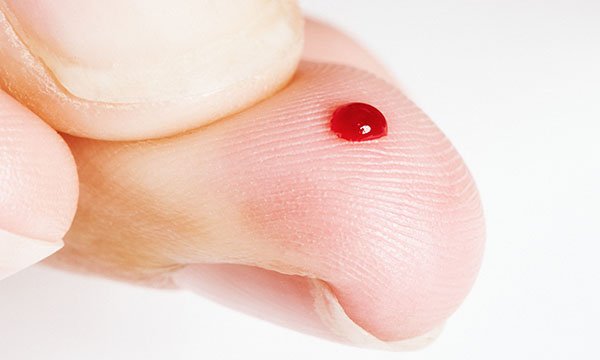
A single puncture can expose a worker to bloodborne pathogens such as hepatitis B, hepatitis C, and HIV, followed by weeks of testing, medication, and anxiety.
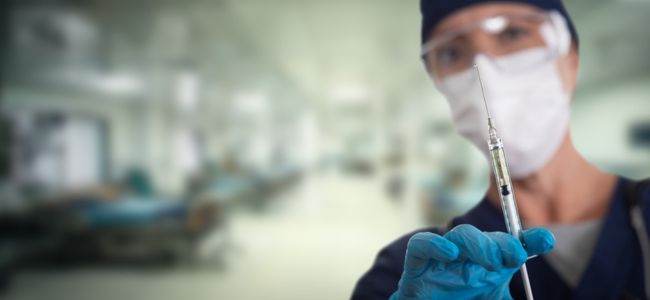
At Secure Waste, a local leader in D.C., MD, and VA, we believe sharps injuries are preventable, not an unavoidable cost of working in healthcare.
Preventing them, however, takes more than a single product or policy. In this guide, we look at why sharps injuries remain a problem, what federal regulations require, and how facilities of all sizes can build a layered program that protects staff in 2027 and beyond.
Why Sharps Injuries Are Still a Problem In The DMV
Safety devices, training, and regulation have improved significantly over the past few decades, yet sharps injuries have not disappeared.
The Centers for Disease Control and Prevention (CDC) has estimated that hospital-based healthcare personnel sustain roughly 385,000 needlestick and other sharps-related injuries each year, which works out to more than 1,000 injuries every day.
That estimate covers only hospitals, so the true number across clinics, dental offices, long-term care, home health, and laboratories is higher. Many injuries are also never reported.
Injury surveillance data consistently show a few patterns:
Nurses and physicians bear the greatest share of the risk: They handle the most sharps, often under time pressure, and therefore account for most reported injuries.
The operating room is a hotspot: Surgical settings account for a large share of injuries because suture needles, scalpels, and other instruments are passed between team members in a crowded field.
Support staff are hurt by waste they did not create: Environmental services, laundry, and waste handling staff are often injured by sharps left in bed linens, regular trash bags, or overfilled containers.
Injuries happen after use: A large proportion of injuries occur after use, during disposal, while recapping, or between steps of a procedure.
That last point is important. Many sharps injuries are caused by how waste is handled rather than by the clinical procedure itself, which means better disposal practices can prevent a meaningful share of them.
The Real Cost of a Needlestick
The impact of a sharps injury goes well beyond a small puncture wound. For the injured worker, it can mean baseline and follow-up blood tests over several months, possible post-exposure prophylaxis (PEP) with side effects, and a long wait to learn whether an infection has been transmitted.
The emotional toll, including stress about family members and intimate partners, is well documented and often underestimated.
For the employer, each injury brings direct costs for lab work, medication, clinical evaluation, and staff time, plus indirect costs such as lost productivity, overtime to cover shifts, recordkeeping, and possible regulatory scrutiny.
Repeated injuries can also hurt morale and staff retention, which matters at a time when many facilities are already struggling to hire and keep clinical staff.
What the Law Requires
Sharps safety in the United States rests on a well-established regulatory foundation. Understanding it is the first step toward building a program that holds up during an inspection and, more importantly, protects people.
OSHA Bloodborne Pathogens Standard
The OSHA Bloodborne Pathogens Standard (29 CFR 1910.1030) applies to any employer whose workers can reasonably be expected to come into contact with blood or other potentially infectious materials. Key requirements include:
Written Exposure Control Plan: Employers must maintain a written plan that identifies at-risk job tasks and explains how exposures will be prevented. The plan must be reviewed and updated at least once a year.
Engineering and Work Practice Controls: Hazards must be reduced with engineering controls such as safer needle devices and sharps containers, together with safe work practices.
Sharps Container Standards: Containers must be closable, puncture-resistant, leakproof on the sides and bottom, and labeled or color-coded. They must be easily accessible, kept upright during use, located as close as practicable to where sharps are used, and replaced routinely to prevent overfilling.
No Recapping by Hand: Contaminated needles must not be bent, recapped, or removed unless no alternative is feasible, and then only with a mechanical device or a one-handed technique.
Hepatitis B Vaccination: The vaccine must be made available at no cost to employees with occupational exposure.
Post-Exposure Evaluation and Training: Employers must provide confidential medical evaluation and follow-up after an exposure, and deliver training at hiring and at least once a year.
The Needlestick Safety and Prevention Act
Congress passed the Needlestick Safety and Prevention Act in 2000, and OSHA revised the Bloodborne Pathogens Standard to reflect it.
The Act strengthened the rules in three important ways. Employers must consider and use safer medical devices where appropriate, and document that evaluation in the exposure control plan.
They must ask frontline healthcare workers, the people who actually use the devices, for input when selecting safer devices. And employers who are required to keep OSHA injury and illness records must maintain a sharps injury log that records the type and brand of device involved, the department or work area, and how the incident happened, while protecting employee privacy.
Transport, Treatment and State Rules
Once sharps leave the facility, other agencies take over. The U.S. Department of Transportation (DOT) regulates medical waste as a hazardous material in transport, covering packaging, labeling, and shipping papers.
The EPA’s federal medical waste tracking program ended decades ago, so most rules on the storage, treatment, and disposal of medical waste are now set by individual states.
These rules vary with respect to container labeling, storage time limits, treatment methods, and the registration of generators and transporters. Working with a licensed, compliant disposal partner helps close this gap.
Why a Container Alone Is Not Enough
A well-designed sharps container is an essential engineering control, but no container, however safe, can eliminate sharps injuries on its own. Injuries can occur at any point in the life of a sharp: during use, while passing instruments, during transfer to the container, when containers are closed and moved, and during transport and treatment.
Real protection comes from several measures working together.
A strong sharps safety program is built on five interconnected pillars: accurate reporting, proper container selection and placement, ongoing training, the use of safety-engineered devices, and a culture in which prevention is everyone’s responsibility.
Pillar 1: Honest Reporting and Data
You cannot fix what you cannot see. Underreporting is one of the biggest barriers to prevention because workers may skip reporting when they are busy, believe the injury is minor, or worry about blame. Every unreported injury is a lost chance to find a pattern and a worker who may miss timely post-exposure care.
Make reporting simple: Offer a fast, clear process that can be finished during a shift, with a named contact available on every shift.
Keep it blame-free: Frame reports as information for improving systems, not as evidence of individual failure.
Review the sharps injury log: Look for trends by department, device type, time of day, and activity, then turn those trends into targeted fixes.
Expert Tip: Close the Loop
When staff reports an injury, tell them what changed as a result. Seeing that a report led to a new device, a relocated container, or an updated procedure is one of the most effective ways to encourage future reporting.
Pillar 2: The Right Container in the Right Place
Poorly placed or overfilled containers are a leading cause of disposal injuries, especially for environmental services staff. When a container is out of reach, workers may carry an exposed sharp across a room or set it down “for a moment,” which is exactly when accidents happen.
Place containers at the point of use: Install containers within arm’s reach of sharps use, such as patient rooms, procedure areas, medication carts, and phlebotomy stations.
Mount at the right height: NIOSH guidance recommends that the opening of a wall-mounted container be at or slightly below eye level for a standing worker, commonly cited as about 52 to 56 inches from the floor, and lower for seated work.
Keep the opening visible: Staff should be able to see the opening and fill level clearly before disposing of a sharp.
Match size to volume: Choose container sizes that fit the volume and type of sharps generated in each area, including larger containers for surgical and procedural sharps.
Replace before full: Containers should be closed and replaced when they reach the manufacturer’s fill line, typically around three-quarters full, and never pushed down or shaken to make room.
Secure Waste Sharps containers are designed with these principles in mind, and our team can help assess placement across your facility so containers are where staff actually need them.
Checklist: Sharps Container Walkthrough
Access: Is a container within reach at every point where sharps are used?
Stability: Are containers mounted or secured so they stay upright and cannot tip?
Fill level: Are any containers above the fill line or showing sharps protruding from the opening?
Labeling: Is every container properly labeled with the biohazard symbol or color-coded?
Collection: Is there a clear schedule and a designated person responsible for swapping full containers?
Pillar 3: Training That Sticks
OSHA requires bloodborne pathogens training at hire and annually, but box-checking training rarely changes behavior. Effective training is practical, specific to each role, and reinforced throughout the year.
Role-specific content: Surgical teams, phlebotomists, home health nurses, and housekeeping staff face different risks and need examples that match their daily work.
Hands-on practice: Let staff practice activating safety devices and using one-handed techniques, and show them how to dispose of sharps correctly.
Post-exposure steps: Everyone should know what to do immediately after an injury: wash the area with soap and water, report right away, and get a medical evaluation promptly, since PEP for HIV is most effective when started within hours.
Refreshers and huddles: Short reminders during shift huddles keep sharps safety top of mind between annual sessions.
Pillar 4: Safety-Engineered Devices
Safety-engineered sharps devices, including retractable needles, shielded or self-sheathing needles, needleless IV connectors, and blunt-tip suture needles, are among the most effective tools for preventing injuries. Federal law requires employers to evaluate and use safer devices where appropriate, and to involve frontline staff in selecting them.
Involve the users: Staff who use devices every day are best placed to judge whether a device works in real clinical conditions.
Review options annually: New devices enter the market regularly, so include a review in your annual exposure control plan update.
Focus on the OR: Blunt suture needles, neutral or hands-free passing zones, and double gloving can reduce injuries in surgical settings.
Expert Tip: Train on Activation
A safety device only protects staff if its safety feature is actually activated. Include activation in competency checks and review injury reports for cases where a safety feature was available but not used.
Pillar 5: A Culture of Prevention
The facilities with the strongest safety records treat sharps safety as a shared value rather than a compliance task. Leaders set expectations and provide resources; managers remove barriers; and staff feel empowered to speak up when a container is overfilled or a device is failing.
Leadership visibility: Include sharps injury data in regular safety reports and discuss it openly.
Shared responsibility: Make it clear that the person who uses a sharp is responsible for disposing of it safely, so that no one downstream is put at risk.
Partner support: A reliable medical waste partner keeps containers stocked, serviced, and collected on schedule, removing one of the most common causes of overfilled containers.
How Secure Waste Supports Safer Sharps Management
Secure Waste helps hospitals, clinics, dental offices, laboratories, and other healthcare providers manage sharps from the point of use to final treatment.
Our services include Secure Waste Sharps containers in a range of sizes, scheduled pickups to prevent overfilling, compliant packaging and transport, and documentation to support your regulatory records.
We also work with your team on container placement and staff awareness, so that safer disposal becomes a natural part of the daily routine.
Conclusion
Sharps injuries remain a serious and persistent risk for healthcare workers, but they are not inevitable. By combining honest reporting, well-placed and well-maintained containers, practical training, safety-engineered devices, and a culture that values prevention, healthcare facilities can greatly reduce the number of workers who experience needlestick injuries. The rules set by OSHA and the Needlestick Safety and Prevention Act provide the framework, and consistent daily practice makes it work. If you are ready to strengthen your sharps safety program in 2027, contact us to learn how Secure Waste can help you protect your staff, stay compliant, and manage sharps waste with confidence.
Expert Medical Waste Management: With over 25 years of industry experience, Secure Waste is a trusted local leader in hazardous and biohazardous waste disposal across Maryland, Virginia, and Washington, D.C. Specializing in medical waste management, sharps needle disposal, and biohazard waste removal, the company ensures full compliance with federal, state, and local regulations while prioritizing environmental sustainability.
The company also offers additional services, including secure document shredding and sharps container sales, providing comprehensive solutions for healthcare facilities and businesses. Our cost-effective services help clients maintain regulatory compliance without unexpected costs.
With a commitment to customer satisfaction, Secure Waste offers tailored waste management plans that align with industry best practices. Their team of experts provides reliable, timely, and compliant services, making them the preferred choice for medical waste disposal. For a free waste quote or more information, visit www.securewaste.net