Special Pathogen Waste Management: Infection Control & Compliance Guide
Secure Waste explains that Healthcare facilities play a crucial role in managing special pathogen waste, particularly during high-risk infectious disease outbreaks. This process involves a comprehensive approach to ensure compliance with health regulations and to safeguard the well-being of staff and the community.
To effectively manage special pathogen waste, facilities implement strict protocols that include the proper identification, segregation, and containment of hazardous materials. This begins with training healthcare personnel to recognize different types of infectious waste and to employ appropriate disposal methods in accordance with regulatory guidelines.
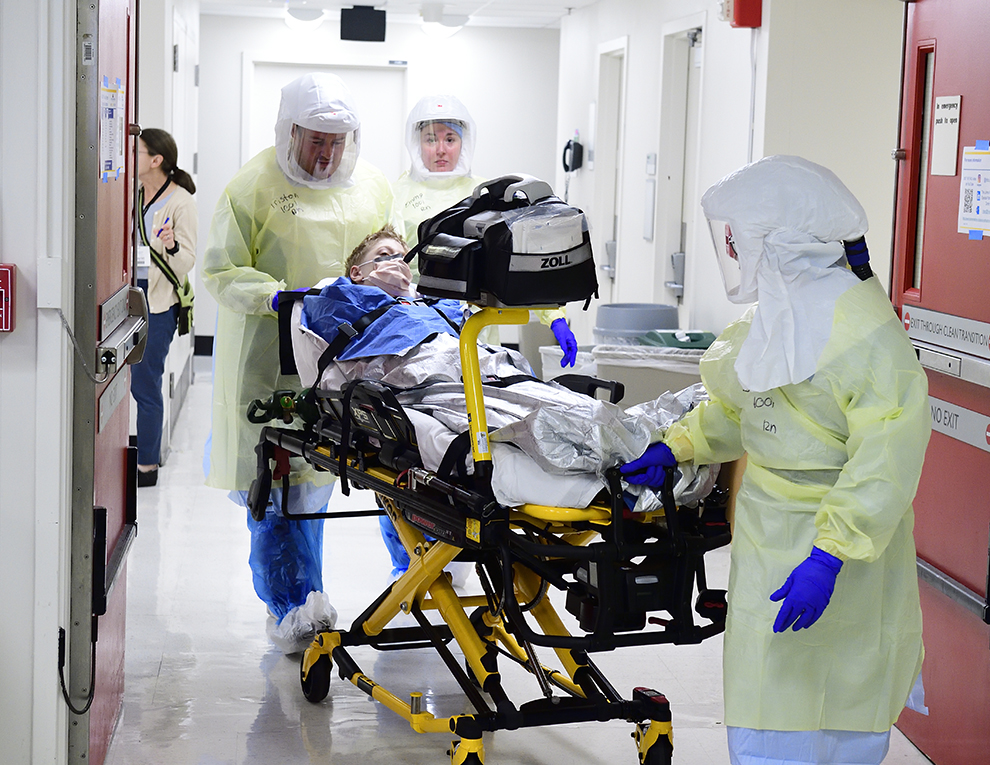
In addition to waste management practices, healthcare facilities prioritize the use of personal protective equipment (PPE) to protect staff during outbreaks of highly contagious diseases. This may involve wearing specialized clothing, masks, gloves, and eye protection to minimize exposure risks.
Facilities also conduct regular safety drills and provide resources to ensure that staff members are adequately prepared to handle potential exposure scenarios. Continuous monitoring and assessment of waste handling practices further enhance compliance and safety measures.
Ultimately, by adhering to these strategies, healthcare facilities not only comply with regulatory requirements but also create a safer environment for staff and patients, reducing the risk of disease transmission during critical outbreaks.
Special Pathogen Waste Management: Infection Prevention That Actually Works
Most healthcare systems are not built for high-consequence infectious diseases.
They think they are—until something like Ebola, MERS, or a novel virus shows up.
Then everything breaks:
- Waste handling protocols
- Staff readiness
- Compliance systems
- Communication workflows
Special pathogen management is not routine—it’s crisis-level operations.
What Are Special Pathogens (And Why They Matter)
Special pathogens (also called high-consequence infectious diseases) are:
- Highly transmissible
- Often fatal
- Lacking effective treatments
- Requiring immediate containment
Examples include:
- Ebola
- Marburg virus disease (MVD)
- Lassa fever
- Novel influenza strains
These diseases don’t just impact patients—they stress the entire healthcare system.
The Real Risk: Waste From Infected Patients
Here’s what most facilities underestimate:
The waste generated during treatment is just as dangerous as the disease itself.
This includes:
- Contaminated PPE
- Fluids and materials
- Sharps and disposables
- Laboratory waste
For pathogens like Ebola or Marburg, this waste is classified as Category A infectious substance, meaning:
- Highest level of risk
- Strictest transport rules
- Zero margin for error
One mistake = exposure + regulatory nightmare.
Core Components of a Special Pathogen Waste Plan
If your plan doesn’t include ALL of these, it’s weak.
- Regulatory Compliance (Non-Negotiable)
You must align with:
- Federal regulations
- State and local requirements
- Public health authority guidance
No assumptions. No shortcuts.
- Communication Systems
Breakdowns here kill response speed.
You need:
- Internal coordination (clinical + compliance teams)
- Vendor alignment
- Public health communication
If teams aren’t synced, containment fails.
- Onsite vs Offsite Treatment Decision
You must define:
- Whether waste is treated onsite (autoclave/incineration)
- Or transported to a licensed facility
Each option has:
- Different risks
- Different compliance requirements
- Different logistics
- Staff Training (Where Most Fail)
Training must go beyond basics.
Teams must know:
- PPE usage
- Waste segregation protocols
- Packaging requirements
- Emergency procedures
Untrained staff = exposure risk.
- Dedicated Storage Zones
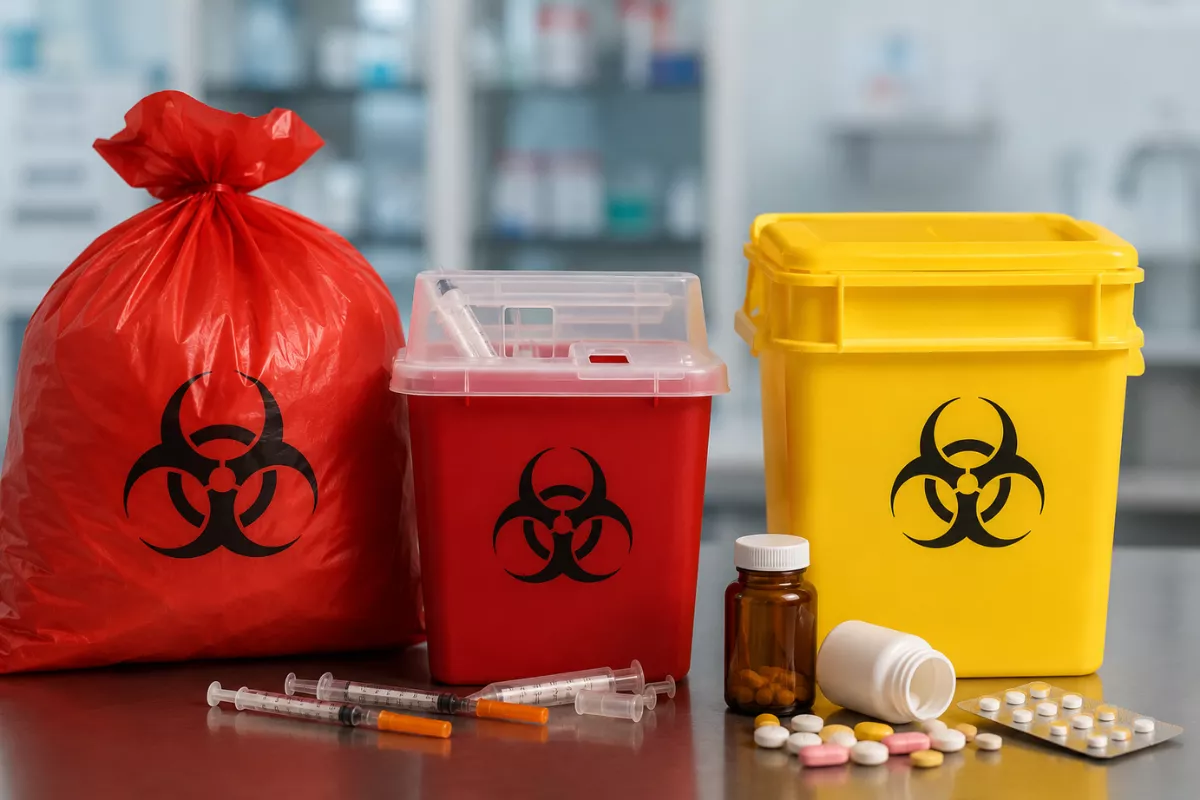
You cannot mix this waste with general RMW.
Facilities must:
- Designate isolated storage areas
- Control access
- Prevent cross-contamination
Packaging & Transport: The High-Risk Zone
This is where compliance gets brutal.
For Category A waste:
- Double-bagging (minimum)
- Rigid UN-approved outer containers
- Absorbent material included
- Strict volume limits
- DOT special permits required
Even transport requires certification.
Most facilities are not equipped for this without a specialized vendor.
Where Most Healthcare Systems Fail
Let’s be blunt:
They treat special pathogens like regular infectious waste.
That leads to:
- Misclassification
- Improper packaging
- Staff exposure
- Regulatory violations
And once something goes wrong, it’s already too late.
The Only Way This Works
You need a system that integrates:
- Infection control
- Waste management
- Compliance
- Vendor coordination
Not separate departments—one unified response system.
Final Take
Special pathogen preparedness is not about policy.
It’s about execution under pressure.
If your system can’t handle:
- Category A waste
- Staff training at scale
- Regulatory complexity
- Rapid response
…it will fail during an outbreak.
And outbreaks don’t give second chances.
In Conclusion:
Secure Waste will save you money on biomedical waste disposal. We understand these hazards.
Staying informed and proactive is vital as new biological challenges arise. Together, we can prioritize health and safety, increase awareness, and promote responsible actions to create a healthier future for all!
Secure Waste provides reliable, compliant, and environmentally friendly biomedical waste disposal solutions tailored to your facility’s specific needs.
Please feel free to contact us today to request a complimentary waste assessment or to obtain a quote online: https://www.securewaste.net/biohazard-waste-quote/
Disclaimer: This information is provided for reference purposes only and should not be considered as legal advice or factual information at the time of your reading. Regulations frequently change and can vary from state to state. We encourage you to contact your local regulatory authorities or Secure Waste directly for the most current information. Please note that Secure Waste is not liable, in part or in whole, for any information contained on this page or website.
Expert Medical Waste Management: With over 25 years of industry experience, Secure Waste is a trusted local leader in hazardous and biohazardous waste disposal across Maryland, Virginia, and Washington, D.C. Specializing in medical waste management, sharps needle disposal, and biohazard waste removal, the company ensures full compliance with federal, state, and local regulations while prioritizing environmental sustainability.
The company also offers additional services, including secure document shredding and sharps container sales, providing comprehensive solutions for healthcare facilities and businesses. Our cost-effective services help clients maintain regulatory compliance without unexpected costs.
With a commitment to customer satisfaction, Secure Waste offers tailored waste management plans that align with industry best practices. Their team of experts provides reliable, timely, and compliant services, making them the preferred choice for medical waste disposal. For a free waste quote or more information, visit www.securewaste.net