
Safety Data Sheets: Why Are They Important? Expert Solutions From Secure Waste
Secure Waste frequently receives inquiries about hazardous waste management and disposal. As a local leader in this field, we specialize not only in dangerous waste management but also in biohazard waste disposal.
Our expertise positions us as pioneers in the local market for safely and effectively managing hazardous materials.
A crucial aspect of our operations is the Safety Data Sheet (SDS), which plays an integral role in ensuring safety during the transportation and disposal of hazardous materials.
The SDS provides essential information about the properties of chemicals, potential hazards, safe handling practices, and emergency procedures.
Let’s explore the significance of the SDS in greater detail and understand how Secure Waste ensures compliance and safety in hazardous waste management.
In July 2024, the Occupational Safety and Health Administration (OSHA) implemented a final rule updating the Hazard Communication Standard (HCS) to better align with the seventh edition of the United Nations’ Globally Harmonized System of Classification and Labelling of Chemicals (GHS).
This significant revision seeks to enhance the clarity, consistency, and accessibility of critical information regarding hazardous chemicals, particularly benefiting employees in healthcare settings.
Clear communication of hazards is crucial for promoting workplace safety and health, as it directly affects employees’ ability to make informed decisions about chemical use and exposure.
The updates to Safety Data Sheets (SDS) aim to significantly reduce the incidence of chemical-related illnesses and injuries across various industries, with a particular focus on the healthcare sector.
By standardizing the format, language, and content of these documents, OSHA enhances the overall clarity of safety information. In healthcare environments, where various chemicals are routinely used for purposes such as disinfection, sterilization, diagnostics, and medical research, providing healthcare workers with precise and understandable information is vital.
This clarity facilitates a thorough risk assessment, enabling workers to adopt suitable safety measures tailored to their specific tasks and exposures.
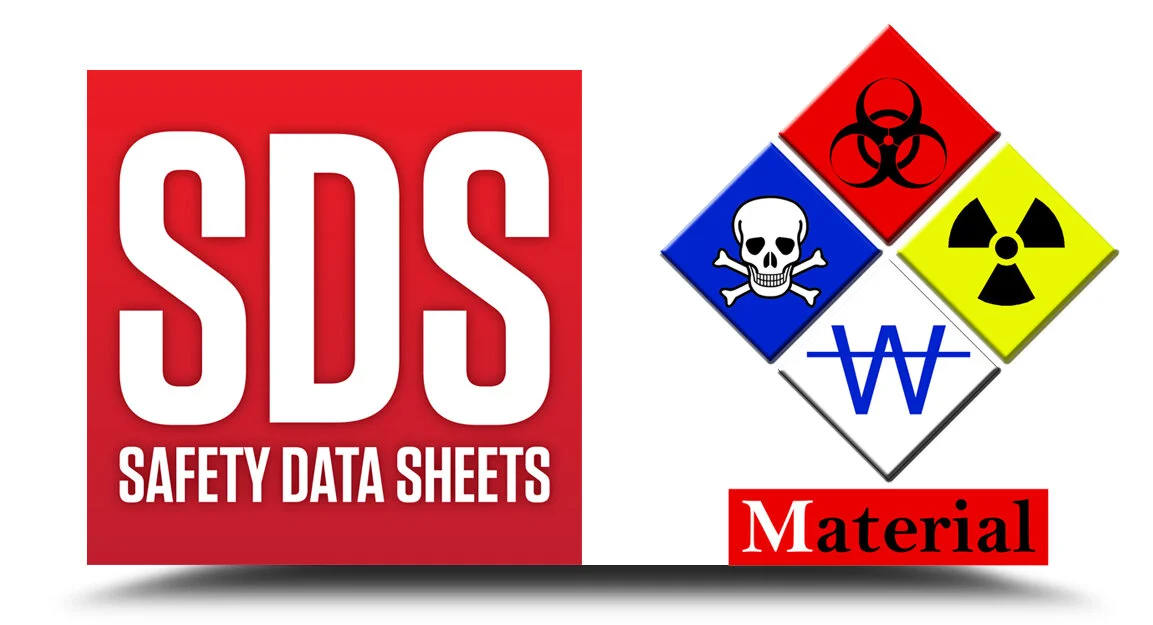
Safety Data Sheets are a fundamental component of the HCS, delivering comprehensive data on the properties of each chemical utilized within a facility.
This includes detailed information on potential hazards (such as toxicity, flammability, and reactivity), safe handling and storage practices, personal protective equipment (PPE) recommendations, first aid measures for chemical exposure, and emergency response protocols in the event of an accident.
By ensuring that workers have ready access to this critical information, SDS plays a protective role not only for employee health but also for patient safety and environmental integrity.
The following sections will delve into OSHA’s specific requirements regarding SDS, outlining the essential elements that these documents must contain, such as the identification of chemicals, hazard identification, composition and ingredient information, exposure controls, and physical and chemical properties.
Additionally, we will provide guidance for healthcare organizations on how to achieve and maintain compliance with these updated standards.
By proactively addressing these requirements, organizations can cultivate a robust culture of safety and awareness, which is pivotal in minimizing the risks associated with hazardous chemicals in healthcare settings and protecting both workers and patients from potential harm.
Safety Data Sheet (SDS) Explained
A Safety Data Sheet (SDS) is a crucial document that provides comprehensive and critical information about hazardous chemicals. It is systematically organized into sections, detailing the chemical’s physical and chemical properties, such as its molecular structure, boiling point, and flash point.
The SDS also outlines potential health risks associated with exposure, including symptoms of overexposure, routes of entry into the body, and long-term health effects.
In addition to health hazards, the document addresses the environmental impact of the chemical, including its behavior in various environmental conditions, potential ecological effects, and recommended disposal methods to reduce environmental harm.
Moreover, it includes specific guidelines for the safe handling and storage of the chemical, specifying appropriate personal protective equipment (PPE), compatibility with other substances, and optimal storage conditions to minimize risks.
Furthermore, the SDS provides detailed emergency response measures, outlining procedures for spills, leaks, and exposure incidents, as well as first aid measures to assist affected individuals.
The Occupational Safety and Health Administration (OSHA) requires chemical manufacturers and importers to provide these vital documents to employers who use hazardous substances, thereby facilitating compliance with safety regulations.
SDSs are pivotal in enhancing the understanding of hazardous chemicals, enabling employers and employees to implement safe practices effectively in the workplace.
By promoting awareness and preparedness, Safety Data Sheets play a significant role in ensuring a safer working environment and protecting both employees and the broader ecosystem from potential chemical hazards.

Have you ever wondered what a Safety Data Sheet SDS really is and why it matters Dive into the world of SDS and uncover its vital role in ensuring safety and compliance in a variety of settings
Whether youre handling hazardous materials or simply curious about workplace safety understanding the purpose of the SDS will empower you to make informed decisions and promote a safer environment Join us as we explore this crucial document and its impact on safety protocols
Safety Data Sheets: What IS The Purpose?
A Safety Data Sheet (SDS) serves as your trusted guide in navigating the world of chemicals. Here’s what you need to know:
- Purpose: SDSs are essential for understanding chemical hazards and provide clear guidance on safe handling and emergency procedures.
- Standardization: They adhere to the Globally Harmonized System (GHS), ensuring consistent classification of chemical risks.
- Variability: While the overall format is standardized, the content can differ among manufacturers to focus on specific products.
- Legal Requirements: Employers are obligated to obtain SDSs for all hazardous chemicals in use, ensuring they are easily accessible to all employees.
- Training Responsibility: Employers must train staff on the specific hazards of chemicals in their work environment and how to access SDSs effectively.
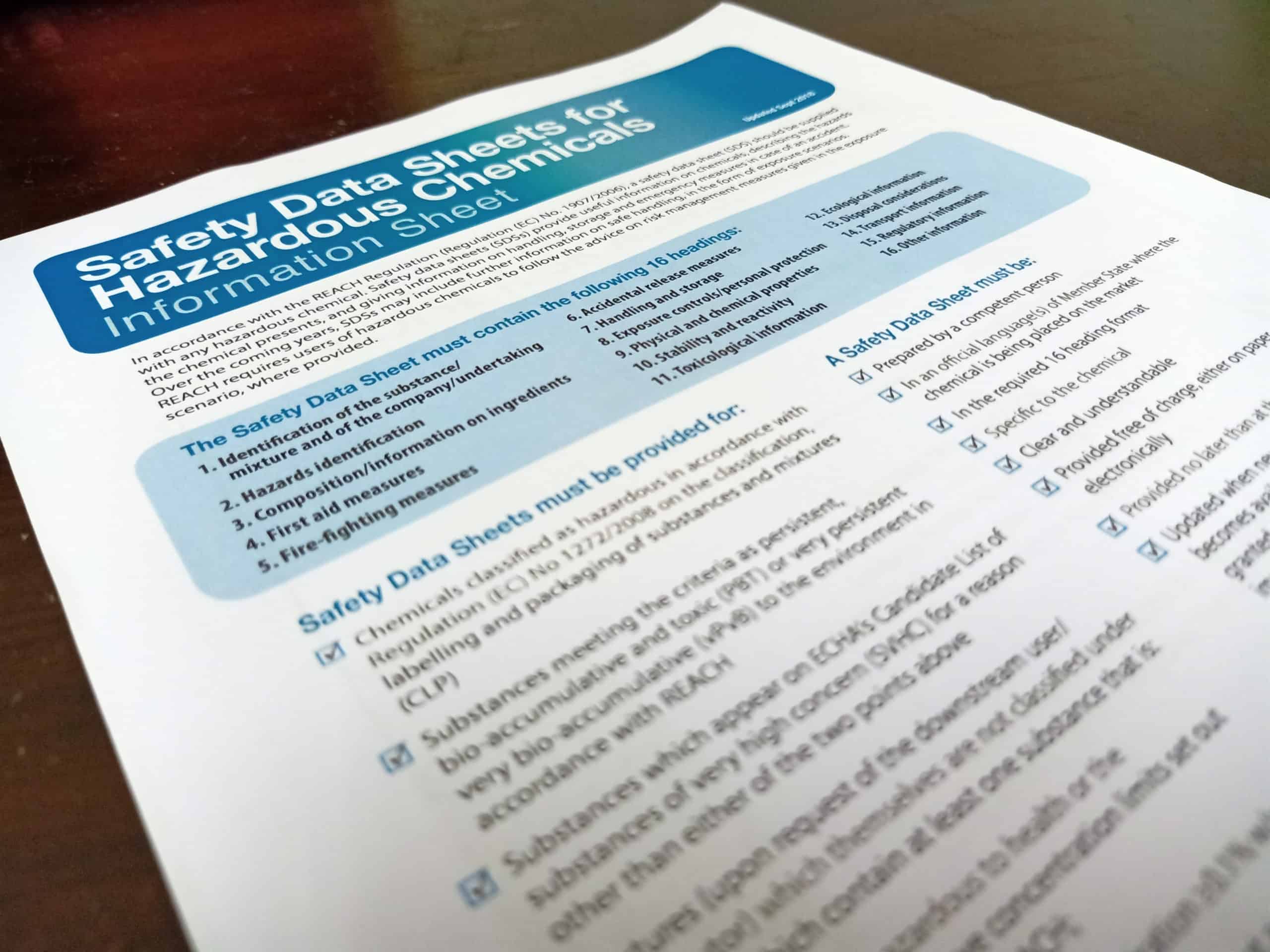
The Safety Data Sheet SDS contains essential information regarding the properties of a substance or mixture It provides details necessary for the safe handling storage and disposal of chemicals Key sections of an SDS typically include the product identification hazard identification composition safe handling measures exposure controls and emergency response information Understanding the content of an SDS is crucial for ensuring workplace safety and compliance with regulatory requirements
Important Information Needed in a Safety Data Sheet?
To ensure transparency and facilitate effective use for individuals handling hazardous chemicals, the Occupational Safety and Health Administration (OSHA) mandates that each Safety Data Sheet (SDS) must include specific, detailed sections addressing critical topics. These sections are:
Chemical Identification: This includes the product name, synonyms, relevant chemical formulas, and the manufacturer’s or supplier’s contact information, providing crucial identification and sourcing details.
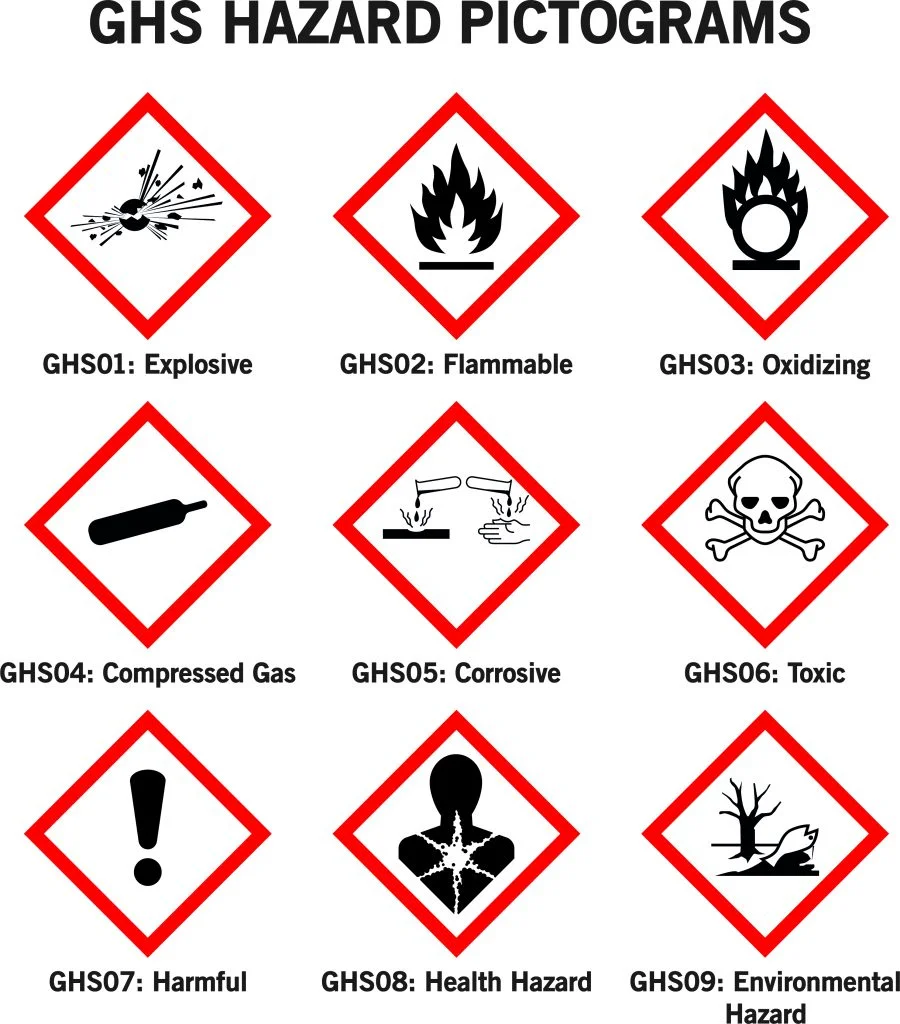
Hazard Classification: This section outlines the various hazards associated with the chemical, including physical hazards (e.g., flammability, reactivity) and health hazards (e.g., irritation, carcinogenicity). Clear classifications provide users with an understanding of the level of risk.
Safe Handling and Storage Instructions: Detailed guidelines are provided here on how to properly handle the chemical to minimize risk, including temperature and pressure requirements, incompatible materials, and storage conditions that prevent accidents.
First Aid and Firefighting Measures: This section outlines the appropriate first aid procedures to follow in the event of exposure or accidents, along with specific firefighting methods, suitable extinguishing media, and precautions for firefighters in the event of chemical fires.
Exposure Controls and Personal Protection: It specifies recommended engineering controls (such as ventilation systems), work practice controls, and personal protective equipment (PPE) that must be used, ensuring that users understand methods to minimize exposure.
Toxicological Information: This section provides an overview of the chemical’s potential health effects, including acute and chronic toxicity, routes of exposure (inhalation, skin contact, and ingestion), and any known symptoms associated with exposure.
The structured format of the SDS adheres to the Globally Harmonized System (GHS), which ensures consistency across different manufacturers and industries.
This standardization enables employees to quickly locate the necessary information, whether for routine safety checks or during emergency response situations, ultimately fostering a safer working environment.
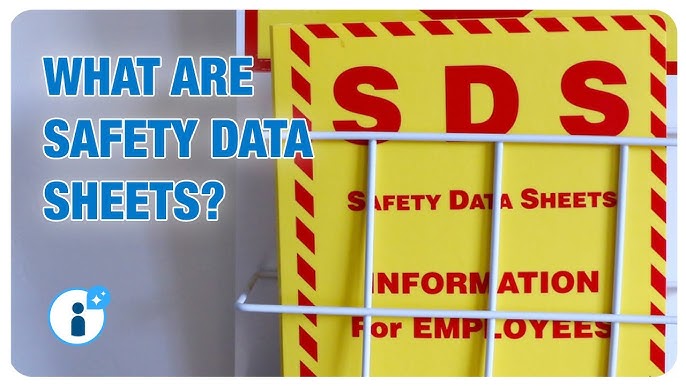
Looking for the best places to store your Safety Data Sheets SDS Lets dive into the essentials of organizing and safeguarding these crucial documents
Where Are Safety Data Sheets Stored or Accessed?
It’s essential for employers, especially in the healthcare sector, to ensure that employees have immediate access to Safety Data Sheets (SDSs) for hazardous chemicals present in their workplace. There are several effective ways to store SDSs, including:
- Paper copies in a binder
- Electronic files
- Offsite web-based services that can quickly fax SDSs on request
If organizations opt for electronic storage or off-site services, it’s crucial to have a reliable backup, such as a paper version or an alternative electronic system, to ensure access in case of a malfunction.
Moreover, training employees on how to access both the central SDS system and the backup is vital for safety and efficiency. Together, we can foster a safer work environment!
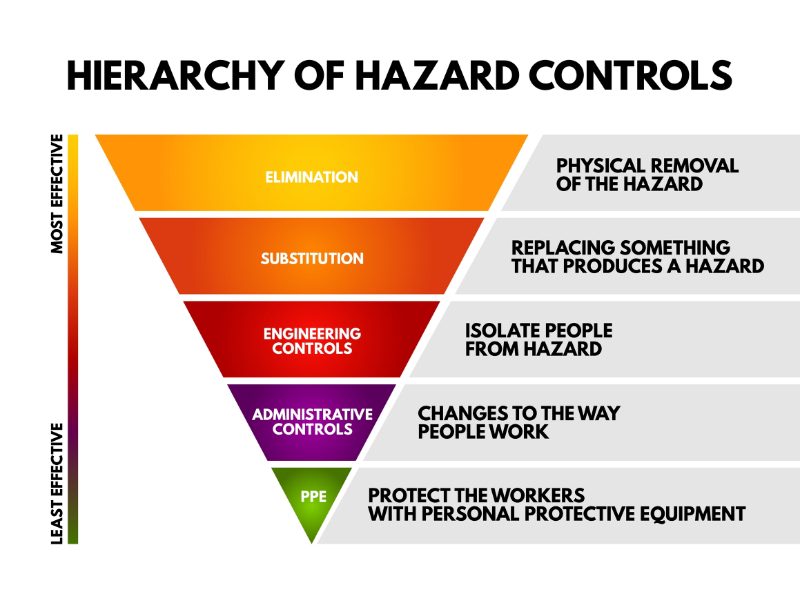
Hazardous Waste Training for Healthcare Professionals An Essential Guide to Safety and Compliance
This training program is designed to equip healthcare personnel with the knowledge and skills necessary to handle hazardous waste safely and in accordance with regulatory guidelines
Through comprehensive instruction participants will learn about the types of dangerous waste commonly encountered in healthcare settings proper storage and disposal methods and the importance of maintaining safety standards to protect both patients and the environment
By completing this training healthcare workers can ensure compliance with legal requirements and contribute to a safer healthcare facility
Employees Require Hazardous Chemicals Training
Absolutely! OSHA mandates that employees receive training before handling hazardous chemicals and also when new chemicals are introduced for which they haven’t yet been trained.
This vital training empowers staff to recognize risks and work safely with these substances.
However, practical hazardous chemical training should do more than cover Safety Data Sheets (SDSs). It should be engaging, interactive, and integrated with wider safety protocols.
Organizations can enhance learning by organizing training by hazard category—such as carcinogens or highly toxic agents—or by weaving SDS content into comprehensive OSHA-required safety programs, ensuring that all standards are thoroughly met. Together, we can create a safer workplace for everyone!
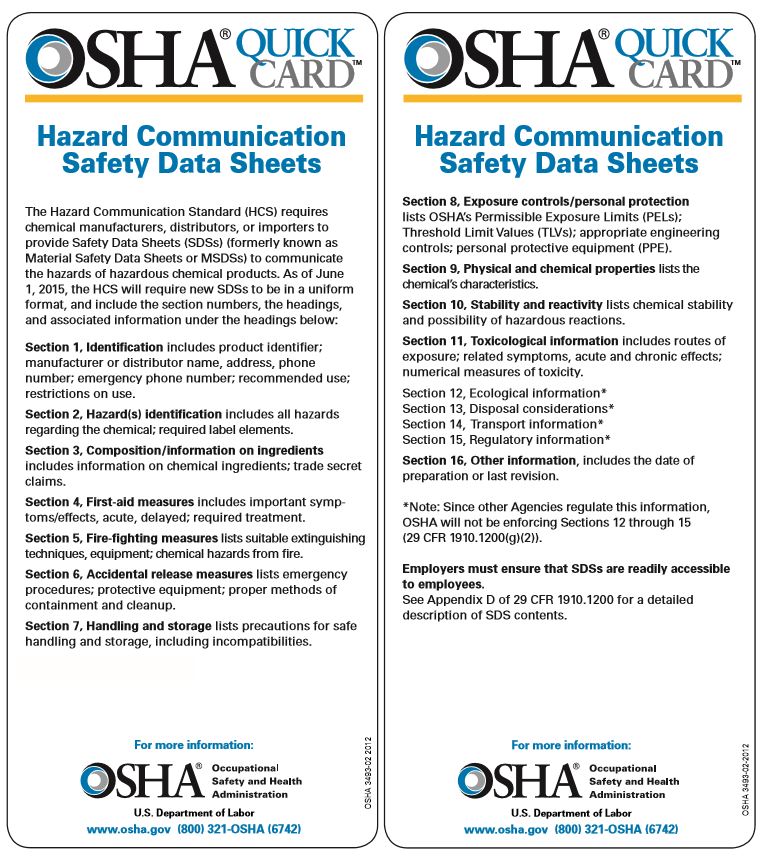
OSHA Safety Data Sheet Quick Reference Cards
Ensure Your Healthcare Organization Is Compliant with OSHA’s SDS Rules
- Conduct a thorough assessment to confirm that an up-to-date Safety Data Sheet (SDS) is readily accessible for each chemical in use. Could you designate a responsible individual or team to diligently track down any missing SDSs to ensure comprehensive safety compliance?
- Upon receiving an updated SDS, meticulously compare it with the previous version to identify any modifications. Promptly inform all relevant employees about these changes, highlighting any new hazards or safety protocols that may impact their work.
- Develop a streamlined, centralized process for managing SDS updates and effectively disseminating revised hazard information. This proactive approach is vital in maintaining compliance with safety regulations and ensuring a safe working environment.
- Many healthcare organizations opt to partner with experienced third-party providers, such as Stericycle, to aid in the creation and maintenance of their SDS library. This collaboration not only streamlines processes but also improves access to vital safety information and minimizes compliance risks, ultimately enhancing workplace safety.
Compliant With Confidence – Secure Waste
Ensuring that your organization complies with OSHA’s Safety Data Sheet (SDS) requirements is critical for safeguarding the health and safety of staff, patients, and the overall integrity of your facility.
This involves not only maintaining up-to-date documentation but also implementing comprehensive training programs and access protocols that reflect current standards and best practices.
To achieve compliance, it is essential to establish a systematic approach that includes regular audits of your SDS documentation to ensure accuracy and completeness.
Additionally, training sessions should be conducted regularly to familiarize all staff members with the hazards associated with the chemicals they handle, as well as the appropriate safety measures and emergency protocols.
Moreover, providing easy access to SDS documentation—whether in physical format or through a digital database—ensures that employees can quickly find critical information when needed.
Learn more about how Secure Waste can help your organization effectively navigate these requirements and ensure unwavering compliance with OSHA’s Safety Data Sheet regulations. Our expertise can help you implement best practices tailored to your specific needs, ultimately enhancing safety and reducing potential liabilities.
In Conclusion:
Secure Waste will save you money on hazardous waste disposal. We understand these hazards.
Staying informed and proactive is vital as new biological challenges arise. Together, we can prioritize health and safety, increase awareness, and promote responsible actions to create a healthier future for all!
We provide reliable, compliant, and environmentally friendly hazardous healthcare waste disposal solutions tailored to your facility’s specific needs.
**Disclaimer** This information is provided for reference purposes only and should not be considered as legal advice or factual information at the time of your reading. Regulations frequently change and can vary from state to state. We encourage you to contact your local regulatory authorities or Secure Waste directly for the most current information. Please note that Secure Waste is not liable, in part or in whole, for any information contained on this page or website.
Expert Medical Waste Management: With over 25 years of industry experience, Secure Waste is a trusted local leader in hazardous and biohazardous waste disposal across Maryland, Virginia, and Washington, D.C. Specializing in medical waste management, sharps needle disposal, and biohazard waste removal, the company ensures full compliance with federal, state, and local regulations while prioritizing environmental sustainability.
The company also offers additional services, including secure document shredding and sharps container sales, providing comprehensive solutions for healthcare facilities and businesses. Our cost-effective services help clients maintain regulatory compliance without unexpected costs.
With a commitment to customer satisfaction, Secure Waste offers tailored waste management plans that align with industry best practices. Their team of experts provides reliable, timely, and compliant services, making them the preferred choice for medical waste disposal. For a free waste quote or more information, visit www.securewaste.net