What Is Not Considered OPIM: Other Potential Infectious Material
Secure Waste explains that, in accordance with healthcare safety regulations and the Occupational Safety and Health Administration (OSHA) guidelines, it is critical to conduct a meticulous assessment when addressing questions about potentially infectious materials (PIM). Secure Waste continues to state that, in general, many common bodily fluids—including sweat, tears, and urine—are not classified as Other Potentially Infectious Materials (OPIM) unless they are visibly contaminated with blood. When bodily fluids are mixed with blood, the risk of transmitting bloodborne pathogens—such as Hepatitis B, Hepatitis C, and HIV—rises significantly. This is primarily due to established transmission routes via direct contact with infected blood, underscoring the importance of proper handling and disposal practices in healthcare settings.
Welcome to Secure Waste, your trusted partner in Healthcare waste management in the DMV area. With over 30 years of experience, we specialize in the safe handling of medical waste and biohazardous sharps management. Our dedication to compliance and safety makes us a leading provider for a diverse range of clients, including dentists, doctors, funeral homes, surgical centers, and more.
At Secure Waste, we understand the complexities of regulated waste management in Maryland, Virginia, and Washington, D.C. Our expertise enables us to navigate the regulatory landscape effectively, allowing our clients to focus on their primary mission: delivering quality healthcare. If you generate medical waste or need assistance with compliance regulations, we invite you to reach out to us today.
Now, let’s delve deeper into the specifics of what is not considered Other Potentially Infectious Materials (OPIM) in Maryland, Virginia, and D.C.
Non-OPIM Considerations: Learn More Today
In line with healthcare safety regulations and the Occupational Safety and Health Administration (OSHA) guidelines, it’s essential to conduct a thorough assessment when addressing inquiries about potentially infectious materials (PIM). Generally, most common bodily fluids—such as sweat, tears, and urine—are not considered Other Potentially Infectious Materials (OPIM) unless they are visibly contaminated with blood. When blood is present, the likelihood of transmitting bloodborne pathogens—like Hepatitis B, Hepatitis C, and HIV—increases considerably. This highlights the importance of adopting careful handling and disposal practices in healthcare settings to ensure everyone’s safety. During providing healthcare to patients, workers must stay in compliance with SBAR learn more.
One interesting aspect to consider when assessing infectious risks in healthcare is human hair. Human hair is biologically inert and primarily made up of keratin, a fibrous structural protein. Unlike other bodily fluids, which can carry and transmit various infectious agents, hair does not retain moisture or biological matter that can foster infections. Moreover, hair fibers lack the cellular components needed for pathogens to replicate.
Additionally, hair follicles, which are responsible for hair growth and shedding, do not pose a risk of transmitting infectious agents in healthcare settings. Their structure includes a dermal papilla, connective tissue, and epithelial cells, making them unlikely to harbor pathogens. Therefore, human hair is considered a safe, non-hazardous biological material in infection control practices.
As a result, healthcare professionals can confidently handle human hair, significantly reducing the risks typically associated with other biological materials. This reassurance enables a more focused, practical approach to hygiene and safety protocols, ultimately supporting the vital goals of infection prevention and control in our healthcare environments. Together, we can create a safer, more efficient environment for everyone involved!
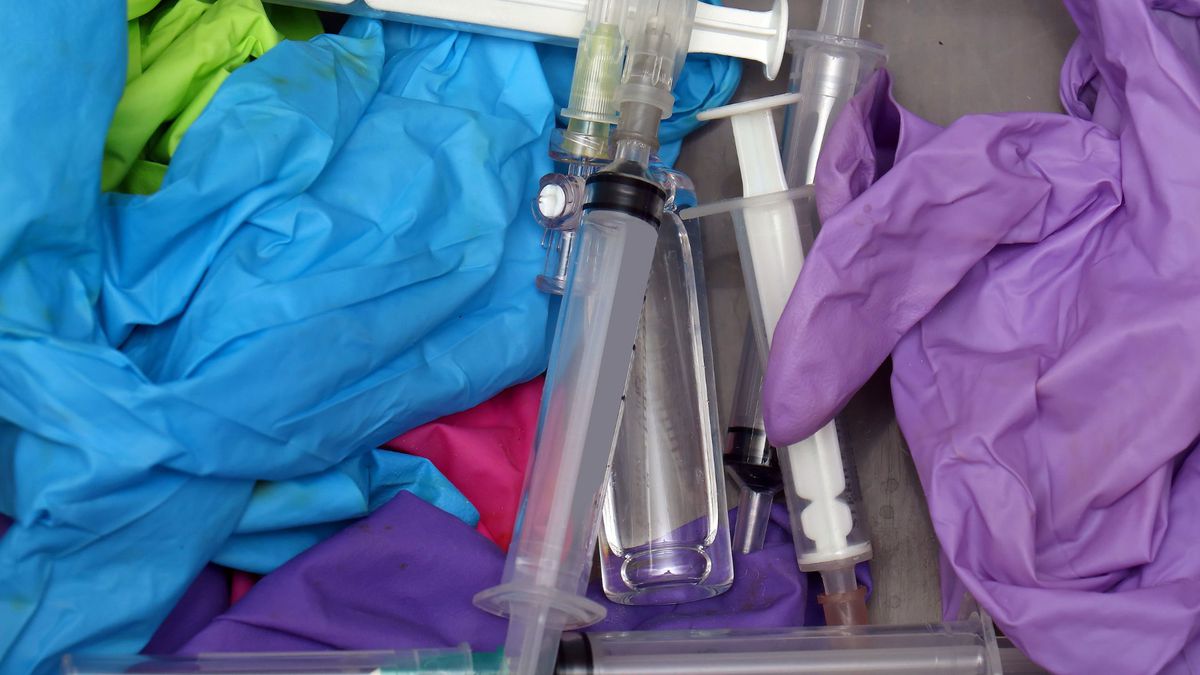
In the realm of waste management the term OPIM or Other Potentially Infectious Materials holds significant importance Secure Waste delves into this concept illuminating its meaning and implications for safety and health standards in various industries OPIM encompasses a range of materials that while not classified as infectious still pose potential risks due to their nature and handling This detailed exploration provides a comprehensive overview of OPIM including examples and guidelines for proper disposal and management By prioritizing safety and regulation Secure Waste aims to enhance awareness and compliance among businesses and individuals ensuring a safer environment for all Through this examination we hope to foster a deeper understanding of the responsibility that comes with handling OPIM empowering stakeholders to take informed actions
Now You Understand What Is NOT OPIM. Let’s Learn About What OPIM Is
OPIM signifies within the realm of healthcare? OPIM, or “Other Potentially Infectious Materials,” refers to a diverse array of biological substances that may contain pathogens capable of causing disease. This category encompasses several bodily fluids—such as blood, saliva, vomit, urine, and human tissues—as well as laboratory specimens, cell cultures, and products derived from human materials, like human breast milk or organs.
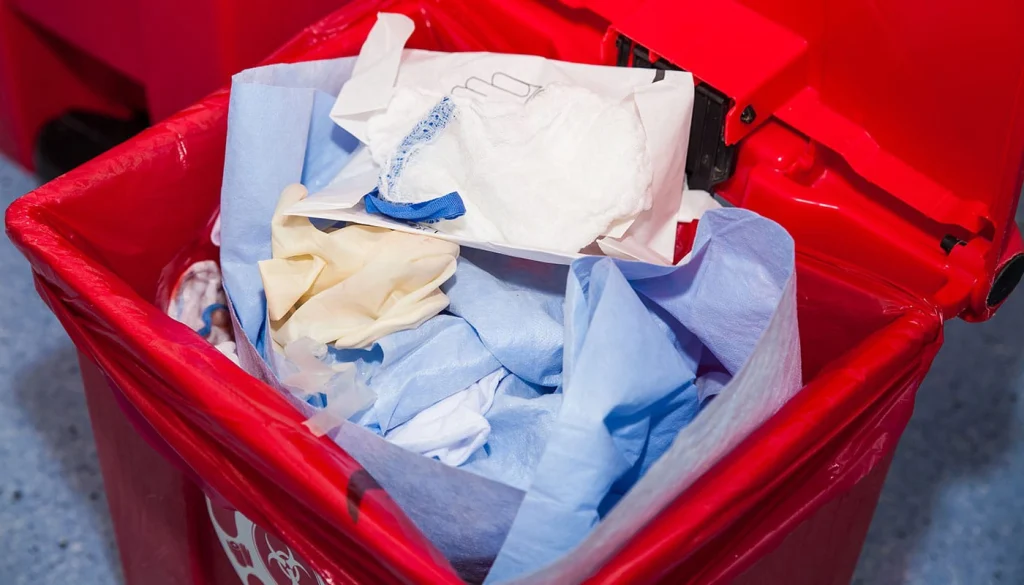
It’s common for people to conflate OPIM with terms such as medical waste or sharps waste, but understanding these distinctions is vital for safety and compliance in healthcare settings. Medical waste is a broader term that refers to any waste generated in a healthcare environment that poses potential risks to public health, safety, or the surrounding ecosystem. This includes not only OPIM but also non-infectious waste that may still require special handling, such as the remnants of pharmaceuticals or personal protective equipment (PPE).
In contrast, sharps waste refers specifically to materials that have the potential to puncture or cut, including needles, scalpel blades, glass vials, and other pointed objects. Proper disposal of sharps is critical to prevent needlestick injuries and accidental exposure to infectious materials.
Understanding the definitions and implications of OPIM, medical waste, and sharps waste is crucial for implementing effective safety protocols, ensuring proper handling and disposal practices, and maintaining compliance with health regulations in healthcare environments. This knowledge not only protects healthcare workers but also contributes to a safer public health landscape.
Expert Medical Waste Management: With over 25 years of industry experience, Secure Waste is a trusted local leader in hazardous and biohazardous waste disposal across Maryland, Virginia, and Washington, D.C. Specializing in medical waste management, sharps needle disposal, and biohazard waste removal, the company ensures full compliance with federal, state, and local regulations while prioritizing environmental sustainability.
The company also offers additional services, including secure document shredding and sharps container sales, providing comprehensive solutions for healthcare facilities and businesses. Our cost-effective services help clients maintain regulatory compliance without unexpected costs.
With a commitment to customer satisfaction, Secure Waste offers tailored waste management plans that align with industry best practices. Their team of experts provides reliable, timely, and compliant services, making them the preferred choice for medical waste disposal. For a free waste quote or more information, visit www.securewaste.net