
What is Norovirus? Expert Solutions From Secure Waste
What is Norovirus? Norovirus is an exceptionally contagious viral agent responsible for acute gastroenteritis, characterized by the inflammation of the stomach and intestines. This formidable virus triggers sudden and severe bouts of vomiting and diarrhea, often leading to significant discomfort and distress. Frequently confused with the “stomach flu,” norovirus is distinct from influenza and is recognized as the predominant cause of foodborne illness across the United States.
Symptoms typically emerge within 12 to 48 hours of exposure to the virus and can persist for 1 to 3 days, making the virus particularly insidious and difficult to manage.
Welcome to Secure Waste, a leading authority in healthcare waste management serving the Washington D.C., Maryland, and Virginia areas. Why is Secure Waste particularly concerned about Norovirus? The answer is straightforward: this virus is highly contagious and poses significant challenges, both at home and in healthcare settings such as hospitals and urgent care centers.
As a premier biohazard waste disposal and management company, Secure Waste frequently encounters Norovirus during the safe removal and disposal of waste generated during patient care. This waste can arise from a variety of sources, including those who present in healthcare settings due to Norovirus infections.
Having personally experienced the unpleasant effects of Norovirus on two separate occasions, I can attest to just how nasty and debilitating this virus can be. We must understand this virus better and explore practical strategies to manage its spread. Let’s take a closer look at Norovirus and discuss measures we can implement to improve health and safety for everyone.
Key Aspects Of Norovirus Explained By Secure Waste:
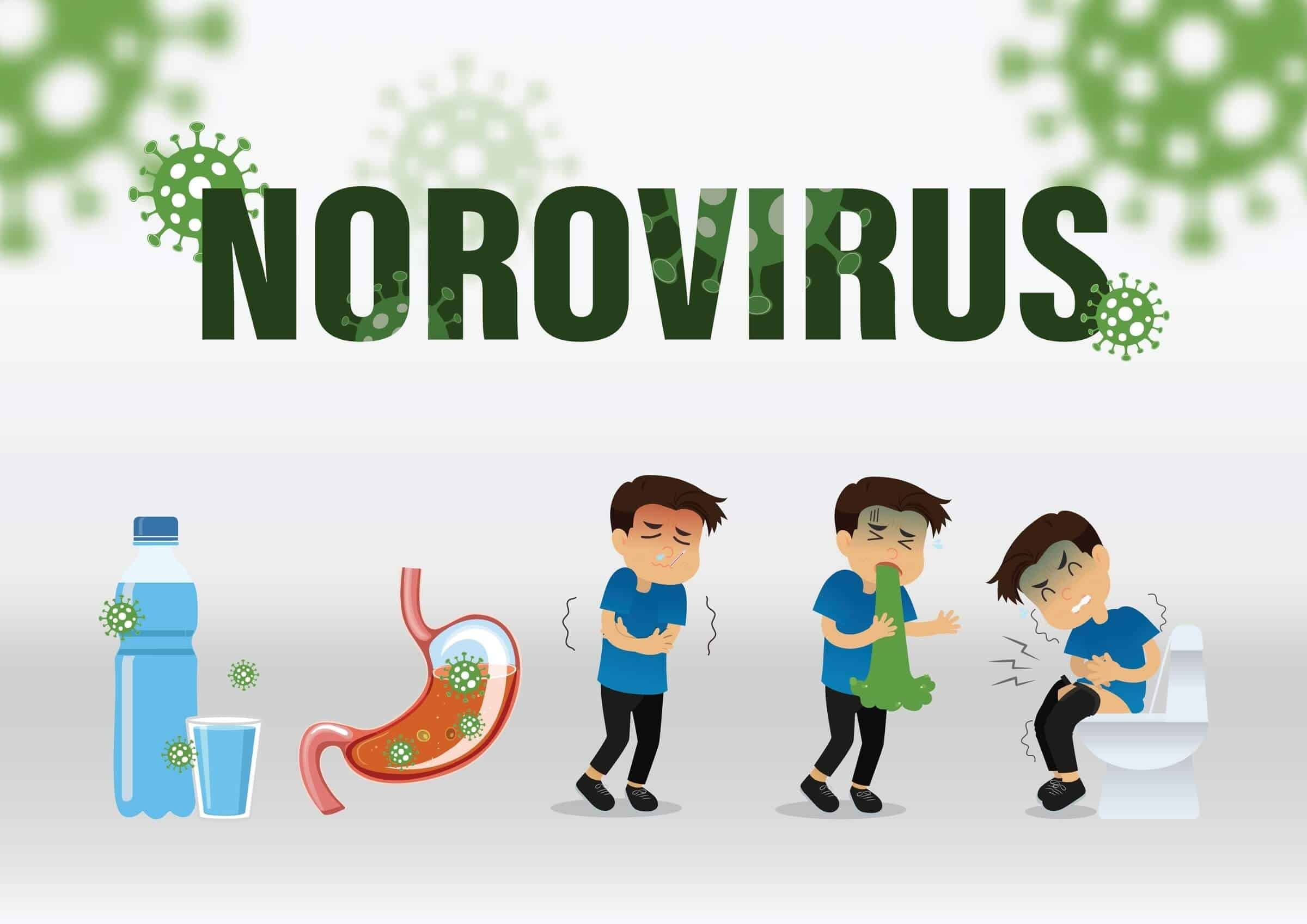
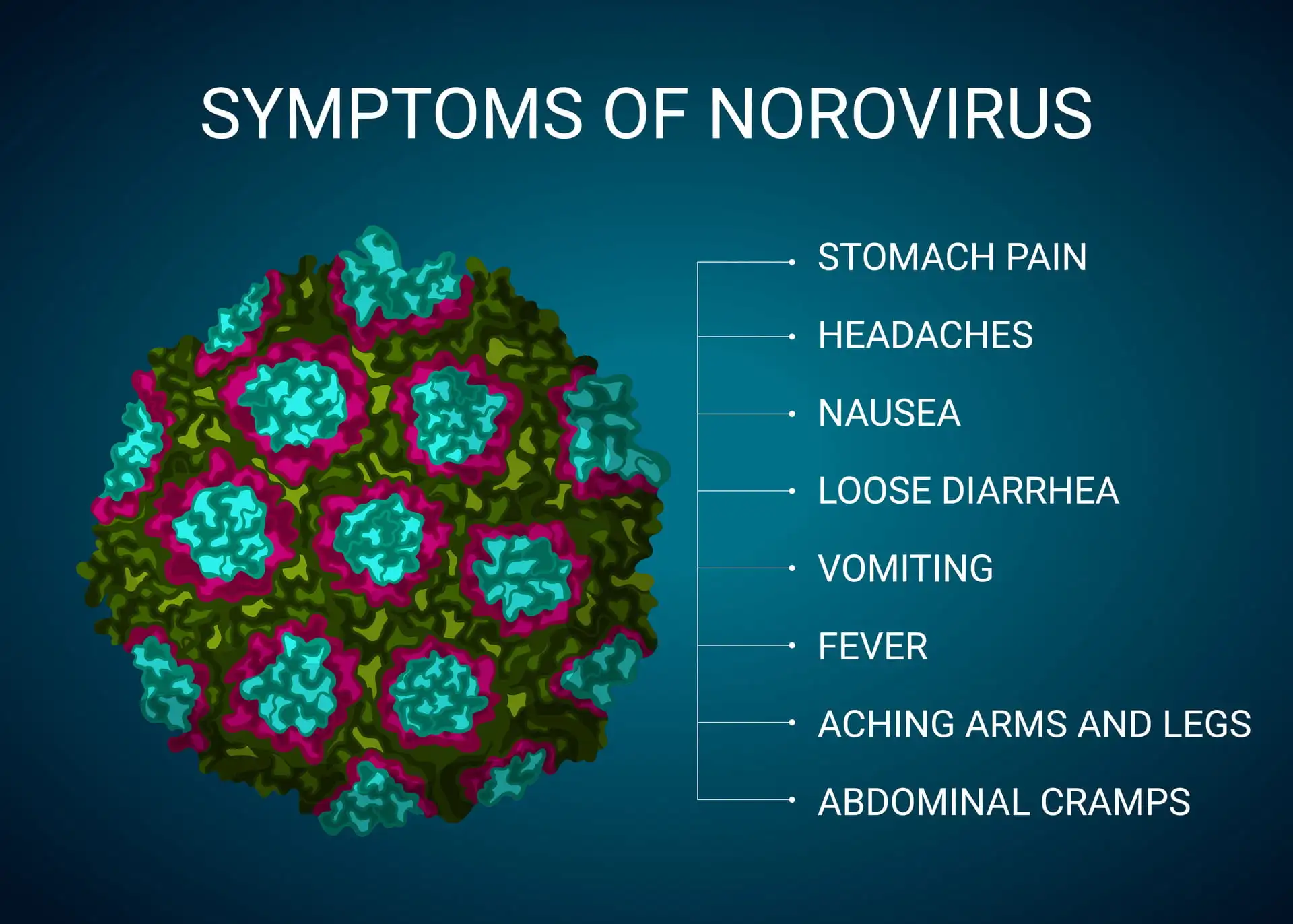
Symptoms: Individuals infected with norovirus may experience a range of symptoms, including severe vomiting, persistent diarrhea, pronounced nausea, and abdominal pain. Additionally, these symptoms may sometimes be accompanied by fever, headaches, muscle aches, and a general sense of malaise. The severity of symptoms can vary from person to person, with some experiencing mild discomfort and others suffering from severe dehydration.
Transmission: Norovirus spreads rapidly and can be transmitted in several ways. It can be spread through direct contact with infected individuals, touching contaminated surfaces or objects, and consuming tainted food and water. The virus is exceptionally resilient, capable of surviving on surfaces for long periods, thereby enhancing its ability to infect others. Environments with close quarters, such as schools, nursing homes, and cruise ships, are prime targets for outbreaks due to the ease of transmission in such settings.
Contagiousness: Norovirus is highly contagious; it requires only a minuscule amount of viral particles to initiate an infection. This is particularly concerning in crowded settings, where the risk of transmission increases dramatically. In fact, individuals can shed billions of virus particles in their feces and vomit, meaning that even a brief contact with contaminated surfaces or shared items can pose a significant risk to others.
Treatment: Currently, there is no specific antiviral treatment or vaccine available for norovirus infections. Recovery primarily hinges on maintaining proper hydration, as the severe loss of fluids can lead to dehydration, a serious complication, particularly in vulnerable populations such as the elderly and young children. The primary recommendation is to drink plenty of fluids, and in some cases, oral rehydration solutions may be necessary to replenish lost electrolytes. It is important to note that antibiotics are ineffective against this viral infection, as they target bacteria, not viruses.
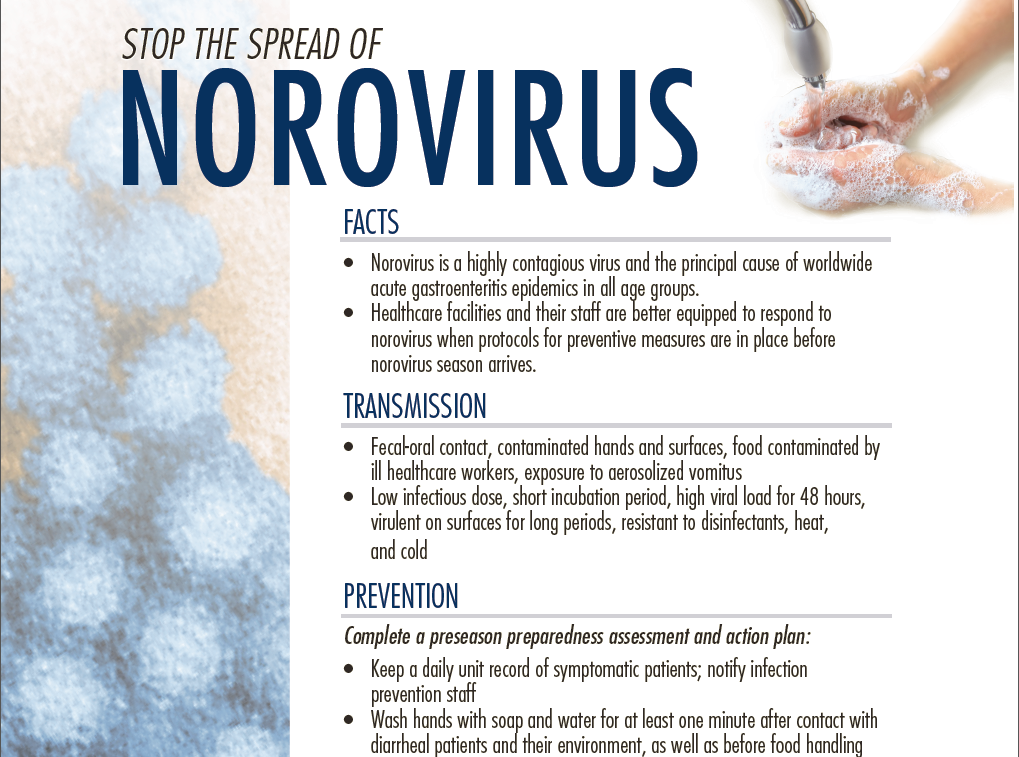
Prevention: Preventive measures are critical in combating the spread of norovirus. Meticulous handwashing with soap and water is essential, as alcohol-based hand sanitizers do not offer the same level of effectiveness against this resilient virus. Proper food safety practices, such as thoroughly cooking seafood and washing fruits and vegetables, can help reduce the risk of infection.
To minimize the risk of spreading the infection, affected individuals must stay at home for at least 48 hours after their symptoms resolve. This precaution is necessary because they can remain contagious during that time and for several days following, thereby heightening the risk of transmission in communal situations.
By understanding the principles of transmission, recognizing the symptoms, and emphasizing strong hygiene practices, we can collectively fend off this highly contagious adversary and protect our communities from outbreaks.
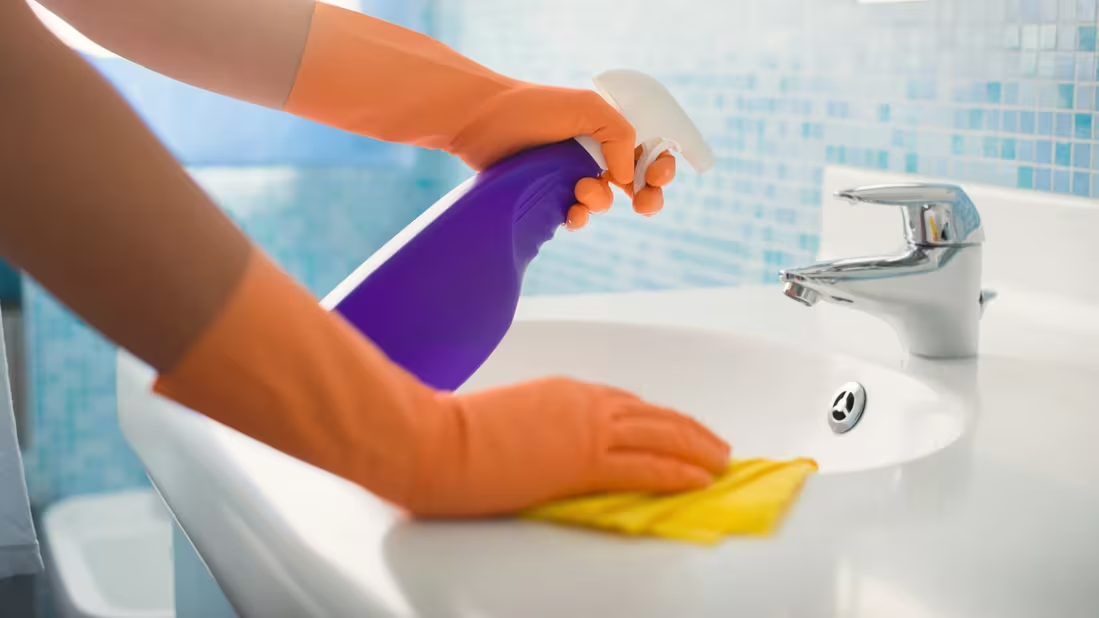
How To Sanitize During And After Norovirus Outbreak
Noroviruses: Understanding Transmission and Effective Cleanup Strategies
Noroviruses are widely recognized for their high transmissibility and the challenges involved in eliminating them. These viruses are among the primary causes of acute gastroenteritis outbreaks, often mistakenly called the “stomach flu.” Individuals who have experienced norovirus infections are well aware of the discomfort associated with this illness, which commonly includes severe nausea, intense vomiting, and debilitating diarrhea.
Why Is Norovirus So Contagious? Norovirus is highly contagious and can be easily transmitted through various means. Even after symptoms subside, the virus can persist in a person’s stool for 2 weeks or longer, posing a risk of unintentional spread. The virus typically spreads through direct contact with infected individuals or by ingesting contaminated food, water, or surfaces—common touchpoints include doorknobs and countertops. Additionally, tiny droplets of vomit or feces from an infected person can become aerosolized, contaminating surfaces or entering bystanders’ mouths. “Norovirus is exceptionally contagious—just a few viral particles are sufficient to infect someone.
How to Clean Up After Norovirus: If you or someone in your household contracts norovirus, it is essential to take precautions to minimize the risk to others. Dr. Goldman offers recommendations for effectively managing this virus.
Protect Others: To prevent the spread of infection, individuals experiencing norovirus symptoms should avoid preparing or handling food. It is advisable to refrain from food-related tasks for at least two days after symptoms have ceased. During recovery, please exercise extra caution when washing fruits and vegetables, and thoroughly clean any kitchen utensils or surfaces that are touched.
Disinfect: Not all disinfectants are effective against norovirus. Standard cleaning products, such as alcohol-based sanitizers and dish soap, are typically insufficient. The only disinfectants proven to eliminate norovirus effectively include bleach-water solutions. According to the U.S. Centers for Disease Control and Prevention (CDC), combining 5 to 25 tablespoons of household bleach with one gallon of water is recommended. Alternatively, could you consider EPA-approved disinfectants for norovirus? The concentration of bleach may vary depending on the surface—less bleach is needed for stainless steel, while more porous surfaces may require a stronger solution. For convenience, select ready-to-use bleach-based cleaners.
Clean Safely: When cleaning up after norovirus, wear rubber or disposable latex gloves. This protects you from the harsh effects of bleach and reduces the risk of exposure to the virus, which can persist on surfaces for days or even weeks. A protective mask is also necessary, and it should be maintained in the cleaning area.
Clean Everything You Touch: Thoroughly disinfect all surfaces that come into contact with hands, including toilets, floors, countertops, doorknobs, light switches, telephones, and remote controls. Allow the bleach-water solution or cleaner to sit on surfaces for at least five minutes before wiping them down with disposable paper towels. Consider steam-cleaning upholstered furniture for additional sanitation.
Can Norovirus Live on Bedding? Yes, norovirus can infect bedding materials such as duvets, pillows, and blankets. When cleaning and disinfecting soft surfaces, wear gloves when handling soiled items and separate them from other laundry. Wash all items in very hot water, adding bleach for lighter fabrics if necessary. Use detergent on the most extended cycle available, and dry items thoroughly in the machine.
Wash Your Hands: Maintaining hand hygiene is critical during and after any illness, especially with resilient viruses like norovirus. After cleaning, wash your hands thoroughly for at least 20 seconds to ensure proper hygiene. Remember to wash your hands after using the restroom and before and after meals. While hand sanitizer can be helpful, it does not kill norovirus and should be used in combination with proper handwashing practices.
Expert Medical Waste Management: With over 25 years of industry experience, Secure Waste is a trusted local leader in hazardous and biohazardous waste disposal across Maryland, Virginia, and Washington, D.C. Specializing in medical waste management, sharps needle disposal, and biohazard waste removal, the company ensures full compliance with federal, state, and local regulations while prioritizing environmental sustainability.
The company also offers additional services, including secure document shredding and sharps container sales, providing comprehensive solutions for healthcare facilities and businesses. Our cost-effective services help clients maintain regulatory compliance without unexpected costs.
With a commitment to customer satisfaction, Secure Waste offers tailored waste management plans that align with industry best practices. Their team of experts provides reliable, timely, and compliant services, making them the preferred choice for medical waste disposal. For a free waste quote or more information, visit www.securewaste.net