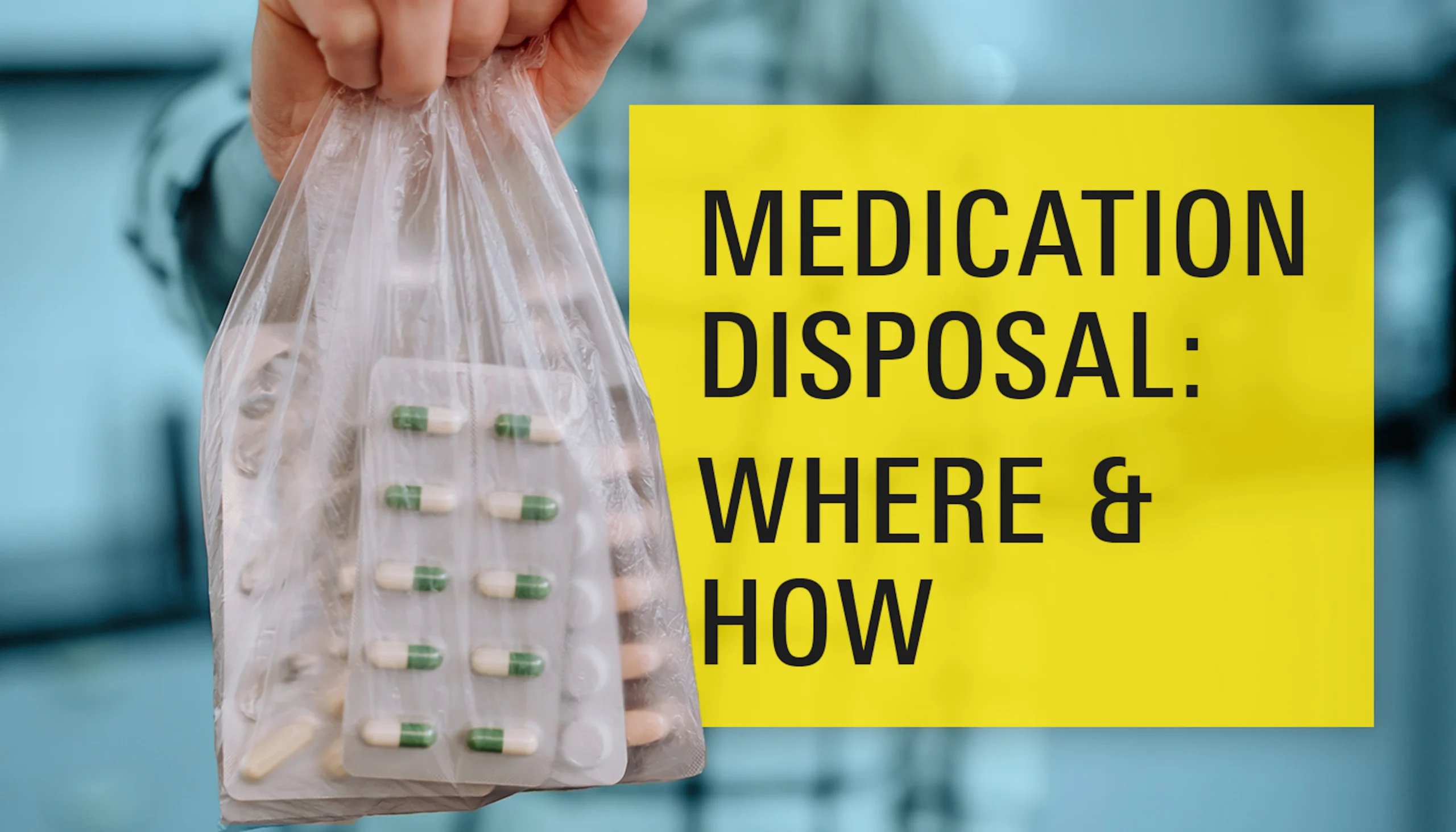
Most facilities think this is simple:
“Throw expired meds away.”
That mindset is exactly why organizations get hit with:
- Compliance violations
- Environmental damage
- Drug diversion risks
What Is Pharmaceutical Waste (Simple Definition)
Pharmaceutical waste =
👉 Any unused, expired, or leftover medication
Generated from:
- Hospitals
- Clinics
- Pharmacies
- Patient homes
Here’s the Dangerous Part Most Ignore
👉 5–10% of pharmaceutical waste is hazardous
That means:
- You’re legally regulated
- You need proper classification
- You can’t treat everything the same
What Happens If You Dispose of It Wrong
1. Environmental Damage
- Drugs enter water systems
- Wastewater plants can’t remove them
2. Opioid Crisis Contribution
- Unused meds → stolen or misused
- Household access = major risk
3. Compliance Violations
- EPA fines
- Legal exposure
- Failed audits
Who Regulates Pharmaceutical Waste (No Guesswork)
You’re dealing with multiple regulators:
- Environmental Protection Agency → Hazardous waste rules
- Drug Enforcement Administration → Controlled substances
- State pharmacy boards → Local rules
👉 Miss one = non-compliant
Subpart P (This Is Where Most Get Burned)
Introduced in 2019 by the EPA:
Key rules:
- ❌ No flushing hazardous drugs
- ❌ No sewer disposal
- ✔ Mandatory staff training
- ✔ Specific waste handling rules
👉 If your team doesn’t know this, you’re already exposed
Hazardous vs Non-Hazardous (Critical Distinction)
Hazardous Waste:
- Ignitable
- Corrosive
- Reactive
- Toxic
Not Always the Same as “Hazardous Drugs”
This is where people mess up:
👉 A drug can be hazardous clinically
👉 But NOT hazardous under EPA
And vice versa
The #1 Step Most Businesses Skip
👉 Waste Characterization
Before disposal, you MUST:
- Identify the waste
- Classify it correctly
- Apply correct handling rules
Skip this step:
👉 Everything else fails
How to Build a Compliant Disposal System
1. Create a Waste Management Plan
- Based on EPA + DEA rules
- Covers all waste types
2. Train Your Staff
Required:
- Waste segregation
- Handling procedures
- Emergency response
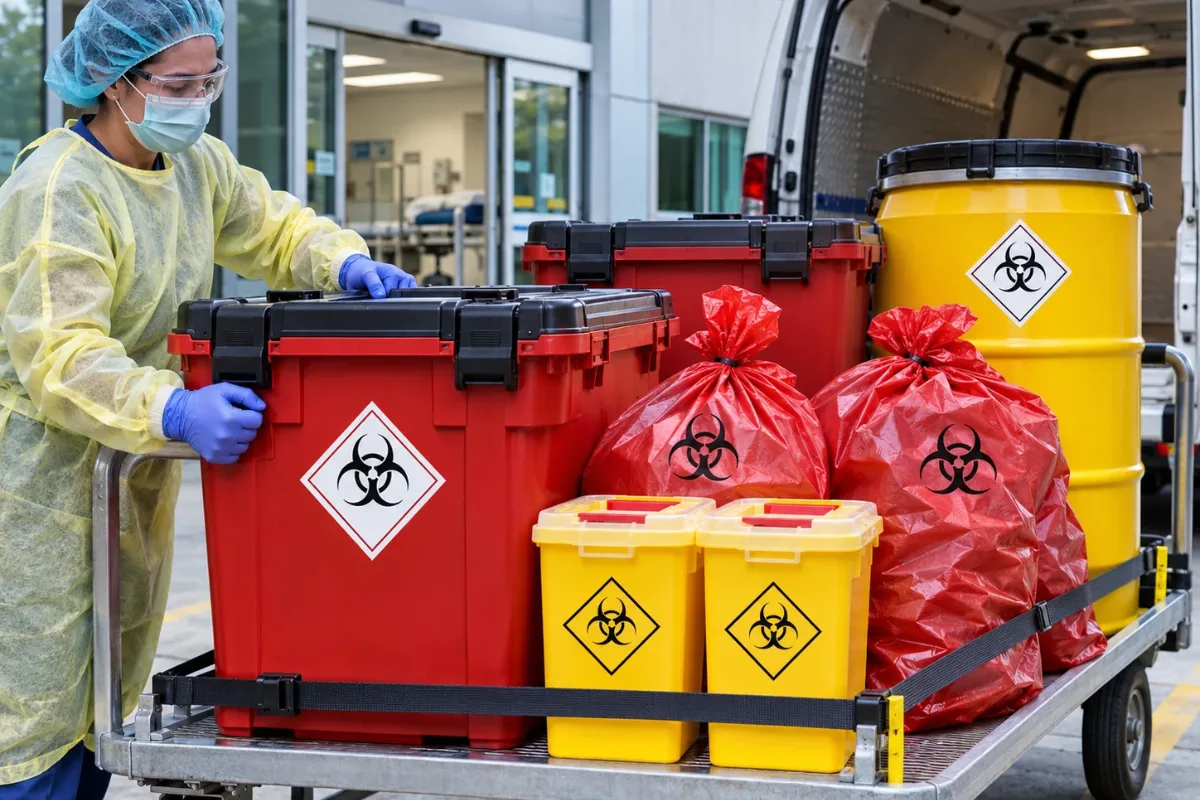
3. Use Proper Containers
- Black → Hazardous waste
- Blue → Non-hazardous
4. Follow Transport Rules
- Hazardous waste manifest required
- Approved transport + disposal
5. Use Take-Back Programs (For Patients)
- Prevent diversion
- Reduce environmental risk
Where Most Facilities Fail (Reality)
- Mixing waste types
- No staff training
- Wrong containers
- Ignoring Subpart P
👉 That’s where fines happen
Quick Compliance Checklist
Ask yourself:
- Do you classify waste correctly?
- Are staff trained on Subpart P?
- Are containers labeled properly?
- Are manifests maintained?
- Are disposal vendors compliant?
If not:
👉 You’re exposed
In Conclusion:
Secure Waste will save you money on biomedical waste disposal. We understand these hazards.
Staying informed and proactive is vital as new biological challenges arise. Together, we can prioritize health and safety, increase awareness, and promote responsible actions to create a healthier future for all!
Secure Waste provides reliable, compliant, and environmentally friendly biomedical waste disposal solutions tailored to your facility’s specific needs.
Please feel free to contact us today to request a complimentary waste assessment or to obtain a quote online: https://www.securewaste.net/biohazard-waste-quote/
Disclaimer: This information is provided for reference purposes only and should not be considered as legal advice or factual information at the time of your reading. Regulations frequently change and can vary from state to state. We encourage you to contact your local regulatory authorities or Secure Waste directly for the most current information. Please note that Secure Waste is not liable, in part or in whole, for any information contained on this page or website.
Expert Medical Waste Management: With over 25 years of industry experience, Secure Waste is a trusted local leader in hazardous and biohazardous waste disposal across Maryland, Virginia, and Washington, D.C. Specializing in medical waste management, sharps needle disposal, and biohazard waste removal, the company ensures full compliance with federal, state, and local regulations while prioritizing environmental sustainability.
The company also offers additional services, including secure document shredding and sharps container sales, providing comprehensive solutions for healthcare facilities and businesses. Our cost-effective services help clients maintain regulatory compliance without unexpected costs.
With a commitment to customer satisfaction, Secure Waste offers tailored waste management plans that align with industry best practices. Their team of experts provides reliable, timely, and compliant services, making them the preferred choice for medical waste disposal. For a free waste quote or more information, visit www.securewaste.net