OSHA Injury and Illness Recordkeeping Requirements | 29 CFR 1904 Guide
OSHA Injury and Illness Recording and Reporting
Occupational Safety and Health Administration (OSHA) regulations are designed to protect employees across industries, including healthcare. Among the most critical compliance areas are injury and illness recording and reporting requirements under 29 CFR Part 1904.
Employers who fail to document and report workplace injuries properly face citations, financial penalties, and reputational risk. Understanding these obligations is essential for maintaining compliance and protecting your workforce.
Common OSHA Citations in Healthcare
Healthcare facilities frequently face OSHA citations in the following areas:
Respiratory protection
Bloodborne pathogens
Hazard communication
Recording and reporting violations
These categories consistently rank among the most cited standards. Proper training, documentation, and internal audits can significantly reduce citation risk.
Why Accurate Recording and Reporting Matter
OSHA’s 29 CFR Part 1904 standard governs the recording and reporting of work-related injuries and illnesses. Accurate documentation allows both employers and regulators to:
Identify workplace hazards
Track injury trends
Implement corrective actions
Improve safety programs
Demonstrate compliance during inspections
Failure to maintain accurate records can result in penalties even if the underlying incident was properly managed.
OSHA 300-Series Forms Requirements
Employers meeting certain employee thresholds must use OSHA’s 300-series forms:
OSHA 300 Log – Log of work-related injuries and illnesses
OSHA 300-A Summary – Annual summary of workplace injuries
OSHA 301 Incident Report – Detailed injury and illness report
Records must be accurate, complete, and maintained consistently. Equivalent forms may be used only if they contain identical information and follow OSHA instructions.
Employers must record incidents within 7 calendar days of receiving information and retain the records for 5 years.
Incidents That Must Be Recorded
Employers must record each new work-related fatality, injury, or illness that results in:
Death
Days away from work
Restricted work or job transfer
Medical treatment beyond first aid
Loss of consciousness
Significant diagnosis by a licensed healthcare provider
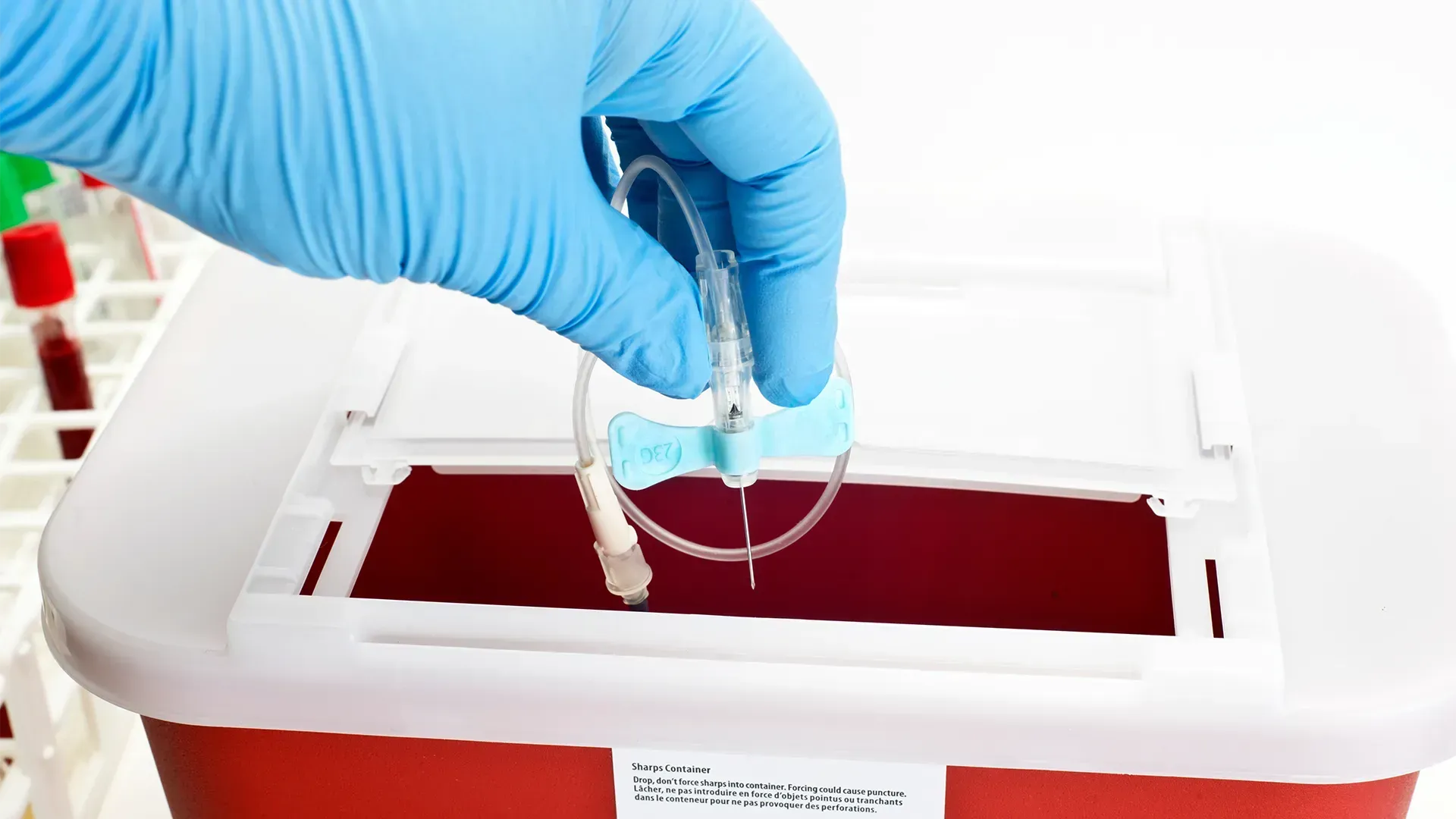
Needlestick injuries involving contaminated sharps
Occupational hearing loss meets threshold criteria
Tuberculosis infection following workplace exposure
Medical removal under OSHA surveillance standards
Proper evaluation of each incident ensures accurate classification.
Mandatory OSHA Reporting Deadlines
Certain severe incidents require immediate reporting to OSHA:
Fatalities must be reported within 8 hours
Hospitalizations, amputations, or loss of an eye must be reported within 24 hours
Timely reporting allows OSHA to investigate serious hazards and prevent recurrence.
Electronic Submission Requirements (29 CFR 1904.41 Update)
Beginning January 1, 2024, updated electronic submission requirements apply to certain establishments:
Employers with 100 or more employees in designated high-hazard industries must electronically submit data from OSHA Forms 300, 300-A, and 301 annually.
Employers with 20–249 employees in specific industries must continue submitting OSHA Form 300-A annually.
Employers with 250 or more employees (not partially exempt) must also continue to submit OSHA Form 300-A electronically.
Legal company names must now be included in submissions. OSHA will publish data publicly while removing personally identifiable information.
These updates increase transparency and oversight of compliance.
Privacy Case Handling Requirements
Certain injuries require privacy protection. Employers must enter “privacy case” instead of the employee’s name on the OSHA 300 Log and maintain a separate confidential list.
Privacy cases include:
Injuries to intimate body parts
Sexual assault-related injuries
Mental illness
HIV, hepatitis, or tuberculosis infections
Contaminated needlestick injuries
Strict confidentiality safeguards employee privacy while maintaining compliance.
Partial Exemptions
Some employers are partially exempt from OSHA recordkeeping requirements:
Companies with 10 or fewer employees (company-wide) may be exempt from maintaining OSHA 300 logs unless specifically instructed by OSHA or BLS.
Certain low-hazard industries listed in Appendix A of 29 CFR 1904 Subpart B may also qualify for partial exemption.
However, reporting requirements for severe injuries and fatalities still apply, even if recordkeeping is partially exempt.
OSHA Civil Penalties for Non-Compliance (As of January 2024)
Maximum penalties include:
Serious violations – $16,131 per violation
Other-than-serious violations – $16,131 per violation
Posting violations – $16,131 per violation
Failure to abate – $16,131 per day
Willful or repeated violations – $161,323 per violation
Penalties can quickly escalate if deficiencies are not corrected promptly.
Strengthening Compliance Through Training and Documentation
Maintaining compliance requires more than filling out forms. Employers should:
Conduct regular safety audits
Provide annual OSHA recordkeeping training
Implement injury prevention plans
Maintain documentation of corrective actions
Ensure supervisors understand reporting triggers
Proactive compliance reduces risk exposure and protects organizational stability.
In Conclusion:
Secure Waste will save you money on biomedical waste disposal. We understand these hazards.
Staying informed and proactive is vital as new biological challenges arise. Together, we can prioritize health and safety, increase awareness, and promote responsible actions to create a healthier future for all!
We provide reliable, compliant, and environmentally friendly biomedical waste disposal solutions tailored to your facility’s specific needs.
Please feel free to contact us today to ask for a complimentary “waste assessment or to get a quote online. https://www.securewaste.net/biohazard-waste-quote/
Disclaimer: This information is provided for reference purposes only and should not be considered as legal advice or factual information at the time of your reading. Regulations frequently change and can vary from state to state. We encourage you to contact your local regulatory authorities or Secure Waste directly for the most current information. Please note that Secure Waste is not liable, in part or in whole, for any information contained on this page or website.
Expert Medical Waste Management: With over 25 years of industry experience, Secure Waste is a trusted local leader in hazardous and biohazardous waste disposal across Maryland, Virginia, and Washington, D.C. Specializing in medical waste management, sharps needle disposal, and biohazard waste removal, the company ensures full compliance with federal, state, and local regulations while prioritizing environmental sustainability.
The company also offers additional services, including secure document shredding and sharps container sales, providing comprehensive solutions for healthcare facilities and businesses. Our cost-effective services help clients maintain regulatory compliance without unexpected costs.
With a commitment to customer satisfaction, Secure Waste offers tailored waste management plans that align with industry best practices. Their team of experts provides reliable, timely, and compliant services, making them the preferred choice for medical waste disposal. For a free waste quote or more information, visit www.securewaste.net