
How To Safely Manage Biohazard Waste At Funeral Homes In DC-MD-VA
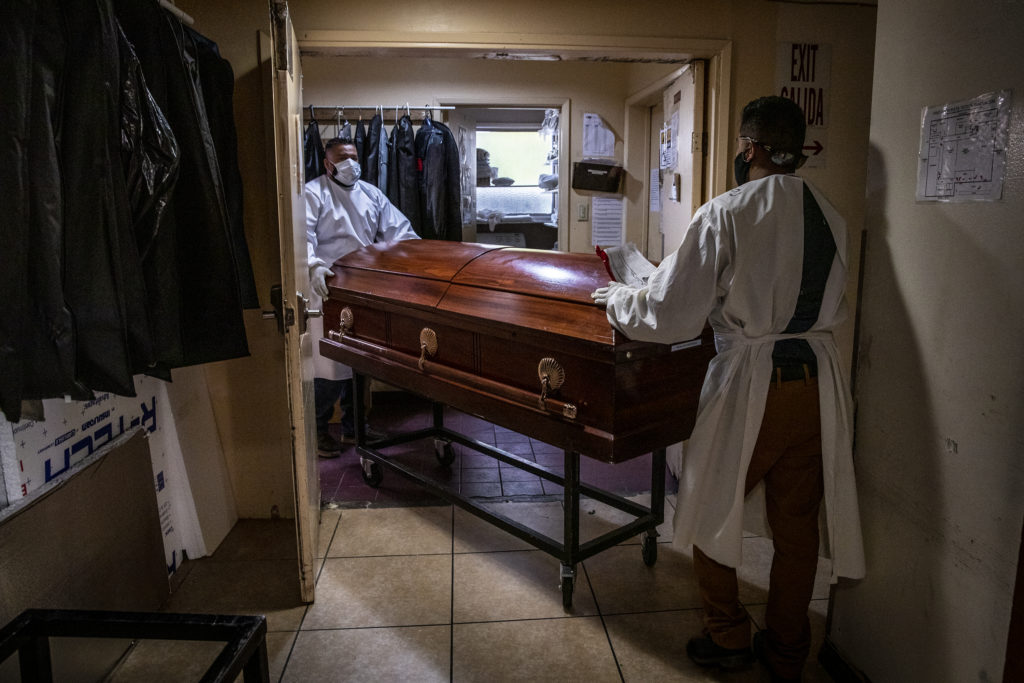
Secure Waste explains that funeral homes serve a crucial function in society, providing essential services for the preparation and disposition of deceased individuals while also supporting grieving families, religious institutions, and cemeteries.
This process, particularly the embalming procedure, entails a complex series of steps often guided by licensed medical directors.
Embalming is fundamental for preserving the body for public viewing, transforming a natural state into a dignified, respectful presentation. It involves the careful application of a variety of chemicals that replace the blood in the circulatory system with a preservative solution, which maintains the appearance of the deceased.
However, this necessary procedure generates a significant volume of waste, primarily classified as biohazardous. According to the Occupational Safety and Health Association (OSHA)
Therefore, funeral home staff must be well-versed in the types of waste generated and the correct disposal methods to ensure the safety of both employees and visitors, as well as to remain compliant with legal regulations.
This article examines five prevalent categories of waste generated in funeral homes, along with thorough guidelines for their safe disposal.
Welcome to Secure Waste, your premier partner in comprehensive funeral home waste management services throughout the DMV area.
With an impressive track record spanning over 30 years, Secure Waste has established itself as a leader in delivering high-quality biohazard waste management solutions tailored specifically for funeral homes across Washington D.C., Maryland, and Virginia.
Our commitment is to provide a level of service that ensures safety, compliance, and efficiency, while offering competitive rates without the burden of long-term contracts.
At Secure Waste, we understand the sensitive nature of the funeral service industry and the unique challenges of managing waste responsibly.
Whether it’s regulated medical waste, sharps, or other biohazard materials, our expertly trained team is equipped to handle all facets of waste management, ensuring your operations run smoothly and in full compliance with local and federal regulations.
For funeral homes seeking a dependable waste management partner, Secure Waste is dedicated to providing exceptional, tailored services that address the specific needs and demands of your facility. We take pride in providing solutions that not only meet safety standards but also contribute to environmental stewardship.
To assist you in navigating the complexities of waste disposal, let’s explore five common types of waste generated in funeral homes in the DMV region. Understanding these waste categories is crucial for proper handling and disposal, which, in turn, promotes both safety and environmental responsibility within your operations.
Please contact us today to learn more about our diverse range of services and find out how Secure Waste can help you maintain a compliant, safe facility that meets the highest standards of waste management excellence.
Running a funeral home comes with its unique challenges but one of the most significant issues many face is wasteboth in terms of resources and time Understanding the types of waste that can occur in this sensitive environment is essential for improving efficiency and providing the best possible service to families during their time of need Here are five key types of waste that funeral homes should be aware of
Five Types Of Waste Generated In Funeral Homes
- Blood and Fluid Waste: The embalming process results in the removal of significant amounts of blood and bodily fluids from the deceased. These fluids are then replaced with toxic chemicals—such as formaldehyde, methanol, sodium borate, sodium nitrate, glycerin, various colorants, and water—essential to the preservation process. Managing this hazardous waste is vital for protecting the health of both staff and visitors. The disposal of blood and other fluids typically follows stringent protocols, which may include double-bagging the waste using specialized containers designed for biohazardous materials. Additionally, absorbent materials should be employed to address any spills that occur during the process. Every bag and container must be accurately labeled to minimize the risk of accidental exposure and clearly communicate the hazardous nature of its contents.
- Sharps: Items categorized as sharps pose a significant risk due to their potential to cause deep cuts and puncture wounds. This category includes needles, scalpels, glass ampoules, razor blades, sharp bone or tooth fragments, and stitch cutters. Given that these sharps may come into contact with blood and harmful chemicals, it is crucial to manage them with utmost care. Loose sharps should be placed immediately in sturdy, puncture-proof containers specifically designed for this purpose. These containers must remain securely closed and should be clearly marked with appropriate hazard labels. Furthermore, they should be stored in a designated area until they can be safely collected by a licensed medical waste disposal service, ensuring compliance with all regulatory requirements related to hazardous waste.
- Medications and Pharmaceuticals: The embalming process can often leave residues of various medications within the deceased’s body. Some of these medications, particularly those involved in treatments like chemotherapy, can be extremely toxic and pose considerable health risks if not handled properly. Therefore, funeral home personnel must follow stringent protocols for the handling and disposal of pharmaceutical remnants. Staff should be trained to recognize these hazardous substances and take appropriate precautions, such as wearing appropriate PPE (personal protective equipment) and following specific disposal guidelines, to mitigate potential exposure risks.
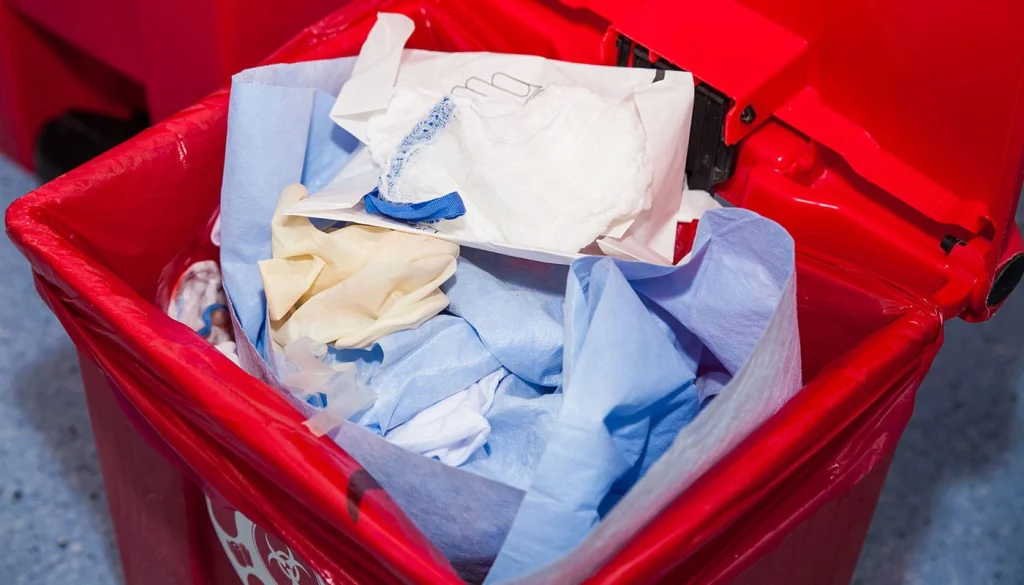
- Personal Protective Equipment (PPE): Employees working in funeral homes frequently utilize personal protective equipment to safeguard themselves against potential exposure to bodily fluids and infectious materials. This equipment may include gloves, masks, full-body suits, and eye protection. Given the nature of their work, these items can easily become contaminated. Thus, any contaminated PPE must be disposed of in designated red biohazard bags. This protocol reduces the risk of contamination and ensures the safe and efficient disposal of these potentially hazardous materials. Staff must understand the importance of this practice in maintaining a safe working environment.
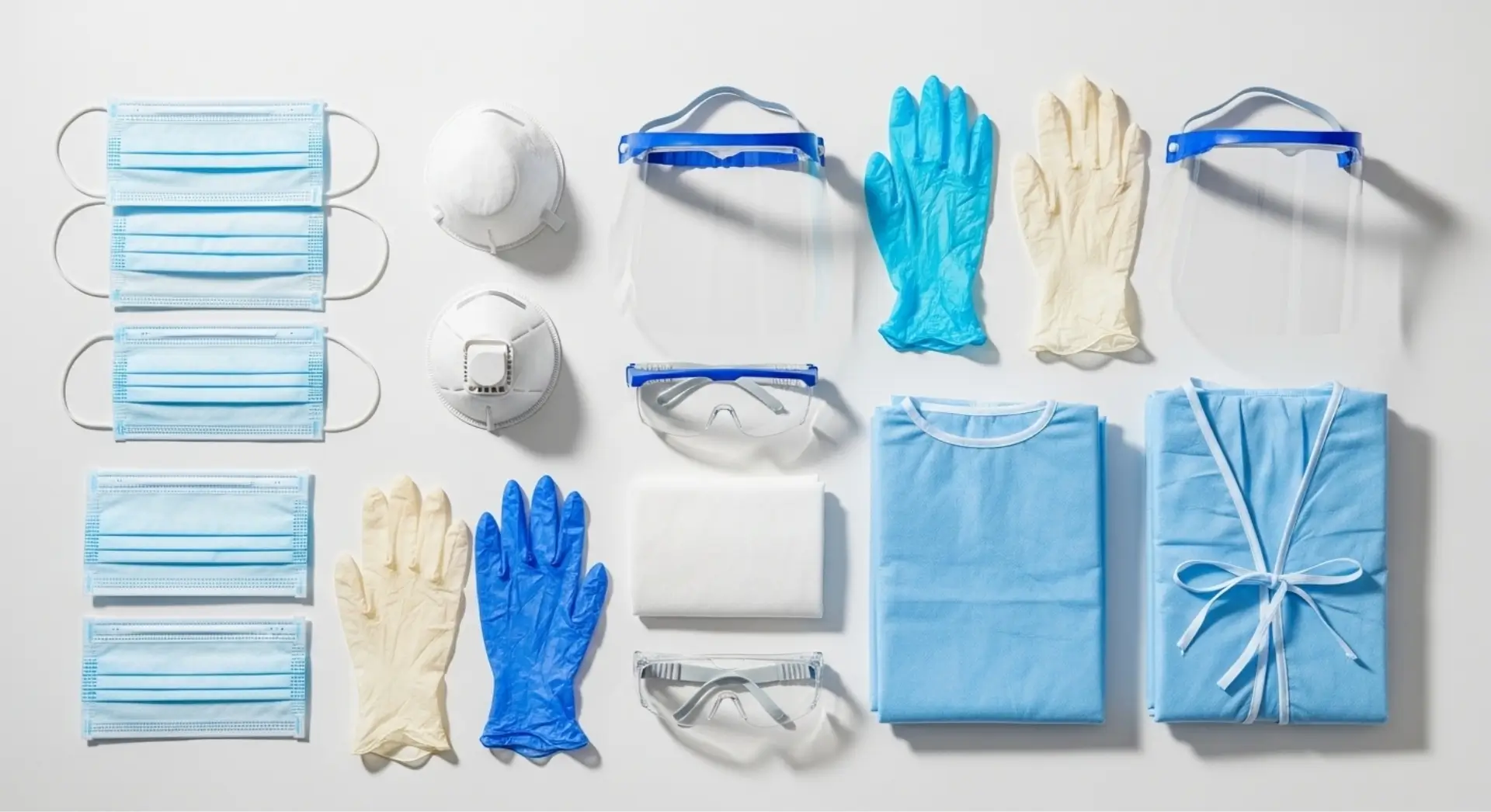
Essential Tips for Safely Using PPE in Funeral Homes
In the delicate environment of a funeral home ensuring safety and care is paramount Properly using personal protective equipment PPE not only safeguards the staff but also honors the memory of those we serve Lets explore key practices to effectively and safely utilize PPE in this unique setting - Materials Used for Body Preparation: The process of preparing the deceased often involves the use of various materials, including tissue builders, cosmetics, and adhesives. Many of these products may contain harmful solvents or chlorinated compounds, such as trichloroethylene and perchloroethylene, which are classified as hazardous waste. Additionally, disposable items used during body preparation, such as gauze, swabs, and applicators, fall into this category. Therefore, it is vital to handle these materials with caution and to follow proper disposal procedures to prevent environmental contamination and minimize health risks to staff and visitors alike.
Funeral homes generate a diverse array of waste, much of which is designated as biohazardous
By fostering awareness of the different types of waste produced and implementing appropriate handling and management protocols, National funeral home directors associations explains funeral homes can create a safer working environment.
Adhering to best practices not only protects the health of staff and visitors but also ensures compliance with relevant regulations, ultimately upholding the integrity and professionalism of the funeral service industry.
In Conclusion:
Secure Waste will save you money on Regulated healthcare waste disposal. We understand these hazards.
Staying informed and proactive is vital as new disposal management challenges arise. Together, we can prioritize health and safety, increase awareness, and promote responsible actions to create a healthier future for all in Maryland, Virginia, and D.C.
We provide reliable, compliant, and environmentally friendly waste disposal solutions tailored to your facility’s specific needs.
Disclaimer: This information is provided for reference purposes only and should not be considered as legal advice, healthcare, or factual information at the time of your reading. Regulations frequently change and can vary from state to state. We encourage you to contact your local regulatory authorities or Secure Waste directly for the most current information. If you are having healthcare issues, contact your doctor immediately or call 911. Please note that Secure Waste is not liable, in part or in whole, for any information contained on this page or website.
Expert Medical Waste Management: With over 25 years of industry experience, Secure Waste is a trusted local leader in hazardous and biohazardous waste disposal across Maryland, Virginia, and Washington, D.C. Specializing in medical waste management, sharps needle disposal, and biohazard waste removal, the company ensures full compliance with federal, state, and local regulations while prioritizing environmental sustainability.
The company also offers additional services, including secure document shredding and sharps container sales, providing comprehensive solutions for healthcare facilities and businesses. Our cost-effective services help clients maintain regulatory compliance without unexpected costs.
With a commitment to customer satisfaction, Secure Waste offers tailored waste management plans that align with industry best practices. Their team of experts provides reliable, timely, and compliant services, making them the preferred choice for medical waste disposal. For a free waste quote or more information, visit www.securewaste.net