Proper Medical Waste Handling Matters for Patients And Staff Safety?
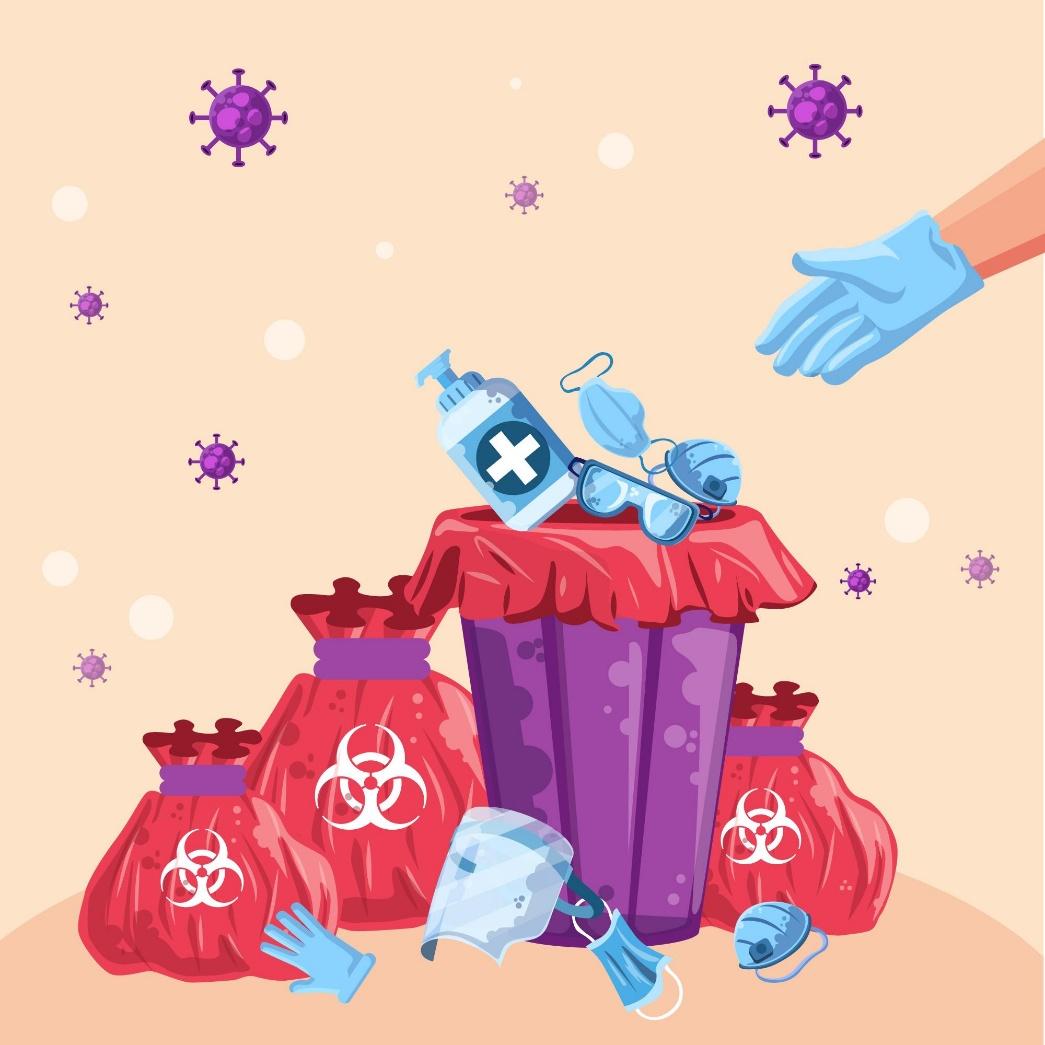
Proper medical waste handling is a frontline safety practice, not just a compliance task. According to the WHO, about 15% of waste from healthcare activities is hazardous, including infectious, chemical, or radioactive materials. This can expose healthcare workers, waste handlers, patients, and communities to infections, injuries, toxic effects, and environmental pollution. This issue can only be addressed when the medical waste is segregated, labeled, stored, transported, and treated correctly.
However, many healthcare facilities still overlook this vital approach, increasing the chances of accidental exposure, needlestick injuries, cross-contamination, and compliance violations. To help such facilities out, this blog explains how unsafe practices create preventable risks and which evidence-based steps help healthcare facilities maintain more compliant care environments. So, let’s take a closer look!
Medical Waste Safety OverviewProper medical waste management is essential for protecting patients, healthcare workers, and communities from infections, injuries, and environmental harm. Unsafe disposal can spread diseases, increase hospital costs, and cause air and water pollution. Structured waste segregation, safe handling of sharps and pharmaceuticals, and compliance with regulations reduce risks and improve hygiene. Reliable services ensure organized, secure, and responsible waste treatment in healthcare facilities. |
Impact of Poor Waste Management in Healthcare
Pathogen transmission
Poor segregation of infectious waste can allow blood, body fluids, swabs, and contaminated disposables to mix with general waste. These materials may contain harmful bacteria, viruses, fungi, or parasites. If they are not properly contained, pathogens can spread through direct contact, contaminated surfaces, airborne particles, or waste-handling equipment. This increases the risk of infections for patients, healthcare staff, housekeeping teams, and waste management workers.
Sharps-related injuries
Improper disposal of needles, scalpels, lancets, and broken ampoules increases the risk of sharps injuries. When these items are placed in soft bags, overfilled containers, or unsecured bins, they can pierce the skin during waste collection or transport. These injuries are serious because contaminated sharps may spread bloodborne diseases such as hepatitis B, hepatitis C, and HIV. Immediate medical evaluation and proper post-exposure care are often required.
Cross-contamination pathways
Poor waste handling creates cross-contamination pathways between contaminated waste, hands, surfaces, trolleys, linens, and medical equipment. If infectious waste is left open or moved without sealed containment, microorganisms may transfer to high-touch surfaces in patient care areas. This can weaken infection-prevention controls and increase the risk of healthcare-associated infections, especially in ICUs, operating rooms, dialysis units, and isolation wards.
Pharmaceutical waste hazards
Expired, unused, or contaminated medicines can become hazardous if they are thrown away with regular waste or flushed down the drain. Antibiotics, cytotoxic drugs, hormones, and controlled substances need proper disposal because they can harm the environment, contribute to antimicrobial resistance, or create misuse risks. Poor management of pharmaceutical waste can also lead to documentation issues, inventory loss, and noncompliance with disposal regulations.
Air and environmental contamination
Untreated healthcare waste can pollute soil and water when it is dumped in landfills or drainage systems. Open burning or improper incineration may release harmful pollutants, including smoke particles, acid gases, heavy metals, dioxins, and furans, into the air. These pollutants can affect respiratory health and remain in the environment for a long time.
Regulatory and operational failures
Poor waste management can lead to failed audits, incomplete records, labeling mistakes, storage violations, and worker safety issues. Mixing hazardous waste with general waste also increases disposal costs and the amount of regulated waste. Healthcare facilities may face penalties, corrective action plans, investigations, and reputational damage. Proper procedures, staff training, tracking systems, and accurate vendor documentation help maintain safety and compliance.
Steps for Proper Medical Waste Management
Waste Segregation at the Point of Generation
Medical waste should be separated immediately where it is produced to avoid contamination and improper disposal. Different types of waste, such as infectious waste, sharps, pharmaceutical waste, chemical waste, and regular waste, must be placed in clearly labeled and color-coded containers. Proper segregation improves safety, reduces disposal costs, and helps healthcare facilities follow waste management regulations.
Use of Approved Containers and Containment Systems
Healthcare waste should be stored in leak-proof, puncture-resistant, and properly labeled containers that follow safety regulations. Sharps containers must be strong and secure, while infectious waste bags should include clear biohazard labels. Proper containment helps prevent spills, injuries, exposure risks, and environmental contamination during handling and transportation.
Safe Internal Collection and Transportation
Medical waste should be transported using dedicated trolleys or carts made specifically for healthcare waste handling. Waste containers must remain sealed during transportation, and transport routes should avoid patient care areas, clean storage spaces, and food preparation zones whenever possible.
Controlled Storage and Access Management
Regulated medical waste should be stored in secure, well-ventilated, and restricted areas before treatment or disposal. Storage areas must include biohazard signs, easy-to-clean surfaces, spill control materials, and proper drainage systems when needed. Waste storage time limits and temperature conditions should follow local healthcare and environmental safety regulations.
Waste Treatment and Decontamination Procedures
Infectious and hazardous medical waste should be treated using approved methods such as autoclaving, chemical disinfection, microwave treatment, or high-temperature burning. These treatment processes must work under proper conditions to destroy harmful microorganisms and reduce waste volume.
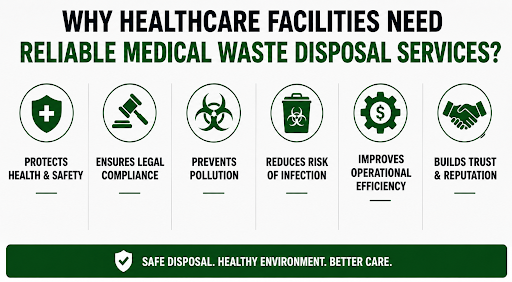
Why Healthcare Facilities Need Reliable Medical Waste Disposal Services?
Conclusion
Proper medical waste management is essential to keep hospitals safe and running smoothly. Working with an experienced company like Secure Waste helps healthcare facilities manage their medical waste safely, efficiently, and in full compliance with regulations.
Choose Secure Waste for dependable waste solutions that streamline operations, reduce risk, and ensure smooth healthcare facility management!
FAQ’s
What happens if infectious waste is mistakenly mixed with general waste?
If infectious waste mixes with general waste, it must be reclassified and treated as hazardous again, increasing processing cost and requiring re-sterilization or safe disposal.
Why is timing critical between waste generation and treatment?
Delays between waste generation and treatment increase microbial growth, odor, and leakage risk, making disposal harder and requiring stricter handling before safe processing.
How do facilities confirm that medical waste treatment is fully effective after processing?
Hospitals check waste treatment by using tests, temperature records, and safety checks to make sure all germs are destroyed and the process works properly.
What controls prevent unauthorized access to stored medical waste?
Access to stored medical waste is controlled through locked storage areas, restricted entry systems, CCTV monitoring, and authorized staff logs to prevent unauthorized handling or removal.
How are spill incidents during waste transport handled?
Spills during medical waste transport are controlled using emergency kits, protective gear, absorbent materials, and disinfectants, followed by safe cleanup, containment, and incident reporting.
Expert Medical Waste Management: With over 25 years of industry experience, Secure Waste is a trusted local leader in hazardous and biohazardous waste disposal across Maryland, Virginia, and Washington, D.C. Specializing in medical waste management, sharps needle disposal, and biohazard waste removal, the company ensures full compliance with federal, state, and local regulations while prioritizing environmental sustainability.
The company also offers additional services, including secure document shredding and sharps container sales, providing comprehensive solutions for healthcare facilities and businesses. Our cost-effective services help clients maintain regulatory compliance without unexpected costs.
With a commitment to customer satisfaction, Secure Waste offers tailored waste management plans that align with industry best practices. Their team of experts provides reliable, timely, and compliant services, making them the preferred choice for medical waste disposal. For a free waste quote or more information, visit www.securewaste.net