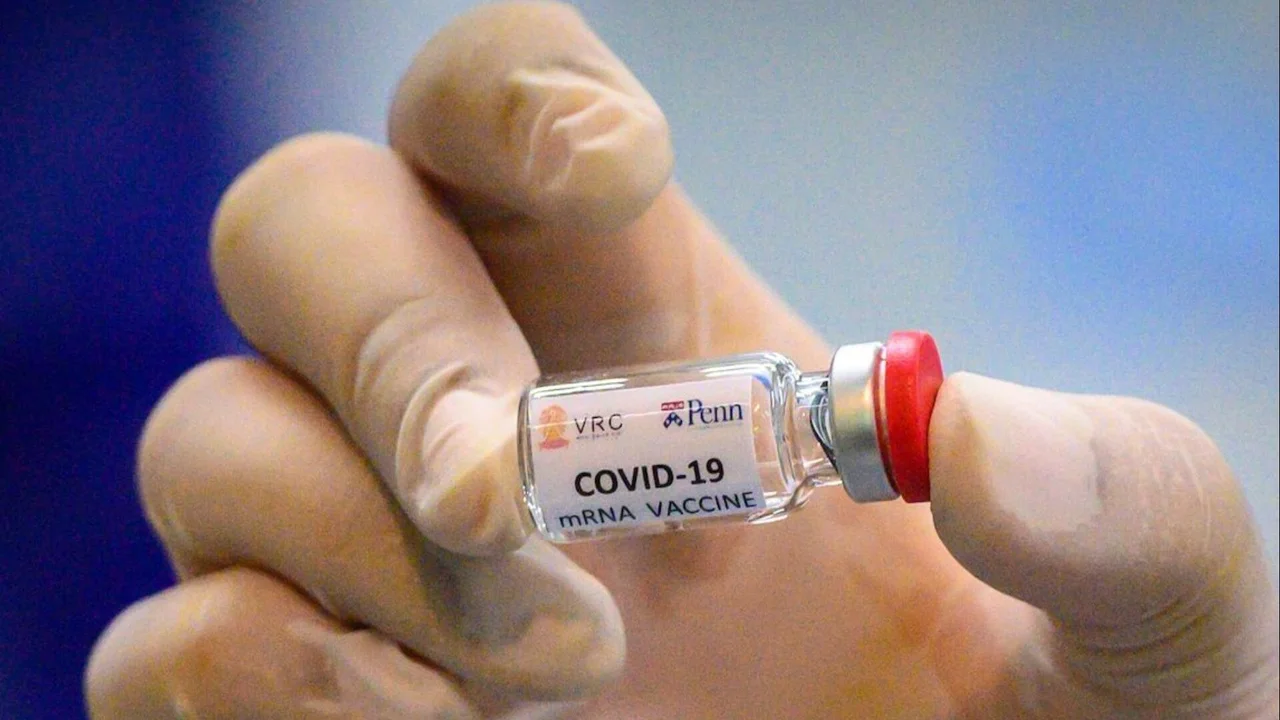
COVID-19 Biomedical Waste Management At Home. Secure Waste Provides Expert Solutions And Answers For Best Practices In 2025
Have you had to take care of a loved one at home yet with COVID-19?
I have, and almost everyone who works for us has had to assist someone with COVID-19 in the home care setting. Have you had to care for someone with COVID-19 while you had COVID-19? Yes, we did that also!
At Secure Waste, we provide biomedical COVID-19 waste management and disposal services. But we have been exposed to COVID-19 and have had it multiple times, probably. Even with vaccinations, we still got COVID.
Below are some of our Dos & Don’ts for managing COVID and additional resources for your review. Be safe. We are thinking of you; please get in touch with us with any questions.
Need Biomedical Waste Disposal “Click Here For More Information On Secure Waste Management”
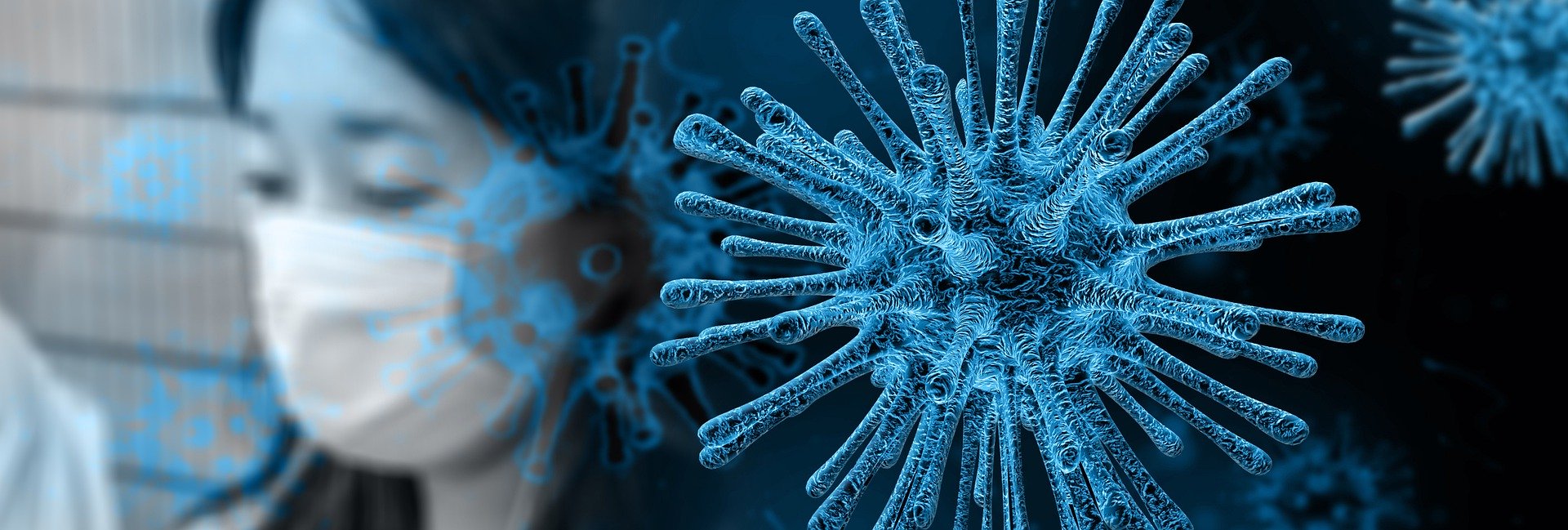
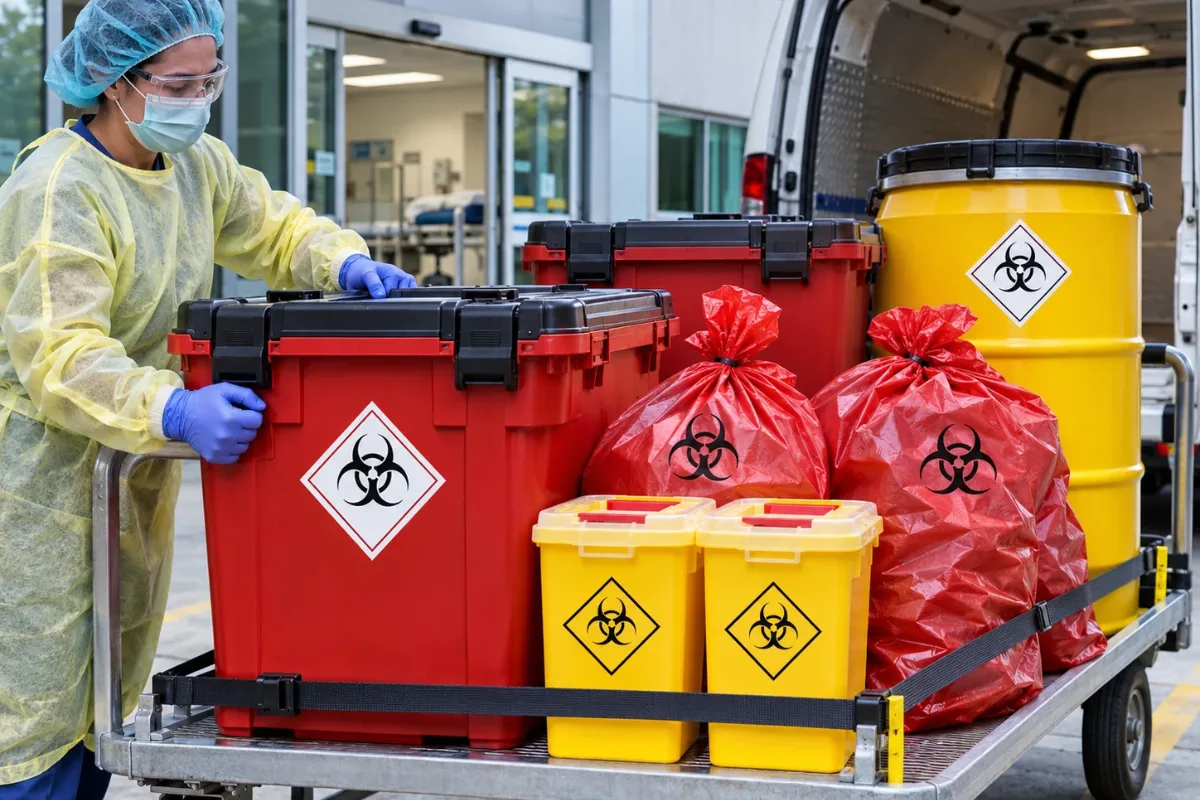
Caring for a loved one during these challenging times can be daunting, but we can make a difference together! Suppose you’re a caregiver of a COVID-19 patient receiving home care. In that case, managing biomedical waste properly is essential to ensure everyone’s safety. Remember, mixing general waste with biomedical waste is a big no-no! Biomedical waste includes used syringes, expired or discarded medications, masks, and gloves.
A More In-Depth Dive Into Caring For COVID-19 At Home “Click Here”
Suppose you care for suspected or confirmed (either asymptomatic or mildly symptomatic) COVID-19 patients; hand over the yellow bag to an authorized waste collector from ULB or a dedicated biomedical waste treatment facility. Masks used by suspected or confirmed patients must be exclusively placed in these yellow biohazard bags.
You can also drop off the yellow bags at designated collection centers if you like. For the safety of everyone, remember that COVID-19-positive or suspected individuals shouldn’t use fabric or homemade masks. Any general waste generated from home care, quarantine centers, or camps should be carefully given to the authorized waste collector as solid waste.
To ensure the safety of others, never leave used masks within reach. In homes under quarantine or monitoring, store used masks and gloves in a paper bag for at least 72 hours before handing them over to the local waste collector as general solid waste. Surgical masks and gloves are for single use only! After this storage period, safely cut them into pieces before disposal to help prevent any chance of reuse.
Biomedical waste should never be stored for longer than 48 hours in quarantine centers, camps, or home care settings. If you’re involved in operating these centers, reach out promptly to your Biomedical Waste operator for waste collection as it arises. The dedicated biomedical waste collectors assist you and cannot refuse to collect waste from these facilities. If any challenges arise, don’t hesitate to contact Secure Waste. Together, we can ensure a safe and healthy environment for everyone!
Expert Medical Waste Management: With over 25 years of industry experience, Secure Waste is a trusted local leader in hazardous and biohazardous waste disposal across Maryland, Virginia, and Washington, D.C. Specializing in medical waste management, sharps needle disposal, and biohazard waste removal, the company ensures full compliance with federal, state, and local regulations while prioritizing environmental sustainability.
The company also offers additional services, including secure document shredding and sharps container sales, providing comprehensive solutions for healthcare facilities and businesses. Our cost-effective services help clients maintain regulatory compliance without unexpected costs.
With a commitment to customer satisfaction, Secure Waste offers tailored waste management plans that align with industry best practices. Their team of experts provides reliable, timely, and compliant services, making them the preferred choice for medical waste disposal. For a free waste quote or more information, visit www.securewaste.net