Secure Waste provides a comprehensive overview of the distinctions between Category A infectious substances and regulated medical waste, highlighting the specific handling, packaging, and transport requirements that healthcare facilities must adhere to.
Category A infectious substances are defined as those capable of causing permanent disability or life-threatening disease in otherwise healthy individuals upon exposure.
Due to their high-risk nature, these substances require stringent protocols for handling and transportation. This includes using specialized leakproof, puncture-resistant containers, properly labeling materials with biohazard symbols, and training personnel in emergency response procedures in case of spills or exposure.
Regulated medical waste, on the other hand, consists of waste materials generated from medical activities that may pose a lesser degree of risk but still require careful management. This can include items contaminated with blood, sharps like needles, and other potentially infectious materials.
The handling of regulated medical waste typically involves segregating it from general waste, using color-coded bags or containers for safe storage, and following specific disposal guidelines to minimize environmental impact.
Understanding these differences is crucial for healthcare facilities to ensure compliance with relevant regulations and to protect both public health and the environment during the management of hazardous medical materials.
When it comes to public health and safety understanding infectious substances is crucial Category A infectious substances are those that pose a significant risk to humans and animals due to their potential to cause severe disease or even death These substances can easily spread through various means emphasizing the importance of proper handling and containment Recognizing and classifying these materials is vital for ensuring safety in healthcare environments laboratories and beyond By being informed about Category A substances we can better prepare and protect ourselves against serious health threats So lets dive deeper into what these substances are and the implications they have for our health and safety
Welcome to Secure Waste, the leading provider of healthcare waste management in the DMV area, specializing in the safe and efficient handling of medical, biohazard, sharps, and hazardous waste.
With over 30 years of experience in compliant waste management across Washington, D.C., Maryland, and Virginia, we have established ourselves as a trusted partner in the healthcare industry.
At Secure Waste, we understand the importance of proper waste disposal to protect both public health and the environment. Our comprehensive services are designed to meet the unique needs of healthcare facilities, ensuring that all waste is managed in accordance with local, state, and federal regulations.
Our commitment to excellence means that we provide tailored solutions for every type of medical waste, from routine disposal to specialized handling of potentially dangerous materials. We are here to assist you with all aspects of medical waste management, offering expert guidance and support every step of the way. Partner with us today to ensure a safe, compliant waste-disposal process for your facility.
Expert Guide on Handling Category A Infectious Substances in Healthcare
Healthcare facilities generate large volumes of medical waste every day. Proper identification and disposal of this waste are essential to protecting healthcare workers, patients, and the public. Among the different waste categories, Category A infectious substances are among the most dangerous and tightly regulated.
These materials can contain pathogens capable of causing severe disease, permanent disability, or death. Because of the risks involved, Category A infectious substances must be handled under stricter protocols than those for standard regulated medical waste.
Understanding the differences between Category A waste and regulated medical waste (RMW) is critical for maintaining safety and regulatory compliance.
What Is a Category A Infectious Substance?
A Category A infectious substance is defined under DOT regulation 49 CFR 173.134(a)(1)(i) as an infectious agent that can cause life-threatening or fatal disease in otherwise healthy humans or animals upon exposure.
These substances are considered extremely hazardous due to their potential to spread severe diseases.
Examples of pathogens classified as Category A include:
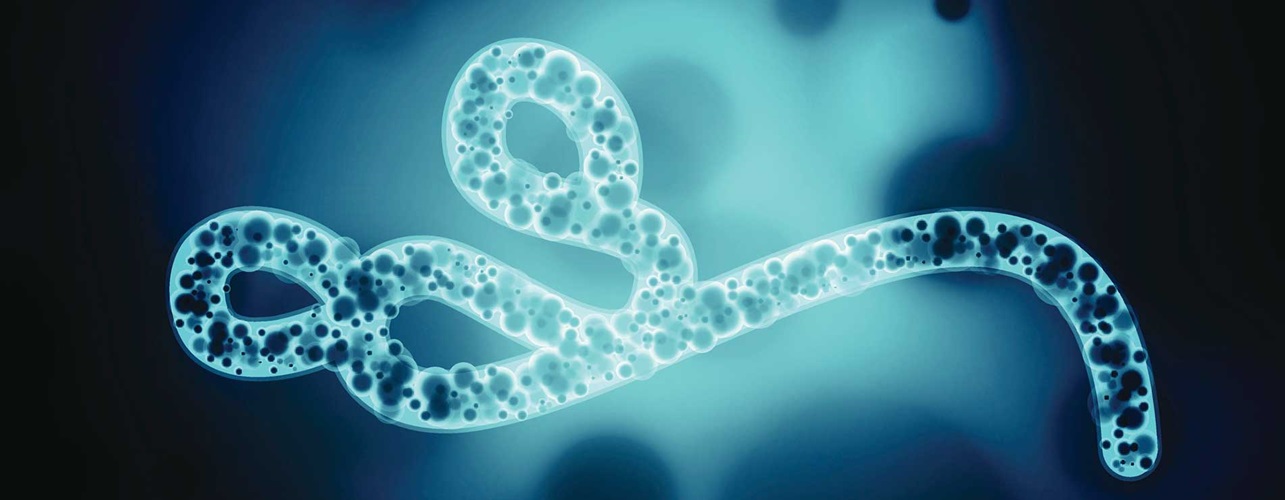
- Ebola virus
- Hemorrhagic fever viruses
- Variola virus (smallpox)
Category A waste may originate from laboratory cultures containing these pathogens or from medical treatment of patients infected with a Category A disease.
Guidance on identifying and handling these materials is available through the Pipeline and Hazardous Materials Safety Administration (PHMSA) planning guidance for Category A solid waste.
What Is Regulated Medical Waste (RMW)?
Regulated medical waste generally refers to materials that are known or reasonably expected to contain infectious pathogens generated during medical treatment, diagnosis, immunization, or biomedical research.
Although definitions vary across federal, state, and local regulations, RMW commonly includes items contaminated with blood or other potentially infectious materials (OPIM).
Typical examples include:
- Blood-soaked gauze or bandages
- Disposable gowns or drapes contaminated with bodily fluids
- Used needles, syringes, or scalpels
- Laboratory materials exposed to infectious agents
While RMW still requires proper handling and disposal, it typically involves lower-risk pathogens than Category A substances.
Key Differences Between Category A and RMW
The primary difference lies in the level of risk and regulatory requirements.
Category A substances involve pathogens capable of causing severe or fatal disease in healthy individuals. As a result, they are subject to much stricter handling, packaging, and transportation standards.
Regulated medical waste, while potentially infectious, generally involves pathogens with lower transmission risk and therefore follows less restrictive disposal protocols.
Misclassifying waste can create operational and regulatory problems. Over-classification increases disposal costs, while under-classification can expose workers and communities to dangerous pathogens.
Managing Category A Infectious Substances Safely
Handling Category A infectious waste requires careful planning and adherence to regulatory procedures throughout the entire waste lifecycle—from generation to final disposal.
Healthcare organizations should develop comprehensive waste management strategies that include clear procedures for identification, segregation, packaging, storage, transportation, and treatment.
Segregation of Category A Waste
Proper waste management begins with accurate identification and segregation at the point of generation.
Healthcare staff must immediately separate Category A waste from other waste streams. If Category A waste becomes mixed with other materials, the entire mixture must be treated as Category A waste.
Because Category A waste requires specialized handling, it often involves:
- Dedicated storage areas
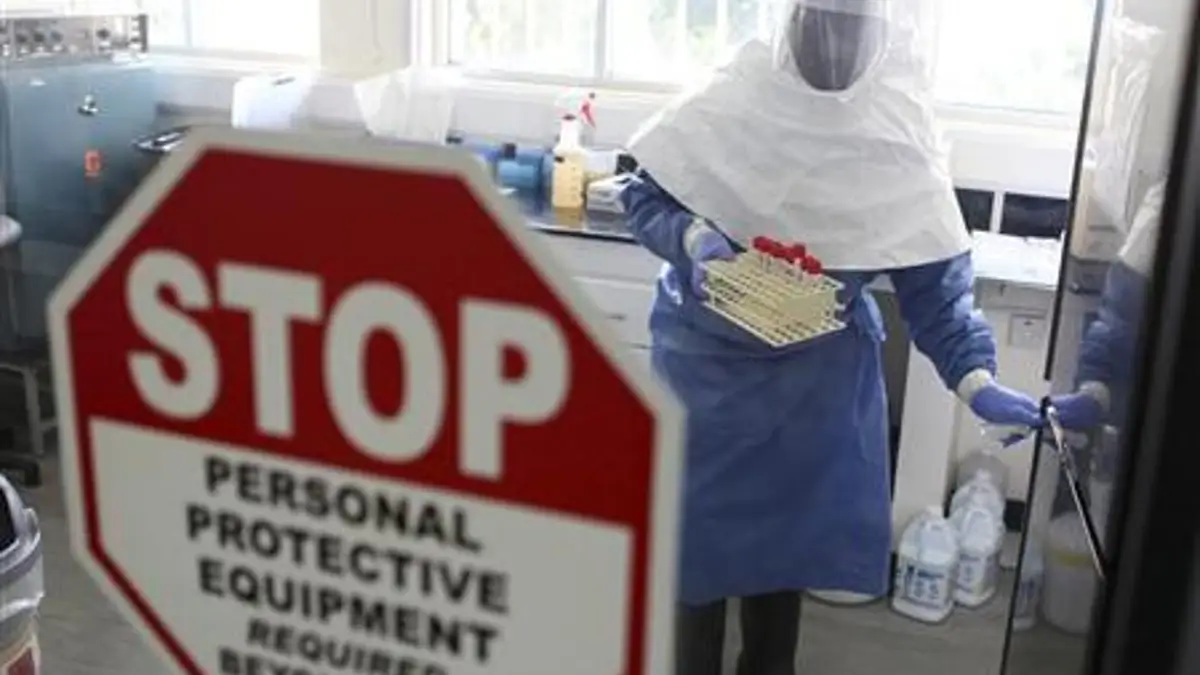
- Enhanced personal protective equipment (PPE)
- Specialized packaging materials
- Additional transportation permits
Accurate classification helps avoid unnecessary costs and ensures proper safety measures are applied.
Packaging Requirements
Category A waste must be packaged according to the Department of Transportation hazardous materials regulations.
Due to the hazard level, Category A packaging standards are stricter than those for regulated medical waste. Packaging must prevent leakage, exposure, and environmental contamination during transport.
Depending on the pathogen involved, packaging may also require compliance with special permits issued by the DOT.
Transportation Requirements
After packaging, Category A waste must be transported in accordance with the Hazardous Materials Regulations (HMR).
In many cases, a confirmed diagnosis of a Category A infection is required before the DOT will authorize transport under a special permit. Transportation procedures are significantly more stringent than those for standard infectious waste.
Facilities must ensure transport providers meet all regulatory requirements for handling hazardous infectious materials.
Why Proper Classification Matters
Managing Category A infectious substances improperly can lead to severe consequences, including:
- Worker exposure to dangerous pathogens
- Public health risks
- Regulatory violations
- Increased disposal costs
- Transportation delays
Establishing clear internal protocols helps healthcare facilities respond quickly and safely when high-risk infectious waste is generated.
Preparing for Infectious Disease Emergencies
Public health emergencies such as SARS, H1N1, Ebola, and COVID-19 demonstrate how quickly healthcare systems can face large volumes of infectious waste.
Hospitals and health systems must be prepared with scalable waste management strategies to handle these situations safely.
Organizations that plan with proper training, protocols, and partnerships can respond more effectively during outbreaks or pandemics.
In Conclusion:
Secure Waste will save you money on Regulated healthcare waste disposal. We understand these hazards.
Staying informed and proactive is vital as new disposal management challenges arise. Together, we can prioritize health and safety, increase awareness, and promote responsible actions to create a healthier future for all in Maryland, Virginia, and D.C.
We provide reliable, compliant, and environmentally friendly waste disposal solutions tailored to your facility’s specific needs.
Disclaimer: This information is provided for reference purposes only and should not be considered as legal advice, healthcare, or factual information at the time of your reading. Regulations frequently change and can vary from state to state. We encourage you to contact your local regulatory authorities or Secure Waste directly for the most current information. If you are having healthcare issues, contact your doctor immediately or call 911. Please note that Secure Waste is not liable, in part or in whole, for any information contained on this page or website.
Expert Medical Waste Management: With over 25 years of industry experience, Secure Waste is a trusted local leader in hazardous and biohazardous waste disposal across Maryland, Virginia, and Washington, D.C. Specializing in medical waste management, sharps needle disposal, and biohazard waste removal, the company ensures full compliance with federal, state, and local regulations while prioritizing environmental sustainability.
The company also offers additional services, including secure document shredding and sharps container sales, providing comprehensive solutions for healthcare facilities and businesses. Our cost-effective services help clients maintain regulatory compliance without unexpected costs.
With a commitment to customer satisfaction, Secure Waste offers tailored waste management plans that align with industry best practices. Their team of experts provides reliable, timely, and compliant services, making them the preferred choice for medical waste disposal. For a free waste quote or more information, visit www.securewaste.net