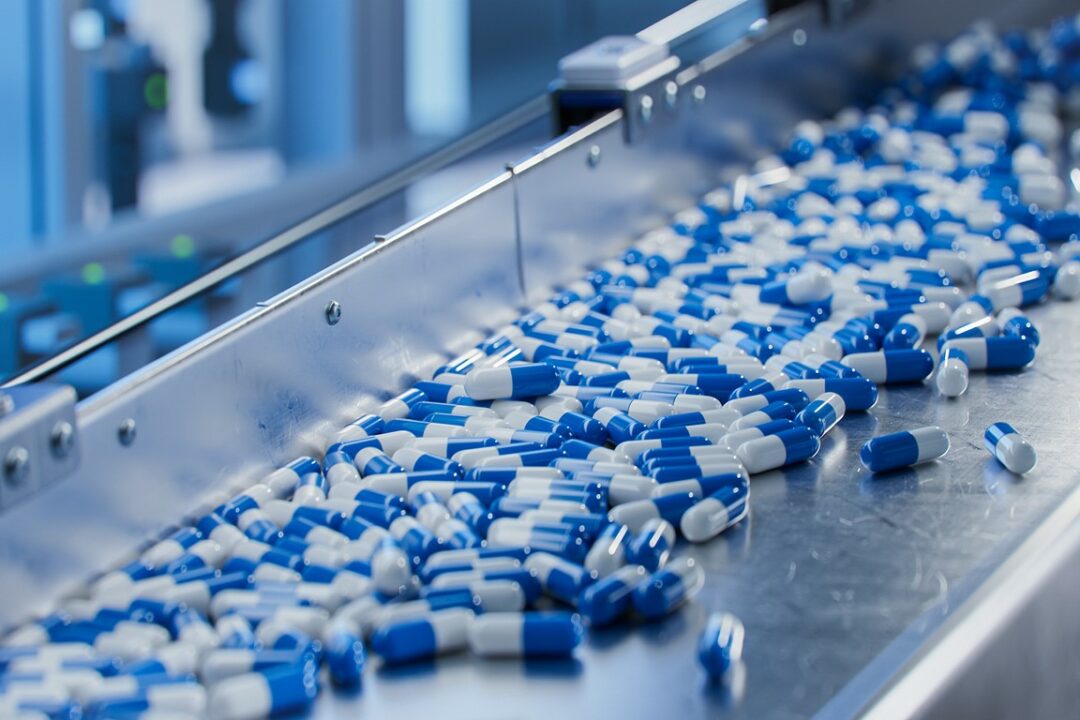
The United States generates an estimated 5-6 million tons (4.5-5.4 million metric tons) of healthcare waste annually, encompassing waste from hospitals, laboratories, research centers, and home healthcare. Much of this waste includes unused or expired medications, contaminated packaging, and partially used drugs that can no longer be administered. If not handled correctly, these materials can harm the environment, pose health risks, and lead to regulatory violations. That’s why proper disposal is essential for every facility that deals with pharmaceuticals.
As you begin to address this issue, several vital questions may come to mind: What is the correct way to dispose of pharmaceutical waste? What laws and regulations must you follow? And how can you find a reliable, approved recycling partner? Well, we are here to answer all your questions about pharmaceutical waste recycling. Scroll down to learn!
The Critical Reasons For Proper Pharmaceutical Waste Recycling
One primary reason for handling this waste correctly is to protect water systems. When expired or unused medicines are thrown in the trash or flushed down the drain, the chemicals can end up in rivers, lakes, or drinking water. Over time, this can harm aquatic life and affect water quality.
Another reason is workplace safety. Facilities that recycle pharmaceutical waste need to ensure staff are not exposed to hazardous substances during waste handling. Accidental contact with certain drugs can cause harmful side effects or even long-term health problems for workers.
There’s also a compliance aspect. Regulatory agencies set clear rules for storing, transporting, and disposing of pharmaceutical waste. Failing to follow these guidelines can result in heavy penalties or legal action against the facility.

It is crucial to address the various categories of pharmaceutical waste
Types Of Pharmaceutical Waste Found In Healthcare Settings
Here are the types of pharmaceutical waste commonly found in healthcare settings, each requiring specific handling and disposal procedures:
Expired pharmaceuticals
Medications have a shelf life; once that date passes, they may no longer be safe or effective. Hospitals, pharmacies, and clinics regularly dispose of expired pills, injections, and liquids to avoid using products that can harm patients or fail to treat conditions properly.
Unused or unwanted medications
These drugs were dispensed but never given to a patient, or were partially used and left over. They often accumulate when prescriptions change, dosages are adjusted, or treatment is discontinued.
Contaminated pharmaceutical waste
This includes drugs that have been exposed to moisture, dirt, bodily fluids, or improper storage conditions. For example, a broken pill packet or a liquid medication leaked onto a surface is considered contaminated.
Cytotoxic/Cytostatic waste
Medications used in cancer treatment fall into this group. These substances are toxic to cells, which makes them effective in therapy but dangerous if not handled with care. Any remaining drugs, used vials, or items like gloves or tubing that came into contact with them are collected in secure containers to avoid harm.
Controlled substances
These are medications regulated under laws due to their high potential for addiction or abuse, like morphine or fentanyl.
Hazardous pharmaceutical waste
Some drugs are classified as hazardous based on how they react in the environment or the body. They may be toxic, flammable, or corrosive. These include certain hormones, antineoplastics, or anesthetics.
Non-hazardous pharmaceutical waste
Medications that don’t meet the criteria for hazardous waste but still shouldn’t go into regular trash fall into this category. They may not pose an immediate danger, but need responsible handling to prevent long-term risks.
Sharps with pharmaceutical residue
Needles, syringes, or IV lines that contain leftover medicine are a twofold risk, both sharp injury and drug exposure. They are placed in puncture-resistant containers and labeled clearly to avoid accidents.
Veterinary pharmaceuticals
Animal hospitals and veterinary clinics also produce pharmaceutical waste. From pet antibiotics to large-animal sedatives, unused or expired veterinary drugs must be disposed of following medical guidelines similar to those for human medications.
Personal care products with pharmaceuticals
Medicated creams, therapeutic shampoos, hormone patches, and antiseptic mouthwashes often contain active pharmaceutical ingredients.
Safe And Approved Ways To Recycle Pharmaceutical Waste
Segregate Waste at the Point of Disposal
Proper recycling begins with correct separation. Staff should place different types of pharmaceutical waste—like hazardous drugs, sharps, and controlled substances—into clearly labeled, color-coded containers. For example, purple containers are often used for cytotoxic/cytostatic waste, yellow for infectious waste with sharps, blue for non-hazardous pharmaceutical waste, and black for hazardous pharmaceutical waste. Segregation reduces handling errors and ensures each type reaches the proper pharmaceutical waste recycling or destruction method.
Use a Reverse Distribution System for Unused Medications
This pharmaceutical waste disposal method allows healthcare facilities to send back unused, unopened, and unexpired medications to manufacturers or third-party companies for possible credit or proper disposal. It’s commonly used for overstock or discontinued drugs and helps reduce unnecessary waste.
Use High-Temperature Incineration for Hazardous Pharmaceuticals
Some pharmaceutical waste cannot be reused or chemically treated due to its dangerous properties. Incineration at regulated facilities ensures the complete breakdown of toxic compounds, preventing pollution and health hazards.
Install On-Site Waste Management Systems for Non-Hazardous Materials
Larger hospitals or pharmacies may use compact pharmaceutical waste recycling processors or mail-back programs for basic drug waste. These methods help manage lower-risk items efficiently without constant reliance on off-site vendors.
Recycle Packaging and Containers Separately
Bottles, blister packs, and medication cartons can sometimes be recycled through specialized programs. Before disposal, staff should remove personal health information from labels to protect patient privacy and separate the packaging from the pharmaceutical content.
Partner with Licensed Pharmaceutical Waste Vendors
Facilities should work only with authorized pharmaceutical waste management companies like us, which specialize in pharmaceutical waste recycling. We follow strict government regulations and ensure the safe transportation, treatment, and documentation of all waste materials.
Key Laws And Guidelines For Handling Pharmaceutical Waste
Resource Conservation and Recovery Act
Managed by the Environmental Protection Agency (EPA), this law (RCRA) sets the national rules for identifying and handling hazardous pharmaceutical waste. It outlines how such waste must be labeled, stored, transported, and destroyed.
Drug Enforcement Administration Regulations
The DEA governs the secure management of controlled substances, including expired or unused medications with abuse potential. These must be stored in locked areas and destroyed so they cannot be recovered or misused.
EPA Hazardous Waste Pharmaceuticals Rule
EPA rule enhances safety by banning the disposal of hazardous drugs down drains or toilets and clarifying how healthcare facilities should store or dispose of them without needing large-scale permits.
Occupational Safety and Health Administration Guidelines
OSHA protects workers by requiring safe handling practices, like using personal protective equipment (PPE), spill kits, and exposure control plans when dealing with hazardous pharmaceuticals.
World Health Organization (WHO) Guidelines
For facilities in low-resource areas, WHO provides practical methods like encapsulation and safe waste segregation. These serve as global examples of ensuring waste compliance even in challenging settings.
Joint Commission Standards
Hospitals and clinics must follow Joint Commission standards to stay accredited. They include written protocols, staff training, and regular audits for proper pharmaceutical waste handling.
Department of Transportation (DOT) Rules
The DOT controls how pharmaceutical waste is packaged, labeled, and transported off-site to prevent spills or illegal handling during shipment.
As regulations continue to evolve, integrating pharmaceutical waste recycling into compliance strategies is becoming an industry best practice.
How To Choose The Right Partner For Waste Management?
Here are essential factors to consider when choosing the right waste management partner for pharmaceutical waste recycling:
Licensing and Certifications
Always verify that the company holds valid permits to handle pharmaceutical waste, including hazardous and controlled substances. They should comply with all federal and state regulations.
Experience in Healthcare Waste
Choose a provider with a solid track record in managing pharmaceutical and medical waste. Their knowledge of facility-specific challenges helps prevent compliance issues.
Regulatory Knowledge
A good partner stays current with rules from the EPA, DEA, OSHA, and local health authorities. They should provide documentation and support during audits or inspections.
Secure Handling and Transport
To safeguard sensitive or hazardous materials, they must offer tamper-proof containers, GPS-tracked transport, and strict chain-of-custody procedures. This includes specialized solutions for sharps needle disposal or secure containment for expired medications, contaminated packaging, and other regulated materials. These precautions help prevent leaks, injuries, and environmental harm during collection and transit.
Customer Support and Training
When evaluating vendors, compare their services to the structure of a pharmacy waste disposal guide. Do they offer ongoing support, training, and clear instructions to help your team manage waste correctly?
Conclusion
If you’re looking for a partner who meets all these standards, Secure Waste is here to help. We make pharmaceutical waste management stress-free and straightforward with flexible schedules, comprehensive compliance assistance, and transparent, contract-free solutions. As a licensed, bonded, and insured provider with strong local expertise, we proudly serve facilities in need of pharmaceutical waste recycling and specialized sharps disposal in Virginia, Maryland, or Washington, D.C. Reach out to us at 877-633-7328 for a FREE Waste Assessment today!
FAQ’s
Can pharmaceutical waste be mixed with regular medical waste?
Pharmaceutical waste should not be mixed with regular medical waste. Mixing them can cause unsafe handling, wrong disposal, legal problems, and risks to people’s health and the environment.
What happens if pharmaceutical waste is stored for too long?
If pharmaceutical waste is stored too long, it can leak, become unsafe, increase contamination risks, attract pests, and create safety hazards, leading to possible rule violations and environmental damage.
How can facilities reduce the amount of pharmaceutical waste they generate?
Facilities can reduce pharmaceutical waste by managing inventory carefully, checking expiry dates regularly, ordering only what is needed, and using medicines efficiently to avoid leftovers or unused stock.
What should facilities do during a pharmaceutical waste spill?
Facilities should act quickly during a pharmaceutical waste spill by isolating the area, using protective equipment, containing the spill, cleaning it safely, and disposing of contaminated materials according to proper guidelines.
What training is required for staff handling pharmaceutical waste?
Staff handling pharmaceutical waste should be trained to identify waste types, follow safe handling practices, use protective equipment, manage spills, and understand proper storage and disposal procedures to ensure safety and compliance.
Expert Medical Waste Management: With over 25 years of industry experience, Secure Waste is a trusted local leader in hazardous and biohazardous waste disposal across Maryland, Virginia, and Washington, D.C. Specializing in medical waste management, sharps needle disposal, and biohazard waste removal, the company ensures full compliance with federal, state, and local regulations while prioritizing environmental sustainability.
The company also offers additional services, including secure document shredding and sharps container sales, providing comprehensive solutions for healthcare facilities and businesses. Our cost-effective services help clients maintain regulatory compliance without unexpected costs.
With a commitment to customer satisfaction, Secure Waste offers tailored waste management plans that align with industry best practices. Their team of experts provides reliable, timely, and compliant services, making them the preferred choice for medical waste disposal. For a free waste quote or more information, visit www.securewaste.net