Medical Waste Management: An In-Depth Overview With Secure Waste
Secure Waste, a local leader and pioneer in Medical Waste Management, is eager to share valuable insights with our regional partners.
As a trusted provider of medical waste management and disposal services across Maryland, Virginia, and Washington, D.C., we are committed to assisting our communities with this critical process that protects patients, healthcare staff, and the environment.
Medical waste management and safe disposal are not just a regulatory requirement; they’re a vital aspect of healthcare that ensures safety and compliance. Our team employs best practices in waste segregation, transportation, and treatment to minimize risks and promote public health.
We want to encourage you to delve deeper into this essential topic with us. If you require assistance or have any questions regarding medical waste management, please don’t hesitate to contact us at 877-633-738. Together, we can ensure a safer environment for all.
What Is Medical Waste Management?
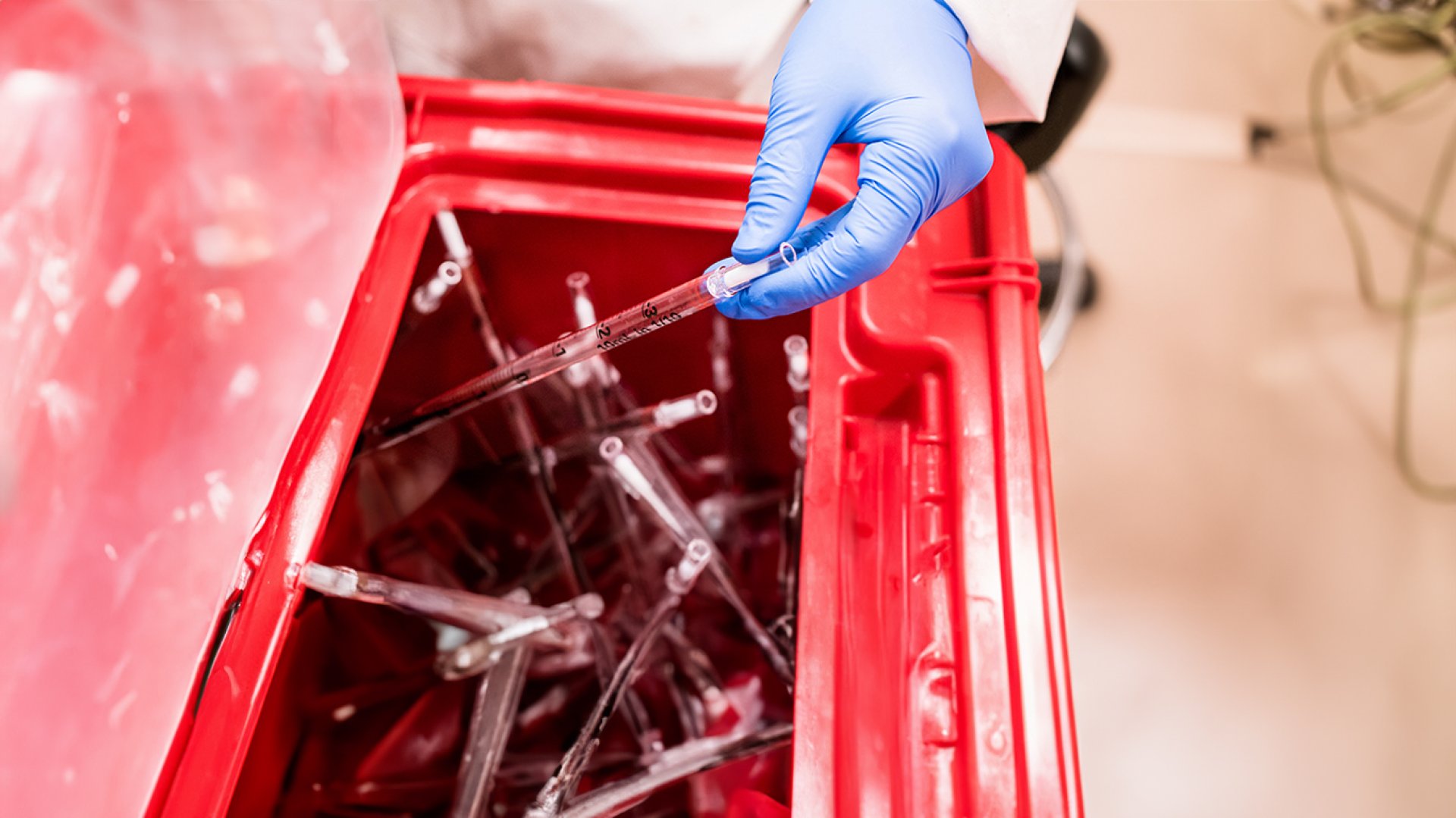
Medical waste management is an essential process involving the careful segregation, collection, treatment, and ultimate disposal of hazardous byproducts generated in healthcare settings.
This comprehensive process is critical for protecting the health of healthcare workers, the general public, and the environment. It necessitates strict compliance with various regulations specifically designed to address different categories of waste, including sharps, infectious materials, pathological waste, and pharmaceutical substances.
To ensure both safety and compliance, specialized containers and licensed haulers are utilized throughout this intricate process.
What Is Medical Waste And Medical Waste Management, as Defined By The Environmental Protection Agency (EPA) Secure Waste Shares?
Key Components of Medical Waste Management
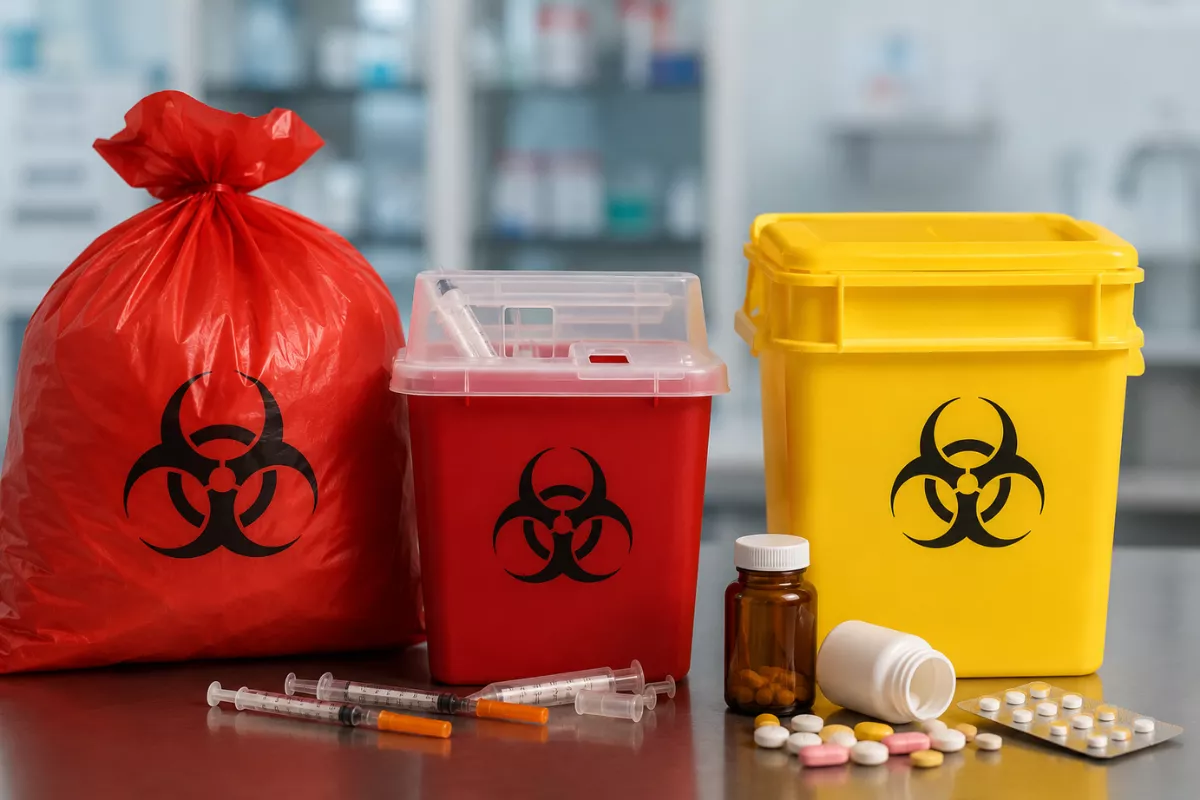
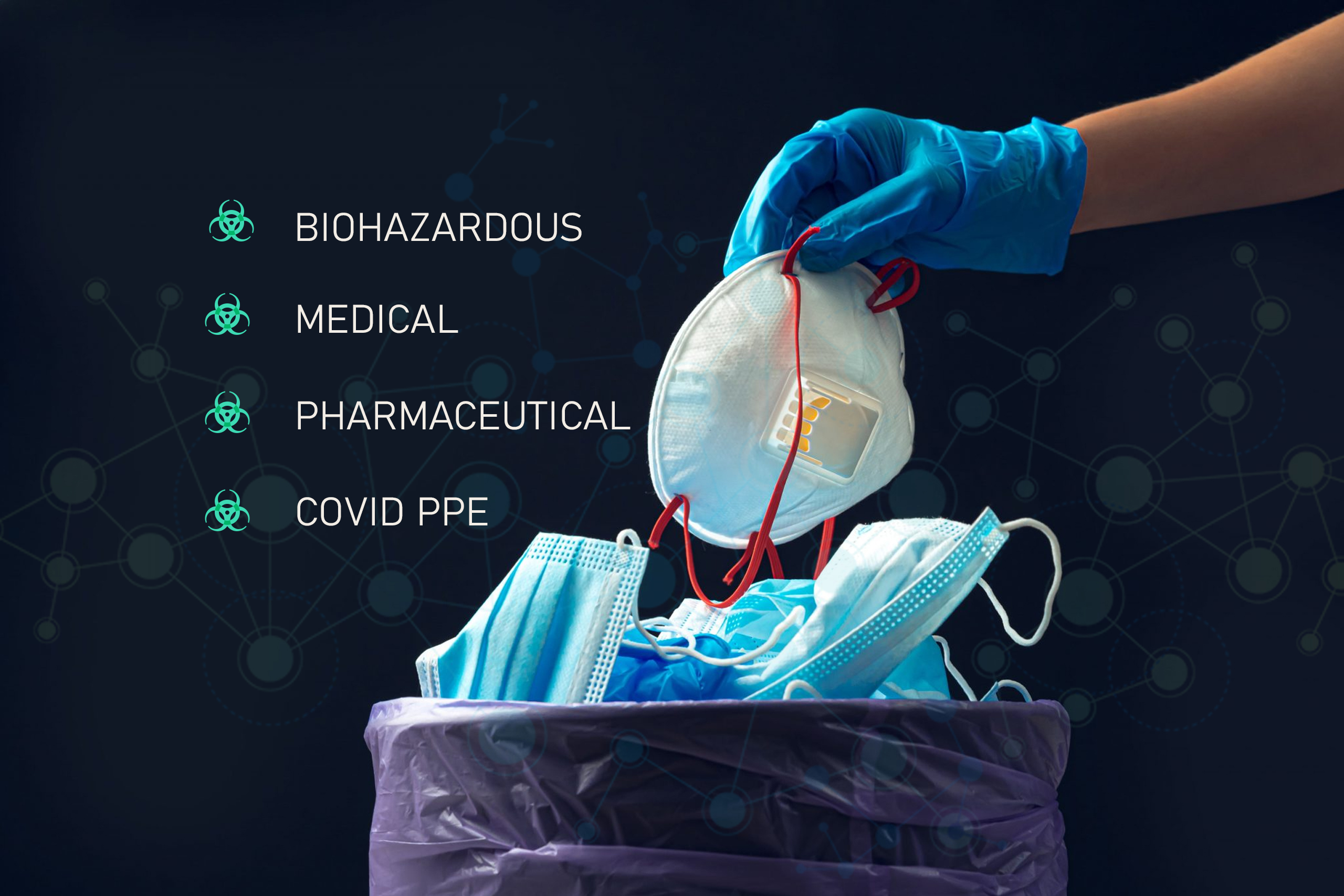
- Waste Segregation: Effective medical waste management commences with meticulous sorting at the point of origin. Healthcare facilities classify waste into distinct categories—infectious, sharps, pathological, pharmaceutical, and general waste—using color-coded bags (e.g., red for biohazard waste and yellow for pathological waste) and puncture-proof containers. This structured segregation not only enhances safety for all personnel but also streamlines the disposal process, making it more efficient and effective.
- Storage: Once segregated, medical waste must be securely stored in leak-proof containers specifically engineered for temporary holding. Each type of waste requires adherence to specific temperature and environmental standards, especially for highly sensitive materials like pathological waste, which must be refrigerated to prevent tissue degradation and ensure safety during subsequent handling.
- Collection & Transport: The transportation of medical waste mandates rigorous compliance with established regulatory protocols. Licensed haulers, often governed by state and federal guidelines, are responsible for this, and specific permits may be required to facilitate transportation, as Maryland’s regulatory framework demonstrates. This crucial step ensures that the waste is handled correctly and safely during its transition to treatment and disposal facilities.
- Treatment: The treatment phase serves to neutralize the hazardous characteristics of medical waste, making it non-infectious before disposal. Standard treatment methods include:
- Autoclaving: This technique utilizes high-pressure steam sterilization, primarily employed for biohazardous waste. By subjecting the waste to extreme temperatures and pressure, this method ensures comprehensive disinfection, rendering the waste safe for disposal.
- Incineration: This method involves the high-temperature combustion of specific waste types, such as pathological and chemotherapy waste, effectively converting them to ash. Incineration significantly reduces waste volume while eliminating potentially harmful pathogens.
- Chemical Disinfection: For liquid waste, chemical methods such as chlorine bleach solutions or hydrogen peroxide are applied to eradicate harmful pathogens and minimize environmental impact before disposal.
- Disposal: The final step in the medical waste management process involves the systematic disposal of treated waste, which may include disposal in landfills or incineration, depending on the type of waste. All disposal methods must adhere to federal, state, and local regulations to ensure safety, compliance, and environmental protection.
- Documentation: Diligent record-keeping is vital for compliance and accountability. Healthcare facilities are required to maintain comprehensive documentation of their waste management practices, including tracking the quantities, types, and treatment methods of waste generated. For example, Maryland mandates that facilities retain records for at least 3 years to ensure transparency and regulatory compliance.

Effective medical waste management is critical for promoting sustainability within healthcare systems. Secure waste handling practices not only mitigate environmental impacts but also protect public health. By implementing comprehensive strategies for the safe disposal, recycling, and treatment of medical waste, we can create a more sustainable future while addressing the complexities of healthcare facility waste.
Why It’s Critical For Medical Waste Management?
- Safety: Effective medical waste management is crucial for preventing infections from bloodborne pathogens, such as HIV and Hepatitis B/C, as well as injuries associated with sharps. This protection extends not only to healthcare workers but also to patients and the general community.
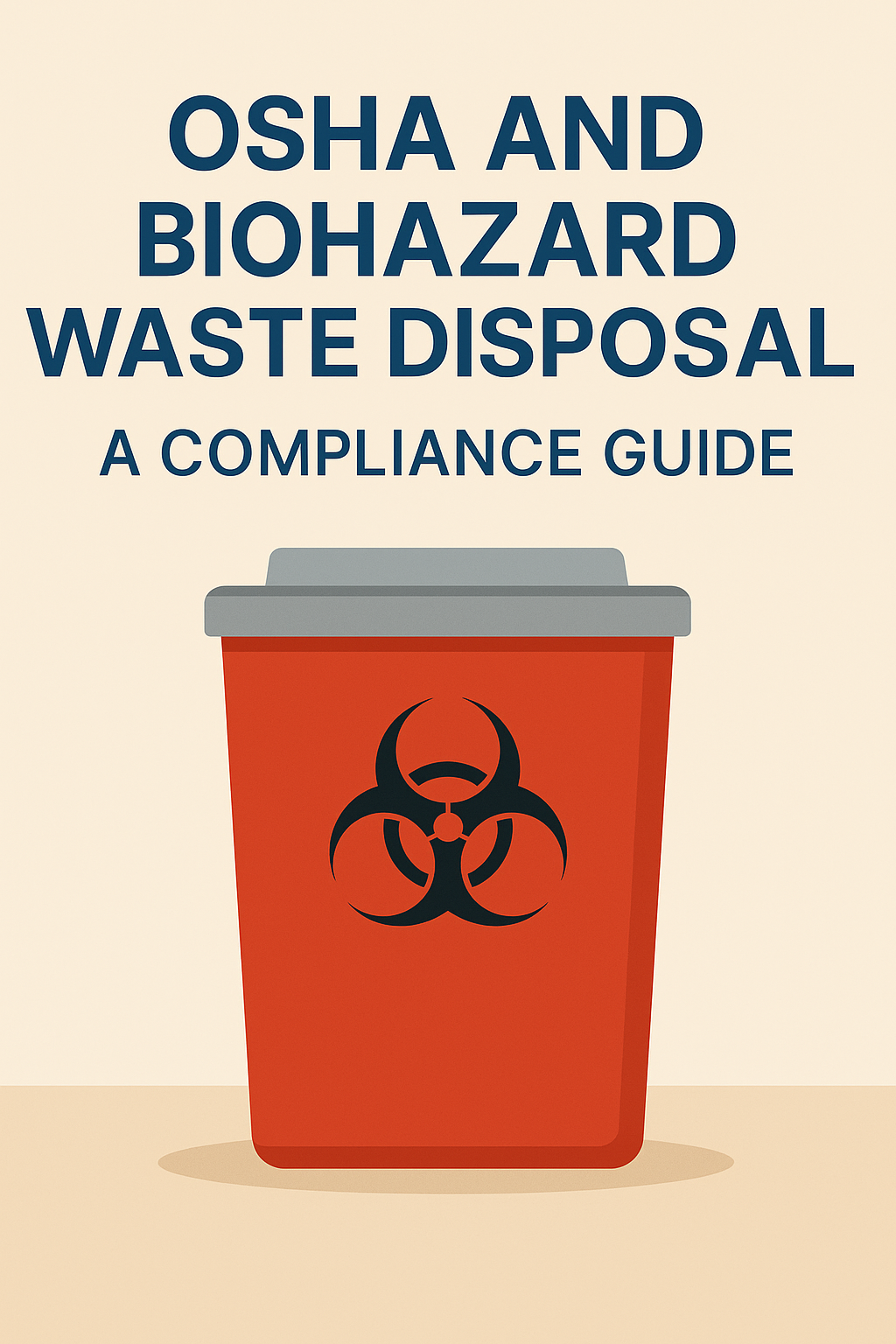
- Compliance: Adhering to the regulatory frameworks set forth by organizations such as the Occupational Safety and Health Administration (OSHA), the Environmental Protection Agency (EPA), and specific state regulations (including those in Maryland) is essential for legal operational standards and risk mitigation.
- Environmental Protection: Responsible management of hazardous materials significantly reduces the potential for environmental pollution, thereby contributing to broader efforts in sustainability and environmental stewardship.
Medical Waste Management Best Practices
To cultivate an effective medical waste management program, healthcare facilities should adopt the following best practices:
- Utilize designated containers: Employing color-coded bags (e.g., red for infectious waste and yellow for pathological) and puncture-proof containers for sharps ensures enhanced safety and regulatory compliance.
- Implement robust spill response plans to swiftly address potential accidents and mitigate risks associated with hazardous waste exposure.
- Collaborate with suppliers committed to sustainability by opting for eco-friendly products and services that promote environmental responsibility.
- Provide ongoing education and training for staff on proper waste management procedures to maintain compliance, enhance safety, and promote a culture of responsibility within the facility.
By adhering to these detailed strategies, healthcare facilities can ensure the responsible handling of medical waste, thereby protecting both human health and the environment in which they operate.
In Conclusion:
Secure Waste will save you money on medical waste management. We understand these hazards.
Staying informed and proactive is vital as new medical waste challenges arise. Together, we can prioritize health and safety, increase awareness, and promote responsible actions to create a healthier future for all!
We provide reliable, compliant, and environmentally friendly medical waste disposal solutions tailored to your facility’s specific needs.
**Disclaimer** This information is provided for reference purposes only and should not be considered as legal advice or factual information at the time of your reading. Regulations frequently change and can vary from state to state. We encourage you to contact your local regulatory authorities or Secure Waste directly for the most current information. Please note that Secure Waste is not liable, in part or in whole, for any information contained on this page or website.
Expert Medical Waste Management: With over 25 years of industry experience, Secure Waste is a trusted local leader in hazardous and biohazardous waste disposal across Maryland, Virginia, and Washington, D.C. Specializing in medical waste management, sharps needle disposal, and biohazard waste removal, the company ensures full compliance with federal, state, and local regulations while prioritizing environmental sustainability.
The company also offers additional services, including secure document shredding and sharps container sales, providing comprehensive solutions for healthcare facilities and businesses. Our cost-effective services help clients maintain regulatory compliance without unexpected costs.
With a commitment to customer satisfaction, Secure Waste offers tailored waste management plans that align with industry best practices. Their team of experts provides reliable, timely, and compliant services, making them the preferred choice for medical waste disposal. For a free waste quote or more information, visit www.securewaste.net