How To Safely Dispose Of Isopropyl Alcohol – Free Step By Step Guide Expert Solutions Provided From Secure Waste
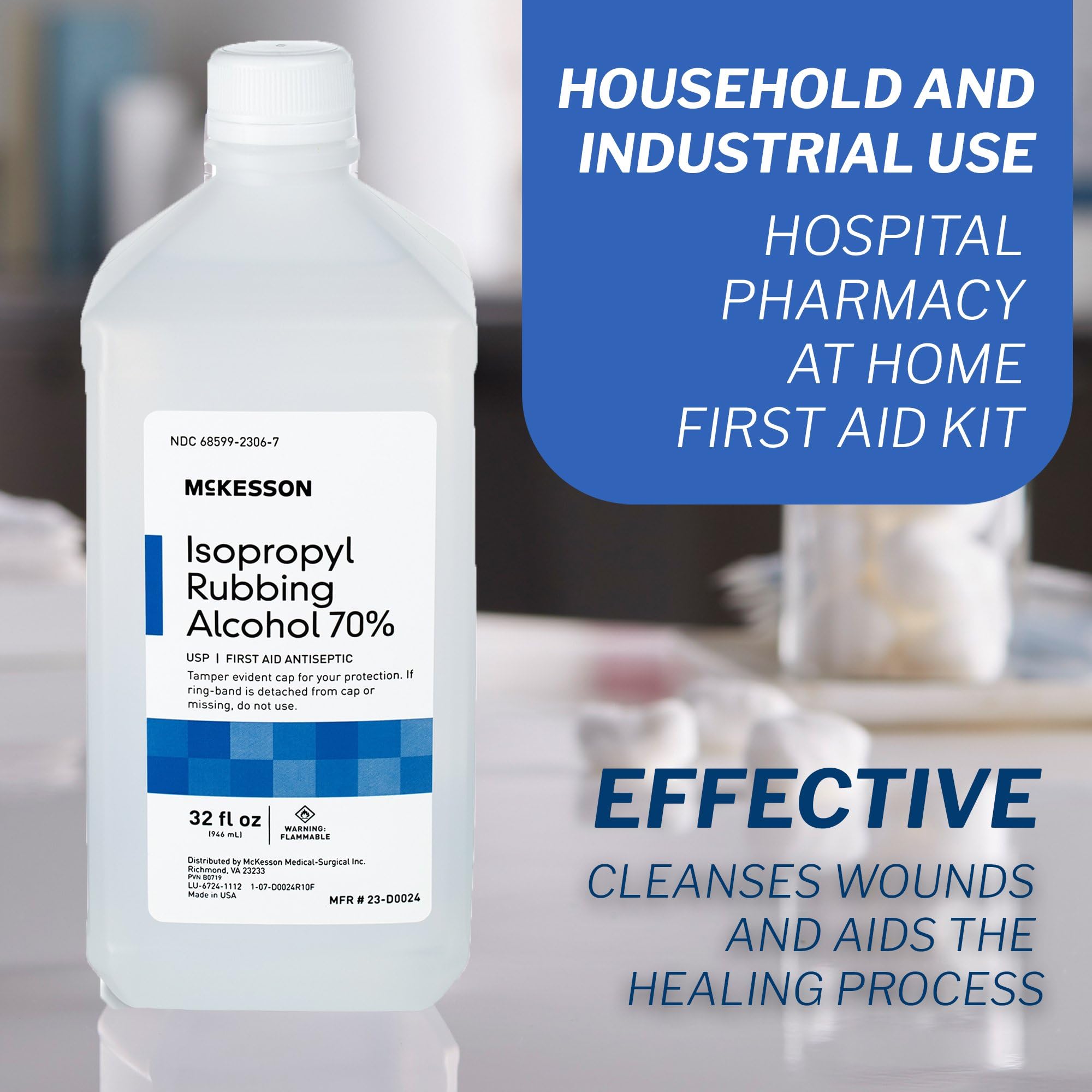
Secure Waste often receives inquiries about the proper use and management of isopropyl alcohol, a versatile disinfectant widely utilized for many years in hospitals and healthcare facilities, including surgery centers, laboratories, and outpatient clinics.
Isopropyl, also known as isopropanol or rubbing alcohol, is recognized for its effectiveness in killing bacteria, viruses, and fungi, making it an essential tool for maintaining hygiene and preventing infection in clinical environments.
To help you navigate the management of isopropyl, Secure Waste will provide a comprehensive guide that outlines best practices for its use, storage, and disposal.
We will detail the appropriate concentrations for various applications—typically 70% isopropyl alcohol for disinfecting surfaces and 99% for cleaning electronic devices. Additionally, we will discuss safety precautions, such as wearing gloves and ensuring proper ventilation while using isopropyl.
You’ll also find information on where isopropyl alcohol is commonly found, including pharmacies, medical supply stores, and online retailers, as well as guidelines for safely handling and disposing of any waste generated from its use.
Overall, this detailed guidance aims to ensure that you can utilize isopropyl effectively and safely in your practice. If you require assistance or are looking for a full-service Hazardous Waste Disposal Company in Maryland, Virginia, or Washington, D.C., contact Secure Waste today!
Is Isopropyl a hazardous waste? By definition, it’s complicated.
Yes, waste isopropyl alcohol (IPA) can be classified as hazardous waste by the Environmental Protection Agency (EPA), particularly as an ignitable waste under the designation D001 due to its relatively low flash point, which is typically around 12°C (53.6°F).
While IPA is not categorized as a “listed” hazardous waste in the EPA regulations, it is managed as a characteristic hazardous waste if it meets the criteria for ignitability. This means that if the concentration of IPA in the waste is significant enough to pose a fire hazard, proper disposal procedures must be followed.
For small quantities, individuals should consider using household hazardous waste drop-off sites, which are typically available in many communities.
These locations are designed to safely handle materials that can be harmful to public health or the environment. For larger quantities, particularly in industrial or commercial settings, it is essential to utilize licensed waste disposal facilities equipped to manage hazardous materials.
These facilities adhere to stringent regulations and practices to ensure the safe and compliant disposal of ignitable wastes, such as isopropyl alcohol.

Secure Waste Explains It’s Essential To Prioritize Safety And The Environment When Disposing Of Isopropyl
When it comes to disposing of isopropyl alcohol (IPA), it’s essential to prioritize safety and environmental responsibility due to its flammable and toxic nature.
Proper disposal helps prevent potential hazards to both public safety and the environment, especially when dealing with larger quantities or contaminated IPA.
For larger amounts or any IPA that is deemed contaminated, the most prudent approach is to take it to a local household hazardous waste (HHW) facility. These facilities are specially designed to handle hazardous materials and ensure they are disposed of in accordance with environmental regulations.
For small, uncontaminated amounts of IPA, follow these guidelines to ensure safe disposal:
– Check Local Regulations: Before proceeding, it’s crucial to familiarize yourself with the specific regulations set forth by your local waste management or water authority.
Some jurisdictions permit the disposal of small quantities of IPA (for instance, concentrations under 5%) down the drain, provided that it’s mixed with a sufficient flow of running water.
Local laws can vary significantly, so it is essential to confirm the rules in your area.
– Dilute Carefully: If your local regulations permit sink disposal, you should dilute the IPA carefully. Start by turning on the cold water to a strong flow, then slowly pour the IPA down the drain.
This method significantly reduces the concentration of IPA before it enters the sewage system, thereby minimizing its potential environmental impact.
For larger quantities or any contaminated IPA, consider the following options:
– Hazardous Waste Facility: This route is the safest and most recommended. Treat isopropyl alcohol similarly to how you would handle hazardous substances, such as paint thinner or motor oil. Many HHW facilities accept various types of hazardous waste and ensure they are disposed of in a way that minimizes environmental and health risks.
– Collection Events: Many municipalities organize periodic hazardous waste collection days. These events offer residents a convenient opportunity to safely dispose of hazardous materials, such as IPA, either free of charge or at a minimal fee.
Check your local government’s website or community boards for the schedule and specific locations of these events.
– Search Online: Utilize dedicated environmental resources such as Earth911.com, which can help you identify nearby drop-off locations that specialize in hazardous waste disposal.
Additionally, visiting your city or county’s waste management website can provide information about specific collection points and guidelines that must be followed.
– Containerize Properly: When preparing your IPA for disposal, ensure it is stored in a sealed, clearly labeled container—preferably the original packaging.
These measures enhance safety during transport and provide crucial information about the contents, which can be important for waste handlers.
By following these comprehensive guidelines, you can ensure that you handle isopropyl alcohol disposal responsibly, safeguarding both your health and the environment while adhering to local regulations.
In Conclusion:
Isopropyl Alcohol impacts our workplaces, environments, and health. Understanding these hazards is crucial for protecting ourselves and others.
By identifying risks, we can develop strategies to mitigate their effects, fostering safe environments through shared responsibility. Regular risk assessments and training can help manage potential biohazard threats.
Staying informed and proactive is vital as new biological challenges arise. Together, we can prioritize health and safety, increase awareness, and promote responsible actions to create a healthier future for all!
Now that you have a more comprehensive understanding of Biomedical waste disposal in relation to biological hazards, don’t hesitate to contact Secure Waste.
We provide reliable, compliant, and environmentally friendly medical waste disposal solutions tailored to your facility’s specific needs.
We have expertise in biomedical waste, hazardous waste, and Sharps container disposal. Additionally, we offer customized waste management plans, including secure collection and transportation, as well as sustainable disposal practices.
**Disclaimer** This information is provided for reference purposes only and should not be considered as legal advice or factual information at the time of your reading. Regulations frequently change and can vary from state to state. We encourage you to contact your local regulatory authorities or Secure Waste directly for the most current information. Please note that Secure Waste is not liable, in part or in whole, for any information contained on this page or website.
Expert Medical Waste Management: With over 25 years of industry experience, Secure Waste is a trusted local leader in hazardous and biohazardous waste disposal across Maryland, Virginia, and Washington, D.C. Specializing in medical waste management, sharps needle disposal, and biohazard waste removal, the company ensures full compliance with federal, state, and local regulations while prioritizing environmental sustainability.
The company also offers additional services, including secure document shredding and sharps container sales, providing comprehensive solutions for healthcare facilities and businesses. Our cost-effective services help clients maintain regulatory compliance without unexpected costs.
With a commitment to customer satisfaction, Secure Waste offers tailored waste management plans that align with industry best practices. Their team of experts provides reliable, timely, and compliant services, making them the preferred choice for medical waste disposal. For a free waste quote or more information, visit www.securewaste.net