
What Is Not Considered Medical Waste In The DMV
Secure Waste provides a thorough and detailed examination of non-medical waste in the DMV (District of Columbia, Maryland, and Virginia) area, often commonly referred to as general waste.
This category encompasses a wide range of materials that pose no risk of contamination from blood or infectious fluids. General waste typically includes a range of everyday items generated in residential and commercial environments and plays a significant role in waste management practices.
Welcome to Secure Waste, the premier local company in the DMV area specializing in the handling of both regulated and non-regulated medical waste.
With over 30 years of experience, Secure Waste has established a reputation for providing compliant, efficient medical waste disposal services throughout Washington, D.C., Maryland, and Virginia.
We cater to a wide range of practices, including but not limited to internal medicine, podiatry, dental offices, urgent care facilities, funeral homes, and tattoo parlors.
Our extensive expertise ensures that we meet the unique needs of each medical and service organization, guaranteeing the safe and responsible disposal of all types of medical waste.
Our service area in the DMV encompasses key regions, including Montgomery, Frederick, Baltimore, Prince George’s, and Howard Counties in Maryland. On the Virginia side of the District, we provide our services in Arlington, Alexandria, Loudoun, Fairfax, and surrounding areas.
At Secure Waste, we understand the importance of compliance and safety in medical waste management. Our team is committed to delivering exceptional service and ensuring compliance with all regulations.
If you would like more information about our disposal services or would like to discuss how we can help your practice, please get in touch with us today. We look forward to serving your medical waste disposal needs!
Understanding Non-Medical Waste In The DMV
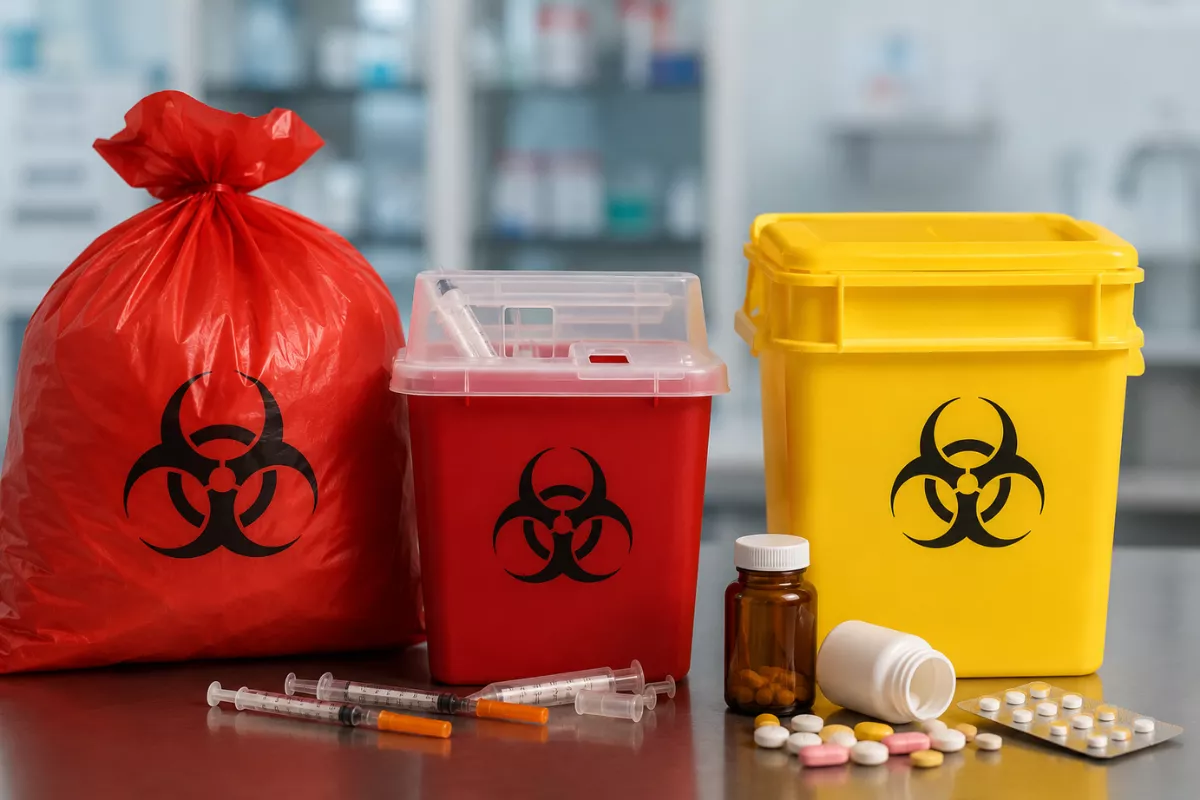
General waste encompasses various materials, such as food packaging, assorted paper products, office supplies, used diapers, and organic food scraps.
Each of these items is generated during routine activities and requires different disposal methods depending on its nature. Just to let you know, certain items, including non-soiled gloves, empty urine containers, and personal hygiene products, are classified as solid waste.
These items are not considered biohazardous medical waste, which allows them to be disposed of in conventional waste streams without heightened risk considerations.
Common Items Not Considered Medical Waste
- General Office and Food Waste: This category primarily includes an assortment of items that are often discarded in office or kitchen settings. Examples of these materials encompass paper products, promotional mail, food wrappers, single-use plastic cutlery, and empty food containers. These items are commonly produced during daily work and dining activities. Given their non-hazardous nature, they can be disposed of as general waste, thereby streamlining waste management across facilities.
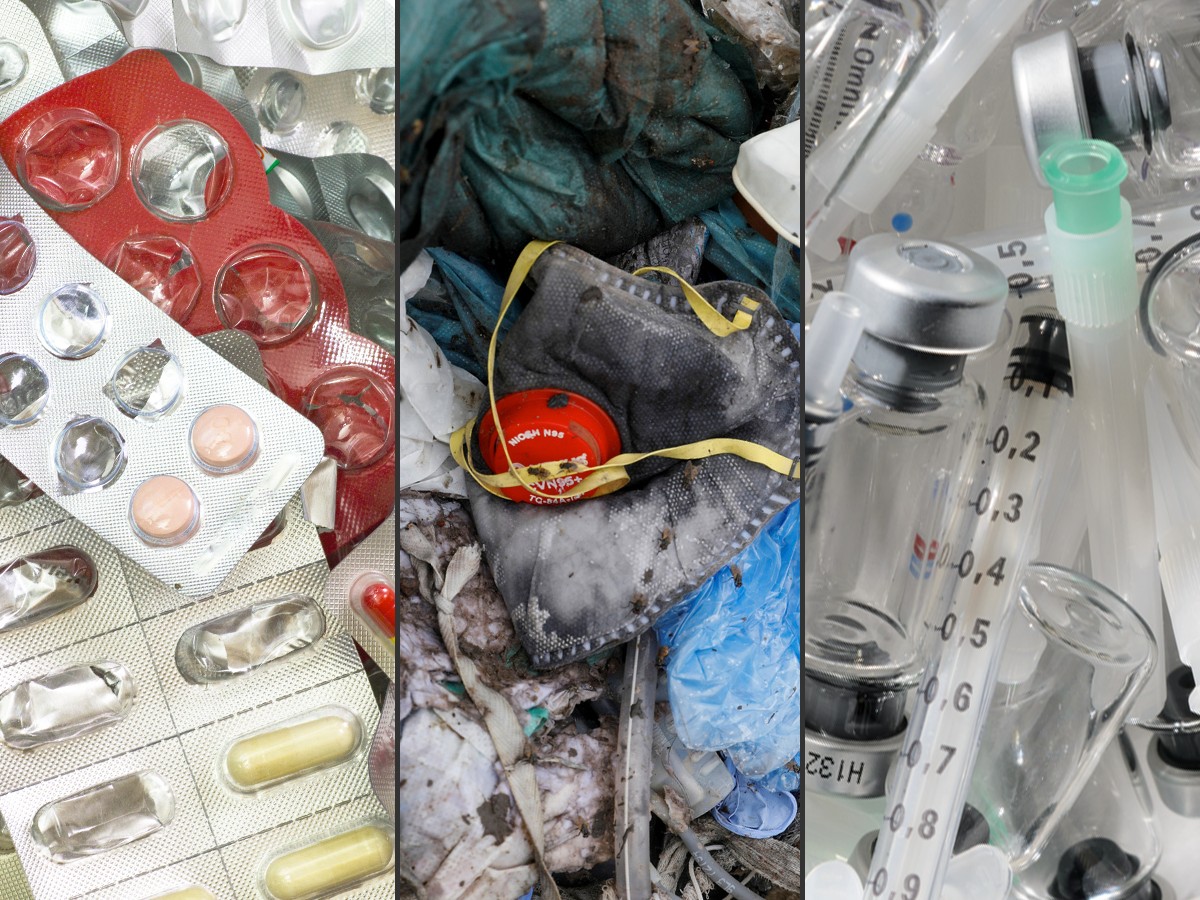
- Non-Soiled Personal Protective Equipment (PPE): Personal protective equipment, including gloves, gowns, and masks, is classified as safe for disposal in general waste, provided it has not come into contact with blood or infectious fluids. This guideline includes items that appear clean and show no signs of saturation with hazardous materials. Proper handling of these items prevents unnecessary waste in the medical waste stream.
- Body Fluids and Waste: This section pertains specifically to bodily fluids such as feces, urine, saliva, sweat, nasal discharge, and vomit. These materials are deemed non-hazardous as long as they are free of visible blood contamination. This critical distinction is particularly relevant in healthcare or personal settings, where disposal methods can differ significantly depending on the condition of the materials.
- Medical Items That Are Unused or Empty: A range of medical supplies that remain unused or have been thoroughly emptied are categorized as solid waste rather than medical waste. For example, sterile bandages, empty intravenous (IV) bags (as long as they do not contain needles), and emptied containers for urine or stool collection all fall into this category. By appropriately classifying these items, disposal becomes more manageable for healthcare facilities and households, promoting a safer waste management process.
- Other Disposables: This category encompasses a variety of additional items, such as broken glass, which necessitate careful handling. Broken glass should always be collected in a sturdy, rigid container clearly labeled “broken glass” to prevent injury during disposal. Diapers are generally classified as standard waste unless they are soiled with blood, in which case they become medical waste and require specific disposal procedures to mitigate health risks.
In addition to the above categories, it is important to note that waste generated in residential settings, such as used bandages or leftover medications, typically does not adhere to the same stringent regulations as medical waste produced in healthcare environments, including hospitals and clinics.
This distinction emphasizes the importance of adopting appropriate disposal practices to reduce potential health risks in waste management across varying contexts. By adhering to these guidelines, individuals and organizations can help build a more effective and safer waste management system in the DMV area.
In Conclusion:
Secure Waste will save you money on Regulated healthcare waste disposal. We understand these hazards.
Staying informed and proactive is vital as new disposal management challenges arise. Together, we can prioritize health and safety, increase awareness, and promote responsible actions to create a healthier future for all in Maryland, Virginia, and D.C.
We provide reliable, compliant, and environmentally friendly waste disposal solutions tailored to your facility’s specific needs.
Disclaimer: This information is provided for reference purposes only and should not be considered as legal advice or factual information at the time of your reading. Regulations frequently change and can vary from state to state. We encourage you to contact your local regulatory authorities or Secure Waste directly for the most current information. Please note that Secure Waste is not liable, in part or in whole, for any information contained on this page or website.
Expert Medical Waste Management: With over 25 years of industry experience, Secure Waste is a trusted local leader in hazardous and biohazardous waste disposal across Maryland, Virginia, and Washington, D.C. Specializing in medical waste management, sharps needle disposal, and biohazard waste removal, the company ensures full compliance with federal, state, and local regulations while prioritizing environmental sustainability.
The company also offers additional services, including secure document shredding and sharps container sales, providing comprehensive solutions for healthcare facilities and businesses. Our cost-effective services help clients maintain regulatory compliance without unexpected costs.
With a commitment to customer satisfaction, Secure Waste offers tailored waste management plans that align with industry best practices. Their team of experts provides reliable, timely, and compliant services, making them the preferred choice for medical waste disposal. For a free waste quote or more information, visit www.securewaste.net