
What Is An Environmental Protection Plan?
An Environmental Protection Plan (EPP) is an essential, detailed document that delineates specific measures, procedures, and strategies an organization or project will implement to safeguard the environment throughout the lifecycle of its operations.
The primary focus of an EPP is to minimize environmental damage, prevent pollution, and ensure compliance with federal, state, and local laws and regulations.
The plan addresses critical aspects of environmental management and stewardship, underscoring the importance of sustainability and outlining protocols for monitoring and maintaining air quality, ensuring water purity, preserving soil health, and safely handling hazardous materials across the various phases of construction or operational activities.
Welcome to Secure Waste, a leading hazardous waste management and disposal company serving Maryland, Washington D.C., and Virginia.
Our expertise lies in the safe and responsible handling of various types of dangerous waste, with a particular focus on healthcare waste management. This includes specialized services such as biohazard and sharps disposal.
With over 30 years of industry experience, Secure Waste has established itself as a trusted leader in the local DMV area, recognized for our commitment to environmental safety and compliance with all federal and state regulations.
Our team of trained professionals utilizes the latest technology and best practices to ensure that all hazardous materials are disposed of in a manner that protects public health and the environment.
Now, let’s delve deeper together to explore what an Environmental Protection Plan (EPP) entails and how it plays a crucial role in waste management and environmental stewardship.
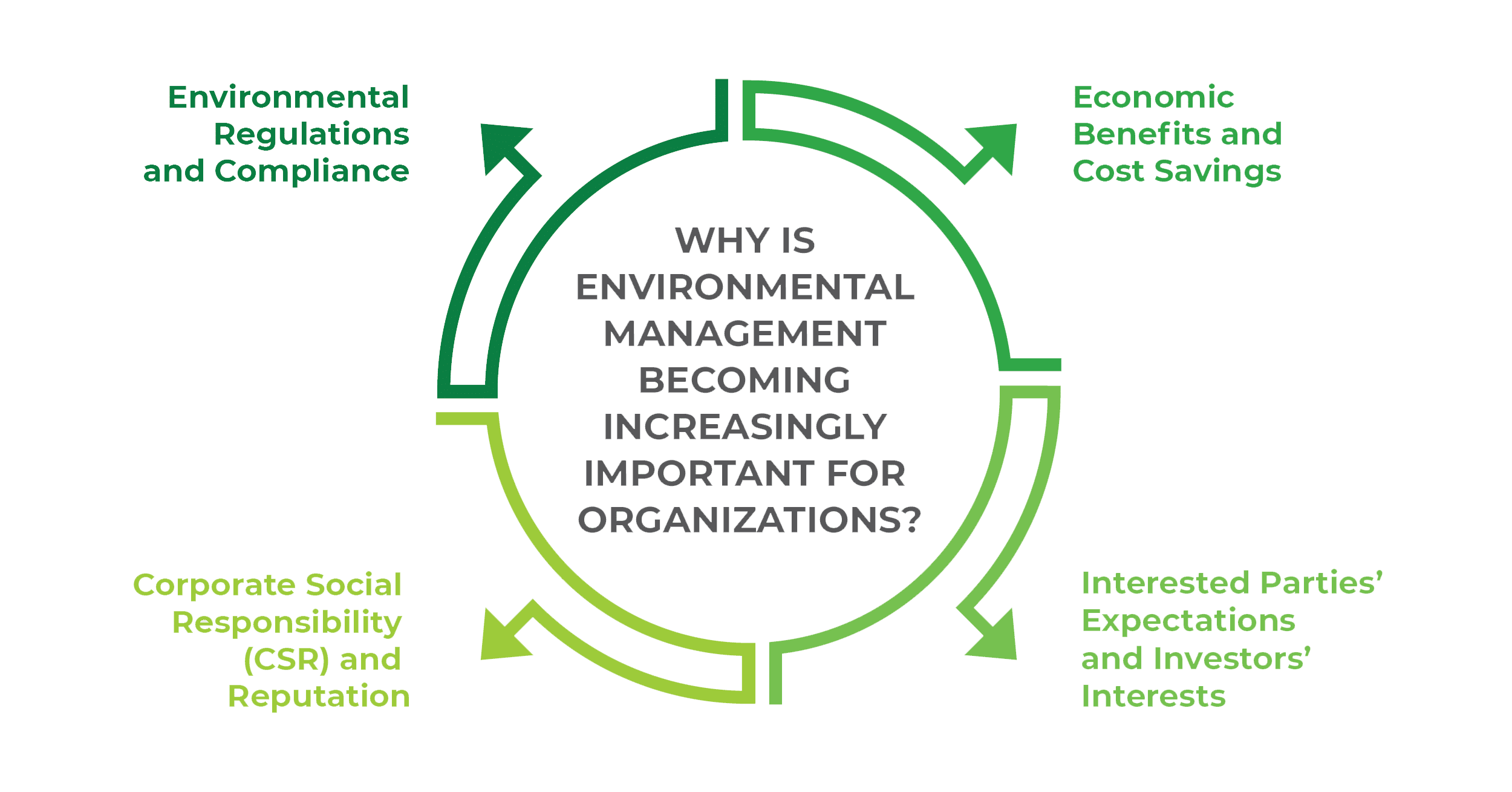
Key Aspects of an Environmental Protection Plan:
- Goal: The overarching aim of an EPP is to proactively prevent, control, and mitigate environmental impacts associated with project activities. This involves addressing habitat disruption through thoughtful land use practices, implementing strategies to reduce pollution—such as using eco-friendly materials and technologies—and preventing the degradation of vital natural resources. The plan emphasizes responsible resource management, ensuring that natural ecosystems are upheld and that biodiversity is maintained.
- Compliance: The EPP serves as a foundational element to guarantee all operational activities align with applicable federal, state, and local environmental laws and regulations. By ensuring adherence to these legal frameworks, the plan promotes a culture of legal and ethical responsibility within the organization. This adherence helps organizations avoid potential fines and legal challenges, fostering accountability for their environmental footprint.
- Content: A robust EPP meticulously outlines targeted strategies for managing waste, such as implementing recycling initiatives, waste reduction practices, and proper disposal methods in accordance with regulatory standards. It also emphasizes controlling soil erosion through the installation of silt fences, establishing natural vegetation buffers, and employing other erosion control measures. Furthermore, the plan aims to prevent hazardous spills by using secondary containment systems, along with protective measures for vital natural resources, including wetlands, riparian zones, and habitats for endangered species. This balanced approach ensures the integration of development projects with ongoing conservation efforts, protecting environmental integrity.
- Application: EPPs are widely employed across various settings, including construction projects, industrial operations, environmental remediation initiatives, and community development efforts. They play a crucial role in safeguarding land, water, and air quality by providing a clear framework for responsible environmental management across all phases of a project—from initial planning and design through construction to post-construction activities. The adoption of an EPP can also facilitate stakeholder engagement by promoting transparency and collaboration with community members and environmental organizations.
- Components: A well-structured EPP typically incorporates a comprehensive risk assessment that identifies potential environmental hazards and impacts associated with the project. It includes clearly defined protection goals tailored to specific project characteristics, as well as proactive mitigation measures that specify actions to address anticipated impacts. Additionally, robust monitoring systems are crucial for tracking compliance with both internal standards and external environmental regulations. These systems evaluate the effectiveness of the implemented strategies and are often supplemented by periodic audits, ensuring continuous improvement in environmental performance.
By systematically identifying and addressing environmental concerns during the initial planning stages of a project, an EPP enables the implementation of actionable steps designed to minimize negative impacts while promoting a sustainable approach to development. This respect for environmental integrity not only enhances organizations’ reputations but also reduces liabilities and contributes to the well-being of both communities and ecosystems. By committing to environmental protection through an EPP, organizations can position themselves as leaders in sustainability and responsible stewardship.
In Conclusion:
Secure Waste will save you money on biomedical waste disposal. We understand these hazards.
Staying informed and proactive is vital as new biological challenges arise. Together, we can prioritize health and safety, increase awareness, and promote responsible actions to create a healthier future for all!
We provide reliable, compliant, and environmentally friendly biomedical waste disposal solutions tailored to your facility’s specific needs.
Disclaimer: This information is provided for reference purposes only and should not be considered as legal advice or factual information at the time of your reading. Regulations frequently change and can vary from state to state. We encourage you to contact your local regulatory authorities or Secure Waste directly for the most current information. Please note that Secure Waste is not liable, in part or in whole, for any information contained on this page or website.
Expert Medical Waste Management: With over 25 years of industry experience, Secure Waste is a trusted local leader in hazardous and biohazardous waste disposal across Maryland, Virginia, and Washington, D.C. Specializing in medical waste management, sharps needle disposal, and biohazard waste removal, the company ensures full compliance with federal, state, and local regulations while prioritizing environmental sustainability.
The company also offers additional services, including secure document shredding and sharps container sales, providing comprehensive solutions for healthcare facilities and businesses. Our cost-effective services help clients maintain regulatory compliance without unexpected costs.
With a commitment to customer satisfaction, Secure Waste offers tailored waste management plans that align with industry best practices. Their team of experts provides reliable, timely, and compliant services, making them the preferred choice for medical waste disposal. For a free waste quote or more information, visit www.securewaste.net