USP 800 Compliance Guide For Healthcare Providers
Secure Waste is well-versed in the requirements of USP 800, which govern the handling of hazardous drugs in healthcare environments.
We provide in-depth insights into the compliance responsibilities that healthcare facilities must meet to ensure the safety of their staff and patients. Our resources cover essential safety procedures to mitigate risks associated with hazardous drug exposure.
Additionally, we offer comprehensive training standards designed to equip healthcare personnel with the knowledge and skills necessary for safe drug handling.
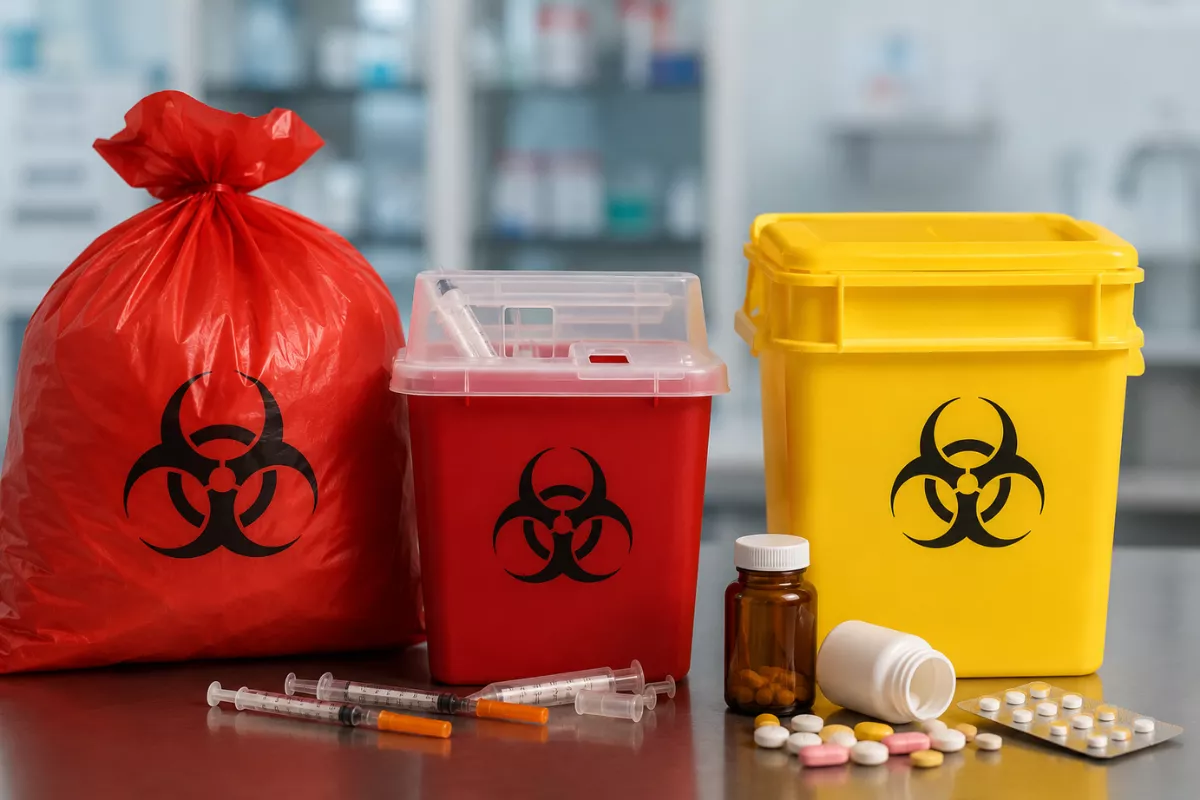
Our focus also extends to the proper management of pharmaceutical waste, ensuring that all hazardous materials are disposed of in accordance with regulatory guidelines.
By partnering with Secure Waste, healthcare organizations can enhance their safety protocols and maintain compliance with industry standards regarding hazardous drug management.
USP 800 Compliance for Pharmacists and Healthcare Professionals
Why USP 800 Matters in Healthcare Settings
Healthcare professionals regularly handle medications that pose serious risks to human health when exposure is not properly controlled. These risks extend beyond pharmacists to nurses, physicians, technicians, environmental services staff, and others who may encounter hazardous drugs during routine operations.
To address these risks, the United States Pharmacopeia established General Chapter 800. This chapter defines standards for the safe handling of hazardous drugs in healthcare environments. Its purpose is to protect patients, staff, and the care environment from unnecessary exposure while promoting consistent safety practices.
Understanding USP 800 is essential for healthcare organizations that store, compound, transport, administer, or dispose of hazardous medications.
Understanding the United States Pharmacopeia
The United States Pharmacopeia is a scientific nonprofit organization that develops public standards for medicines, healthcare quality, and patient safety. Expert committees guide its work, made up of independent professionals from across the healthcare industry.
These committees establish best practice standards that support medication safety, quality assurance, and risk reduction. While USP itself does not enforce regulations, many of its standards are adopted or referenced by regulatory agencies and accrediting bodies.
What Is USP 800
USP 800 focuses specifically on hazardous drug handling in healthcare settings. It is designed to work alongside other USP chapters that address pharmaceutical compounding and preparation.
Related chapters include standards for nonsterile and sterile preparations, as well as radiopharmaceutical handling. Together, these chapters provide a coordinated framework for managing medication safety across different care environments.
USP 800 became officially effective in December 2019 and significantly expanded expectations for hazardous drug safety.
Defining Hazardous Drugs
A drug is considered hazardous when it exhibits one or more characteristics that pose a risk to humans or animals. These characteristics may include cancer-causing potential, reproductive toxicity, organ toxicity at low doses, genetic damage, or developmental harm.
The National Institute for Occupational Safety and Health maintains a list of hazardous drugs based on scientific evidence. Healthcare organizations rely on this guidance to determine which medications are subject to USP 800 requirements.
Hazardous drugs are not limited to chemotherapy agents. Many medications used in routine care settings may meet the criteria and require special handling precautions.
Who Must Follow USP 800
USP 800 applies to a broad range of healthcare workers. This includes pharmacists and pharmacy technicians, as well as nurses, physicians, surgeons, physician assistants, respiratory therapists, and home health providers.
Support staff is also affected. Environmental services personnel, housekeeping staff, laboratory workers, veterinary professionals, and shipping and receiving teams may all encounter hazardous drugs during their duties.
Any individual who may come into contact with hazardous medications is responsible for understanding the risks and following appropriate safety practices.
Core Responsibilities Under USP 800
USP 800 establishes clear expectations for facilities that handle hazardous drugs. Personnel must understand safe handling principles and actively evaluate procedures to prevent exposure, contamination, and harm.
Healthcare organizations are expected to assign accountability. Facilities with hazardous drugs in their formulary must designate a qualified individual to oversee hazardous drug management. This role often includes responsibility for compliance oversight, staff education, and process evaluation.
One key responsibility involves routine environmental monitoring. Surface wipe sampling is required on a scheduled basis to detect hazardous drug residue and assess contamination risk.
Facility Design and Engineering Controls
USP 800 places significant emphasis on facility design and engineering controls. Hazardous drugs must be unpacked in areas that prevent contamination and protect staff. These areas must operate under appropriate pressure conditions relative to surrounding spaces.
Sterile compounding areas and positive pressure spaces are not suitable for unpacking hazardous medications. Proper airflow and containment are essential for preventing exposure.
Engineering controls must be maintained, monitored, and documented to ensure ongoing effectiveness.
Personal Protective Equipment Requirements
Personal protective equipment is a critical component of hazardous drug safety. USP 800 specifies requirements based on activity and exposure risk.
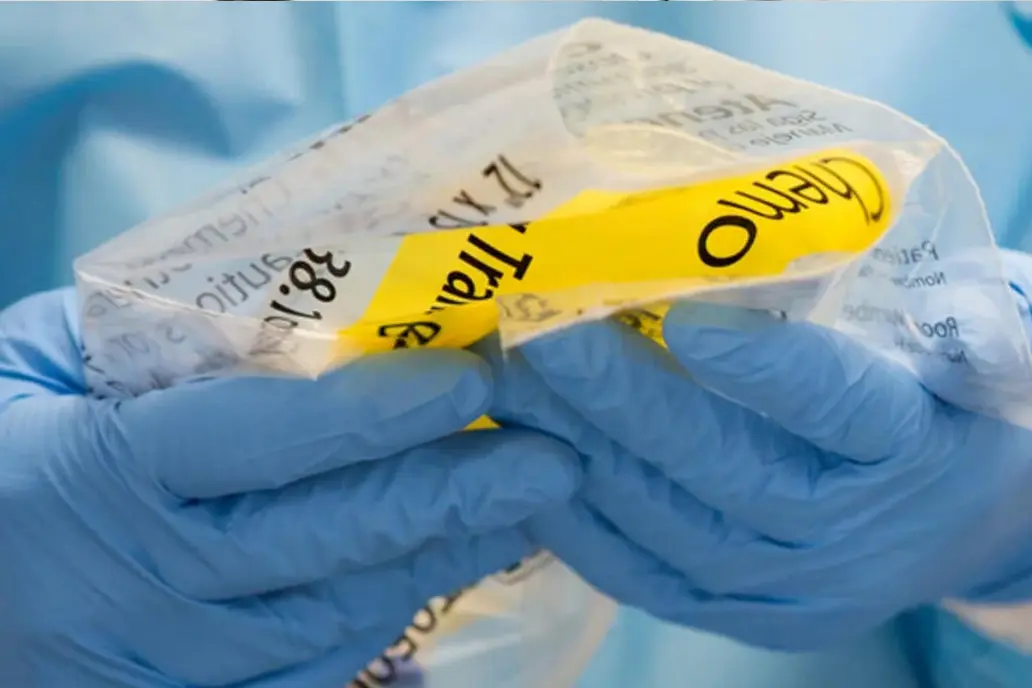
For compounding and administering injectable hazardous drugs, multiple layers of chemotherapy-rated gloves are required. Protective gowns designed to resist drug permeability must also be used during high-risk activities.
Facilities must establish clear procedures that define appropriate protective equipment for each task, including receiving, transporting, administering, cleaning, spill response, and disposal.
Developing and Maintaining Standard Operating Procedures
Written standard operating procedures are a foundation of USP 800 compliance. These procedures must address every stage of hazardous drug handling throughout the facility.
Required elements include hazard communication, occupational safety planning, designated areas for drug receipt and storage, use of engineering controls, hand hygiene practices, protective equipment protocols, decontamination procedures, environmental monitoring, spill management, waste disposal, and medical surveillance.
Procedures must be reviewed at least once every twelve months. So that you know, updates must be documented and communicated to all affected personnel.
Training and Documentation Expectations
USP 800 reinforces the importance of training documentation. Personnel who transport, compound, administer, or dispose of hazardous drugs must receive training that aligns with occupational safety standards.
Training records must demonstrate competency and ongoing education. These records are critical during inspections and audits.
Healthcare organizations must also remain aware of additional requirements enforced by regulatory agencies, accrediting bodies, and state pharmacy boards.
Supporting USP 800 Compliance Through Professional Partnerships
Managing hazardous drug safety internally can be complex and resource-intensive. Regulatory expectations continue to evolve, and facilities must balance compliance with operational demands.
Healthcare organizations across the United States partner with Secure Waste to support compliant pharmaceutical waste handling and disposal.
Secure Waste helps healthcare facilities manage hazardous drug waste streams safely and responsibly. Their services support regulatory compliance while reducing exposure risk for staff and patients.
By working with experienced waste management professionals, healthcare organizations strengthen their compliance posture and improve overall safety outcomes.
Building a Safer Environment for Staff and Patients
USP 800 is more than a guideline. It is a framework for protecting healthcare workers, patients, and care environments from preventable harm.
Facilities that implement strong hazardous drug handling programs reduce exposure risk, improve operational consistency, and demonstrate commitment to safety and quality.
For healthcare organizations seeking dependable pharmaceutical waste solutions aligned with USP 800 requirements, SecureWaste.net offers expertise tailored to modern healthcare settings.
In Conclusion:
Secure Waste will save you money on Regulated healthcare waste disposal. We understand these hazards.
Staying informed and proactive is vital as new disposal management challenges arise. Together, we can prioritize health and safety, increase awareness, and promote responsible actions to create a healthier future for all in Maryland, Virginia, and D.C.
We provide reliable, compliant, and environmentally friendly waste disposal solutions tailored to your facility’s specific needs.
Disclaimer: This information is provided for reference purposes only and should not be considered as legal advice or factual information at the time of your reading. Regulations frequently change and can vary from state to state. We encourage you to contact your local regulatory authorities or Secure Waste directly for the most current information. Please note that Secure Waste is not liable, in part or in whole, for any information contained on this page or website.
Expert Medical Waste Management: With over 25 years of industry experience, Secure Waste is a trusted local leader in hazardous and biohazardous waste disposal across Maryland, Virginia, and Washington, D.C. Specializing in medical waste management, sharps needle disposal, and biohazard waste removal, the company ensures full compliance with federal, state, and local regulations while prioritizing environmental sustainability.
The company also offers additional services, including secure document shredding and sharps container sales, providing comprehensive solutions for healthcare facilities and businesses. Our cost-effective services help clients maintain regulatory compliance without unexpected costs.
With a commitment to customer satisfaction, Secure Waste offers tailored waste management plans that align with industry best practices. Their team of experts provides reliable, timely, and compliant services, making them the preferred choice for medical waste disposal. For a free waste quote or more information, visit www.securewaste.net