What Is A Red Biohazard Waste Bin And How To Use Them: Expert Solutions From Secure Waste
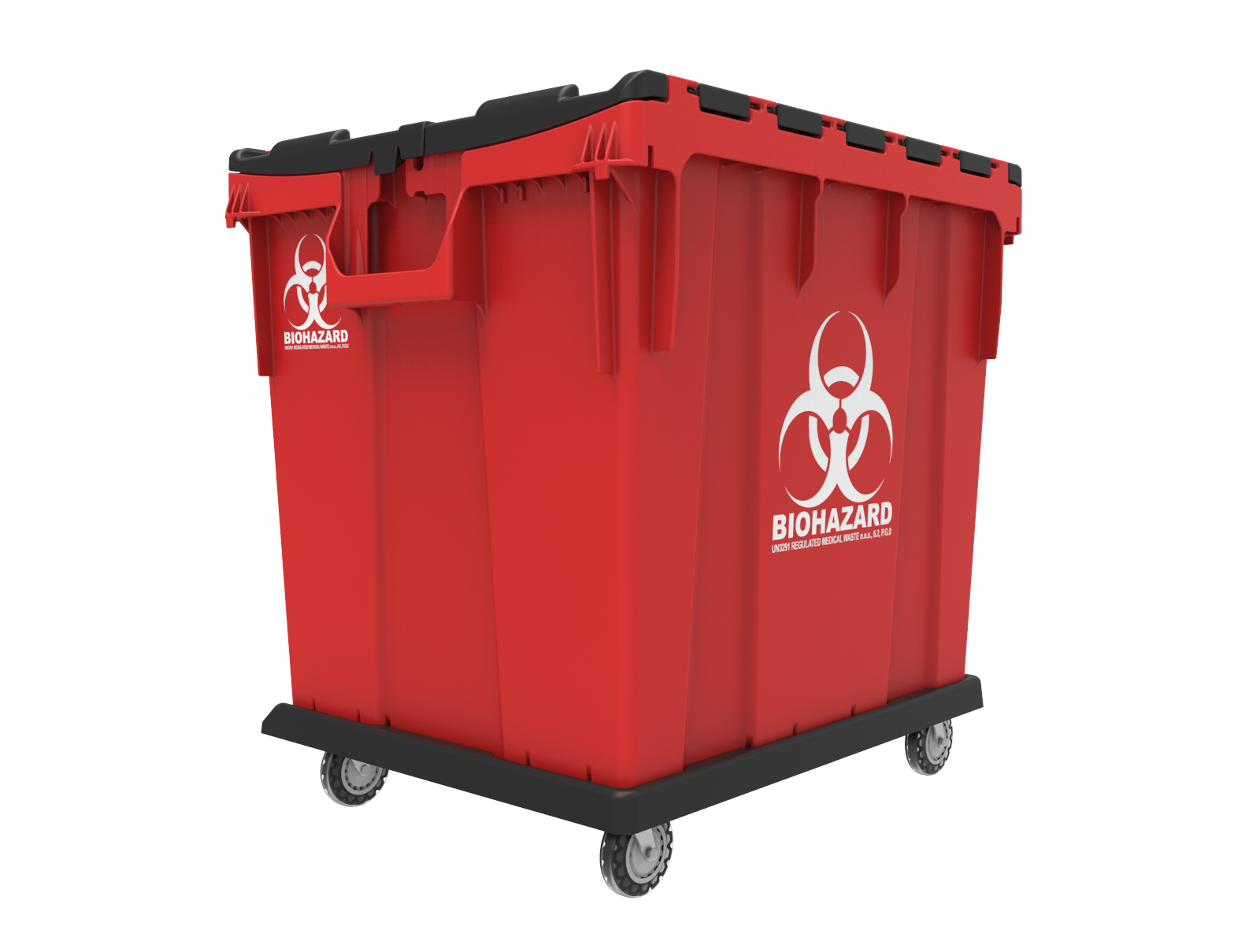
Biohazard waste bins are highly specialized Biohazard containers meticulously engineered for the safe storage, transport, and disposal of infectious, medical, and laboratory waste.
Typically identifiable by their vibrant red or orange-red coloration, these durable, leak-resistant, and lidded containers are indispensable in safeguarding both healthcare staff and the environment from Biohazardous materials.
Welcome to Secure Waste, your trusted partner in professional biohazard disposal services dedicated to ensuring safety and compliance in your community.
With over 30 years of specialized experience, Secure Waste proudly serves the Maryland, DC, and Virginia regions, offering innovative solutions and cost-effective strategies tailored to meet the unique biohazard management needs of our partners in the DMV area.
Our services include compliant biohazard waste management that adheres to all local, state, and federal regulations.
We provide secure biohazard bins designed for maximum safety and efficiency, suitable for use in medical facilities, laboratories, and industrial sites. Additionally, we offer a comprehensive range of specialized waste disposal services, including sharps disposal, pharmaceutical waste management, and remediation of contaminated sites.
Don’t hesitate to reach out to us today for a complimentary quote. Our experienced team is ready to discuss how we can assist you in maintaining a safe and compliant environment, protecting both public health and the ecosystem. Let Secure Waste be your go-to resource for all your biohazard disposal needs.
According to stringent guidelines established by the Occupational Safety and Health Administration (OSHA) and other authoritative bodies, these bins are essential for waste materials that have been in contact with blood, bodily fluids, or potentially pathogenic microorganisms.
This category of waste includes a diverse array of items such as soiled dressings, saturated gloves, laboratory cultures, and contaminated linens.
Key Features & Requirements For Red Biohazard Bins
- Construction Materials: Biohazard bins are predominantly fabricated from high-density polyethylene (HDPE) or comparable materials, chosen for their robust nature and resistance to punctures and leaks. These properties ensure that potentially hazardous substances are securely contained and do not escape into the environment.
- Labeling Standards: Each biohazard container must be prominently marked with the universally recognized biohazard symbol, which provides immediate visual identification of the potential dangers contained within, ensuring that all personnel are aware of the risks associated with handling these bins.
- Enhanced Safety Features: Many modern biohazard bins are designed with additional safety features, including self-locking lids and foot-operated levers for hands-free operation. This design promotes hygiene, minimizing contamination during disposal and creating a more sterile working environment.
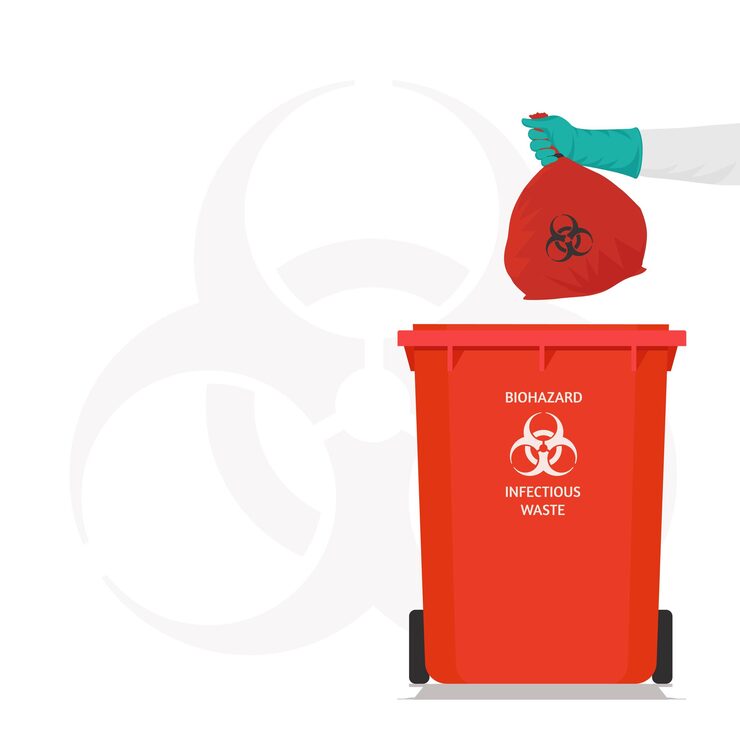
- Lining Requirements: The interior of these bins is typically lined with purpose-made red biohazard bags that are tear-resistant and designed to withstand the stress of containing biological waste materials. This ensures that any waste is securely enclosed and minimizes the risk of exposure.
- Capacity Management: Biohazard containers must be sealed securely once they reach full capacity to prevent any accidental leakage or exposure to hazardous materials. Regular checks should be conducted to ensure bins are not overfilled.
What to Dispose of in a Biohazard Container
- Solid Contaminated Waste: Items such as disposable gloves, isolation gowns, petri dishes contaminated with microorganisms, and face masks that have been exposed to blood or infectious agents fall under this category.
- Soiled Items: Medical dressings, bandages, and linens that are either saturated with blood or covered with other body fluids should be disposed of in biohazard bins to prevent the spread of infection.
- Pathological Waste: This category includes human or animal tissues, organs, and any body parts that require stringent handling and disposal protocols due to their potential infectious nature.
- Laboratory Waste: Microbiology cultures, contaminated laboratory materials, and any other waste that poses a risk of infection must be discarded in biohazard containers to protect public health.
What NOT to Dispose of in a General Biohazard Bin
- Sharps Waste: Items such as needles, scalpels, and broken glass shards necessitate specialized, puncture-proof sharps containers designed to contain and prevent injury from these hazardous items safely.
- Hazardous Chemicals and Radioactive Materials: Chemicals classified as hazardous or radioactive require disposal in accordance with specific regulations and should not be placed in standard biohazard bins, as they pose different risks that need distinct handling procedures.
General Non-hazardous Trash: Non-contaminated materials, including ordinary paper waste, plastic, food scraps, or any items that do not pose a health risk, should be disposed of in regular waste receptacles to ensure proper waste management.
Common Locations for Biohazard Bins
Biohazard bins are a critical component in numerous settings, including hospitals, medical clinics, research laboratories, and veterinary practices. Their presence is vital in minimizing the risk of exposure and ensuring the safety of healthcare personnel, patients, and the surrounding community from the threats posed by hazardous waste. Regular training and adherence to proper disposal protocols are crucial in these environments to maintain safety standards and protect public health.
Expert Medical Waste Management: With over 25 years of industry experience, Secure Waste is a trusted local leader in hazardous and biohazardous waste disposal across Maryland, Virginia, and Washington, D.C. Specializing in medical waste management, sharps needle disposal, and biohazard waste removal, the company ensures full compliance with federal, state, and local regulations while prioritizing environmental sustainability.
The company also offers additional services, including secure document shredding and sharps container sales, providing comprehensive solutions for healthcare facilities and businesses. Our cost-effective services help clients maintain regulatory compliance without unexpected costs.
With a commitment to customer satisfaction, Secure Waste offers tailored waste management plans that align with industry best practices. Their team of experts provides reliable, timely, and compliant services, making them the preferred choice for medical waste disposal. For a free waste quote or more information, visit www.securewaste.net