Why Healthcare Organizations Need A Specialized Medical Waste Management Partner
The Operational Reality Inside Healthcare Facilities – Expert Solutions From Secure Waste
Healthcare facilities operate in high-pressure environments where efficiency and safety must coexist. Physicians, nurses, technicians, and support staff move continuously between patients while managing diagnostics, treatments, documentation, and infection prevention. During these daily activities, medical waste is generated at every stage of care.
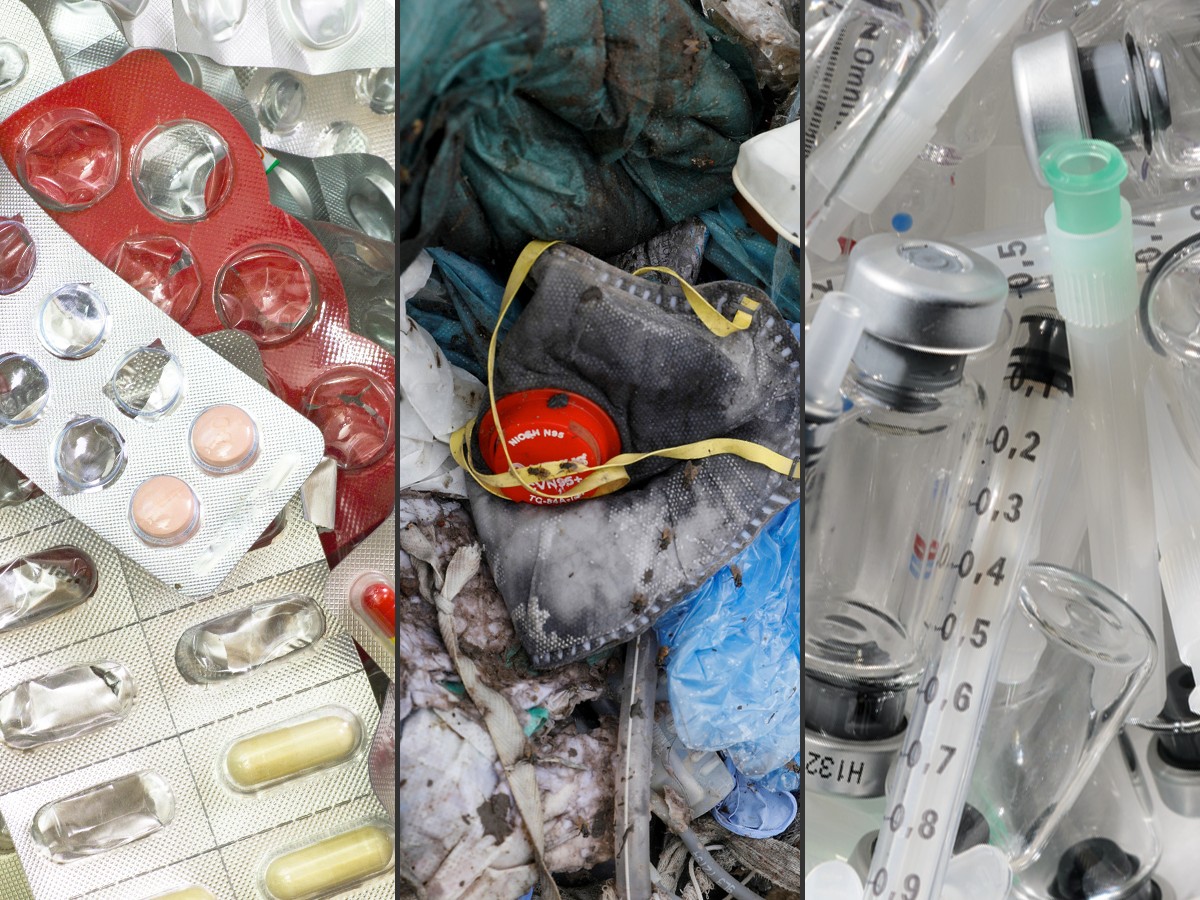
Used sharps, contaminated materials, pharmaceutical remnants, laboratory byproducts, and disposable protective equipment accumulate rapidly. Each item carries potential risk if it is not handled correctly. Even a single disposal mistake can result in staff injury, patient exposure, regulatory violations, or environmental harm.
Despite this reality, medical waste handling is often treated as a secondary task rather than a core component of a safety system. Organizations without structured waste programs frequently discover weaknesses only after incidents occur. At that point, corrective action is reactive, disruptive, and costly.
Medical Waste Involves Multiple Risk Categories
Medical waste is not a single stream. It consists of several categories, each governed by specific handling and disposal requirements. These commonly include regulated medical waste, sharps, pharmaceutical waste, chemotherapy materials, pathological waste, and laboratory waste as defined by the World Health Organization (WHO).
Each category requires correct segregation, container selection, labeling, storage, transportation, and final treatment. Misclassification can lead to compliance failures, increased disposal costs, and unnecessary safety risks.
Many healthcare organizations assign waste responsibilities across departments without centralized oversight. This fragmented approach often results in inconsistent practices, uneven training, and limited visibility into how waste moves from the point of generation to final disposal.
Regulations Continue to Change
Federal, state, and local authorities regulate the disposal of medical waste. These requirements evolve regularly in response to new medical technologies, updated safety standards, environmental considerations, and public health priorities.
Healthcare organizations must remain compliant with rules related to bloodborne pathogen exposure, sharps safety, pharmaceutical disposal, hazardous materials, transport documentation, and inspection readiness. The introduction of new drugs and treatment methods adds further complexity to the situation.
Tracking regulatory updates internally requires time, expertise, and constant monitoring. Most healthcare facilities lack dedicated staff solely focused on medical waste compliance, which increases the risk of falling behind current standards.
Staffing Challenges Increase Exposure Risk
Staff turnover is a persistent challenge in healthcare. New employees, rotating schedules, temporary staff, and contract workers increase the likelihood of inconsistent waste handling practices.
Even strong policies can fail if staff members are unfamiliar with disposal procedures or unsure how to classify specific waste items. Inadequate training, unclear container placement, and inconsistent signage increase the risk of improper disposal and workplace injuries.
Over time, these issues reduce operational efficiency. Organizations must allocate additional resources to retraining, incident response, and corrective action, rather than focusing on prevention and optimization.
Internal Management Has Clear Limitations
Healthcare organizations are highly skilled at delivering patient care. Medical waste management, however, requires specialized expertise focused on compliance, logistics, documentation, and risk reduction.
Without an experienced external partner, facilities often struggle to maintain consistency across departments and locations. Common challenges include incomplete training programs, limited visibility of documentation, and slow adaptation to regulatory changes.
Internal teams are also deeply embedded in daily operations, which can make it challenging to identify systemic weaknesses before they escalate.
The Role of a Specialized Medical Waste Partner
A specialized medical waste management partner provides structure, accountability, and expertise. Rather than reacting to issues, healthcare organizations gain proactive oversight of waste handling processes.
An experienced partner can evaluate existing workflows, identify compliance gaps, and standardize procedures across the organization. Ongoing education helps staff understand proper disposal methods and regulatory expectations.
Professional waste partners also manage transport, treatment, and documentation requirements. This reduces administrative burden while improving safety and compliance outcomes.
Why Healthcare Organizations Choose Secure Waste
Healthcare providers across the United States rely on Secure Waste for dependable medical waste solutions tailored to real-world clinical environments.
Secure Waste supports organizations with regulated medical waste collection, sharps management programs, pharmaceutical and hazardous waste handling, and compliance-focused guidance. Services are aligned with current regulations and adaptable to changing operational needs.
Training resources help reinforce consistent disposal practices across departments. Reliable service schedules and transparent processes provide confidence that waste is managed responsibly from generation through final disposal.
By staying current with industry standards and regulatory updates, Secure Waste helps healthcare organizations reduce risk while maintaining operational efficiency.
Building a Culture of Safety and Compliance
Medical waste management has a direct impact on workplace safety, patient trust, and organizational credibility. Facilities that treat waste handling as a strategic function experience fewer injuries, stronger inspection outcomes, and greater staff confidence.
A well-managed waste program protects employees from preventable exposure, reduces regulatory risk, and supports long-term stability. It also demonstrates a commitment to safety that extends beyond minimum requirements.
Partnering with specialists allows healthcare organizations to focus on patient care while ensuring waste systems remain compliant and effective.
Preparing for the Future of Healthcare Waste Management
Healthcare delivery continues to evolve. Outpatient services are expanding, treatments are becoming more specialized, and regulatory scrutiny is increasing. These changes make proactive medical waste management essential.
Organizations that invest in professional waste management partnerships are better positioned to adapt to future requirements. They gain confidence knowing their waste handling systems are compliant, consistent, and designed for sustainable success.
For healthcare providers seeking reliable and compliant medical waste solutions, SecureWaste.net offers the expertise and infrastructure needed to protect staff, patients, and surrounding communities.
Expert Medical Waste Management: With over 25 years of industry experience, Secure Waste is a trusted local leader in hazardous and biohazardous waste disposal across Maryland, Virginia, and Washington, D.C. Specializing in medical waste management, sharps needle disposal, and biohazard waste removal, the company ensures full compliance with federal, state, and local regulations while prioritizing environmental sustainability.
The company also offers additional services, including secure document shredding and sharps container sales, providing comprehensive solutions for healthcare facilities and businesses. Our cost-effective services help clients maintain regulatory compliance without unexpected costs.
With a commitment to customer satisfaction, Secure Waste offers tailored waste management plans that align with industry best practices. Their team of experts provides reliable, timely, and compliant services, making them the preferred choice for medical waste disposal. For a free waste quote or more information, visit www.securewaste.net